Kids Bed Solid Wood: Price Dynamics Explained
A solid wood kids bed can look straightforward on a product page: timber, dimensions, finish, and a delivery charge. The visible details account for only part of the price. The less obvious decisions—log species, moisture control, joinery, hardware, packaging, and installation access—often determine whether you pay SGD 680 or SGD 2,450 for a similar-looking frame.
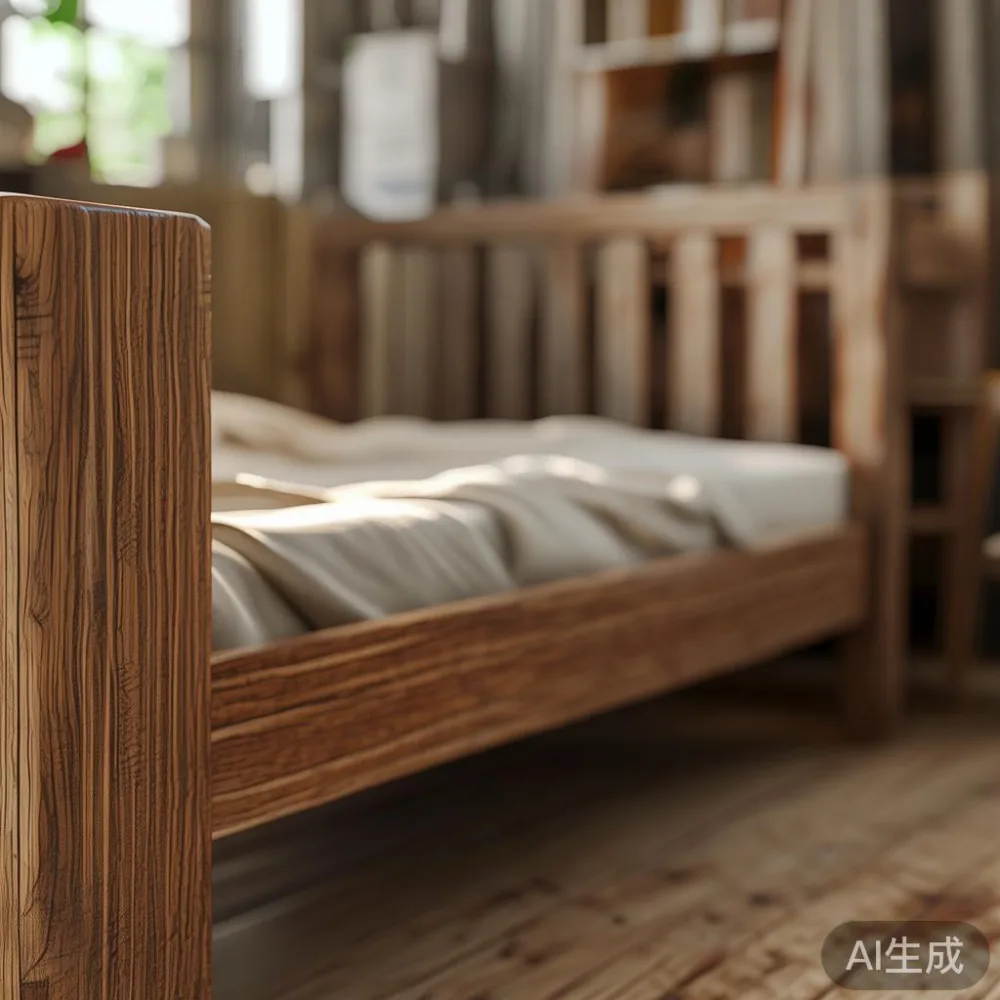
This matters across Singapore, where HDB flats and condos in Tampines, Bedok, and Punggol impose very different practical constraints. A 210 cm bed may fit inside a bedroom but fail to turn through a 90 cm doorway or manoeuvre within a narrow corridor. Lift dimensions, stair landings, and the route from the van to the bedroom can therefore affect the final cost as much as the timber itself.
MIDHILL designs solid wood furniture for an international market, supported by a 10-year structural warranty and a lifetime refinishing policy. The aim here is not to place a single price on every piece. It is to explain how the cost is built, where shoppers can make sensible trade-offs, and why a well-made kids bed should be evaluated beyond its catalogue image.

Is timber species the biggest price driver for solid wood furniture?
Timber species is usually the largest variable, but it is not the only one. A bed frame made from rubberwood, pine, or poplar can cost less than one made from oak, ash, or walnut because the raw material differs in availability, grain character, drying requirements, and machining demands. Solid wood sofa frames and solid wood dining tables are affected by the same economics, although their component sizes and labour content differ.
One misleading pricing habit is to compare a product described simply as “solid wood” with one labelled “solid hardwood.” These phrases are not interchangeable. Solid wood may include a softer species or finger-jointed components, while solid hardwood generally indicates denser material suitable for repeated load-bearing use. For a kids bed that receives daily climbing, jumping, and movement, the frame, rails, slats, and legs need consistent strength rather than attractive grain alone.
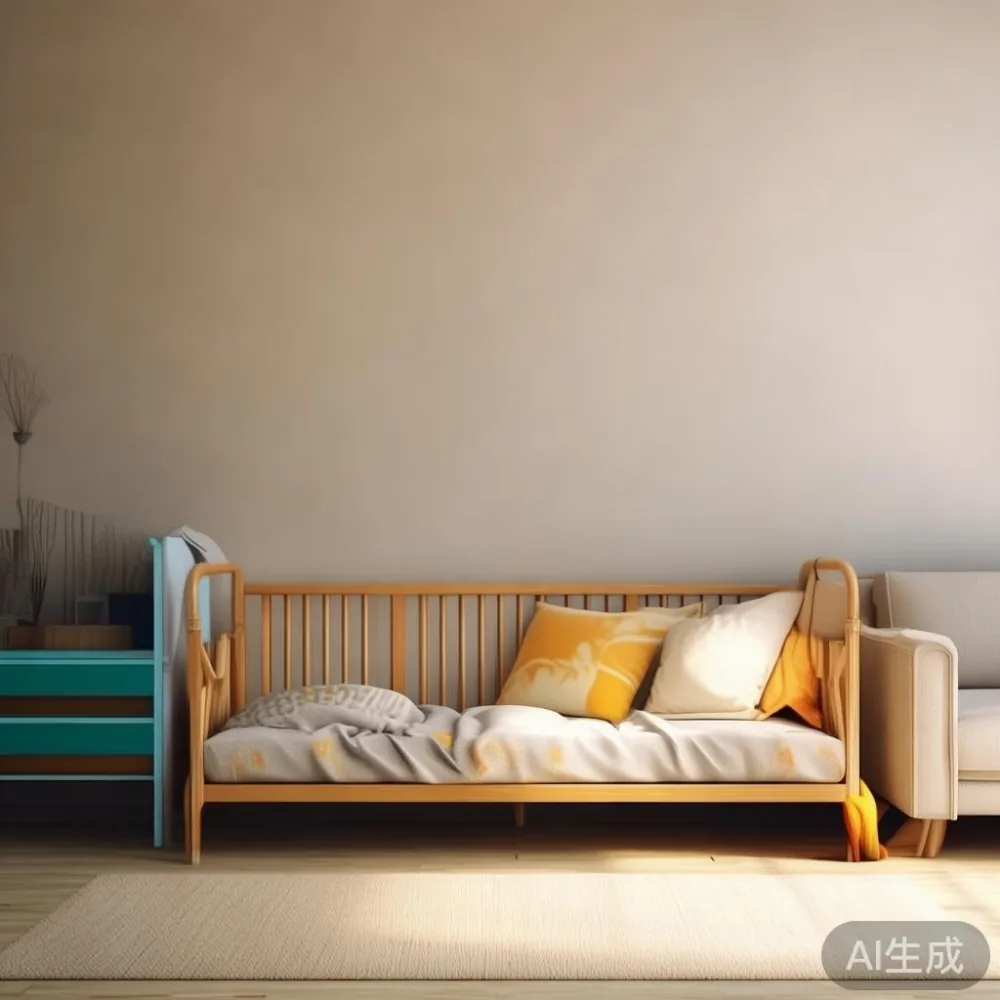
Numbers help put this in perspective. A typical kids bed might use about 40–70 kg of timber, depending on whether it is a low platform, loft, or standard-height frame. A 120 cm-wide model may use more material than a compact 80 cm cot-style design. If certified timber costs SGD 18 per kg and fabrication, drying, and finishing add SGD 410, the starting material may represent less than half of the factory price.
Wood movement is another factor. Solid timber expands and contracts as humidity changes. Singapore’s humid conditions make stable joinery and correct moisture preparation important. A supplier that dries timber gradually and controls its moisture content is doing more than protecting appearance; that work reduces splitting, warping, and loose joints over a 10-year period.
Walnut and oak often carry higher price expectations because their visual grain and market demand are strong. That does not make them automatically appropriate for every child’s room. A lighter-toned species may be easier to coordinate with a small HDB bedroom, while a darker frame can create visual weight in a compact space. The correct choice depends on use, room dimensions, and budget—not merely the name printed on the specification sheet.
How much do joinery and construction affect a kids bed price?
Joinery determines how long a bed remains stable. Dowelled joints, mortise-and-tenon connections, screwed assemblies, and hidden metal fittings have different labour and material costs. A screwed joint can be perfectly serviceable when engineered correctly. The costly issue is weak joinery disguised behind decorative details.
For a 140 × 200 cm kids bed, the structural parts include two side rails, a headboard, a footboard, several legs, and a supporting slat system. A slat spacing of roughly 5–8 cm is common for children’s mattress support, but the exact interval depends on mattress type and the load rating. The slats should sit securely rather than flex under a 60–100 kg child.
Hidden hardware can add SGD 35–120 per bed. Bolts, barrel nuts, cams, brackets, and support pins each have a purpose, and using the wrong system often creates noisy movement. CNC-cut joinery may raise production cost by SGD 90–250 compared with simpler layouts, yet it can improve repeatability and reduce timber waste.
Finishing is another area where quoted prices can mislead. “Water-based finish” does not mean no finish is required. A properly prepared frame might involve sanding through several grit levels, sealing, 2–3 coats, and curing time. Low-VOC coatings can cost more than basic lacquer, but they may also be preferable for a child’s bedroom. The finish should meet applicable safety requirements and be easy to maintain after delivery.
At MIDHILL, construction decisions are tied to a 10-year structural warranty. That warranty is meaningful only when the design, materials, and assembly method support it. It also gives buyers something more concrete to compare than a fashionable silhouette: what the manufacturer is prepared to cover, for how long, and under what conditions.
Why do delivery, lifts, and stairs change the price?
Delivery is where showroom pricing and household realities diverge. A standard in Singapore may include delivery to the ground floor or a specific entrance, but it may not include carrying furniture upstairs. In a lift lobby, the service elevator opening might measure 80 × 140 cm, while an internal lift depth is only 110–135 cm. A long wardrobe or dining table can therefore require turning, unboxing, or partial disassembly.
Measure the route before ordering. For a kids bed, record the bedroom door width, corridor turns, ceiling height, and lift door dimensions. Add about 10 cm of clearance around a boxed or assembled piece. The mattress itself may measure 100 × 200 cm, but the bed can still be difficult to move if the headboard or footboard exceeds the entrance width.
White-glove delivery, room-of-choice placement, and assembly generally cost around SGD 80–220 for a bed, depending on access and distance. A second-floor walk-up without a usable lift may add SGD 60–150. These charges are legitimate operational costs rather than arbitrary mark-ups: they cover labour, transport, packing material, and insurance.
MIDHILL provides free shipping on orders over US$350, but the exact Singapore fulfilment terms should be confirmed before purchase. Delivery should still be planned for with the same care as the product dimensions. Allow 7–14 delivery days for standard made-to-order pieces and a further 20–40 days if custom sizing or a special finish is involved. Congestion, production schedules, and remote-area access can extend those windows.
Singapore shoppers should also account for GST. At the prevailing 9% rate, a SGD 1,900 item adds SGD 171 in tax. The final payable amount matters when comparing offers, and a lower listed price can become the higher landed cost after delivery, GST, and assembly are included.
What does style add to the price of a bed frame?
Style can influence cost through shape, detailing, and production complexity. A rectilinear post-modern light luxury bed may require clean machining and fewer decorative curves, while a French provincial bed may use shaped headboards, mouldings, or turned details. French bed vs Mid-century modern bed comparisons often focus on visual language, but the fabrication burden can differ considerably.
Tapered legs, rounded corners, routed panels, live edges, and hand-applied distressing all affect labour. A machine may complete one profile in 90 seconds, while inspection and correction add several minutes. Small quantities of shaped parts are also harder to optimise than repeatable flat components. That is why a bed with a simple frame and solid timber slats may cost less than a visually similar model with carved panels and elaborate finishing.
The French provincial dressing table is another useful example of where style changes the bill. A 120 cm table may require a shaped apron, decorative drawer fronts, aligned hardware, and a more demanding finish schedule. Those details can add SGD 250–700 before delivery. A restrained nightstand with two drawers and restrained hardware may achieve a similar atmosphere for less because fewer surfaces need shaping and inspection.
Designer French provincial furniture is not simply French-looking decoration. It usually demands proportion, material consistency, and controlled details. The same applies to American light luxury: a substantial bed with generous rails and a calm, durable finish may cost more because there is simply more well-finished solid wood in it. Price should track measurable construction and material decisions rather than a label.
For an apartment, style also affects practicality. A high headboard can look refined against a 260 cm ceiling, yet it may not suit the lowered ceiling created by an HDB flat’s corridor. Compact proportions, shallow profiles, and light finishes can make a room feel more open. If you are considering how to style American bed in apartment layouts, measure the wall, ceiling, door swing, and bedside clearance before choosing the silhouette.
Is a marble table worth its price compared with solid wood?
Marble tables are priced differently because marble is quarried, transported, cut, and finished in heavy, fragile slabs. A 120 × 60 cm marble table may weigh 45–80 kg, while a comparable solid wood dining table might weigh 35–60 kg. Natural stone also creates greater variation in veining and requires careful support, edge treatment, and installation.
That does not make marble automatically superior. Stone tops can be cool to the touch and visually substantial, but they are unforgiving of careless handling. A marble table may cost SGD 1,200–3,800 depending on thickness, edge profile, base design, and stone type. A solid wood dining table may fall around SGD 900–3,200, with the strongest determining factors being timber species, dimensions, and joinery.
A wardrobe or nightstand presents a different cost structure because it includes storage hardware. Soft-close drawer runners, solid timber drawer boxes, adjustable hanging rails, and reinforced shelf sections can add hundreds of dollars. A 150 cm wardrobe may need a floor-to-ceiling 180 cm opening for installation, so delivery and site access should be checked before ordering.
These comparisons matter for children’s rooms too. A marble-topped dresser may be durable and easy to wipe, but a corner can chip if a child collides with it. Solid wood furniture can absorb knocks differently, while still requiring sensible care. The question is not which material carries the higher price. It is which material and construction suit the room, the use, and the household.
What should a buyer ask before paying more for solid wood furniture?
Ask for the timber species, not only the phrase “solid wood.” Confirm the dimensions, weight, finish type, slat spacing, hardware range, warranty scope, and expected delivery time. A credible seller should distinguish finished dimensions from packaged dimensions and explain whether assembly is included.
Last month I visited a family in Punggol while they were replacing a low kids bed for a six-year-old. The replacement looked 70% more expensive than the original listing, but its 8 cm legs allowed storage boxes underneath, its guard rail sat 18 cm above the mattress, and the slats were fixed rather than loose. The family’s usable floor area increased by about 0.7 sqm. That functional gain made the price easier to justify than a superficial finish comparison would have done.
Ask how a piece will be serviced. MIDHILL offers lifetime refinishing, which can reduce the long-term cost of scratches, colour changes, and surface wear. Confirm what the service includes, which components are covered, and whether collection is chargeable. A 10-year structural warranty also needs context: identify whether it applies to the frame, joints, and specified structural components, and review the claim process.
Buyers searching for the best European light luxury bed for 2026 should compare construction rather than chasing a seasonal label. Check whether the bed is engineered for the intended mattress, whether the rails are reinforced at the joints, and whether every accessible fastener is covered. Also consider how the bed is delivered to a Bedok condo or Tampines HDB flat.
For a hotel project, Mid-century modern for hotel requirements add another layer: contract documentation, finish consistency, replacement parts, and repeatable lead times. Residential buyers can still use the same logic by asking whether spare slats, legs, or hardware will remain available in 5 years.
The final price of solid wood furniture is a stack of decisions: species, moisture preparation, machining, joinery, hardware, finish, packaging, and access. The most expensive option may include more timber, better-controlled production, and longer service support. The least expensive option may still be suitable if its construction is honest and proportionate to the use. Measure the room, inspect the specification, and compare total delivered cost—not just the number beside the product image. You can review current ranges and specifications at m.midhill.co, then confirm the details that apply to your own home.