5-Year Kids Bed Cost: Veneer vs Solid Wood in Singapore
Choosing a kids bed for a Tampines HDB flat, a Bedok condo, or a compact Punggol home is rarely a simple choice of appearance. The larger question is what the bed will cost over five years, from the purchase price and delivery through everyday repairs, cleaning, replacement parts, and eventual disposal. A veneer kids bed may require less at the outset, while a solid wood kids bed can absorb wear differently and retain its character longer. For families comparing under 2000 Modern light luxury furniture designs, the distinction matters because both materials can suit light-luxury interiors when detailing and proportions are handled well.
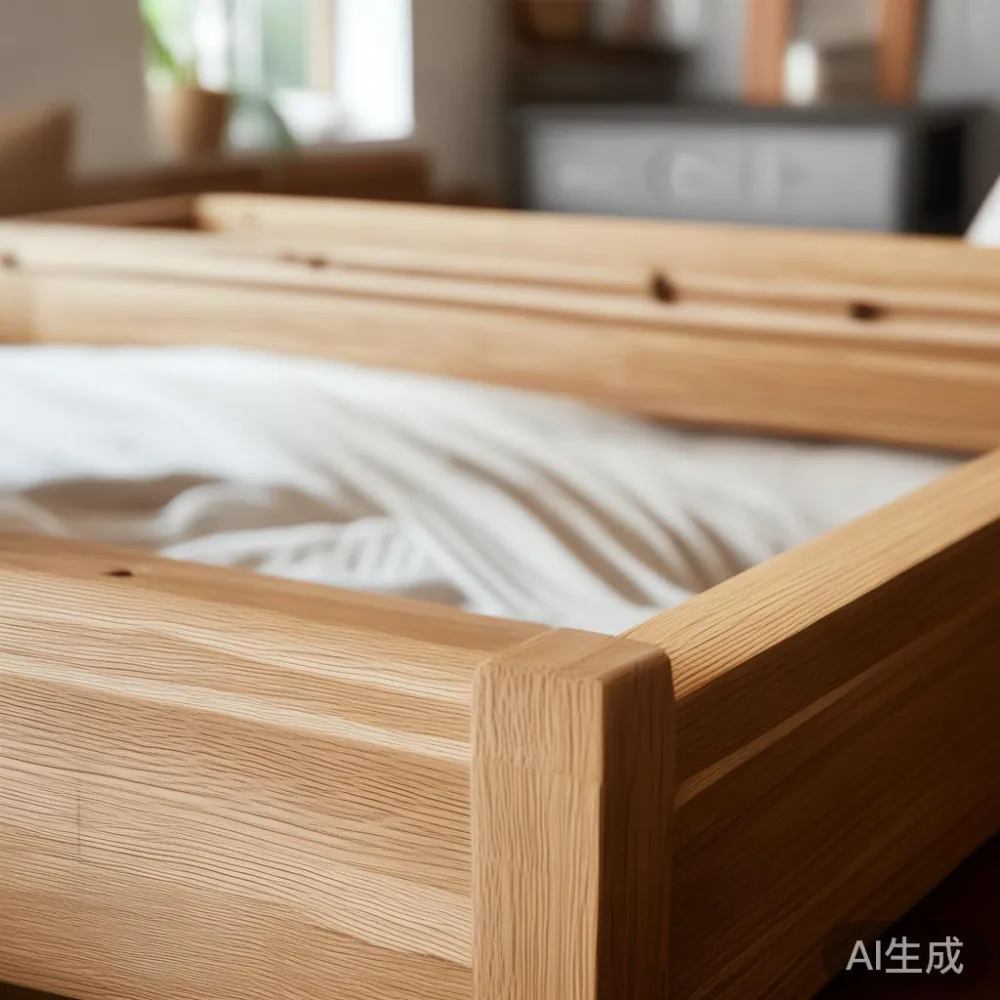
This comparison assumes a child’s bed used daily for five years, with realistic Singapore conditions: high humidity, frequent cleaning, occasional scuffs, and at least 2 moves during the period. Prices are stated in SGD and include GST at 9%. Delivery is estimated at 7–14 working days after production or stock confirmation, depending on the finish and configuration.
What Is the Real Difference Between Veneer and Solid Wood Kids Beds?
Veneer is a thin layer of real timber, commonly 0.6–1.2 mm thick, bonded to a engineered-wood core. The face may be oak, walnut, ash, or another decorative species, but the internal structure is not solid timber. Its stability is useful in Singapore because engineered cores move less across humidity changes than a wide solid board.
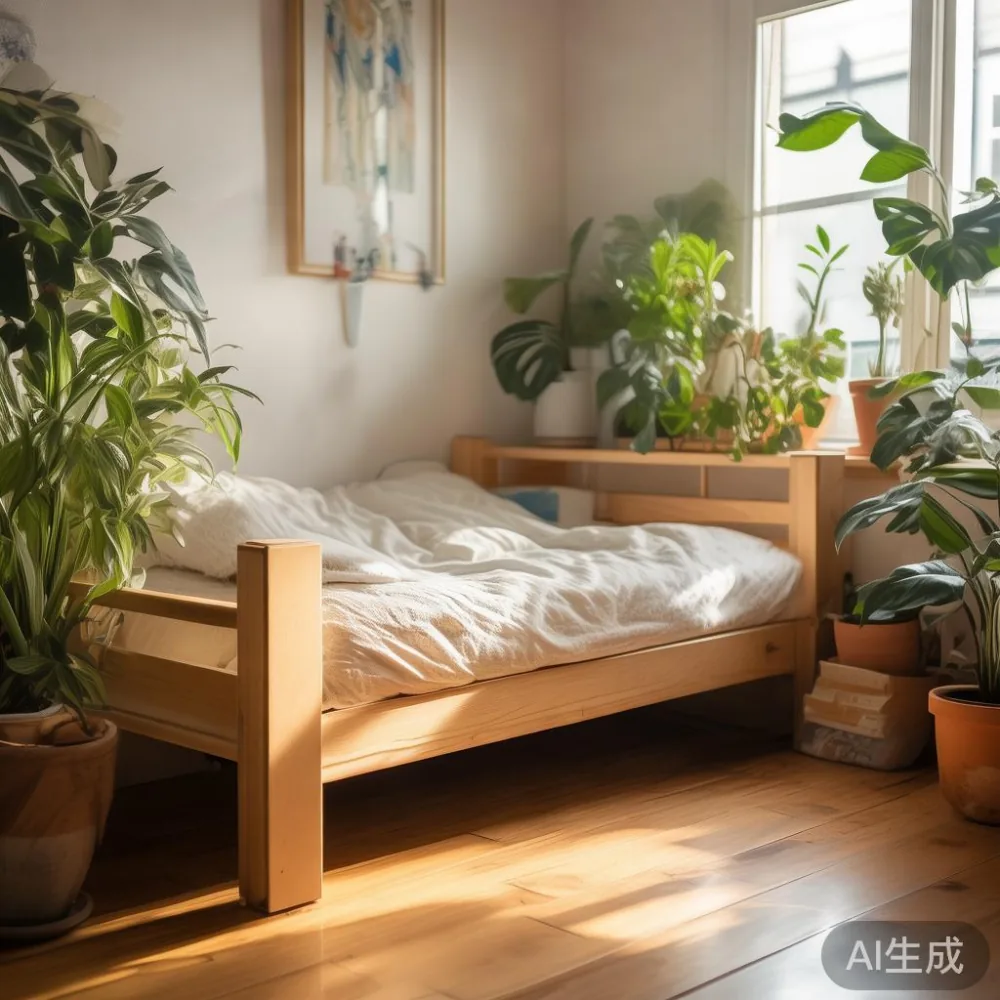
Solid wood furniture uses the timber through the visible panel and much of the structural section. For a bed frame, this might mean 18–25 mm side rails, 30–45 mm slats or a supported platform, and joints that remain visible inside the structure. Solid wood is not automatically heavier or stronger: a well-engineered birch or beech kids bed can weigh 35–55 kg, while a similarly sized veneered model may weigh 28–48 kg.
The visual difference is often subtle at first. Wood grain, pores, colour variation, and edge treatment tell the story. Over five years, however, a veneered bed may show veneer lifting at exposed edges, while a solid wood bed can develop small dents, scratches, and softened corners. Neither outcome is automatic; moisture control, cleaning, and furniture-grade joinery still determine performance.
How Much Does a Kids Bed Cost in Singapore?
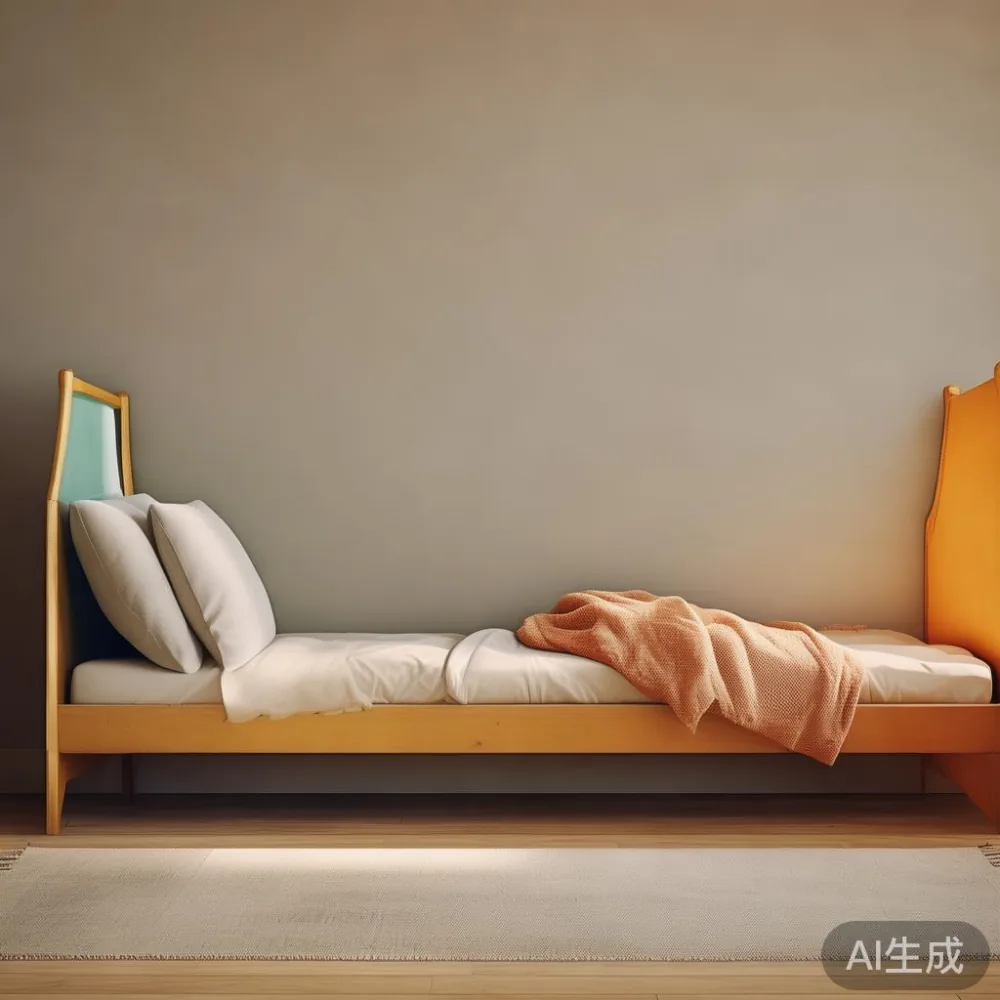
A straightforward single kids bed in veneer typically costs SGD 520–SGD 1,050 before delivery. A matching pine, beech, ash, or rubberwood solid wood version generally falls between SGD 850 and SGD 1,850. A solid oak kids bed with shaped side rails, a lower storage shelf, and a coated finish may range from SGD 1,450 to SGD 2,950.
Here is a representative five-year budget for a 100 cm × 200 cm single bed:
- Veneer option: SGD 820 purchase, SGD 80 delivery, SGD 90 assembly, and SGD 35 for a fabric headboard protector.
- Solid wood option: SGD 1,480 purchase, SGD 100 delivery, SGD 120 assembly, and SGD 45 for two furniture-protective pads.
The higher initial solid wood figure buys material with a different repair and refinishing profile. Over 60 months, assume the veneer bed needs one edge repair at SGD 140 and minor touch-up materials costing SGD 45. The solid wood bed receives one sanding-and-re-oil treatment at SGD 220 and replacement hardware at SGD 50. These are practical allowances rather than guaranteed maintenance schedules.
For a local reference, a search phrase such as French for dining room often points to design ideas built around pale oak and tactile finishes. Those same pale-oak tones translate easily to a child’s room, where fewer dark marks and a calmer visual line can make a 3.8 m × 3.2 m bedroom feel more spacious.
What Will a Veneer Kids Bed Cost Over Five Years?
Using the example above, the veneer bed’s direct five-year cost is SGD 820 for the bed, SGD 80 for delivery, SGD 90 for assembly, SGD 140 for one edge repair, and SGD 45 for protective materials. The total is SGD 1,175, or about SGD 23.50 per month across 60 months.
That figure excludes mattress and bedding. A suitable mattress for a child aged 6–12 may add SGD 350–SGD 900, while a fitted cotton or polyester protector costs SGD 45–SGD 90. Those purchases are material-independent, so including them would distort the comparison. Cleaning is also similar: budget SGD 15–SGD 25 per month for a damp wipe and occasional wood-care product for either construction method.
Delivery deserves attention in a Singapore high-rise. A lift opening of 900–1,100 mm may require the bed panels to be boxed separately. A corridor narrower than 1,200 mm can make a 200 cm side rail difficult to turn, even if it fits in the lift. Flat-pack veneer beds are convenient in this setting because each panel is lighter, often 12–22 kg. Carrying a solid wood side rail weighing 18–26 kg up two flights is possible but awkward, so the supplier should confirm measurements before dispatch.
Service access is another practical point. A veneer skin may be relatively easy to patch, but a matching repair depends on the original sheet and adhesive. If the original face veneer is no longer available, a close colour match becomes difficult. This is where a 10-year structural warranty can matter, provided it covers frame failure and not cosmetic veneer wear.
What Will a Solid Wood Kids Bed Cost Over Five Years?
The solid wood example reaches SGD 1,480 for the bed, SGD 100 for delivery, SGD 120 for assembly, SGD 220 for one refinishing treatment, and SGD 50 for replacement hardware. The total is SGD 1,970, or approximately SGD 32.80 per month. The difference over five years is SGD 795, not SGD 1,000, because the solid wood bed begins at a higher price but can be restored more selectively.
This calculation can change if the family already has suitable tools and space. A small sanding block, 120- and 220-grit paper, a clean cloth, and wood-safe oil may cost SGD 45–SGD 80, reducing one professional refinishing visit. However, refinishing a child’s bed correctly requires choosing a compatible oil or hardwax oil, testing a concealed area, and allowing the surface to cure. Repairing a favourite piece of solid wood sofa upholstery follows similar principles: material compatibility and careful preparation matter more than speed.
Solid wood offers another long-term advantage: small marks can be sanded locally instead of replacing a broad decorative layer. A nightstand top with a 2 cm scratch might need only a small treatment. The same principle applies to a bed frame, provided sanding does not remove an intentional edge profile. This kind of maintenance supports a lifetime refinishing service, although transport to the workshop may add SGD 80–SGD 180 in Singapore.
For families moving again, solid wood components can often be separated, moved, and rejoined. Veneer panels are also movable, but repeated disassembly can stress the bond at screw points. Plan for 2–3 hours to dismantle and reassemble a kids bed with an adult. The original supplier may charge SGD 80–SGD 140 for collection, delivery, and reinstallation within Singapore.
Is the Price Difference Justified in an HDB Flat or Condo?
The right answer depends on room size, humidity exposure, and likely ownership period. A veneer kids bed is financially efficient when the family expects 2–3 years of use, needs a compact package for a lift and corridor, or intends to replace the bed as the child grows. At the five-year mark, a solid wood kids bed becomes more compelling if the same frame is expected to serve a second child, receive occasional refinishing, or move through several homes.
Space planning should begin with the actual mattress size, not the nominal bed label. A “single” bed may use a 90 cm × 190 cm mattress, while a 100 cm × 200 cm frame allows more shoulder space. Leave at least 60 cm beside the bed for drawers, 75 cm in front of drawers, and enough wall clearance for a 75–90 cm adult to sit on the edge. A study desk, wardrobe, and narrow corridor can quickly reduce usable clearance in a compact HDB bedroom.
Humidity also affects how each surface should be maintained. Singapore’s outdoor relative humidity commonly ranges from about 70% to 90%, with interiors varying by unit and ventilation. Keep the bed at least 10 cm from cold walls and 15 cm from air-conditioning outlets where possible. Clean with a lightly damp cloth, wipe spills promptly, and avoid silicone-based polishes or soaking the panels.
Light-luxury styling can hide practical choices without making them look disposable. A solid wood bed with rounded corners, softly tapered legs, and a muted natural finish can work in American light luxury, post-modern light luxury, or French light luxury rooms. A slim veneer bed can achieve a similar effect through proportion and joinery, but its edges require more care around doorways and play areas.
Which Material Handles Children’s Daily Wear Better?
Children create predictable wear: feet striking side rails, bags pulled across the headboard, toy cars rolling against the lower shelf, and damp hands touching the bed edge. Solid wood tends to absorb small impacts by denting the fibres. Veneer tends to resist the initial impact because its surface is thin and firm, but it can chip at an exposed edge. Repeated knocks may loosen the veneer-to-core bond, particularly where moisture reaches the joint.
Weight can affect stability. A 42 kg solid wood bed feels less likely to shift when a child climbs on one side, yet it must still be fixed properly if the unit has young children. A 35 kg veneer bed may be easier to reposition but can move more readily. For bunk or loft beds, safety certification and guardrail construction matter more than the finish alone.
Cleaning methods should differ only slightly. For veneer, use a pH-neutral wood cleaner diluted as directed and avoid soaking edges. For solid wood, the same damp-cloth method works, followed by a light application of compatible oil if the finish allows. Test every product on a 5 cm × 5 cm concealed area and wait 24 hours.
Furniture terminology can make search results crowded. A phrase such as Japanese for guest room usually refers to visual principles—low profiles, restrained colour, and uncluttered layouts—not one mandatory colour scheme. A child’s room can use those ideas with warm oak, cream textiles, and one durable accent. Likewise, a nordic light luxury sofa query belongs to living-room design, but its pale palette can guide the wood finish chosen for a coordinated kids bed.
How Do Delivery, Warranty, and GST Affect the Comparison?
For Singapore orders, GST at 9% should be shown clearly. MIDHILL quotes should state whether the displayed price includes GST and delivery. In this comparison, both figures include GST and estimated mainland Singapore delivery. A deposit may be required for made-to-order pieces, with the balance due before shipment. Standard production time is 25–40 days, followed by 7–14 delivery days for stock or completed items.
The manufacturer’s structural warranty is valuable, but families should read what “structural” covers. It may include rail cracking, joint failure, and defective slats, while excluding ordinary scratches, finish wear, or unauthorised modifications. Ask for the warranty terms in writing and keep the order record. A 10-year structural warranty on a kids bed provides more protection than a short warranty that applies only to components such as drawers and hardware.
Lifetime refinishing is easier to interpret when the process is clear. It may cover labour for refinishing eligible solid wood pieces, while the family pays for transport, consumables, or a new top if the original surface is beyond repair. Confirm whether veneer and solid wood items are treated differently.
Returns are another five-year cost factor. A 14-day return window can protect against sizing issues, but the condition rules matter. For hygiene and custom work, some made-to-order pieces may be excluded or charged differently. Measure the mattress zone, lift dimensions, staircase turns, and corridor before ordering. Do not assume a flat-pack box will fit into a HDB corridor simply because its longest side fits the lift door.
What Did I See During a Recent Singapore Home Visit?
Last month I visited a family in Punggol to inspect a child’s bed before a move. The original bed had a veneered headboard with a 4 cm pale-oak finish. Over 18 months, repeated toy-car impacts had raised a 3 cm section near the lower edge. The timber underneath remained sound, but the exposed edge looked chipped and the repair could not blend perfectly with the original grain.
Nearby, the family’s solid wood bookshelf had a deeper scratch on one side. My colleague and I cleaned it, sanded only the damaged area with 180-grit paper, and applied a compatible oil after checking the existing finish. The patch remained visible in raking light but was much less distracting than a loose veneer edge. It took 55 minutes, including drying time, and cost about SGD 18 in materials.
That visit did not prove solid wood is always the wiser purchase. It showed that edge protection and finish compatibility affect the five-year outcome. The family added a 2 mm silicone edge guard to the bed’s vulnerable corner, a practical measure costing SGD 12–SGD 28.
Which Option Gives Families the Better Five-Year Value?
A veneer kids bed costs about SGD 1,175 over five years in this representative model, while the solid wood version costs about SGD 1,970. The solid wood option carries an extra SGD 795, equivalent to approximately SGD 13.25 per month. In return, the family receives a thicker repairable surface, greater flexibility for refinishing, and a product that can move through a second stage of a child’s life without requiring a full replacement.
Choose veneer when the budget is constrained, the room is compact, and the bed will likely be replaced in 3–4 years. Choose solid wood when the family expects at least 5 years, values repairability, or plans to pass the frame to another child. A light-oak solid wood finish also coordinates easily with a dining table, wardrobe, nightstand, or marble table, creating a consistent room rather than a disconnected set.
Search terms such as best Modern sofa for 2026 and best Coastal sofa for 2026 can identify current styling directions, but the material decision should stay grounded in the room and the family’s habits. For the bed, check dimensions, request finish samples, clarify GST and delivery, confirm the 10-year structural warranty, and ask whether refinishing includes labour. A well-chosen kids bed should offer comfortable proportions, sound construction, and a finish that can accept ordinary family life rather than remain showroom-perfect.