Caring for Kids’ Lacquered Beds in Singapore’s Climate
A lacquered kids bed looks crisp in a Singapore home, but humidity, heat, condensation, and hand contact can dull the finish over time. The care routine matters because a protective lacquer is not the same as an uncovered timber surface: water, cleaning products, and trapped moisture may affect it differently.
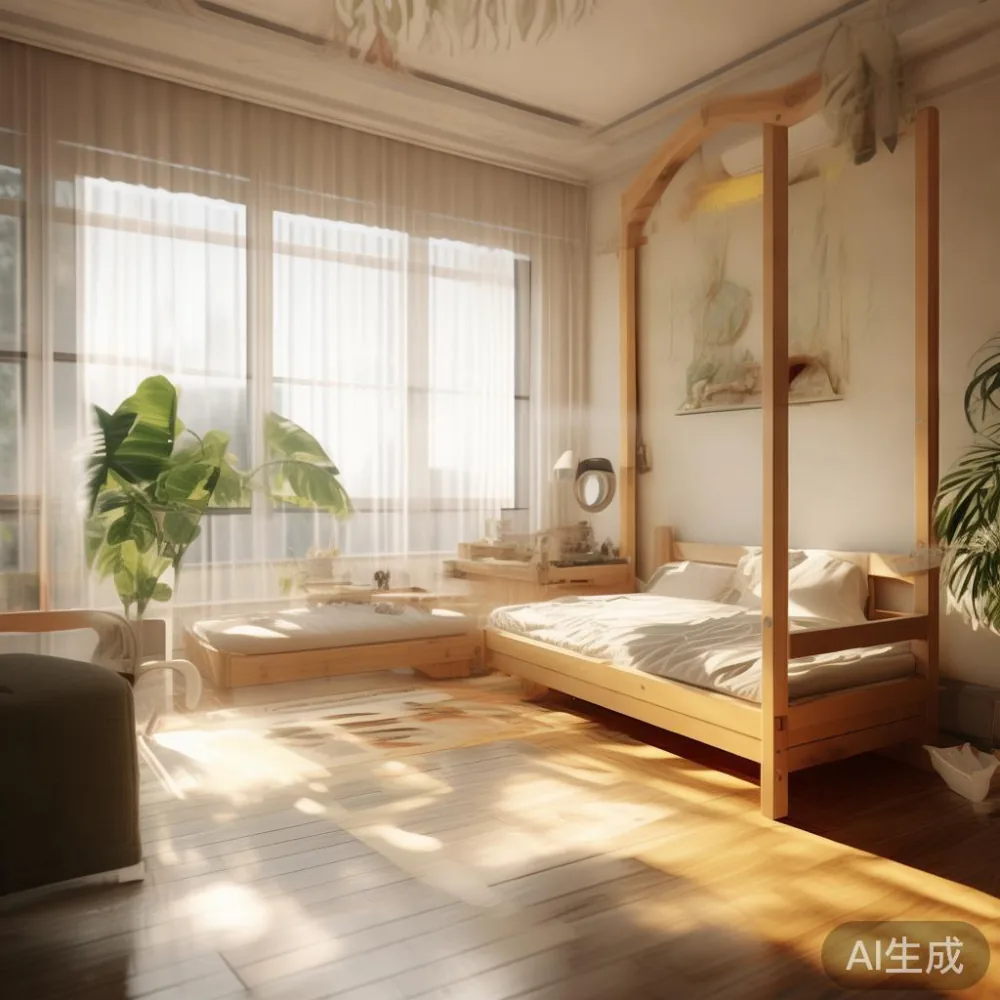
In a compact HDB flat in Tampines, a lacquered bed frame may need to pass through a lift opening of only 80–90 cm before reaching a corridor of roughly 90–120 cm. A bed that looks generous in a showroom can therefore be awkward to deliver unless its packed dimensions are checked. The same attention applies to a children’s room in a Bedok condo or a Punggol apartment, where air-conditioning may run for 8–14 hours a day but windows still admit warm, moist air.
MIDHILL makes lacquered solid wood children’s furniture and supports it with a 10-year structural warranty, lifetime refinishing, and a 14-day return window. For a freight quote, delivery planning, or product questions, email midhillco@gmail.com. Singapore orders over US$350 qualify for free shipping under the stated policy, while local displayed prices are shown in SGD.
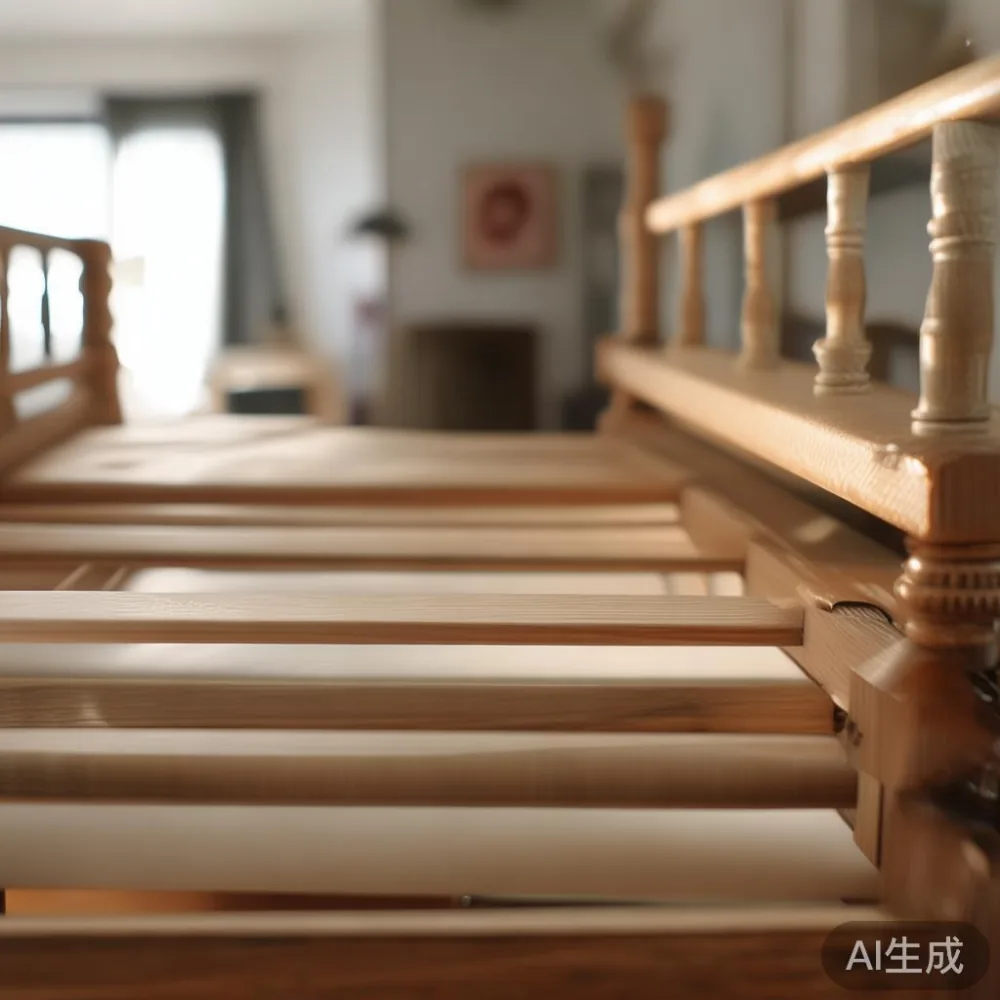
Why does lacquer need special care in Singapore?
Singapore’s climate combines high air humidity with warm indoor temperatures. Outdoor relative humidity often ranges from about 70% to 90%, while an air-conditioned bedroom may settle nearer than 50%. Lacquer expands and contracts more slowly than the timber underneath, so repeated humidity changes can create fine stress marks if a finish has been compromised or applied poorly.
Good habits reduce the risk. Keep the kids bed away from an open window with direct rain exposure, maintain at least 30 cm of ventilation space behind the headboard, and avoid standing it directly against a cold wall that may carry condensation. In a compact HDB room, a 15–30 cm gap can improve airflow without making the layout feel crowded.
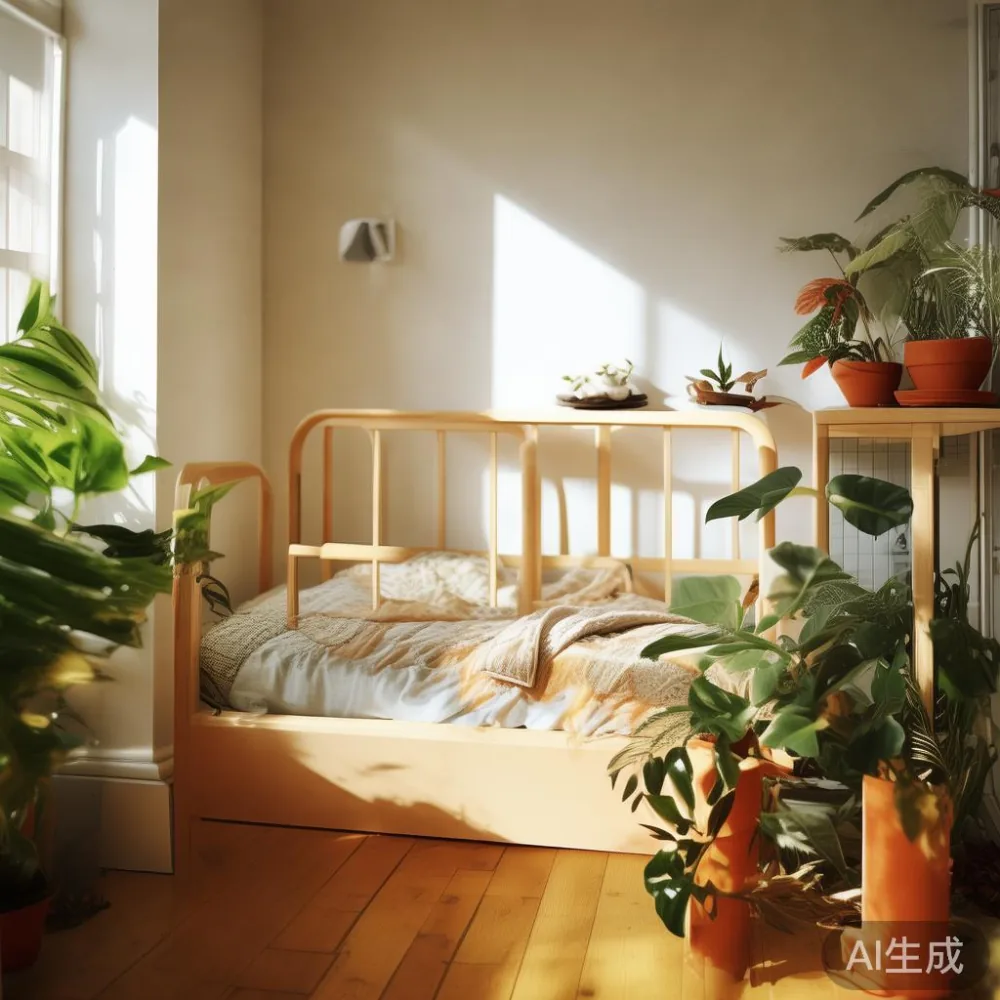
Temperature changes also matter. A bed moved from a cool bedroom into a humid landing area should acclimatise for around 4–6 hours before cleaning. Do not wipe a surface immediately after a child has brought in damp swimwear or placed a wet bottle on the frame.
This care guide applies to lacquered kids bed frames, including low-platform models, standard single beds, and bunk-bed structures. It does not extend to upholstery or marble surfaces, which need separate cleaning methods.
What should I use to clean a lacquered surface?
Begin with a soft microfibre cloth, ideally 20–30 cm square. Add a small amount of plain water or a cleaner specifically approved for lacquer. Mix roughly 5 ml of mild, pH-neutral detergent with 500 ml of lukewarm water, then dampen the cloth rather than spraying the bed. The cloth should be merely damp, not dripping.
Wipe in the direction of the grain and use light pressure. Clean a 30 cm section at a time, then dry with a separate clean cloth. Avoid abrasive pads, wire wool, scouring powder, alcohol, ammonia, bleach, and household glass cleaner. Even if a product leaves no immediate mark, repeated use can strip the lacquer’s protective layer.
For sticky marks, use a barely damp cloth and a little diluted dish soap. For a mark that remains, contact the manufacturer before using a stronger product. Do not use a knife blade, eraser, or metal tool to scrape the finish, because scratches cannot be repaired with ordinary polish.
I tested a lacquered sample panel last month beside a Bedok balcony door. After 14 days of humidity exposure and daily wiping, one panel cleaned with a damp microfibre cloth retained an even sheen, while a second treated with an ammonia household cleaner developed a dull, cloudy patch. That comparison reinforced my preference for mild products and dry, light-pressure cleaning.
How often should I wipe down the kids bed?
A weekly wipe is sensible for a regularly used bed frame. In a humid room, check the headboard, footboard, and lower rails every 7 days for dust, fingerprints, moisture, or visible haze. The underside and areas close to the floor may need inspection every 2–4 weeks because airflow is weaker there.
Clean spills within 5–10 minutes. Blot rather than rub, then dry the area. After a child’s birthday party, a simple top-to-bottom wipe can remove fingerprints and sticky residue from the rails. Bed linen should be washed at 40–60°C according to its care label, but the frame itself should not be soaked.
Avoid leaving nappies, damp towels, plastic bath toys, or wet craft supplies on the lacquer overnight. A bedside tray with a raised edge of at least 2 cm can reduce contact with the headboard. For a 100 cm-wide single bed, position it 10–15 cm from the wall where space permits, while allowing enough clearance for cleaning.
How do I prevent humidity damage and scratches?
Use a room hygrometer and aim for roughly 40–60% relative humidity where practical. A desktop model costs about SGD 12–35, and a wall-mounted model with a digital display is commonly available for SGD 25–60. If readings remain above 65% for several hours, improve ventilation or run the air conditioner for 20–30 minutes before opening nearby windows.
Keep direct sunlight off the finish where possible. Ultraviolet exposure can fade a lacquer colour, especially on a pale French-style kids bed. A curtain that filters 60–80% of sunlight helps without making the room dark. Maintain 20–30 cm between a window and the footboard where feasible.
Use felt pads under storage boxes and keep hard toys away from the rails. Tighten exposed fixings every 6–12 months, but do not over-torque them. A child pulling on a loose guardrail may create damage far greater than a small surface scratch.
Can minor scratches be repaired without replacing the finish?
Very small surface marks may respond to a lacquer-safe touch-up product, but colour and sheen matching are important. Before treating a mark, photograph it under daylight and compare the area with an untouched section. A mark of less than 1–2 cm can sometimes be treated with a fine repair pencil, while deeper splits, chips, or widespread haziness require professional assessment.
Do not apply petroleum jelly, furniture wax, car polish, or olive oil. Such products may temporarily improve the shine but can collect dust or cause yellowing. Test every product on a concealed 5 cm section and wait 24–48 hours before assessing it.
MIDHILL’s lifetime refinishing policy offers long-term support for eligible solid wood furniture. Ask the team to confirm the scope, process, and any finish-related terms for the specific kids bed before arranging refinishing. Structural issues and surface wear are different categories, so keep photographs and warranty documents together.
How do I choose a kids bed that will suit a Singapore room?
Measure the room before choosing the format. A standard Singapore single mattress is commonly 91 cm wide and 191 cm long, while a wider model may be 107–122 cm wide and 198–203 cm long. Allow an extra 10 cm at the head and sides for cleaning and ventilation. For bunk beds, check the ceiling height: a low bunk needs at least 145 cm of clearance, while a higher configuration may require 175–190 cm.
Measure the delivery route as carefully as the bedroom. Record the lift door width, the narrowest corridor turn, and the internal diagonal needed to pivot the package. Some HDB lifts measure about 80–90 cm at the door, and a boxed bed may exceed that even when its assembled width does not. Flat-packed or modular construction can make access easier.
If you are learning how to choose French bed, focus on frame stability, guardrail height, mattress support, and finish care rather than decorative labels alone. A post-modern light luxury design can work in a contemporary Tampines flat when the bed has simple proportions, rounded edges, and a restrained timber finish.
For family layouts, compare the bed’s footprint with circulation space. Leave about 60 cm beside the main access side and at least 40 cm where a child walks past. In a compact room, a solid wood bed frame with built-in drawers may be useful, provided the drawer movement does not scratch the lacquer when closed.
What should I do before ordering and after delivery?
Before purchase, request the packed dimensions, weight, delivery time, and lift-access details. Ask for an installation plan, particularly for a bunk bed or wardrobe. For local delivery, allow about 3–7 business days after confirmation, although scheduling can vary by address and stock status. Additional service or delivery outside Singapore may take 7–21 days.
Singapore’s GST is normally displayed as a 9% tax on eligible supplies, but check the invoice for the final amount and any applicable treatment. Keep the receipt, product dimensions, and finish specifications. Review the care instructions on arrival and photograph the lacquer from several angles before the child uses the furniture.
To understand where to buy sofa from MIDHILL, begin with the product specifications and after-sales policy, then ask for a written quotation in SGD. The same principle applies to a kids bed: verify lacquer type, timber, mattress fit, delivery access, and warranty coverage before payment.
MIDHILL has exported to more than 15 countries since establishing the business in 2008. International buyers asking about wholesale Modern light luxury furniture can request the relevant catalogue and shipping terms directly. One way to compare the brand’s broader range is through options such as a solid wood sofa, dining table, wardrobe, nightstand, or marble table, but cleaning advice for each surface should be requested separately.
How long should a well-cared-for lacquered kids bed last?
A properly made lacquered bed frame can last for many years when the timber, joints, and finish are maintained. Structural longevity depends on load, fixing stability, moisture control, and the quality of manufacture; care alone cannot prevent a defective joint from loosening. A child’s bed should be checked every 6 months, with a more detailed inspection each year.
For design planning, the phrase best Coastal sofa for 2026 may appear in a living-room brief, but a coastal palette can also inform a child’s room through pale timber and blue textiles. For related dining projects, Mid-century modern for dining room design works with warm wood, while a request for under 2000 Industrial furniture may involve metal and darker finishes that need their own care guidance.
A sensible routine takes less than 15 minutes each week: 5 minutes for the rails and headboard, 5 minutes for the lower frame, and 5 minutes for checking moisture and fixings. Wipe gently, dry promptly, and avoid letting chemicals sit. With those habits, a lacquered kids bed can remain attractive while meeting the practical demands of a humid Singapore home.