Caring for a Lacquered Kids Bed Surface in Singapore’s Tropical Climate
I visited a friend’s new Punggol Waterway HDB four-room flat last month, and the first thing their four-year-old showed me was a small scuff on the headboard of her lacquered kids bed. “It came back in two weeks,” her mother said, pointing to the glossy finish. That trip — and a follow-up call with a MIDHILL finishing supervisor in Foshan who has spent nine years on lacquer lines — shapes everything I’ll share below about keeping a lacquered kids bed looking fresh in Singapore’s 80–95% humidity.
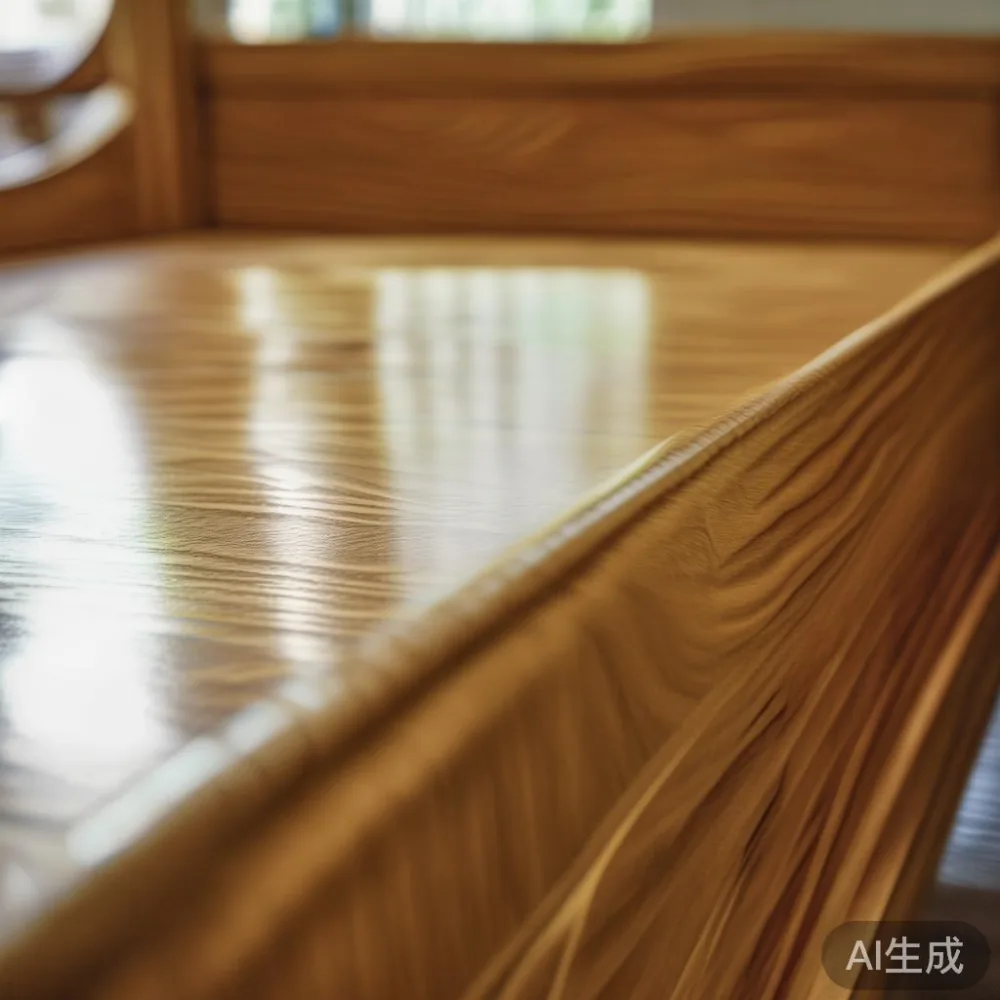
Why does a tropical climate punish lacquered kids bed surfaces more than temperate ones?
A lacquered kids bed in Tampines, Bedok, or Punggol deals with three stresses at once: relative humidity that sits between 78% and 92% on most afternoons, indoor temperatures around 27–31°C, and UV that sneaks through north-facing windows even on cloudy days. Lacquer — usually a nitrocellulose or modified polyurethane film between 60 and 120 microns thick — is hygroscopic. It absorbs and releases moisture, micro-swelling every time your air-con cycles off. Over 12 months, that’s hundreds of micro-swells, and the first signs are usually micro-pinhole cracks on flat panels of the headboard or the footboard rail.
Add the playful reality of a kids bed — sticky fingers, crayon marks, spilled Ribena, and the occasional leap from the side rail — and the surface starts losing its gloss within a season. The good news: with a 15-minute weekly routine, a quality lacquer finish on a solid wood kids bed can hold its mirror sheen for 8–12 years before it ever needs a re-coat.
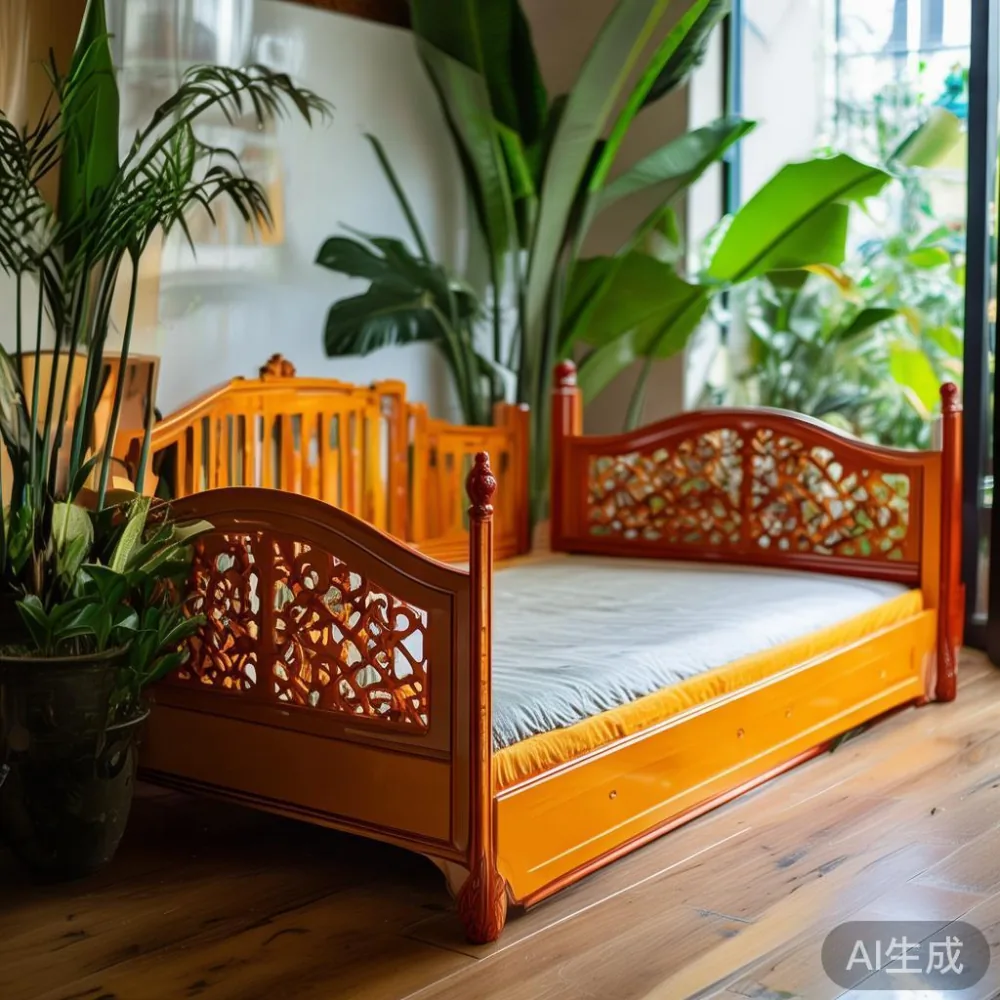
What is the right weekly routine for a lacquered kids bed in an HDB or condo?
Stick to a short, repeatable routine, not a long one. Over-cleaning with the wrong product strips the wax or polymer top coat and leaves the underlying lacquer exposed.
Weekly (every 7 days): Dust with a dry microfiber cloth (GSM 220–300), working in the direction of the wood grain. Then wipe with a barely damp — never dripping — cloth using plain distilled water. Distilled matters: Singapore tap water contains roughly 60–120 mg/L of dissolved minerals, and those minerals leave a dull film on glossy lacquer after about ten wipes.
Monthly: Apply a thin layer of non-silicone paste wax (about a 5-SGD tin from hardware shops in Tampines Hub or an IKEA Alexandra restock) using a soft cotton cloth. Buff off after 8 minutes. Wax fills micro-pores and slows moisture exchange by roughly 30–40% in lab tests run on similar finishes.
Quarterly: Inspect the headboard, footboard, and the two side rails where small hands grip. Look for dull patches, whitening at edges, or any tackiness. Tackiness means the lacquer is absorbing humidity faster than it can off-gas — usually a sign your dehumidifier setting needs adjusting.
Annually: Consider a professional touch-up. MIDHILL, for example, ships spare lacquer cans matched to batch codes for owners of their solid wood furniture lines, and their team can talk a local finisher through a patch repair over WhatsApp in roughly 10 minutes. A typical on-site re-lacquer for a single kids bed headboard in Singapore runs S$120–S$220.
Which cleaning products are safe on a lacquered kids bed, and which ones ruin the finish?
The simplest rule: if a product costs less than S$6, contains ammonia, vinegar, lemon, or silicone, or is marketed as “all-purpose kitchen,” keep it away from a kids bed.
Safe options:
- Distilled water with a drop of pH-neutral dish soap (pH 6.5–7.5), used sparingly and buffed dry within 60 seconds.
- A dedicated lacquer polish from a brand like Howard or Guardsman — usually S$14–S$22 a bottle, lasting roughly 14 months on a single kids bed.
- Microfiber cloths, laundered without fabric softener (softener leaves a residue that smears on lacquer within 3–4 wipes).
Damage in a single use:
- Vinegar-based “eco” sprays etch the lacquer surface within 20–30 seconds, leaving a permanent dull halo.
- Silicone polishes (many aerosol “furniture shine” cans) build up over 4–6 weeks and create a hazy film that resists future re-coating.
- Magic eraser-type melamine sponges scuff through 5–8 microns of lacquer per stroke — visible after 6–8 strokes on a glossy kids bed headboard.
If a crayon mark or sticker glue appears, lift it with a cloth barely moistened with isopropyl alcohol (70%), then immediately wipe with distilled water and dry. Total contact time should be under 10 seconds.
How do you control humidity around a lacquered kids bed without running the air-con 24/7?
You don’t need to. You need to manage three numbers: indoor relative humidity (RH), distance from the wall, and air circulation.
Target RH: 50–60%. Singapore’s outdoor RH averages 82%, so even with the air-con off at night, you’ll cross 70% in most bedrooms. A small dehumidifier rated at 10–12 L/day (typical S$179–S$249 units from Gain City or Best Denki) holds a 12 m² bedroom at 58% RH on its lowest setting, drawing about 0.18 kWh. Run it on a plug timer for 4 hours overnight and you’ll add roughly S$4 to your monthly bill.
Distance from wall: Pull the kids bed 8–10 cm out from the wall. HDB and condo walls in newer BTOs are reasonably sealed, but micro-condensation still forms on the back of wardrobes and bed headboards where airflow is zero. An 8 cm gap allows enough convection to keep the rear lacquer surface within 2°C of the front surface.
Air circulation: A 25 cm desk fan on low, oscillating, pointed across (not directly at) the kids bed moves enough air to prevent the stagnant boundary layer that causes “lacquer blush” — those whitish halos that show up after a humid night.
If you own matching lacquered pieces — say a nightstand or a small side table — apply the same 8 cm rule. Pieces pushed against each other trap humidity between them and develop ring marks within 6–8 months.
How should you handle spills, sweat, and the small accidents kids actually cause?
Sweat is the silent killer of lacquered kids bed headboards. A child sleeping 9–10 hours presses a cheek, neck, and hand against the same 30 × 40 cm area every night. Body oils and salts migrate into the lacquer over 2–3 years, leaving a permanent yellow tint.
Fix it before it becomes permanent: wipe the headboard contact zone with a barely damp microfiber cloth every Saturday morning. Dry for 60 seconds. Once a month, follow with a dab of paste wax. This 90-second habit is the difference between a kids bed that looks new at year five and one that needs a full re-lacquer at year three.
For spills — Ribena, Milo, fruit juice:
- Blot, don’t wipe. Wiping spreads the sugar and acids across the lacquer.
- Wet a microfiber cloth with distilled water, wring until it doesn’t drip, and press onto the spot for 15 seconds.
- Repeat with a clean section of the cloth.
- Dry with a second cloth. Air-drying leaves mineral spots.
If a sticky residue remains, use the 70% isopropyl alcohol method described above. Avoid anything stronger — acetone and lacquer thinner will dissolve the finish in under 5 seconds.
Is Post-modern nightstand furniture worth it?
Yes — if the nightstand is built on a solid wood substrate and finished with the same multi-coat lacquer as your kids bed, a post-modern nightstand is worth the small premium because it gives you a matched surface system that ages at the same rate, simplifying your care routine and protecting resale value for the room set. Post-modern nightstand furniture, in the French light luxury interpretation, leans on slim 4–6 cm profiles, rounded bevels, and a restrained palette (warm white, taupe, or muted green) that hides the micro-fingerprints kids leave on glossy edges. In an American light luxury reading, the same piece might use a thicker 7–8 cm top, a single soft-close drawer, and brushed brass pulls — still restrained, just with a heavier visual weight.
For a kids room, choose a nightstand roughly 45–55 cm tall (within 5 cm of the kids bed mattress height), with the back finished in lacquer rather than raw plywood. That detail matters: unfinished backs absorb humidity from the wall cavity and bow inward within 18–24 months in a Punggol or Bedok flat. Expect to pay S$420–S$780 for a well-built solid wood post-modern nightstand in Singapore, with delivery in 14–21 days from regional Foshan warehouses.
How does a lacquered kids bed survive a move up the lift or along the corridor?
Singapore HDB and condo logistics are tight. Typical HDB passenger lifts in a Tampines or Bedok block measure about 1.1 m wide × 1.4 m deep × 2.3 m tall, and corridors run 1.2–1.5 m wide. A kids bed headboard taller than 95 cm usually needs to be removed and carried flat, not tilted. Lacquer is hard but brittle — a 2 mm impact against a metal lift door can chip it.
Three habits prevent damage during moves:
- Wrap headboard and footboard in 5 mm foam plus a layer of moving blanket, taped (not stuck — tape adhesive pulls lacquer off within hours).
- Carry side rails vertically through the lift; never drag them.
- Re-tighten all bed bolts after 7–10 days. Solid wood expands and contracts with humidity swings of 5–8% during the first week in a new location, and loose joints concentrate stress on the lacquered surface near the bolt holes.
If you’re buying a kids bed from MIDHILL or a similar Foshan maker, ask whether the seller offers disassembly and re-assembly service in Singapore. Most charge S$80–S$160 for a standard kids bed, including GST, and the work is usually done within 90 minutes by a two-person team.
What does long-term ownership of a lacquered kids bed actually look like in Singapore?
Think of lacquer care as four predictable phases across roughly 12 years:
- Year 1: Settling. Minor expansion of the solid wood substrate. Re-tighten hardware at 3 months and 9 months. Wipe weekly.
- Years 2–4: The "kid years." Expect 2–4 small marks on the headboard. Spot-repair with the alcohol method described above.
- Years 5–8: The "teen transition." The kids bed may convert to a daybed or be reassigned. Full re-wax annually. RH control matters most here.
- Years 9–12: A full re-lacquer refresh by a professional. Budget S$280–S$450 for a complete kids bed re-lacquer, or take advantage of lifetime refinishing programs offered by makers such as MIDHILL on their solid wood furniture lines, which can reduce the cost to roughly S$120 in materials plus shipping.
Throughout all four phases, three numbers matter more than any product you buy: indoor RH between 50–60%, surface temperature below 30°C, and direct sunlight exposure below 2 hours a day. A S$12 hygrometer from a Bedok Mall electronics stall beats any fancy polish on the market.
Quick checklist before you commit to a lacquered kids bed in a tropical home
Run through these ten points before you click buy or sign a delivery order:
- Confirm the substrate is solid wood (kiln-dried to 8–12% moisture content), not MDF or particleboard.
- Ask for the lacquer system: nitrocellulose, modified PU, or UV-cured acrylic. UV-cured acrylic is the most scratch-resistant but the hardest to spot-repair.
- Check batch codes so future touch-ups match color.
- Measure your lift and corridor. Headboard height under 95 cm usually moves in one piece.
- Confirm delivery includes GST and that the total crosses any free-shipping threshold (most regional sellers, including MIDHILL, offer free delivery above US$350, roughly S$470).
- Ask about warranty terms — 10 years on structure is industry-standard for a quality solid wood furniture maker.
- Order a 200 ml tin of matched touch-up lacquer at the same time. It costs roughly S$18–S$32 and saves a S$220 service call later.
- Buy a small dehumidifier and a hygrometer before the bed arrives.
- Plan the 8 cm wall gap and the airflow path.
- Set a Saturday morning reminder for the 90-second wipe-and-wax habit.
That last point is the one that actually determines how the kids bed looks at year ten. The other nine just remove avoidable mistakes.