What Actually Drives the Price of Solid Wood Kids' Beds?
For parents in Singapore working through the unique layouts of HDB flats and condos, from the wide corridors of Tampines to the compact spaces of Punggol, choosing furniture is a practical and financial decision. A solid wood kids bed is often seen as a significant investment, promising durability and timeless style. But why does one kids bed cost SGD 800 while another, seemingly similar one, is priced at SGD 3,500? The difference isn't just a brand name or a pretty finish; it's a complex interplay of factors that determine the true value of a piece of furniture. As a specialist who has visited workshops in Foshan and examined countless pieces, I can tell you that the story behind the price tag is far more interesting than you might think.
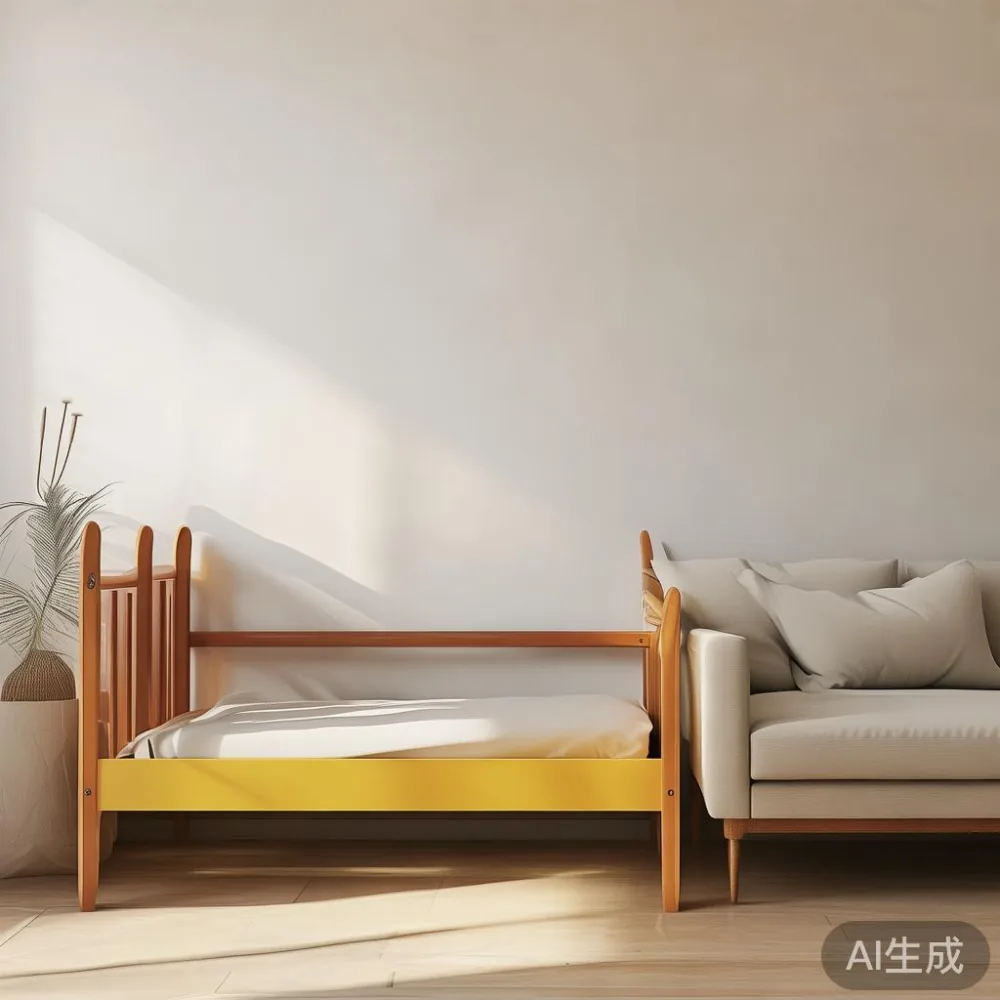
Why is a Solid Wood Kids Bed More Expensive Than a Veneered One?
The most fundamental reason for the price difference between a solid wood kids bed and its veneered counterpart lies in the raw material itself. Solid wood, as the name implies, is a single, continuous piece of timber. For a kids bed, this means the entire frame, from the headboard and footboard to the side rails, is carved from one solid block or carefully joined planks of the same wood species. This integrity translates to superior strength and longevity. A veneered kids bed, on the other hand, uses a thin layer of real wood (the veneer) glued over a core of engineered wood like MDF (Medium-Density Fibreboard) or particleboard. While a well-made veneer can look beautiful, its core is susceptible to moisture damage and warping over time, making it less durable for a high-use item like a kids bed.
Consider the weight and feel. A solid oak kids bed will feel substantial and dense, weighing perhaps 45-50 kg. A veneered MDF kids bed of similar dimensions might weigh only 25-30 kg. This difference in material directly impacts the manufacturing process. Solid wood requires more powerful machinery for cutting, shaping, and sanding. It demands skilled craftsmen who understand how to work with the wood's natural grain and potential imperfections. The raw material cost for solid wood is also inherently higher, especially for desirable, durable species like oak, walnut, or teak. When you pay more for a solid wood kids bed, you are paying for the integrity of the material from the very beginning.
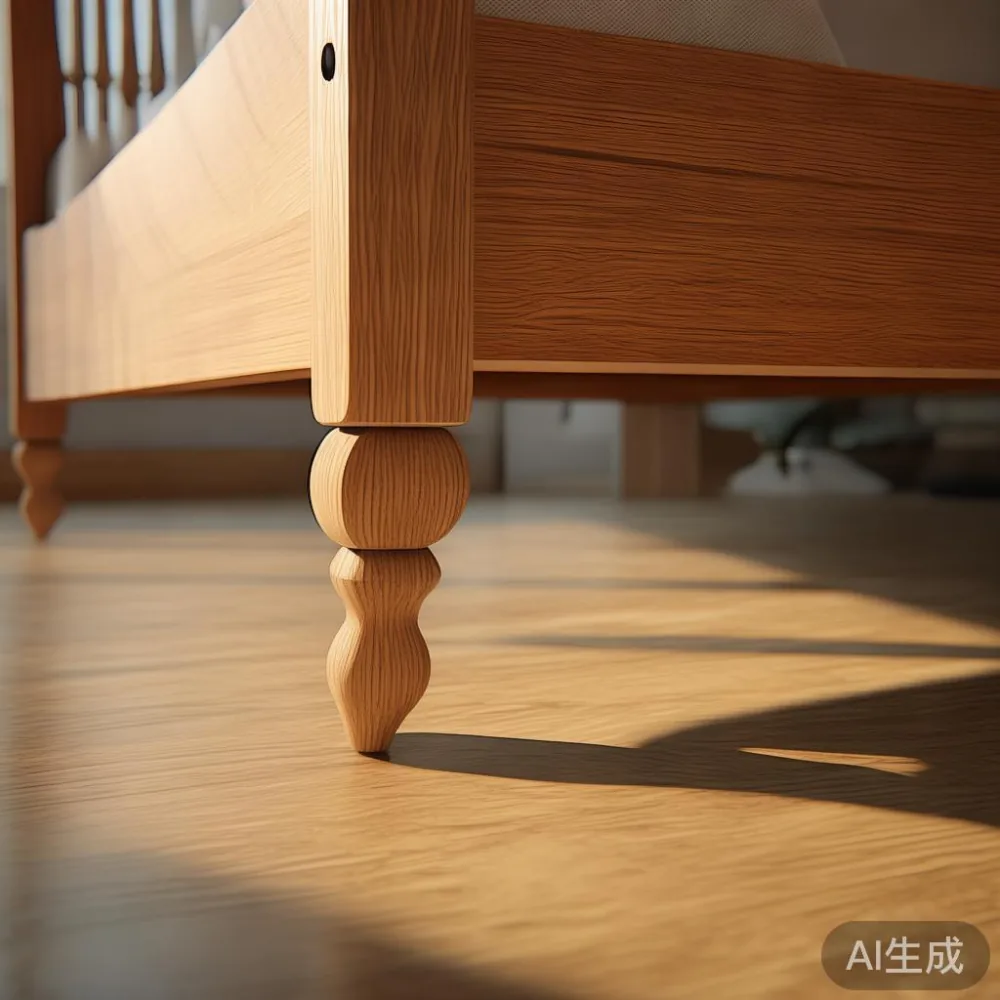
How Does Wood Species Impact the Cost of a Kids Bed?
Not all solid wood is created equal, and the choice of wood species is a primary driver of a kids bed's price. The cost varies based on availability, growth rate, and the specific properties of the wood. For example, rubberwood is a popular and cost-effective choice for kids beds. It is a sustainable byproduct of the rubber industry, grows relatively quickly, and takes well to stains and finishes. A kids bed made from solid rubberwood might be priced around SGD 1,200 to SGD 1,800.
At the other end of the spectrum is solid American white oak. Oak is a dense, heavy hardwood known for its exceptional strength and beautiful, prominent grain. It takes much longer to mature, making it more expensive. A kids bed crafted from solid oak will naturally command a higher price, often starting from SGD 2,500 and going up depending on the design and craftsmanship. The choice isn't just about cost; it's about performance. Oak is incredibly resistant to dents and scratches, a practical consideration for a piece of furniture that will endure years of use, potential sleepovers, and the enthusiastic play of a child. The price difference reflects the superior durability and longevity you are investing in.
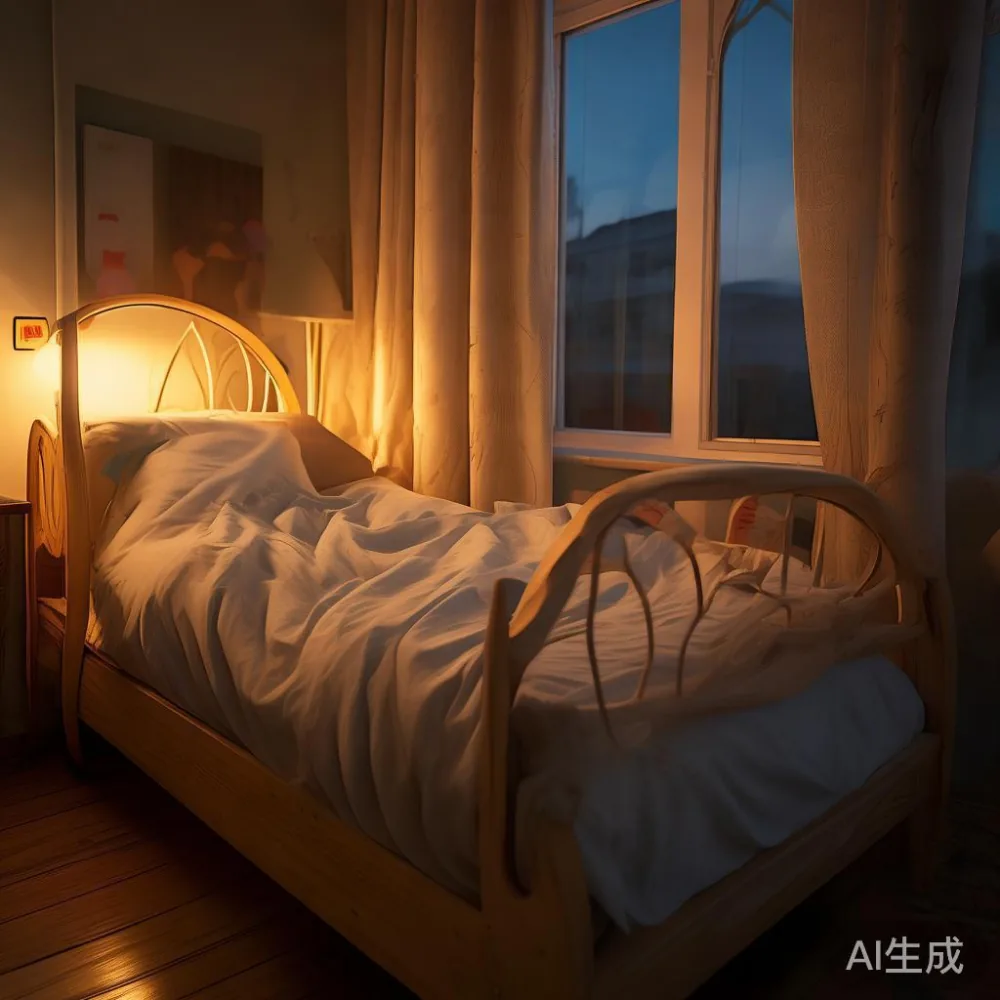
Why is Handcrafted Kids Bed Furniture More Expensive Than Mass-Produced?
Visit a large-scale furniture factory, and you'll see a world of automation. CNC machines cut pieces with millimetre precision, robotic arms apply glue, and conveyor belts carry parts through drying ovens. This mass-production model is efficient and allows for lower price points, but it often lacks a human touch. A handcrafted kids bed tells a different story. In a workshop like those run by Foshan furniture makers, skilled artisans use a combination of traditional hand tools and modern machinery. A carver might spend an hour shaping the detailed legs of a kids bed, ensuring each one is unique and perfectly balanced. A finisher might apply five coats of lacquer by hand, sanding between each layer to achieve a glass-smooth, deep sheen.
This labour-intensive process is the main reason for the higher cost. Each handcrafted kids bed is a piece of functional art, built with an attention to detail that is impossible to achieve on an assembly line. The joinery, such as dovetail joints in the drawers or mortise-and-tenon joints in the frame, is often done by hand, creating connections that are stronger and more aesthetically pleasing than machine-made staples or screws. When you pay a premium for a handcrafted kids bed, you are paying for the time, skill, and passion of the craftsman who built it. Last month, I visited a small family-run workshop in Foshan where the owner, a master carpenter with 25 years of experience, personally inspected every single kids bed before it was shipped. This level of quality control is a hallmark of true craftsmanship.
What About Design, Finishes, and Additional Features?
The final price of a kids bed is also shaped by its design complexity and the quality of its finish. A simple, clean-lined kids bed with a straightforward natural oil finish will be less expensive than a kids bed featuring intricate carvings, a multi-step painted finish, or integrated features like storage drawers or a pull-out trundle.
For instance, a kids bed with a French light luxury aesthetic might feature elegant, curved headboards, delicate mouldings, and a soft, creamy white paint finish. Achieving this look requires multiple layers of paint, careful sanding between coats, and a skilled eye for colour blending. A post-modern light luxury kids bed might incorporate materials like a marble table top for a nightstand, adding significant cost due to the material and the precise fabrication required. Even the hardware plays a role. Solid brass or stainless steel drawer slides and handles on a kids bed will last a lifetime and operate smoothly, whereas cheaper alternatives can corrode or break. These design choices and material upgrades are what improves a basic kids bed into a statement piece of furniture.
Is a More Expensive Kids Bed from a Reputable Maker Really Worth It?
This is the question every parent asks. The answer lies in the total cost of ownership and peace of mind. A cheaper kids bed might seem like a bargain initially, but it can become a source of frustration. Imagine an MDF kids bed sagging in the middle after two years, or a veneer peeling at the corners due to Singapore's humidity. Replacing a kids bed every few years ends up costing more in the long run than investing in a high-quality one from the start.
Reputable makers, like those with a 10-year structural warranty, stand behind their products. This warranty isn't just a marketing gimmick; it's a reflection of the confidence they have in their materials and construction. It covers defects in the wood, joints, and frame, ensuring your kids bed remains safe and sturdy for a decade. Beyond the warranty, consider services like lifetime refinishing. A solid wood kids bed can be sanded and refinished multiple times, allowing it to look brand new as your child grows. This extends the life of the furniture indefinitely, a feature that is impossible with a veneered piece. Free shipping over SGD 350 is another practical benefit that saves you money and hassle, especially when dealing with the large, often awkwardly shaped boxes that furniture comes in. A 14-day return policy provides a safety net, allowing you to confirm the kids bed fits perfectly in your home, from the width of your HDB corridor to the height under the ceiling.
When you factor in the cost of delivery, potential repairs, and the shorter lifespan of cheaper furniture, the initial price difference narrows significantly. Investing in a well-made kids bed is an investment in your home's aesthetic, your child's comfort, and your own convenience. It’s a piece that can be passed down, or even repurposed into a stylish sofa or nightstand years later. For parents in Singapore looking for Modern light luxury for apartment living, a kids bed that balances beautiful design with uncompromising quality is the smartest choice for a growing family.