Humidity and Solid Wood Furniture: A Practical Guide for Singapore Homes
Singapore’s warm, humid climate can change the dimensions, finish and movement of solid wood furniture, especially in a kids bed that is used every day. Air moisture levels near the coast can rise quickly during the monsoon periods, while air-conditioned HDB flats and condos create alternating cycles of cool, dry air and warm, humid air. The result is not simply an aesthetic issue. Timber expands as it absorbs moisture, contracts as it loses moisture, and reacts more noticeably at joints, edges and finished surfaces.
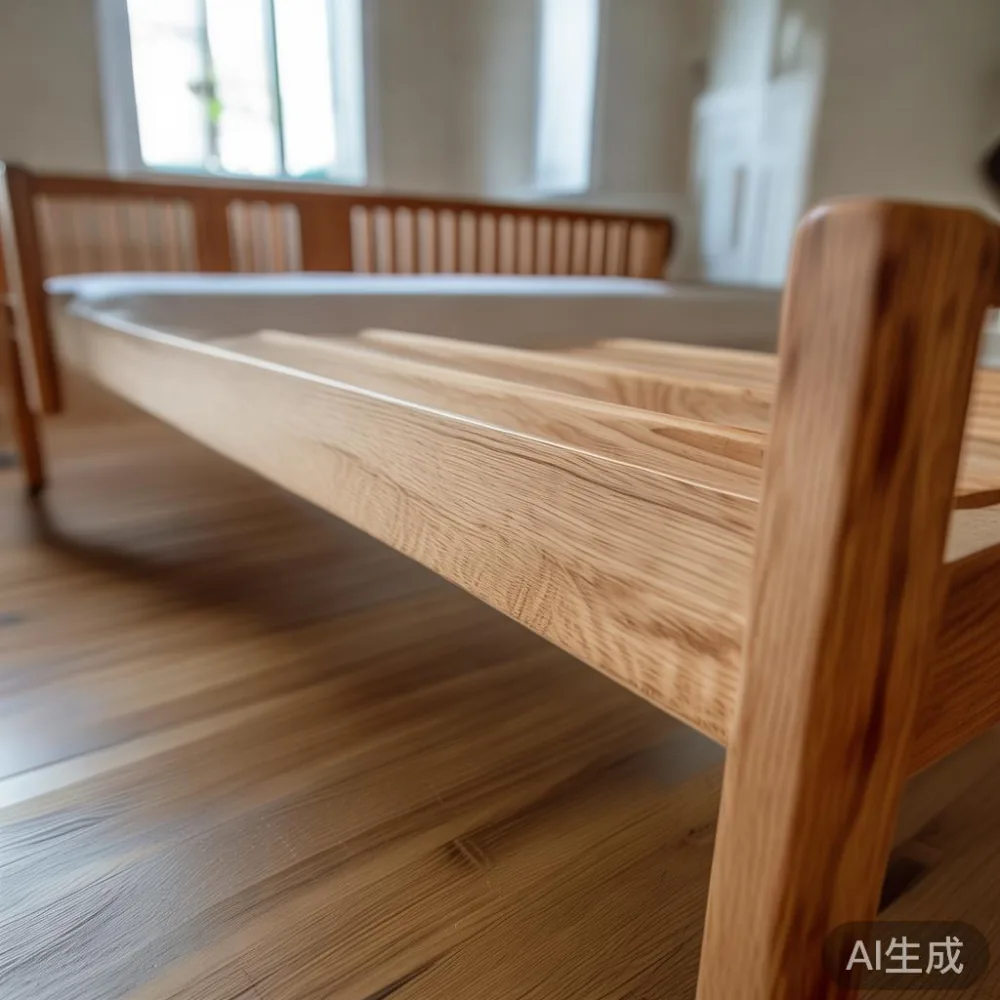
This guide explains how humidity affects solid wood furniture in places such as Tampines, Bedok and Punggol. It also covers practical ways to protect a kids bed, solid wood sofa, bed frame, dining table, wardrobe, nightstand and marble table without treating furniture as a scientific laboratory. The numbers below refer to indoor conditions around 22–30°C and relative humidity around 50–75%, with occasional short periods above 80%.
How much does humidity affect solid wood furniture in Singapore?
Wood contains bound moisture, and its response depends on species, thickness, finish and construction. A solid bed frame may show seasonal movement of about 1–3 mm across a 150–200 cm span, while a thinner solid wood dining table can move around 1–2 mm over a 180 cm length. These are normal dimensional changes, not automatically defects. Larger movements can occur when furniture is delivered into a very dry room, then placed beside a window or air-conditioning vent that receives humid outdoor air.
Relative humidity is measured as a percentage. A room at 60% RH gives the air 60% of the moisture capacity it could hold at the same temperature. Around 50–65% RH is a comfortable target for most wooden furniture and for children’s rooms. Singapore often sits above this range for hours, particularly between May and September, although the exact figures vary by weather, apartment level and ventilation.
Some woods are more stable than others. Kiln-dried oak, ash, rubberwood and similar materials are commonly used for durable interior pieces, but every species still responds to moisture. A quality maker should specify appropriate drying, machining and finishing methods. MIDHILL has manufactured solid wood furniture since 2008, and its 10-year structural warranty reflects the importance of sound joinery and production control. That warranty does not remove the need for sensible indoor care, because an unsuitable environment can affect a finish long before a structural joint fails.
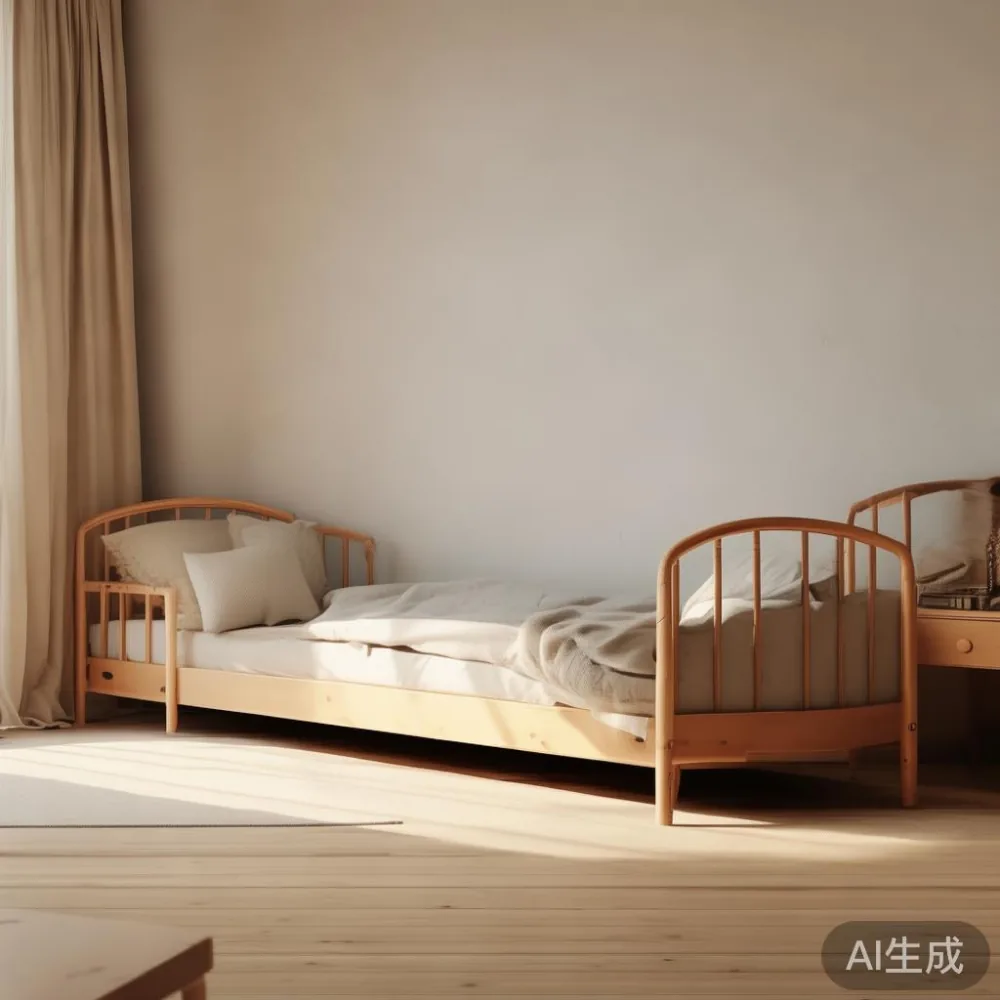
The location of the home matters as well. A ground-floor unit near a planted area may experience greater humidity than a high-floor condo with regular air-conditioning. Bathrooms and kitchens should be separated from timber storage areas. For a kids bed, allow ventilation around the headboard and footboard, and avoid placing it directly against an exterior wall where condensation and temperature changes are strongest.
What humidity does to a kids bed?
A kids bed experiences more than ordinary bedroom furniture. Children climb on the frame, sit on the edge, leave damp bath towels nearby and create frequent changes in room temperature. A mattress also releases moisture overnight. If a solid timber base is enclosed underneath with no ventilation, the trapped air can remain above 75–80% RH even when the rest of the room is at 60%.
Watch for a small gap of roughly 0.5–1 mm between the slats, a faint rubbing mark where a slat touches the rails, or a drawer that feels slightly tight during humid evenings. These signs often indicate normal movement, but persistent gaps of more than 3 mm, loose joints or deep cracks deserve attention. Do not force a swollen drawer or clamp a moving frame aggressively. Reduce the moisture source first and let the timber return gradually.
For a child’s room, keep indoor RH near 50–65% where possible. A basic hygrometer costs about SGD 12–35 and makes a more useful purchase than guessing from a damp hand on the wall. Position it near the kids bed but away from direct air-conditioning airflow. In a typical HDB flat, curtains should be closed during a sudden rainstorm, while windows can be opened briefly when outdoor humidity and temperature are lower.
Bedding deserves attention too. Washable cotton sheets and a mattress protector can reduce moisture transfer. Leave around 10–15 cm of clearance below window sills where practical, and avoid draping thick blankets over the footboard during the day. If the room remains above 70% RH for several days, use dehumidification rather than relying on the air conditioner alone. Small desiccant packs can help in closed cupboards, although they are less effective in an open room.
When selecting a kids bed, look for solid timber rails, properly secured slats, rounded edges and a finish that can tolerate repeated wiping. Lightweight construction can be sensible for children aged 3–8, but low weight should not mean thin or unstable parts. Check that the completed frame fits the intended mattress, for example a 90 × 190 cm mattress on a compatible 95 × 200 cm bed, and measure the lift or stairwell before ordering.
Can humidity damage a solid wood sofa, dining table or wardrobe?
Yes, but the outcome depends on timing and construction. A solid wood sofa with exposed legs may show tiny changes in leg length or rail alignment. A dining table can develop a visible line where the grain moves around a joint. A wardrobe can bow slightly if its back panel is thin, poorly fixed or exposed to a persistent moisture source. None of these effects should be confused with timber being “spoiled” simply because it breathes.
The finishes used on a solid wood sofa, bed frame, dining table, wardrobe, nightstand and marble table also respond differently. Water-based coatings allow some vapour movement and can show a pale bloom under rapid humidity change. Film-forming finishes may initially look more resistant but can show fine surface marks if moisture sits beneath the coating. Marble is not affected in the same way as timber, yet its adhesives, support frames and cabinet doors still need stable surroundings.
Humidity can also affect the adhesives used in engineered components, even when the visible surfaces are solid wood. Stable construction reduces the gap between board and frame, while excessive moisture can cause swelling around screws and fittings. Do not place a wardrobe directly against a wet exterior wall, especially in a ground-floor Punggol unit with known condensation. Use a 20–30 mm separation where possible and check the wall for dampness before delivery.
How should Singapore families measure and control indoor humidity?
Begin with a room-by-room reading rather than a single number. Place a hygrometer at about waist height and record readings at 8 a.m., 2 p.m. and 8 p.m. for 7 days. A useful target is 50–65% RH, with temporary peaks tolerated during showers or monsoon weather. A reading above 70% for more than 12 hours deserves corrective action; above 80%, move moisture-sensitive furniture away from the source and inspect for leaks or condensation.
Air-conditioning lowers both temperature and humidity, but a thermostat set at 24°C does not guarantee 60% RH. A portable dehumidifier can be more direct. Units with a rated extraction of 12–20 litres per day are suitable for a room of roughly 15–25 m², subject to the manufacturer’s test conditions. Expect actual performance to vary with inlet temperature and humidity. A bedroom may need less capacity than a living room, while a walk-in wardrobe area may need a small unit or desiccant cartridge.
Ventilation is most effective when outdoor air is drier than indoor air. During heavy rain, outdoor RH can exceed 85%, so opening windows at that moment may add moisture. During a drier morning or afternoon, brief cross-ventilation can clear accumulated dampness. Run exhaust fans in bathrooms and kitchens, clean condensate trays, and keep furniture at least 30–50 cm from a floor-level cooling unit or wall where possible.
Cleaning is equally important. Use a lightly damp cloth with pH-neutral soap, then dry the surface immediately. For a dining table, remove rings rather than leaving a wet cloth overnight. Avoid silicone-based furniture polish unless the finish manufacturer approves it. Keep cleaning liquids away from joints and end grain, which absorb moisture faster than broad flat surfaces.
Is a light luxury wardrobe worth it in a humid Singapore home?
For a family expecting the wardrobe to remain for 10 years or more, the question of whether is light luxury wardrobe worth it depends on internal construction as much as appearance. A well-made wardrobe can offer useful drawer travel, soft-close runners, adjustable shelving and a finish coordinated with a solid wood bed frame. In a humid setting, inspect the back panels, corner joints and hanging rails, not only the decorative doors.
French provincial styling remains useful when interpreted with restraint, particularly for a solid wood dining table or a bed frame with curved details. A French provincial for dining room arrangement should still include enough space for 60–75 cm around the table, proper leg clearance and a surface that can be wiped after humid family meals. The same principle applies to designer Italian light luxury furniture: the visual language may be formal, but everyday humidity control still matters.
For a modern apartment, compare light luxury sofa vs Modern sofa options by considering daily use rather than labels alone. A solid wood sofa with removable seat covers can be practical in a family home; a tightly upholstered version may be harder to clean. In an office, European light luxury for office furniture can include a solid wood dining table used for documents or a marble table for writing, provided the room is not exposed to persistent dampness.
Buyers searching for the best Minimalist wardrobe for 2026 should look for adjustable internal fittings, durable runners, labelled panels and clear ventilation gaps. Avoid overfilling hanging sections because clothes can restrict airflow and trap humidity. Allow at least 5–8 cm behind movable panels if the installation instructions call for it.
Will the delivery route affect a large solid wood package?
Often, yes. Singapore homes make access a practical part of furniture design. A HDB lift in an older Tampines block may have an internal door width of about 80–90 cm, while a condo lift may provide 100–120 cm. Corridors can narrow at turns, and a staircase may have a landing that cannot accommodate a long package.
Measure the route before a solid wood dining table or wardrobe leaves the workshop. Record the lift car dimensions, door width, corridor turns, threshold heights and the distance from the lift to the room. A boxed wardrobe panel 180 × 60 × 8 cm may fit a broad corridor but fail at a 75 cm doorway when turned on edge. Ask the supplier for the packed dimensions and weight rather than estimating from the assembled item.
Delivery usually takes 5–10 working days after production for stock-ready items, while bespoke finishes may require 20–40 days. Confirm the expected delivery window in writing. MIDHILL provides free shipping for orders over US$350, although the final Singapore quotation should be checked for local taxes, lift fees and access requirements. Singapore’s 9% GST may apply, so request an all-in figure in SGD where possible.
MIDHILL also offers a 14-day return window, subject to the stated product conditions. Keep the packaging until the furniture has been inspected. This is especially useful for a kids bed, where a parent can check stability, clearances and finish in the actual room rather than in a warehouse. A second delivery attempt for an access issue should be agreed before the first attempt.
How can a family maintain a kids bed for 10 years?
Start with the environment, then inspect the furniture. Check the relative humidity monthly, tighten or secure fittings only as specified, and look for movement at the joints. Avoid seasonal “maintenance” that involves tightening every screw. Timber naturally contracts and expands, and a rigid seasonal adjustment can damage an otherwise sound frame.
For a kids bed, use a fitted mattress protector, remove damp bedding before it penetrates the frame and keep the slats clear of pooled water. Clean the frame with a soft cloth and mild soap, never a soaking wet cloth. If a child spills juice on a nightstand or shared solid wood bed frame, absorb the liquid first, then wipe and dry.
Minor surface marks can sometimes be refinished. MIDHILL provides lifetime refinishing for eligible products, which can be valuable when a parent wants one kids bed to transition from toddler use to a larger child’s bed. Confirm what the service includes before purchase and ask whether hardware, finish colour and environmental conditions affect eligibility.
Watch the room after air-conditioning switches off. A fast temperature change may create condensation on a cold surface even when the overall RH reading is acceptable. Set the fan to auto or low, aim vents away from the bed and give the room 20–30 minutes to stabilise. A stable environment is easier to maintain than repeated damp-dry cycling.
Finally, choose the right scale. A children’s room with 8–12 m² of usable floor area may suit a 90–120 cm kids bed, while a compact 190 × 90 cm mattress can work in a larger bedroom. Maintain 55–75 cm of circulation space along the main side of the bed where possible, and at least 30 cm on the other side for a child’s nighttime route. These figures help prevent bumping, moisture traps and daily frustration.
Humidity does not make solid wood furniture unusable in Singapore. It does make careful selection and routine care more important. Measure the room, inspect the construction, choose a stable finish, control moisture near the furniture and allow timber to move naturally. With those habits, a kids bed or larger solid wood piece can remain part of the home for many years while retaining the character that makes wood furniture appealing.