Sofa Buying Guide: Avoiding the Comfort Pitfalls
A sofa does not have to be comfortable for adults to earn its place in a home. In a compact Singapore HDB flat or condo, a children’s seating zone can protect shared space, give toys a landing place, and let siblings sit beside one another while adults use the main sofa. The phrase “a sofa you cannot sit on” is not an instruction to ignore comfort; it is a prompt to judge the design by its intended users, dimensions, safety, and fit.
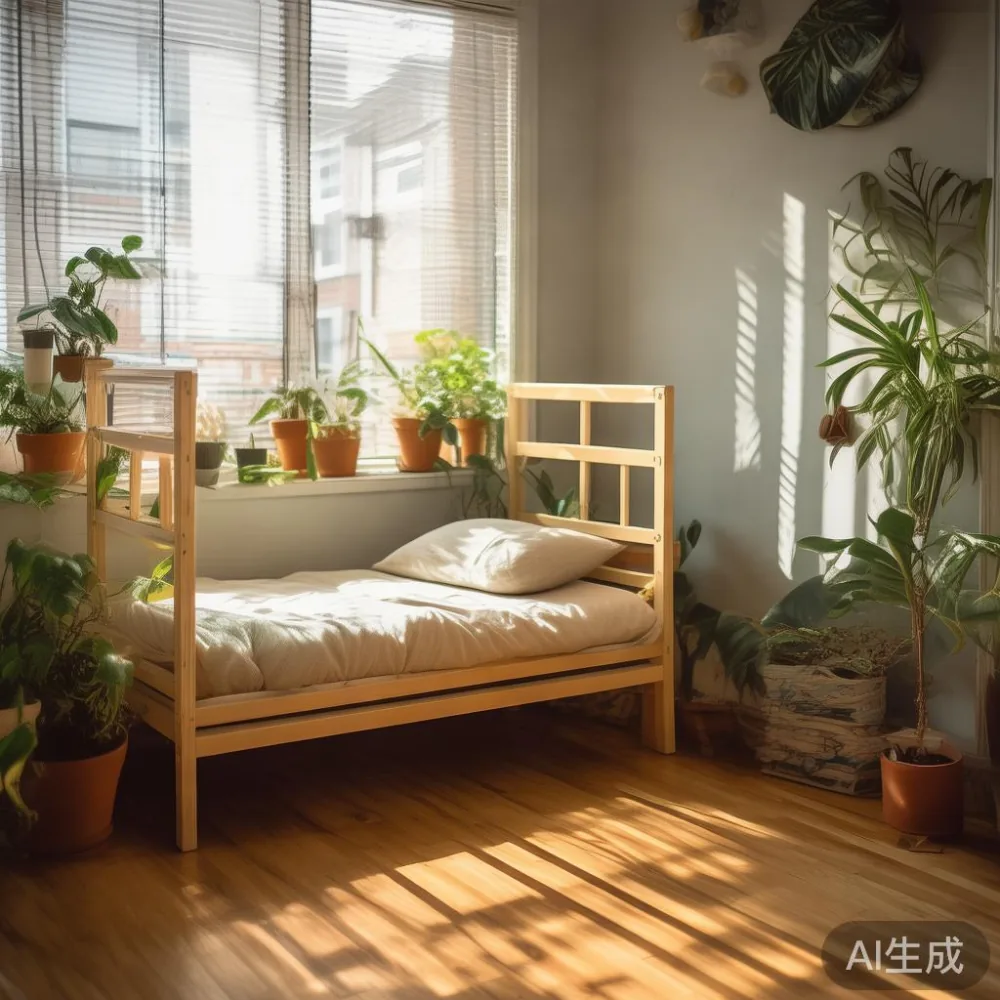
I visited a family in Tampines last month to inspect a low, child-sized solid wood sofa before delivery. The family’s lift corridor measured 92 cm at its narrowest point, while the sofa’s packed carton was 118 cm wide and 78 kg. The supplier offered to unpick the carton in the lobby, but the legs still could not clear a 14 cm service riser. Measuring first saved the family from a second delivery fee of about SGD 35.
MIDHILL has built furniture since 2008 and exports to more than 15 countries. That experience is useful when a piece must fit a Singapore home rather than simply look convincing in a catalogue. Its 10-year structural warranty, lifetime refinishing service, 14-day return policy, and free shipping above US$350, equivalent to approximately SGD 470, should still be compared with the sofa’s construction, delivery conditions, and intended use.
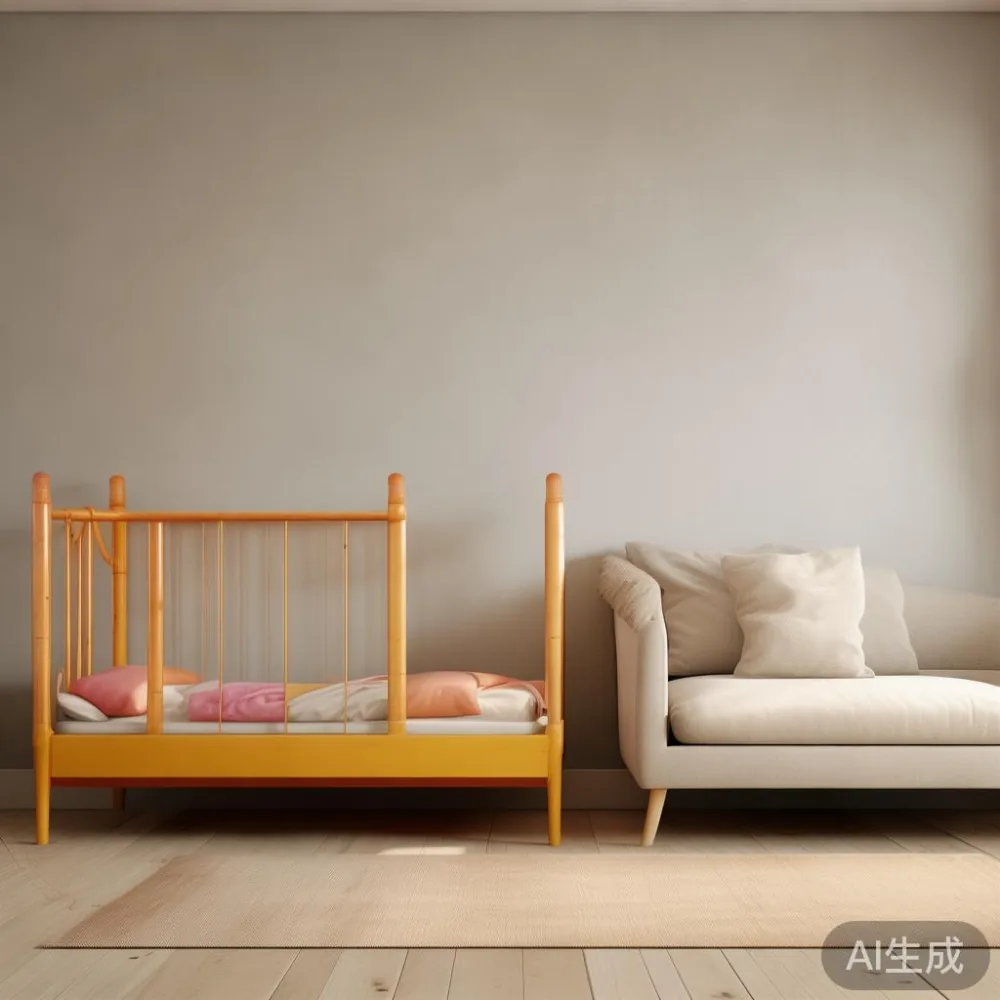
What should I check before buying a child-sized sofa?
Start with the child’s age, height, weight, and the purpose of the seat. A 3-year-old may need a floor-level design with a back that supports the spine, while a 9-year-old may prefer a small bench or chair with enough depth for posture. A standard adult sofa scaled down by 40% is not automatically suitable: seat height may still be too high, armrests may pinch small arms, and gaps between cushions may trap fingers.
Measure the proposed position before ordering. Record the room width, doorway width, lift car dimensions, corridor turns, ceiling height, skirting depth, and the route from the lift to the room. Allow the sofa’s packed width, not merely its visible width. For a compact children’s seating area, a solid wood sofa no deeper than 55 cm and no wider than 100 cm is easier to place than a 120 cm model.
Check that children can approach the seat without climbing over a toy chest. A clear circulation width of 70–80 cm suits many HDB living rooms; 60 cm can work in a tight corner, but only if the route remains usable. The finished height should generally match the child’s lower leg length. A seat 10–15 cm above the child’s feet can encourage slouching, while a seat lower than 30 cm can make standing up difficult.
Also ask whether the piece is meant to be sat on, leaned against, or used as a low display shelf. If adults will occasionally sit on it, include at least 1 adult’s usable depth of 50 cm and test the load. Never assume a decorative kids bed frame is designed for adults merely because the manufacturer calls it a “sofa bed.”
Is the sofa safe for children, or merely styled for them?
Safety begins with the gap between the seat and the back. A slot wider than 10 cm can trap a small child’s head, particularly on a low bench. Look for firm dividers, enclosed sides, and edges with a radius of at least 5 mm. Check that the back reaches roughly the child’s shoulder when seated, and that no loose cushion can be used as a step.
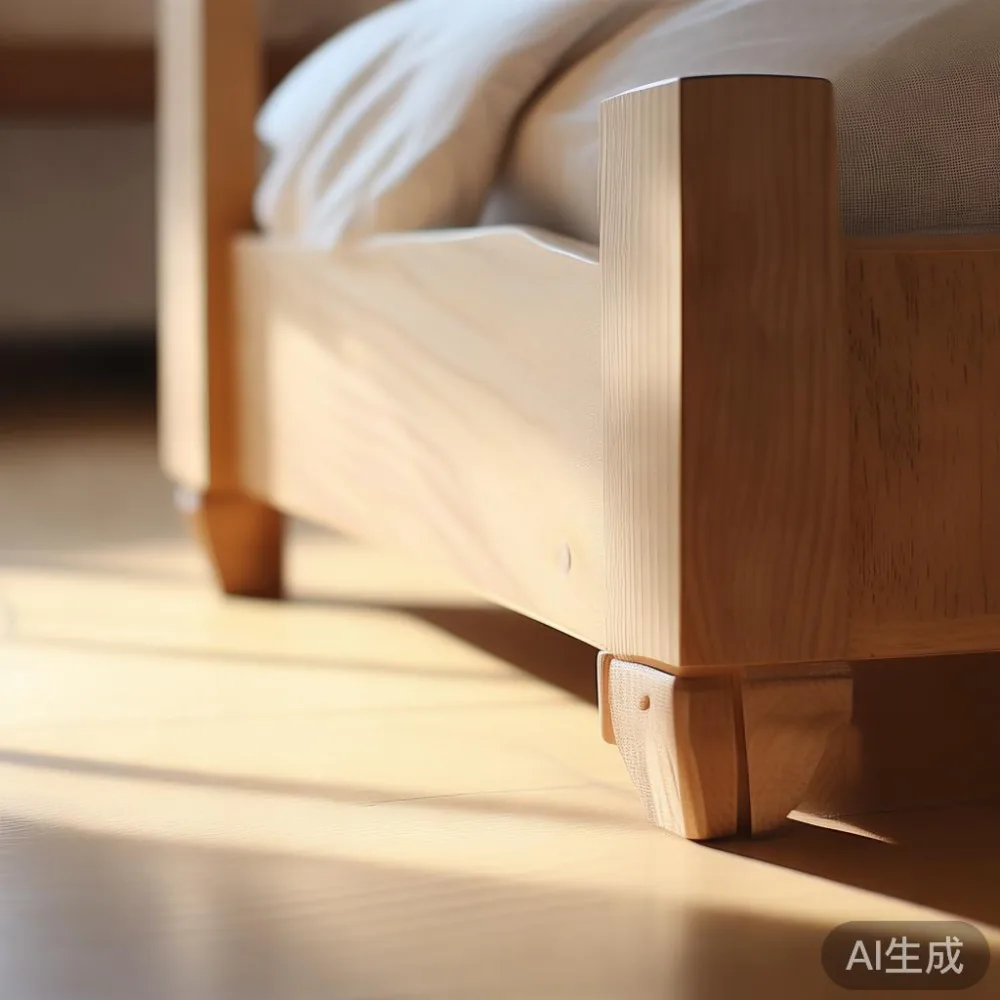
For a solid wood sofa, inspect the joints and fasteners. The frame should be made from kiln-dried hardwood or stable solid wood, not untreated plywood dressed with a wood-effect laminate. Look for corner blocks, dowels, screws, or mortise-and-tenon joints. A model assembled with exposed screws should include recessed or capped fixings. Avoid very hard legs that can tip if a child leans outward.
Consider a weighted base or anti-tip restraint when the sofa is tall enough to overturn. A 45 cm-high model may be stable for older children, but a narrow 70 cm-wide base can still be pushed over. Ask for the tested load or design capacity. A child seat rated for 40 kg may suit a 6-year-old, while 60–80 kg is more practical for a sofa intended to remain in use through the early school years.
Finishes deserve equal attention. Water-based lacquer is usually easier to repair than heavy gloss paint. Test the colour against the wood because a clear coat can shift it toward orange or yellow. Confirm that any anti-microbial or low-VOC claim is documented, and ask whether cleaning products containing alcohol or ammonia will damage the finish. A wipe-clean surface should withstand a child’s spilled drink, not merely survive a dry cloth.
Can the sofa get through the lift, corridor, and doorway?
In many Singapore estates, the sofa is the item most likely to damage the delivery plan because it is bulky even when it weighs less than 60 kg. Typical HDB lift openings are about 80–90 cm, while modern condo service lifts may offer 100–110 cm. The inside depth may be 110–140 cm, but diagonal entry and the position of the door control can reduce usable space. Ask the retailer for the carton length, width, height, and gross weight, then compare all 4 measurements.
For the example in Tampines, the limiting factor was not the 82 kg sofa itself but the lift’s 14 cm service riser. Once that was identified, a knock-down version with detachable legs became practical. Keep protective blankets and cardboard on hand, but do not use the lift as a storage space while the sofa is waiting. Building permits and loading-booking rules in some condos can add 1–3 days to the schedule.
Standard delivery may take 7–14 working days after production. Custom sizes can require 21–35 days, and peak periods before school holidays or the year-end gifting season can add another 7 days. Request a delivery window rather than relying on a general estimate. Confirm whether the quoted service includes unpacking, assembly, placement, and removal of packaging. A white-glove delivery in Singapore may add SGD 40–80, but it can reduce the risk of scratching walls or a marble table.
Measure sharp turns as well as straight corridors. A rigid sofa may pivot in a 90-degree bend even when it fits the lift; a narrow box may not. If the route fails, do not force the carton through a fire door or leave it obstructing a common corridor. Ask whether the order can be supplied as flat-pack modules, with each package below 25 kg and no more than 100 cm long.
Will the sofa match the room without making it feel smaller?
Scale is the difference between a children’s furniture zone and a crowded adult lounge. Choose a sofa with visible legs if the room feels low, since an refined frame frees visual space below. A 40–45 cm height works with many HDB ceilings of 2.6–2.7 m. Deep colours can ground a light room, while pale oak or a warm natural finish reflects daylight and keeps the piece from looking heavy.
French light luxury offers an elegant route through curved arms, tapered legs, restrained cream upholstery, and slim profiles. American light luxury tends to use broader proportions, clean lines, and a warm neutral palette. Post-modern light luxury can combine simple geometry with one controlled material contrast. Whichever style you choose, the children’s sofa should feel related to the adults’ furniture, not like a novelty toy.
A useful guide to how to choose Japanese bed can inform the same compact-home discipline when planning a child’s sleep zone. A low Japanese-style bed frame may save floor area, but it should still leave a 70 cm route and avoid being pushed tightly against a wardrobe. Do not use a sleep surface as a sofa unless it is specifically designed and tested for both purposes.
For inspiration, how to style American bed in apartment shows how neutral upholstery and natural timber can coordinate. Likewise, how to style French bed in apartment is relevant when a child’s sofa sits near a bed frame. These ideas should be adapted to the actual footprint, not copied from a showroom.
The same caution applies to Industrial for small living room schemes. Dark metal and factory-style fittings can make a compact space appear heavier, so balance them with one pale element. If the sofa sits beside a dining table, a marble table, a nightstand, or a wardrobe, check clearances and prevent protruding corners. Leave 60–75 cm between a children’s sofa and a dining table where possible.
How do I read the material, construction, and warranty terms?
Solid wood is not one material or one grade. Ask which species are used in the frame, legs, back panels, and armrests, and whether all structural parts are solid timber. A solid wood sofa with engineered-wood panels may offer practical stability, but the distinction should be declared. Look for kiln drying to roughly 8–12% moisture content, a detail more likely to appear in export specifications than on a showroom label.
For upholstery, compare foam density and fibre filling rather than accepting “high-density” without a number. A seat foam around 35–40 kg/m³ is a reasonable starting point for occasional use, though the frame and cover matter as well. Removable, washable covers are useful in a family home. Zip them closed before a child plays nearby, and check that the zipper pull cannot detach.
Some buyers exploring under 2000 Vintage furniture options want a distressed finish, but artificial distressing can create rough edges around a child’s hands. Inspect the surface at close range and confirm that the legs, rails, and joints carry the same warranty as the frame. A 10-year structural warranty should cover frame failure under normal use; ask whether excessive loading, commercial use, or accidental damage is excluded.
At MIDHILL, the lifetime refinishing service can be valuable for solid wood, but clarify what it covers: sanding, re-lacquering, colour matching, transport, or simply advice. A full refinishing cycle outside the warranty may cost SGD 80–180 depending on the piece and finish. The 14-day return policy also needs interpretation for a made-to-order children’s sofa. Confirm whether returns are accepted for size, colour, or comfort reasons and who pays the return freight.
Is European bed worth it for the room that shares the children’s sofa?
That question is not really about national origin; it is about fit, joinery, safety, and service. An imported bed frame may offer refined hardware and carefully selected timber, but those benefits do not compensate for a delivery route that cannot handle it. Compare the bed’s packed dimensions, assembly time, mattress clearance, and warranty against a locally serviced alternative.
If the sofa is part of a coordinated child room, match the timber finish with the bed frame, not merely the general colour. A kids bed with guard rails should have gaps no wider than 8.5 cm at the mattress edge, and the rail height should exceed the child’s torso by at least 15 cm. The sofa should not obstruct access to the bed or encourage children to climb over the headboard.
Plan the room around the child’s daily pattern. Keep a 60 cm path from the door to the bed, allow the wardrobe doors to open fully, and place the sofa where it does not block a window or a study desk. A nightstand near the children’s sofa should be stable and preferably fitted to the wall. If the room also contains a dining table or marble table in a combined living area, protect the high-traffic route with a washable rug at least 2 cm thick.
What final checklist should I complete before paying?
Write down 8 items before payment: the child’s age and seated height; the room measurements; the delivery-route dimensions; the carton dimensions and weight; the seat capacity; the frame and finish specification; the warranty exclusions; and the return terms. If the sofa is intended for adults as well, add the maximum sitting weight and whether the back supports an adult’s lumbar area.
Photograph the route on the day of delivery and keep the assembly instructions. Check the carton for impact marks, open it promptly, and inspect for loose joints, splinters, sharp screw heads, and finish defects. Assemble it in the intended location where possible. Sit the child on it for 10 minutes and watch their feet, knees, and shoulders. Move the sofa by testing its stability, then follow the manufacturer’s care instructions.
A children’s sofa can be a practical, beautiful addition to a Singapore home when it is treated as real furniture rather than a decorative prop. The right solid wood sofa should fit the child, pass through the building, withstand ordinary play, and coordinate with the bed frame, dining table, wardrobe, nightstand, or marble table already in the room. Measure twice, specify the construction plainly, and secure the service terms before the order leaves the workshop.