Caring for a Lacquered Kids Bed in Singapore’s Tropical Climate
A lacquered kids bed can look beautifully calm in a Singapore bedroom, but humidity, salt-laden air and frequent hand contact take a steady toll on the finish. At MIDHILL, we make lacquered kids beds with practical daily protection in mind, using solid wood where strength and stability matter. The same care is needed in a compact Tampines HDB flat, a Bedok condo or a Punggol home where the bed may sit close to an open window and a shared lift corridor.

Singapore’s climate calls for a simple care routine rather than constant intervention. Room temperature around 24–27°C and relative humidity near 50–70% are comfortable targets. If condensation forms on the lacquer, act promptly: moisture should not remain on the surface for more than 30 minutes. That measure helps protect the colour, sheen and joinery of the kids bed without turning maintenance into a full-time project.
Why Does Lacquer Behave Differently in Humid Weather?
Lacquer dries into a protective film over the solid wood. The film can handle normal use, but tropical humidity expands wood beneath it. Repeated expansion and contraction may eventually create microscopic changes in the sheen, especially along edges, drawer fronts and places where children push, climb or wipe the surface.
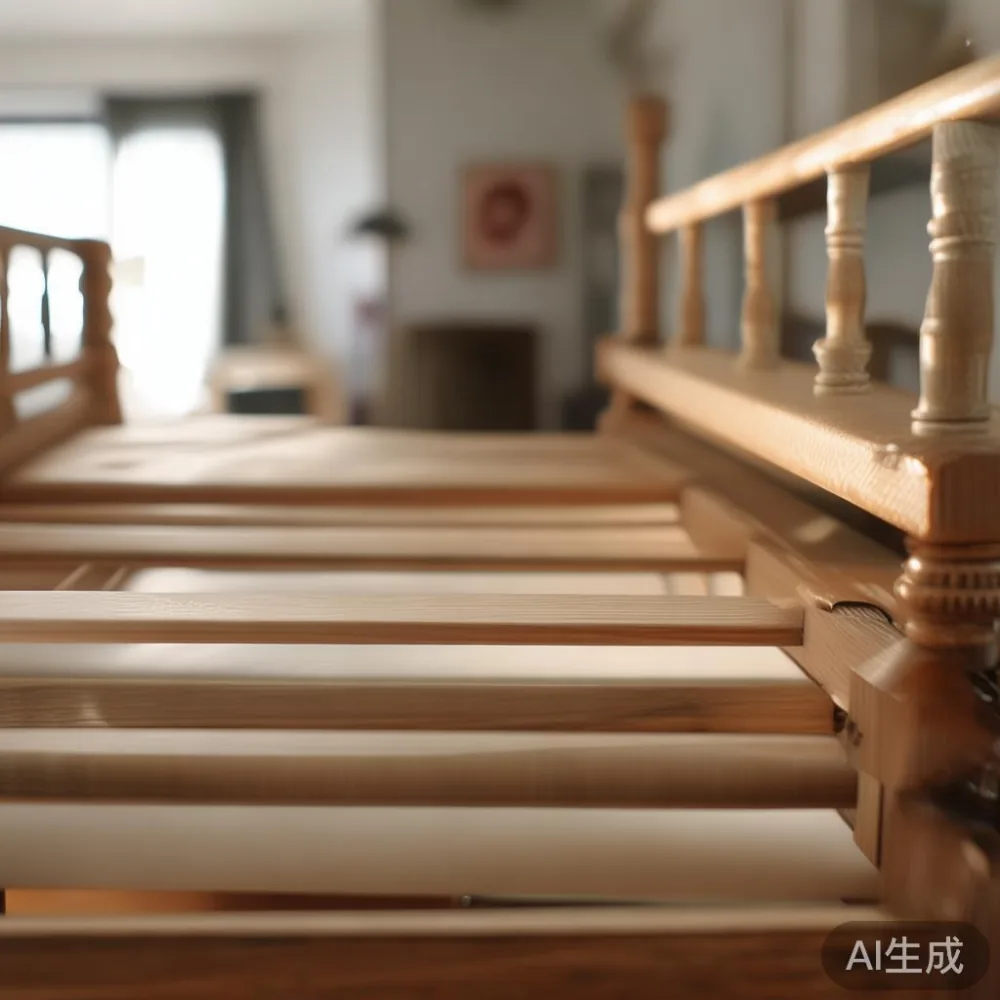
The problem is not humidity alone. Airborne salt in coastal Singapore encourages dampness to linger, while ultraviolet exposure can fade a warm oak or walnut tone. A kids bed placed within 1.5 metres of an open window may receive noticeably more light than one deeper inside the room. Direct sun can also raise the surface temperature by roughly 10–15°C during the afternoon.
Good lacquer care is about controlling four factors: water, sunlight, heat and abrasion. This matters whether the piece is a low platform bed, a raised bed with drawers or a bunk-style model. The term “kids bed” describes the product, but the care rules are similar across our lacquered children’s range.

What Materials and Cleaning Cloth Should I Use?
Use a clean, soft microfibre cloth with short fibres and no rough loops. A folded cloth roughly 20 × 20 cm is large enough for a drawer front and easy to control around edges. For general cleaning, lightly dampen it with plain water; the cloth should not drip. Wring it until only a faint sheen remains, then test a hidden 10 × 10 cm area first.
Keep household cleaners away from the lacquer. Most contain ammonia, alcohol, solvents, bleach or alkaline ingredients that can dull the film. Even a small spray used for a nearby dining table or marble table should not land on the bed. If a child has touched the finish with greasy fingers, wipe the area once with a barely damp cloth, then follow with a clean dry section of the same cloth.
For spills, act within 5 minutes when possible. Blot rather than rub, and do not place wet paper towels directly on the surface because trapped moisture can soften lacquer or leave a paper residue. A dry cotton cloth can remove ordinary crumbs before damp cleaning begins.
Those who search for for sale Vintage furniture may find old lacquer with age-related cracks, but restoration is different from routine care. A newly finished surface should not be treated with oils, waxes, furniture polish or silicone-based products unless the lacquer supplier confirms compatibility. Silicone can create a hazy patch that is difficult to remove.
How Should I Remove Stains Without Damaging the Finish?
Start with the mildest method and escalate only when needed. For a fresh water mark, a dry microfibre cloth may be enough. For a dried fingerprint, use a barely damp cloth, wipe in the direction of the grain and immediately dry the area with a separate cloth. Avoid circular scrubbing, which can create a visible swirl.
Ink, marker and crayon marks require more care. A white vinyl eraser wrapped in a clean cloth can be used sparingly on a lacquered surface that is already fully hardened. Test at least 48 hours before trying the eraser, since some lacquer formulations can show a matte scuff. The eraser should touch the cloth rather than the bed.
Do not use metal scrapers, razor blades or abrasive pads on lacquer. Grit from a corridor can scratch the finish, and sharp tools can cut through it. If the mark remains after 2 gentle attempts, stop and contact the manufacturer for product-specific advice. A 10-year structural warranty addresses the construction of the bed frame; it does not mean every accidental surface mark is covered.
How Often Should I Clean a Lacquered Kids Bed?
A weekly wipe is sensible for a regularly used bed frame. A quick dusting with a dry microfibre cloth every 7 days helps remove grit before it becomes abrasive. Wipe hand-contact zones such as side rails and drawer pulls every 2 weeks, then dry them immediately.
Inspect the finish monthly during Singapore’s more humid months, generally from November to March. Look under the mattress edge, around the headboard, inside drawer runners and beneath the top rail. Check for swelling, lifting, dull patches or a faint white haze. In the drier period from April to October, a monthly inspection is usually enough unless the room remains consistently damp.
Deep cleaning need not happen often. A thorough damp wipe every 2–3 months is practical for most homes. Never flood the joinery, and do not let a wet cloth enter a drawer mechanism. If the bed has an integrated storage bed, remove loose items before cleaning the interior so moisture can evaporate.
Customers comparing a light luxury bed vs Mid-century modern bed may focus on shape and finish, yet both styles benefit from restrained maintenance. Pale lacquer shows fingerprints more readily, while darker finishes may show dust and fine scratches. Neither should be polished with an improvised home remedy.
How Do I Control Humidity in a Singapore Bedroom?
Keep the kids bed at least 20 cm from the wall where space permits, allowing air to move behind the headboard. Avoid placing it directly against a cold exterior wall or beside a bathroom. If condensation appears, remove the mattress for 30–60 minutes and dry the surface thoroughly. Repeated soaking can affect lacquer adhesion.
Use a dehumidifier when the room stays above roughly 70% relative humidity. A small unit with a 12–20 litre tank is suitable for a compact bedroom, although the correct capacity depends on floor area and ventilation. Empty the tank every 2–3 days so it continues to perform safely. Position it so that its outlet does not blow directly at the bed, since concentrated airflow can over-dry one section of the wood.
HDB layouts add another consideration. In many Tampines and Punggol flats, bedroom windows face a neighbouring block, limiting cross-ventilation. Opening the window and door together for 15–20 minutes after bathing can lower moisture in the corridor area, but the bed should be moved away from the open doorway if rain is entering.
Condo owners in Bedok may have stronger air-conditioning, but air-conditioning alone does not remove every source of humidity. Bedding and laundry release moisture into the room, and a tightly fitted mattress can trap small amounts against the lacquered rail. Lift the bedding for 20 minutes each morning and leave the top of the frame accessible for drying.
Will a Protective Mat or Cover Protect the Lacquer?
A fitted protector on the mattress is useful, but it must not trap moisture beneath it. Choose breathable material and check the bed every week for damp patches. A decorative throw placed over the foot of a kids bed should not be stored damp, since prolonged contact can cause uneven coloration around the rail.
Do not stick felt pads, adhesive labels or foam strips directly onto the lacquer. They can leave residue, and adhesive may soften or lift the film in humid conditions. Use a removable cot or bumper only after confirming that its material does not contain silicone or harsh plasticisers. Test it on an unseen area for 24 hours before leaving it in place for a week.
Children’s toy guards and bed rails also need care. Tighten exposed fasteners every 6 months, or sooner if the bed is subject to active climbing. A loose fastener can move a rail against the frame and scratch the finish. Follow the load guidance for the specific model; a children’s bed is not intended to hold an adult or a pile of stored furniture.
Storage is another hidden source of wear. A kids bed in European light luxury with storage may have drawers that open and close daily. Run the runners gently, remove damp items and keep the drawer interior dry. Avoid overfilling it with heavy bedding, which can distort a drawer front over time.
What Should I Do If the Lacquer Begins to Cloud or Peel?
A temporary haze can result from moisture, residue or faint cleaning film. Dry the area first and inspect under neutral daylight. A cloud that disappears after 10 minutes of drying may still need several days without handling. Do not apply polish to correct it.
A true peel, crack or blister is different. Small edge lifting should not be pulled or pressed. Photograph the affected area in daylight, record its approximate size and contact MIDHILL with the bed model and purchase details. A 5 cm area is easier to assess than a 30 cm patch, and clear images can prevent unnecessary replacement.
Keep the area dust-free while awaiting advice, but do not apply tape, oil or filler. If the bed is structurally sound, a refinishing plan may be possible. MIDHILL offers lifetime refinishing, allowing the piece to be restored according to its construction and finish process. This service should be arranged by an authorised representative rather than through an unrelated local workshop.
For a broader comparison, a showroom search for for sale Minimalist furniture can provide context for finishes and proportions, but a children’s piece should meet safety and fit requirements for its intended room. Likewise, under 2000 Mid-century modern furniture may describe a budget range, whereas the final price depends on size, timber, lacquer colour, storage and delivery terms.
Can Distance from the Lift and Corridor Affect Care?
Yes, mainly during delivery and reassembly. Singapore lift doors and corridors have narrow clearances, so solid components must be checked before carrying them inside. Measure the lift car, the turning space at each landing and the bedroom door. For example, a 210 × 110 cm bed board cannot turn through a 90 cm doorway unless the door is removed or the component can be angled safely.
Protect the lacquer before the bed reaches the corridor. Wrap finished panels individually with clean moving blankets or cardboard, and secure them without adhesive tape touching the surface. Furniture straps should be padded and tightened only enough to prevent movement. Two trained movers can usually manage a 25–40 kg lacquered kids bed safely, but the manufacturer’s instructions take priority.
Leave 10–15 cm between the delivered bed and nearby furniture so the frame can be inspected and cleaned. This also makes a future refinishing service easier. If a doorway or lift is unsuitable, obtain approval for an appropriate delivery method before the scheduled date rather than forcing the package through.
Local pricing is quoted in SGD and includes relevant GST where applicable. Before confirming a heavy or stair-carry delivery, request a written quote showing the service level, delivery days, access conditions and any surcharge. A straightforward curbside delivery may take 3–7 days after dispatch, while a scheduled room-of-choice service should have its own stated window.
How Do I Keep the Bed Looking Refined Without Constant Upkeep?
Keep care tools in one lidded box: a dry microfibre cloth, a second cloth for damp use, a soft brush and a neutral pH cleaning product approved for the finish. The kit should cost far less than replacing a marked panel and may add only SGD 10–30 to a bedroom setup. Replace microfibre cloths every 2–3 months, especially if grit has embedded in the fibres.
Use the same disciplined approach seen in how to style American sofa in room guides: treat touch points, repeat a simple routine and allow materials to breathe. A lacquered kids bed benefits from restrained styling too. Keep pencils, markers and damp towels away from the side rails, and use a bedside basket with a firm base for small items.
Coordinate with the wider room rather than overcrowding it. A solid wood sofa, dining table or wardrobe can share a warm, post-modern light luxury vocabulary without competing with the bed. If a marble table is used nearby, keep its cleaning sprays away from the kids bed and separate the two surfaces by at least 60 cm where possible.
For families evaluating options, European light luxury with storage can be a useful design reference, and Foshan furniture manufacturing offers access to varied timber and finish capabilities. Style should still follow the child’s age, the HDB room dimensions and the daily habits of the household.
What Is a Practical Care Routine for a Lacquered Kids Bed?
A reliable routine has 4 layers. Dust weekly, wipe contact areas every 14 days, inspect monthly and address spills within 5 minutes. Keep indoor humidity near 50–70%, protect the bed from direct afternoon sun and dry any condensation within 30 minutes. These simple intervals reduce risk without excessive cleaning.
When buying, compare the actual surface area, drawer access and lacquer sheen under neutral light. Ask for care instructions specific to the finish, confirm the warranty scope and check the delivery plan. MIDHILL provides a 10-year structural warranty and lifetime refinishing, supported by more than 15 years of furniture-making experience since 2008.
For eligible orders over US$350, free shipping is stated in the brand’s customer terms, while local Singapore charges should be confirmed in SGD, including GST where applicable. Return requests can be made within 14 days subject to the stated return conditions. These service details make it easier to plan a kids bed purchase without leaving care until after the first humid week.
The result is a lacquered bed that remains pleasant to use and visually calm in a Singapore home. More important than the word “luxury” is the care given to the surface each week: wipe it gently, control moisture, rotate no abrasive products on it and respond early. A careful routine preserves the finish while allowing the room to change with your child.