How to Choose the Right Kids Bed Size for a Singapore Living Room
Choosing a kids bed for a Singapore HDB flat or condo is less about squeezing another object into the room and more about preserving a practical route through the home. A bed that looks generous in a show room can feel bulky beside an HDB sofa, dining table, wardrobe, or nightstand once delivery lifts, corridors, and daily movement are considered. The right size should suit your child now, leave room for growth, and fit through every access point from the loading area to the bedroom door.
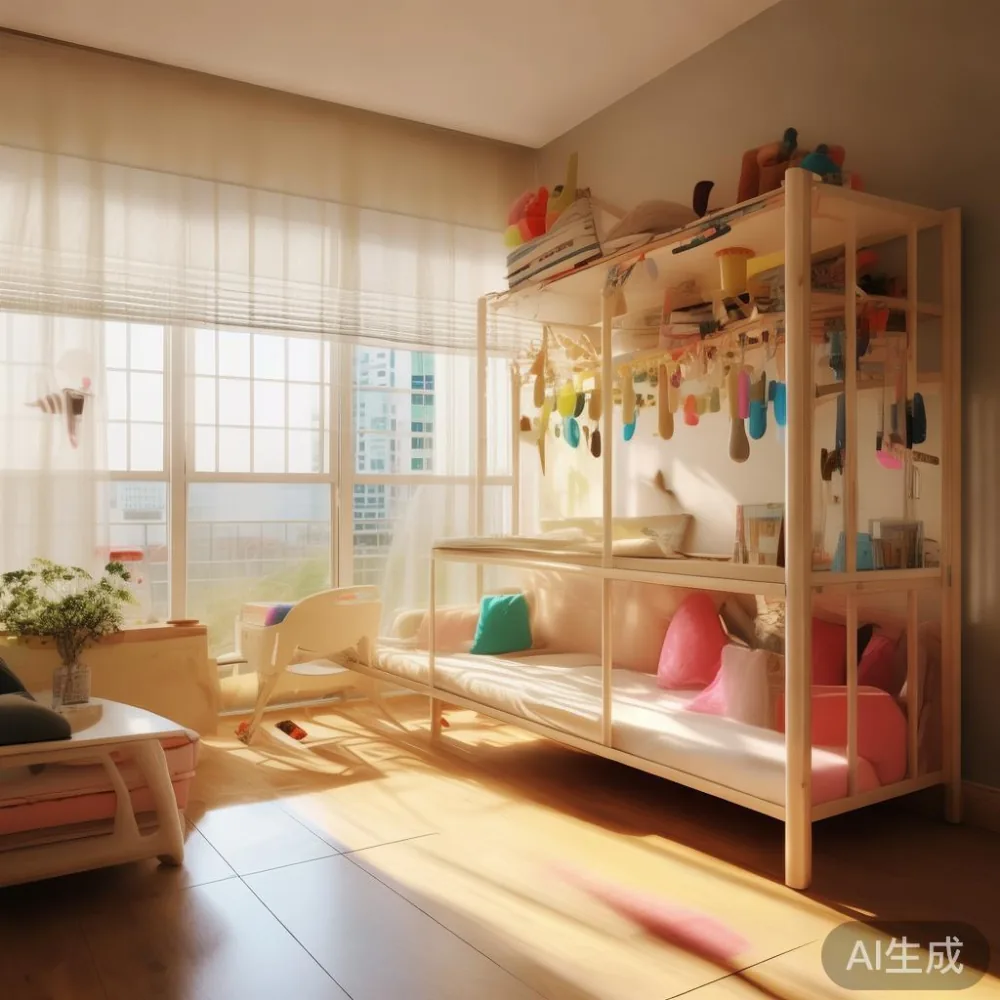
This guide uses compact-room thinking for neighbourhoods such as Tampines, Bedok, and Punggol, where many families live in 3-room, 4-room, or newer BTO layouts. Typical living rooms may be only 3.0–4.2 m wide, while lift doors, corridor turns, and bedroom entrances can be narrower than the room itself. Prices below are planning estimates in SGD; furniture dimensions, mattress specifications, and access conditions should be checked before purchase.
How do you measure an HDB or condo room for a kids bed?
Begin with the bed, not the wall. Measure the usable length and width of the children’s room, then mark door swings, skirting boards, air-con outlets, windows, and the position of any existing wardrobe or nightstand. Leave at least 60 cm beside a frequently used side of the bed for a caregiver to sit, fold bedding, or help a child climb in. If only one side is used daily, 45–50 cm may be enough, but a narrower passage should not block a full-height door.
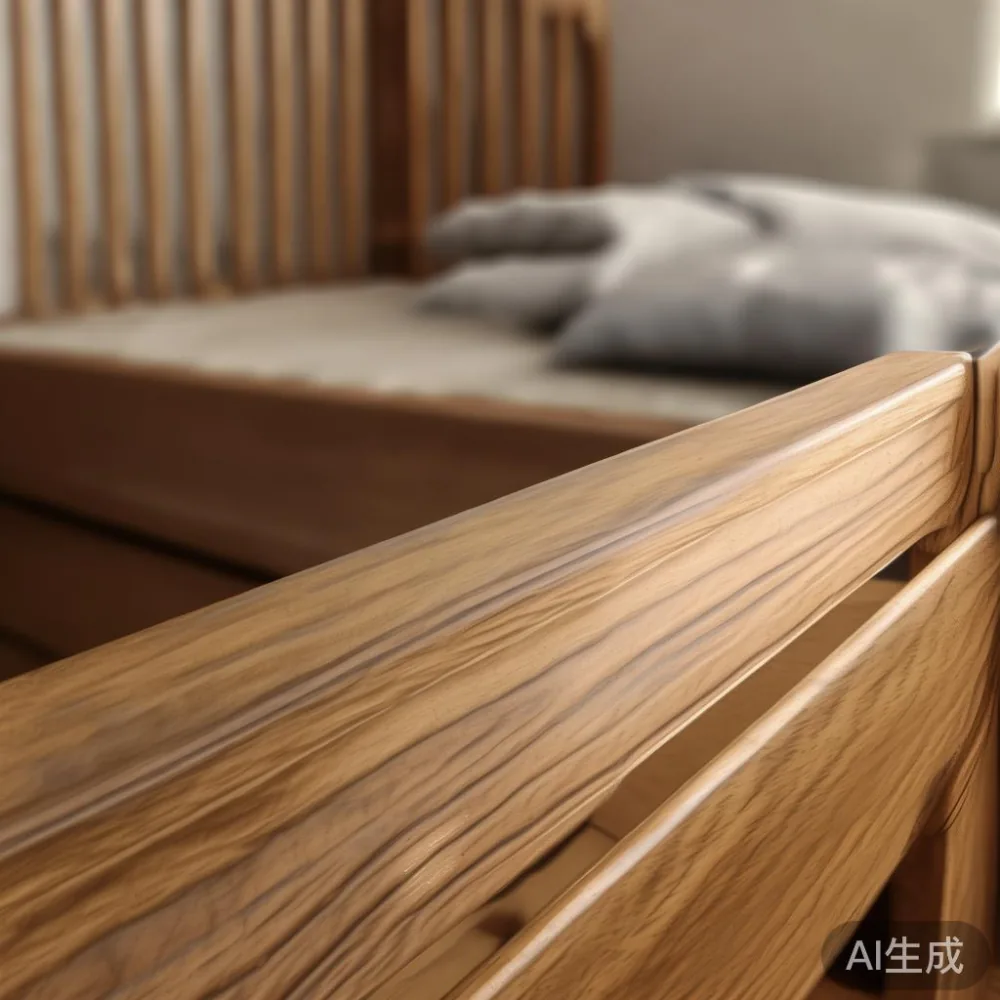
For a typical 3-room BTO bedroom, a 90 cm-wide single or a compact 100 cm bed may be more suitable than a 120 cm double. A 120 cm bed can work in a larger bedroom if at least 55 cm remains on the access side and the opposite side does not interfere with a wardrobe. Measure the mattress and frame separately: a nominal “single” frame may be 92–100 cm wide and 195–205 cm long, whereas a compact short bed may be 180–190 cm long. Children around 135–145 cm tall often move beyond a short option quickly, so height and sleeping comfort should guide the choice.
My own check last month involved visiting a family in Tampines with a 3.6 m wide living room. They had assumed a 140 cm bed would fit beside a solid wood sofa, but the corridor outside the lift turned at a right angle, and the packaged frame would have exceeded the usable diagonal. A 100 cm kids bed with detachable legs solved the transport problem and gave the family an extra 40 cm of circulation space. The lesson was simple: room size and delivery access are separate measurements.
Which kids bed size fits the child and the room?
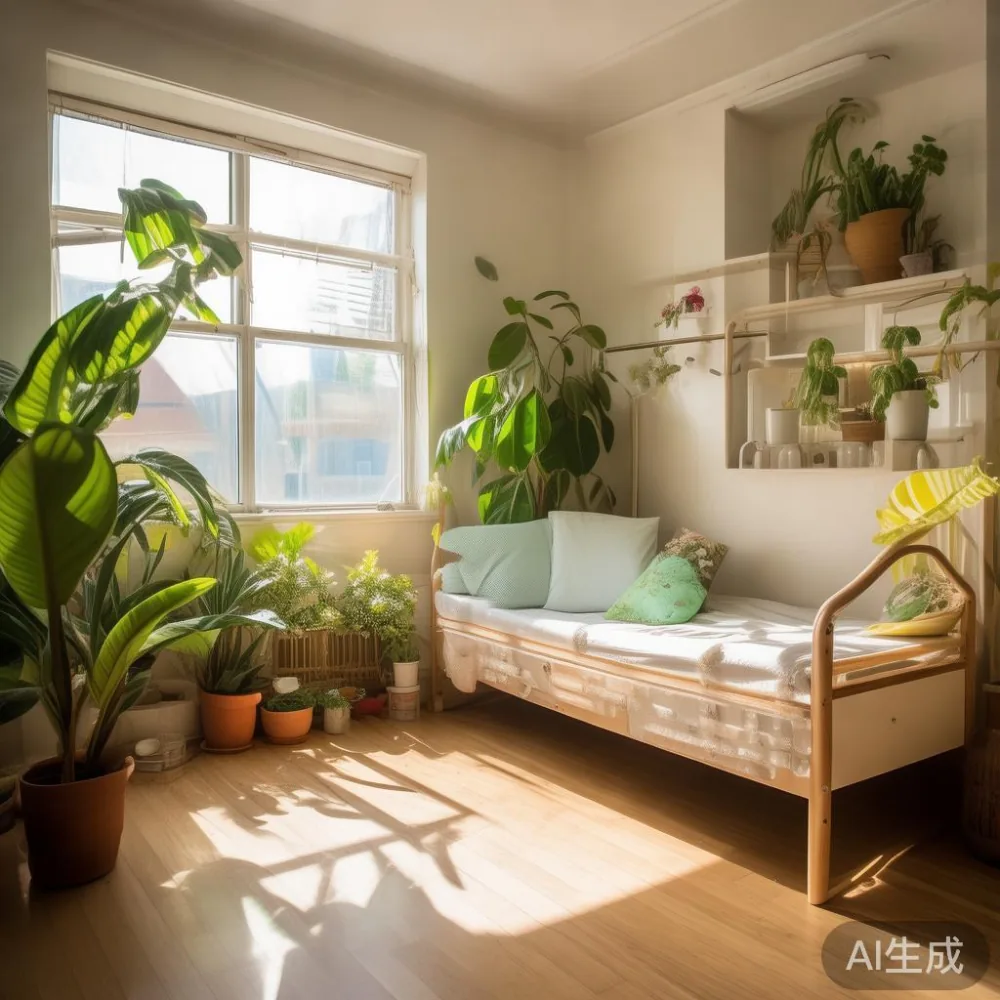
A 70 cm cot or junior bed suits younger children and tighter rooms, but children often outgrow it sooner than parents expect. A 90 cm single is the practical middle ground for one child from roughly primary-school age through the teen years. A 100 cm bed offers more shoulder room while remaining easier to place than a 120 cm frame. A 120 cm bed is better for sharing, guest use, or a child who wants a wider sleeping surface, provided the room can spare the additional width.
Do not rely only on the child’s current age. Compare the mattress length with the child’s height. A mattress should generally be at least 15–20 cm longer than the child’s height, while the bed frame should provide a few centimetres of clearance at the foot and sides. Check that the top rail, guard, or low profile is suitable for the child’s stage. If the child rolls frequently or is below about 5 years, choose a design with stable guard placement rather than an adult-sized frame scaled down.
Allow growth room in the frame if possible. A 90 cm kids bed rated for a maximum load of 80–100 kg gives more flexibility than a narrow cot rated at 30–40 kg. The stated load should include the mattress where the manufacturer requires it. Look for a frame that can accept a standard single mattress, not a proprietary insert that must be replaced at a premium later. A mattress height of 18–22 cm can make a low bed easier to use, while a total frame height above 35 cm can make daily bed-making less comfortable.
Weight matters too. A solid wood or quality engineered-wood kids bed may weigh 25–45 kg depending on size and construction. Check whether the supplier can deliver assembled or flat-packed. Flat-packed units are easier to move through a lift, but the carton must fit through the lift door, corridor, and bedroom doorway without forcing parts. Keep the original dimensions and assembly manual for future moves or refinishing.
Can a 120 cm kids bed fit beside a sofa or dining area?
It can, but only after a floor-plan check. In a living room used as a sleeping room, the key figure is the clear passage, not the empty floor area. Keep at least 75–90 cm between the kids bed and the front edge of a sofa if people must walk past regularly. Between a bed and a dining table, allow 90 cm for chair pull-out and serving. A 120 cm frame in a 3.0 m room can leave only 90 cm on one side if a 90 cm deep sofa occupies the opposite wall, so a 90 cm or 100 cm frame is usually easier to manage.
Think about orientation. Placing the bed lengthwise along the longest wall usually preserves a continuous route from the entrance to the balcony or kitchen. A perpendicular arrangement may make a small room feel wider, but it can interrupt circulation and reduce access to the dining table. For an open-plan condo, a 90 cm bed positioned behind the sofa can create a defined sleeping zone, provided it does not block windows, air-con airflow, or a balcony door.
Do not forget the mattress and bedding. A bed frame may fit, but a thick mattress, side rail, or extended headboard can add 5–20 cm in places. Pull out the actual bed from the wall during planning if possible. Use masking tape on the floor to mark the 100 cm width, then walk around it with a backpack, vacuum, or laundry basket. This quick test often reveals a 10–15 cm conflict that is hard to see on a plan.
Local furniture vocabulary is useful here: a solid wood sofa may be deep at 90–100 cm, a dining table may require another 75–90 cm around its chairs, and a wardrobe may project 55–65 cm from a wall. A small nightstand needs about 40–50 cm of width, but it should not be the reason a caregiver has to squeeze past the bed. A marble table is durable and visually light, yet its hard edges require a little more clearance around a children’s sleeping zone.
Will the kids bed pass through the lift, corridor, and doorway?
Measure the narrowest point along the entire delivery route. Record the lift door width, lift car dimensions and depth, corridor width, any right-angle turn, and the bedroom door with hinges or sliding tracks. For many Singapore apartment corridors, the limiting number may be 80–90 cm, though older blocks and service routes can differ. Do not assume that the frame can be turned inside the lift; its longest rigid dimension should be compared with the lift car’s usable diagonal.
For example, a 100 cm-long, 60 cm-wide bed section may pass through a 75 cm lift doorway if it is angled carefully, but a 190 cm assembled frame may not. A supplier that offers flat-packing, split legs, or on-site assembly can reduce this issue. Ask for the packed carton dimensions and weight in writing. If the carton is heavier than 25–30 kg, two-person delivery or a lift booking should be included in the service plan.
Condo access may involve a loading bay, security desk, parking bay restrictions, or a booking for the service lift. HDB blocks may have a waiting period for the lift, especially during moving hours. Build 1–3 delivery days into the schedule rather than assuming a furniture appointment can happen the same day. Confirm whether the supplier delivers to the door or to the lift lobby, and whether stairs are involved. In a walk-up situation, a 30 kg bed can become much harder to handle above the ground floor.
MIDHILL is a Foshan solid wood furniture maker established in 2008, with export experience across 15 countries, a 10-year structural warranty, lifetime refinishing, free shipping above US$350, and a 14-day return policy. Those policies are not substitutes for local measurements, but a clear delivery and returns process helps families order with fewer surprises. Prices shown on international product pages may convert to roughly SGD 260–SGD 680 for a children’s bed, depending on size, timber, finish, and mattress inclusion.
What should a child’s bed be made from in a humid Singapore home?
Solid wood offers stability, repairability, and a warm appearance, but each species behaves differently in humidity. Ask whether the bed uses kiln-dried solid wood, how the joints are constructed, and whether the finish is water-based or another low-odour coating. A frame that is warped, cracked, or untreated at the joints may not suit a tropical environment. Look for clean corner joints, rounded edges, and a design that can be wiped with a damp cloth.
Quality engineered wood can also be appropriate when its board specification and edge sealing are clear. Avoid vague descriptions that provide no thickness, load rating, or moisture information. A bed should not rock under a child’s movement, and the slats should be spaced closely enough to support the mattress. For a single mattress, hardwood or reinforced slats at no more than roughly 8–10 cm spacing can reduce sagging, although the manufacturer’s specification should control.
For light-luxury styling, a French light luxury approach uses pale timber, cream textiles, and restrained profiles. American light luxury often combines a darker natural frame with neutral bedding and simple lines. Post-modern light luxury can work with a curved headboard or a subtle geometric detail, provided the design does not make the room feel crowded. A small French-style kids bed with slim legs may look visually lighter than a low platform bed, but the clearance underneath should still be considered for cleaning.
Keep the styling connected to the room rather than filling every surface with furniture. A sculptural Mid-century modern coffee table can work beside a compact sleeping area, and a search for top 10 Mid-century modern furniture may help identify compatible shapes. If you want to compare storage, a Modern light luxury sideboard may be more useful in the dining area than in the child’s bedroom; leave enough door-opening space before choosing one. These references are design guidance, not reasons to place unrelated furniture in the room.
How much clearance should remain around the bed?
Use 60 cm as a comfortable target on the main access side. A 45 cm gap can be workable for a small child’s room, but it makes changing sheets and retrieving shoes less convenient. The opposite side may need only 20–30 cm if no one walks there, provided the mattress and bed rail are not pressed against a wall. The foot of the bed should have 45–60 cm where possible, or enough space to stand without blocking a doorway.
Leave the air-conditioning unit’s airflow visible. A bed should not be pushed directly beneath a vent or against a damp window. In Singapore, direct afternoon sun can fade fabric and darken some timber finishes. Use curtains or blinds that open fully, and avoid placing a tall wardrobe where it blocks a window. If the room has a sliding door, check that the bed does not prevent the panel from opening its full travel.
Storage should be sized to the child’s age. A small 90–110 cm wardrobe can hold clothes and school items, while a 120 cm unit may restrict circulation. A 40–45 cm nightstand can hold a book and water cup, but a floating shelf may save floor space. A dining table used for homework should have about 75 cm of clearance from nearby walls or furniture for a chair; the same chair movement should not cut into the bed route.
For visual balance, a light rug can define the sleeping zone, but keep its edges clear of the main passage. A marble table should not be used as a bedside surface unless the child cannot reach its edge. Furniture finishes and safety deserve more attention than matching every item to a trend. For a wardrobe comparison, a page about the best European wardrobe for 2026 can be useful when checking drawer travel, shelf spacing, and anti-tip fittings, but the wardrobe must still fit the Singapore room and access route.
How do you plan a delivery without damaging the home?
Photograph the route before delivery, especially the lift threshold, corridor corners, and bedroom skirting. Reserve the service lift for at least 30–45 minutes if the building requires a booking. Protect corners with cardboard, remove obstacles, and keep children and pets out of the route. If the bed is flat-packed, check each carton against the room before opening it; a damaged component may be harder to return after assembly.
Ask whether delivery includes carrying upstairs and assembly. In a lift building, carrying beyond the lift lobby is often straightforward, but a narrow HDB corridor may still require the bed to be turned sideways. Confirm whether the installer can align the legs, attach guard rails, and check stability after assembly. A child should not sleep on the bed until all bolts are tightened and the frame has been checked for movement.
Budget in SGD for the bed, mattress, delivery, and any local access charge. A compact solid wood kids bed may be around SGD 300–SGD 600, while a wider design with a matching frame and premium finish may reach SGD 700–SGD 1,100. A mattress can add roughly SGD 90–SGD 250 for a basic single and SGD 220–SGD 450 for a more supportive option. Delivery may add SGD 40–SGD 120 within Singapore, depending on distance and whether assembly is included.
GST is normally charged at 9% on most goods and services in Singapore, so a displayed SGD 500 bed could add SGD 45 GST before delivery or other applicable charges. Confirm the invoice basis rather than calculating only from an online catalogue. Leave a budget of SGD 600–SGD 900 for a bed-and-mattress package with standard delivery, or more if a lift reservation, extra assembly, or room-specific access is needed.
How can you make a small room feel less crowded?
Choose a bed with a visually light frame, rounded corners, and a height that matches the child. A 90 cm single with slim legs can preserve the appearance of floor space, but avoid an overly low frame if the child struggles to sit on the edge. Keep colour coordinated with the existing sofa and curtains rather than adding several competing patterns. A light mattress cover and one cushion can make the bed feel deliberate without buying more furniture.
Place the bed before adding storage. A wardrobe should open fully, a nightstand should not block the passage, and the dining table should remain usable for meals. If the living room doubles as a child’s bedroom, a screen or low divider can separate the areas, provided it stands securely and does not reduce the walkway below 75 cm. Curtains mounted high can make the ceiling appear higher, while a wall light can replace a bulky floor lamp near the bed.
Do not let style terms push a room beyond its measurements. Searching for under 2000 French furniture may be useful for ideas on pale timber and restrained detailing, but the final check is local fit. Similarly, modern Mid-century modern furniture can introduce tapered legs and simple profiles, while a Mid-century modern coffee table should remain outside the bed’s main circulation zone. For a compact Singapore home, fewer pieces and clearer pathways usually make the room more comfortable than a complete matching suite.
Choose the size by measuring the child, the mattress, the room, and the delivery route together. A 90 cm or 100 cm kids bed can be a sensible choice for many HDB and condo rooms, while a 120 cm frame needs more careful planning. Confirm the frame’s load rating, packed dimensions, lift access, GST, and warranty terms before ordering. A correctly sized kids bed should leave space for movement today, accommodate growth tomorrow, and allow the rest of the home to function every day.