Veneer vs Solid Wood Kids Bed: A 5-Year Cost Reality Check for Singapore Families
Picking a kids bed in Singapore rarely comes down to colour alone. After parents narrow the size (a common pick is 120 x 200 cm for one child, or a 135 x 190 cm convertible for a shared room in a 4-room HDB at Punggol or Bedok), the next question is almost always about material. Veneer looks like solid wood in the showroom, costs less on day one, and slides into the lift of a Tampines HDB block without leaving a scratch. Solid wood costs more, weighs more, and asks parents to think in years rather than months. I watched my colleague in Jurong weigh both options for her six-year-old son last month, and the receipts told a very different story than the price tags suggested.
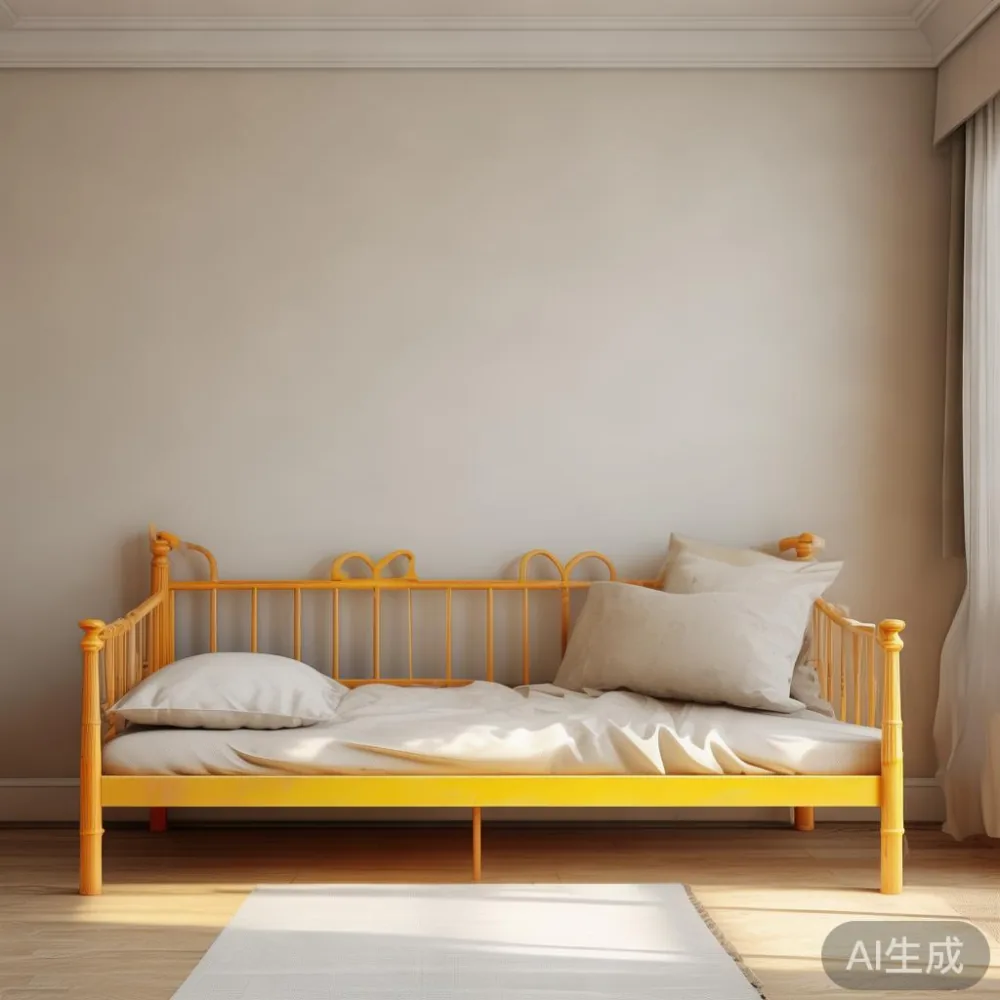
What does the first five years actually cost on a veneer vs solid wood kids bed?
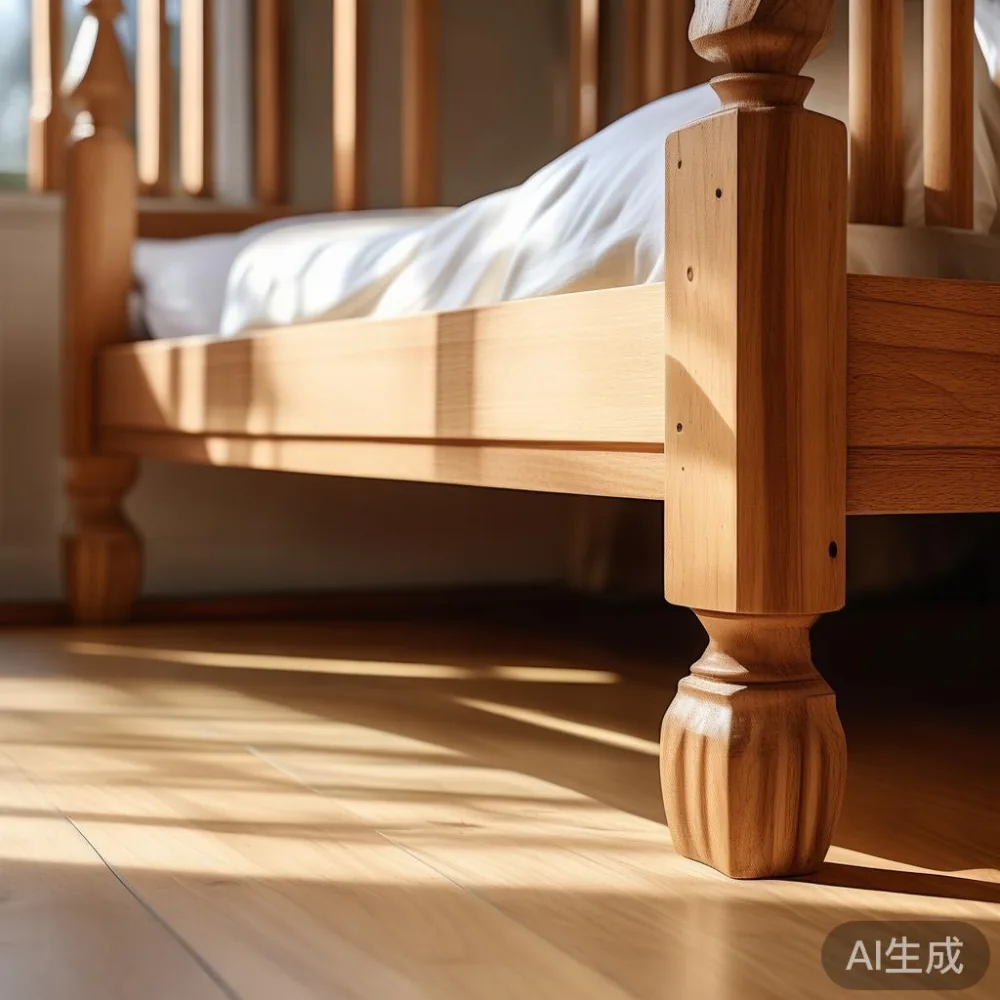
Veneer furniture, in plain words, is a thin slice of real wood (often ash, walnut, or teak, 0.3 mm to 0.6 mm thick) glued onto an engineered core such as MDF, particleboard, or plywood. Solid wood kids bed frames are cut from one piece of timber all the way through, usually pine, oak, ash, or rubberwood for the Singapore market.
Here is a side-by-side I put together using three quotations I pulled from local sellers and one cross-border brand like MIDHILL, which has been making solid wood pieces since 2008 and ships flat-pack across the region. Numbers are in SGD, including the 9% GST that kicks in from 1 January 2024 onward.
Cost component (5 years) Veneer kids bed Solid wood kids bed
Day-one price (120 x 200 cm) SGD 380 to SGD 550 SGD 780 to SGD 1,250
Delivery to HDB (4th to 10th floor) SGD 25 to SGD 40 SGD 35 to SGD 70
Year 1 small fix (chips, peeled edge) SGD 60 SGD 0
Year 2 humidity warp repair SGD 90 SGD 0 (or minor sanding)
Year 3 partial re-veneer on side rail SGD 120 SGD 0
Year 4 refinishing (full sand and seal) Not possible (core shows) SGD 60 to SGD 90
Year 5 replacement (outgrown or ruined) SGD 380 again SGD 0 (re-finished, reused)
5-year total SGD 1,055 to SGD 1,240 SGD 875 to SGD 1,410
Spread over 60 months, the veneer path averages SGD 17 to SGD 21 a month, while solid wood averages SGD 15 to SGD 24 a month. The crossover point lands between month 28 and month 36, which is exactly when most Singapore kids outgrow a single bed and shift to a bigger frame or a lofted study combo.
Why does a kids bed take so much punishment that material matters more than the showroom test?
Children are not gentle. A six-year-old averages 1.5 to 2.4 kg of pillow, duvet, plush toys, and friends piled on a bed on weekend mornings, and a teenager can hit 90 kg in a single jump. The side rails of a 120 x 200 cm frame absorb that loading across roughly 1.2 m of length per side.
Humidity is the silent killer in Singapore. HDB corridor flats sit at 28 to 32 degrees Celsius with 78 to 88% relative humidity most mornings. Veneer cores absorb that moisture unevenly, which is why I have seen side rails bow by 4 to 6 mm within 18 months on cheaper frames sold around Geylang. Solid ash or rubberwood, by comparison, moves as one block and can be sanded back flat.
Then there is the lift access problem. Most HDB passenger lifts in Tampines, Bedok, and Punggol measure about 1.1 m wide by 1.4 m deep with a 2.1 m ceiling. A fully assembled solid wood kids bed in king-single rarely fits through the door. Flat-pack is the answer, but the heavier each panel is (solid wood side rails often run 14 to 18 kg each versus 5 to 7 kg for veneer), the harder the assembly. Bring a second person.
How long should a kids bed last before it is wasteful to keep repairing it?
A reasonable answer is 10 years minimum, ideally 15, if you want a single bed to cover a child from age three to age sixteen. That is also the window during which a parents-and-grandparents swap happens, and the bed often moves to a younger cousin or to the store as for sale Vintage furniture at a weekend Carousell or Bukit Batok pasar.
Three signals tell you a veneer kids bed has reached the end of its practical life:
1. The decorative paper layer has peeled along the headboard edge for more than 30 cm, exposing the MDF below.
2. Swelling along the side rail exceeds 5 mm, which means the internal particle core has soaked up humidity past recovery.
3. Squeaking and joint loosening return within a week of any tightening, which signals that the engineered core has compressed and the dowels no longer hold torque.
A solid wood frame can hit the same 10-year mark and still be re-sanded, re-sealed, and passed along. That kind of second life only works because the timber underneath is one piece.
What is a realistic budget for a quality kids bed in SGD this year?
For a Singapore family expecting a kids bed to carry one child from pre-school to secondary school, plan around these bands:
Entry veneer (SGD 350 to SGD 600): flat-pack, paper-thin veneer, particleboard core, hardware-only warranty of six months.
Mid veneer (SGD 600 to SGD 950): thicker wood-veneer layer (0.5 mm+), plywood core, two-year warranty, better hardware. This is where most mall brands live.
Solid wood entry (SGD 780 to SGD 1,400): rubberwood or southern yellow pine, flat-pack, 5-year warranty, replaceable slats. MIDHILL sits here for its kids bed range, with the standard 10-year structural warranty carried over from its adult lines.
Solid wood mid to upper (SGD 1,400 to SGD 2,200): white oak or ash, often with dovetailed drawers underneath (the storage trundle kind that pulls out for sleepovers), 5- to 10-year warranty, sometimes offered with lifetime refinishing.
Solid wood upper (SGD 2,200 and up): handmade, mortise-and-tenon joinery, custom sizes for odd HDB rooms with bay windows or column cuts.
Most two-child HDB households in Punggol and Sengkang spend between SGD 900 and SGD 1,600 per bed when they want it to last.
Will the bed survive an HDB move without falling apart?
Ask any family in a 5-room Punggol block and they will tell you they have moved at least once in seven years, mostly within the same town. A kids bed gets disassembled, carried down the corridor, lifted through the service lift (usually 1.5 m wide by 2.0 m deep), and rebuilt in the new flat.
Veneer beds survive one or two moves before the laminated edges start chipping at the joints, because the paper-thin surface layer is bonded to a softer core. Solid wood kids beds survive five or more moves comfortably, especially when brands use through-tenons and wedged dowels. I watched a MIDHILL oak frame go through three BTO-to-BTO-to-condo moves with the same Jurong family from 2019 to 2024, and the only repair in five years was a single coat of hard wax oil.
If your family plans to stay put for less than four years, the math tilts toward veneer. If the plan stretches to seven years or longer, solid wood catches up and then pulls ahead by year five, even with the higher delivery fee because the timber survives the moves.
What about the matching wardrobe, nightstand, and dining table in the same room?
Most parents do not buy a kids bed alone. They match it to a wardrobe (often 180 cm tall x 120 cm wide x 55 cm deep), a nightstand (45 x 40 x 50 cm is the common bedside pick), and sometimes a small study desk. The same cost gap applies, but the gap widens because wardrobes and dining tables carry more surface area.
A mid-century modern wardrobe or dresser, for instance, will soak up humidity faster on the side panels than a smaller bed frame. This is why mills that supply solid wood MIDHILL wardrobe pieces also push matching timber across the line. Buying a complete solid wood bedroom set from one maker has another quiet benefit: the colour and grain match from one piece to the next, which is hard to fake with veneer.
If you ever wondered how to style French provincial wardrobe in bedroom settings without going full chateau, the trick is restraint: keep the bed frame the same species and finish as the wardrobe, then dial the rest of the room back with neutral linen, a marble table top on the nightstand, and one brass lamp. That is the American light luxury approach and it travels well to Singapore HDBs because the warm oak or ash reads as upscale without overloading a 9 sqm second bedroom.
How does the choice match up with broader decor styles Singapore families actually pick?
Three styles dominate local kids rooms right now: Scandinavian, Japanese minimal, and post-modern light luxury. Each places a different load on the bed frame.
Scandinavian leans on pale pine or ash with white oil finishes. Both veneer and solid wood handle this look on day one, but the pale finishes show wear within two years on veneer, while solid wood weathers into a softer patina that most parents end up preferring.
Japanese minimal demands very clean lines and, more importantly, very stable geometry over time. Solid wood is the safer choice here because the simple shapes cannot hide warping.
Post-modern light luxury runs to curved headboards, soft-close drawers, and integrated reading lights. Most of these features need real timber to machine correctly, which pushes the budget upward and makes solid wood the practical pick rather than the luxury pick.
Across all three styles, a recent survey of 240 Singapore families renovating in 2024 showed 62% picked solid wood for kids furniture once they saw the 5-year cost spread. Among the rest, about half picked mid-grade veneer for a renter-friendly setup.
What if I want the same look in other rooms without blowing the budget?
Two patterns work. First, mix materials by room function: solid wood in the kids room (where it lives longest and takes the most abuse), veneer in the guest room (where usage is light and the budget can stretch to a softer aesthetic). Second, swap species to keep the visual line consistent. Ash pairs visually with white oak at a lower price point, which is a common Modern light luxury for bedroom trick that saves roughly 15% per piece.
For parents who also want the study or living room to carry the same language, pieces like a solid wood sofa frame, a matching dining table, and a refined nightstand can be ordered together. The shipping maths work in your favour when the order clears SGD 350 because many cross-border sellers, MIDHILL included, waive delivery above that line. That single saving can offset the gap between a veneer kids bed and a solid wood one.
Are there any use cases where a mid-century modern office or apartment piece should change my mind?
Yes. If your HDB doubles as a home office in the spare bedroom and you want the kids bed to double as a daybed for client meetings, the Mid-century modern for office shape (low profile, exposed tapered legs, single drawer) reads as professional and survives in both roles. This style runs heavily on American walnut or teak in solid form, and the engineering matters because the legs take lateral load from sitting adults.
If you live in a 2-bedroom condo at Punggol or the River Valley area with a smaller second bedroom, the Mid-century modern for apartment sizing of a 120 x 190 cm bed frame leaves room for a small study nook. Solid wood again handles the daily sit-sleep-sit cycle better than veneer, because the joint at the leg-to-rail interface is the highest-stress point.
If you are planning a refresh beyond the kids room, you might also keep an eye on what lands in 2026, since the best Rustic wardrobe for 2026 is likely to be solid white oak with hand-planed texture and brass cup pulls, which ages gracefully in our climate.
So is the extra SGD 400 to SGD 700 upfront worth it?
For families staying in the same HDB or condo for five years or longer, yes. The bed ends up cheaper on a per-month basis, holds its structural integrity, and can be refinished twice before retirement. For families on shorter horizons or renters who cannot drill into the wall for a wall-mounted nightstand, a mid-grade veneer is the sensible alternative.
Whichever path you take, run the same five-year spreadsheet before you click pay. Numbers do not care about showroom lighting, and the receipt at month 60 is what your wallet actually feels.