Investing in Quality: The True Cost of Kids' Beds in Singapore
As parents in Singapore, we face numerous decisions when furnishing our children's bedrooms. One of the most significant is choosing between solid wood and veneer for the kids bed. This choice impacts not just the aesthetic appeal but also the long-term value and durability of our furniture investment. Last month, I visited a furniture exhibition in Tampines, where I spoke with parents who had made different choices five years ago. Their experiences provided valuable insights into how these materials perform over time in our unique Singapore environment.
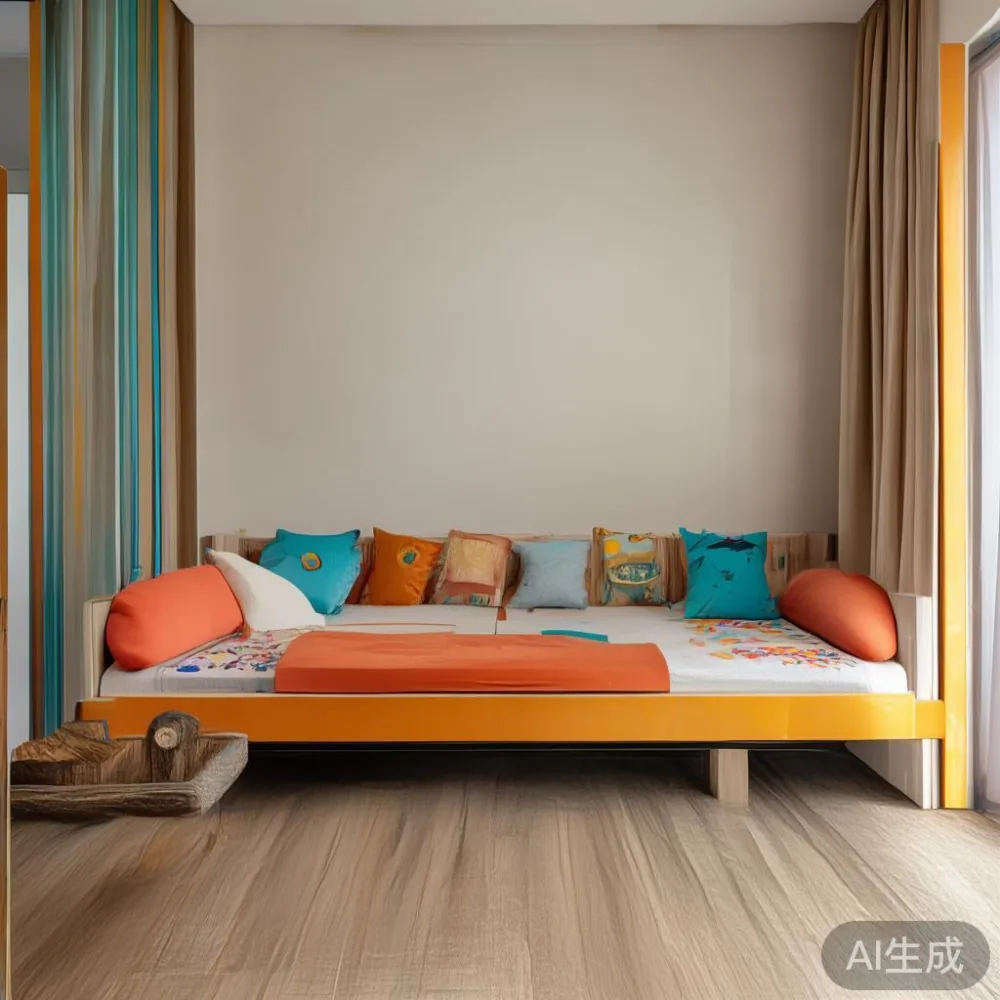
Understanding Veneer vs. Solid Wood Construction
When examining furniture options for a kids bed, it's important to understand the fundamental differences between veneer and solid wood construction. Solid wood furniture, like those offered by MIDHILL, is crafted from a single piece of natural timber. A standard solid wood kids bed frame typically weighs between 35-45 kg and measures 190cm x 90cm x 100cm for a single size. The wood used comes from trees like oak, rubberwood, or mango, with each piece exhibiting unique grain patterns and natural characteristics.
Veneer furniture, on the other hand, consists of a thin layer of real wood (typically 0.5-2mm thick) applied over a substrate of particleboard, MDF, or plywood. This construction method allows manufacturers to create furniture with a solid wood appearance at a lower cost. However, the substrate material can be susceptible to moisture damage, which is particularly relevant in Singapore's humid climate where average relative humidity ranges from 70-85% throughout the year.
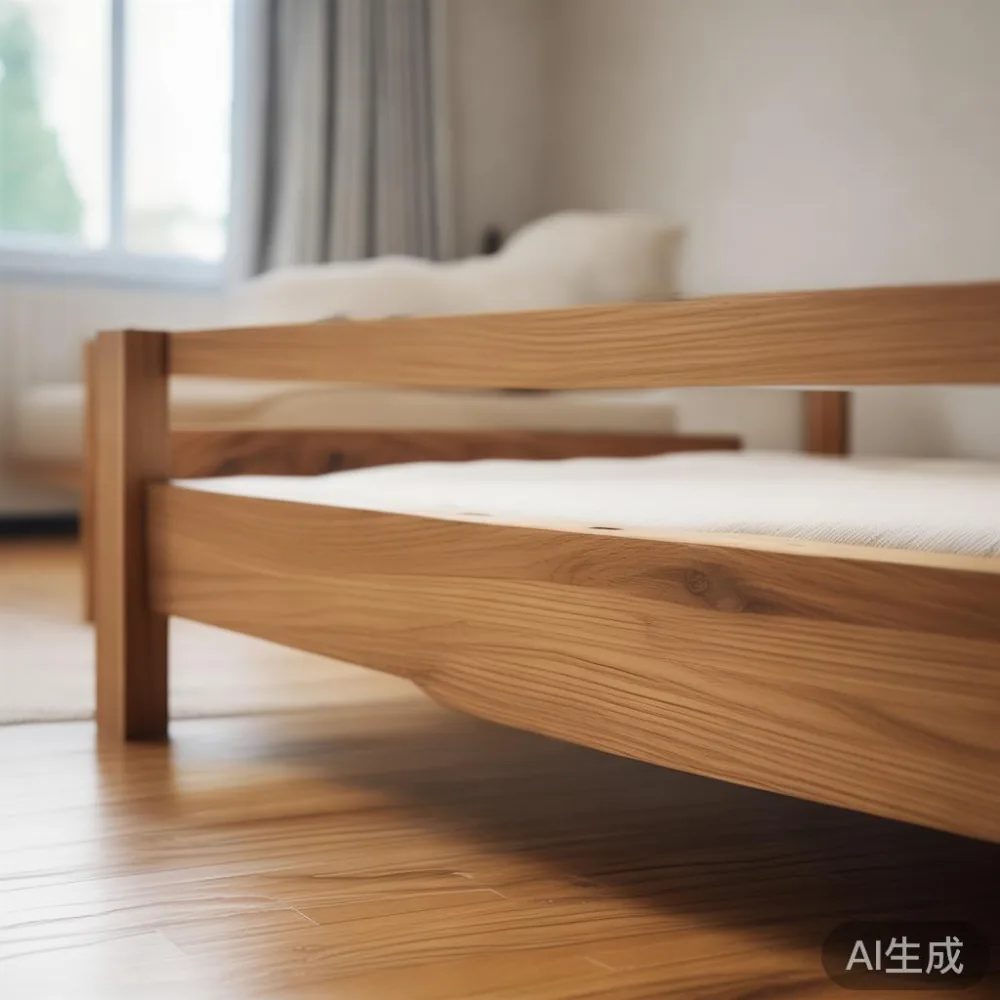
The French light luxury approach to furniture design emphasizes natural materials and artisanal craftsmanship. A solid wood kids bed in this style might feature hand-carved details and premium finishes that add character while maintaining durability. American light luxury often focuses on practicality with clean lines and functional designs, while post-modern light luxury might incorporate unexpected shapes and mixed materials for a contemporary look.
Singapore's Living Spaces: Dimensions and Considerations
In Singapore, our living spaces present unique challenges for furniture selection. HDB flats typically have bedroom dimensions ranging from 3m x 3m to 4m x 4m, while condominiums in areas like Bedok or Punggol might offer slightly larger bedrooms of 4m x 4m to 5m x 4m. The standard corridor width in HDB flats is approximately 1.2m, while condo corridors are often wider at 1.5m. These dimensions directly impact your furniture choices, especially for larger items like a solid wood wardrobe or kids bed.
Lift dimensions also play a important role. HDB lifts typically measure 1.5m x 1.5m, while condominium lifts are larger, often 1.8m x 2m. When purchasing furniture, you must consider whether the pieces can be maneuvered through these spaces. A solid wood kids bed might require disassembly for delivery through standard HDB lifts, whereas veneer furniture with engineered panels might fit through more easily.
When shopping for furniture in Singapore, it's important to factor in the 9% Goods and Services Tax (GST). For example, a solid wood kids bed priced at SGD 1,200 before GST would cost SGD 1,308 with tax included. Delivery charges typically range from SGD 50 to SGD 150 depending on the size of the item and delivery location within Singapore. Free shipping is often available for orders over SGD 350, which many parents appreciate when furnishing a child's room.
What size rattan furniture do I need?
The size of rattan furniture you need depends on the available space and intended use. For a kids bed, standard single dimensions are 190cm x 90cm, while double beds measure 190cm x 140cm. In Singapore's HDB bedrooms, a single bed is often the most practical choice, allowing for adequate play space and room movement. When measuring for rattan furniture, ensure you account for at least 60cm of space around the bed for easy access and movement.
For a solid wood nightstand, standard dimensions are 40cm x 40cm x 50cm, providing adequate surface space without overwhelming the room. When selecting a marble table for a child's room, consider a smaller size of approximately 80cm x 80cm to maintain balance with the room proportions. Remember that in Singapore's compact living spaces, every centimeter counts, so precise measurements are important before making your purchase.
5-Year Cost Comparison: Solid Wood vs Veneer
To understand the true value of your investment, let's examine a 5-year cost comparison between solid wood and veneer options for a kids bed. The following table breaks down the expenses in SGD:
| Cost Category | Solid Wood Kids Bed | Veneer Kids Bed |
|---|---|---|
| Initial Purchase Price | SGD 1,500 | SGD 800 |
| Delivery & Installation | SGD 100 | SGD 80 |
| Year 1 Maintenance | SGD 50 (wood oil) | SGD 30 (furniture polish) |
| Year 2 Repairs | SGD 0 (minor scratches) | SGD 150 (veneer peeling) |
| Year 3 Replacement Parts | SGD 0 | SGD 200 (drawer replacement) |
| Year 4 Refinishing | SGD 200 (professional touch-up) | SGD 300 (complete replacement of damaged sections) |
| Year 5 Resale Value | SGD 700 (50% of original price) | SGD 100 (12.5% of original price) |
| Total 5-Year Cost | SGD 1,150 | SGD 1,660 |
As demonstrated in the table, while the initial investment in solid wood is higher, the total cost over 5 years is significantly lower than veneer. This calculation doesn't account for the inconvenience of repairs or the need to replace entire pieces, which would further increase the cost of veneer furniture. Companies like MIDHILL offer a 10-year structural warranty on their solid wood furniture, providing additional peace of mind for parents concerned about long-term durability.
The concept of the Nordic storage bench malaysia might seem unrelated to Singapore's context, but it illustrates how different cultural approaches to furniture design can inform our choices. The emphasis on clean lines, natural materials, and multi-functionality aligns well with Singaporean preferences for practical yet aesthetically pleasing furniture.
Maintenance and Longevity Considerations
The longevity of your kids bed depends heavily on proper maintenance and the inherent durability of the materials. Solid wood furniture can last for decades with appropriate care. In Singapore's climate, it's advisable to apply wood oil every 6-12 months to protect against humidity. A solid wood bed frame can be refinished multiple times throughout its lifespan, allowing it to adapt to changing interior design styles while maintaining structural integrity.
Veneer furniture, while initially attractive, shows signs of wear more quickly. The thin wood layer can peel, bubble, or crack under Singapore's humidity fluctuations. Particleboard substrates often swell when exposed to moisture, leading to structural weakness. After 3-5 years, veneer furniture may require complete replacement, whereas solid wood options continue to perform well.
When I spoke with parents at the Tampines furniture exhibition, those who chose solid wood for their kids' beds reported minimal issues after 5 years. One mother mentioned her solid wood bed frame had only required occasional wood oil applications and showed no structural damage despite daily use by her active 7-year-old. In contrast, parents with veneer furniture reported peeling surfaces, drawer failures, and the need for complete replacement after just 3-4 years.
Common Mistakes to Avoid When Selecting Kids Beds
When purchasing a kids bed, several common mistakes can lead to dissatisfaction and unnecessary expenses:
- Ignoring room dimensions: Purchasing a bed that's too large for the space, making movement difficult in Singapore's compact bedrooms.
- Overlooking weight capacity: Not ensuring the bed frame can support a growing child and potential sleepovers, leading to structural issues.
- Choosing style over durability: Selecting purely aesthetic features that compromise the bed's longevity and practicality.
- Ignoring warranty terms: Not checking the coverage period and conditions, which can lead to unexpected repair costs.
- Not considering future needs: Purchasing a bed that cannot adapt as the child grows, potentially requiring replacement sooner than necessary.
- Forgetting about delivery logistics: Not measuring doorways, corridors, and lift dimensions, resulting in delivery challenges.
- Underestimating maintenance requirements: Not accounting for the time and cost needed to maintain different materials in Singapore's climate.
- Disregarding return policies: Not understanding the terms for returns or exchanges, which can be particularly important when children have specific preferences.
When selecting a kids bed, it's worth considering how the piece will integrate with other furniture in the room. A solid wood nightstand with complementary finishes can enhance the aesthetic while providing practical storage. Similarly, a marble table placed strategically in the room can serve as a study area or display surface without overwhelming the space.
Making the Right Investment for Your Child's Bedroom
After examining the 5-year cost comparison and considering maintenance requirements, the advantages of solid wood become clear. While the initial investment is higher, the total cost of ownership over five years is lower, and the furniture retains its value and functionality for a much longer period. In Singapore's competitive property market, where space is at a premium, furniture that serves multiple purposes and lasts for years provides better value than cheaper alternatives that require frequent replacement.
When selecting a kids bed, consider not just the immediate needs of your child but also how the furniture will perform over time. Solid wood options offer the durability needed to withstand years of use, the ability to be refinished to match changing decor, and the structural integrity to support a growing child. Companies like MIDHILL understand these requirements, offering furniture designed specifically for the Singapore market with dimensions that fit our living spaces and construction methods that withstand our climate.
Ultimately, the choice between solid wood and veneer comes down to your priorities for your child's bedroom. If you value longevity, quality, and timeless design that can adapt to changing needs, solid wood represents the more economical choice over the long term. If you prefer frequent updates and are willing to accept the higher costs associated with replacement, veneer might seem appealing initially. However, as our analysis shows, the true cost of ownership favors solid wood when viewed over a 5-year period.
As parents, we want the best for our children, and that includes creating comfortable, functional spaces that support their growth and development. By making informed decisions about furniture that balances quality, cost, and durability, we can create bedrooms that serve our children well for years to come without the stress of frequent replacements or repairs.