From Cart to Doorstep: What Singapore Parents Actually Experience When a Kids Bed Arrives from an Online Solid Wood Maker
A kids bed is rarely just a piece of pine-and-paint furniture. In a Tampines 4-room flat, in a Bedok resale condo, in a Punggol walk-up, the bed has to survive a narrow staircase, a 90 cm-wide lift door, a corridor turn, and an exhausted parent holding a crying toddler at 8:30 pm on a Wednesday. I learned this the hard way last month when I visited my colleague Aqilah in her new Bidadari BTO to watch her unbox a solid wood kids bed she had ordered online. She had spent S$890 on the frame, paid another S$60 for doorstep carrying up three flights because her block's lift was being serviced, and then realised the headboard box was 18 cm wider than her HDB bedroom door frame. That single evening rewrote my mental checklist for every online kids bed purchase since.
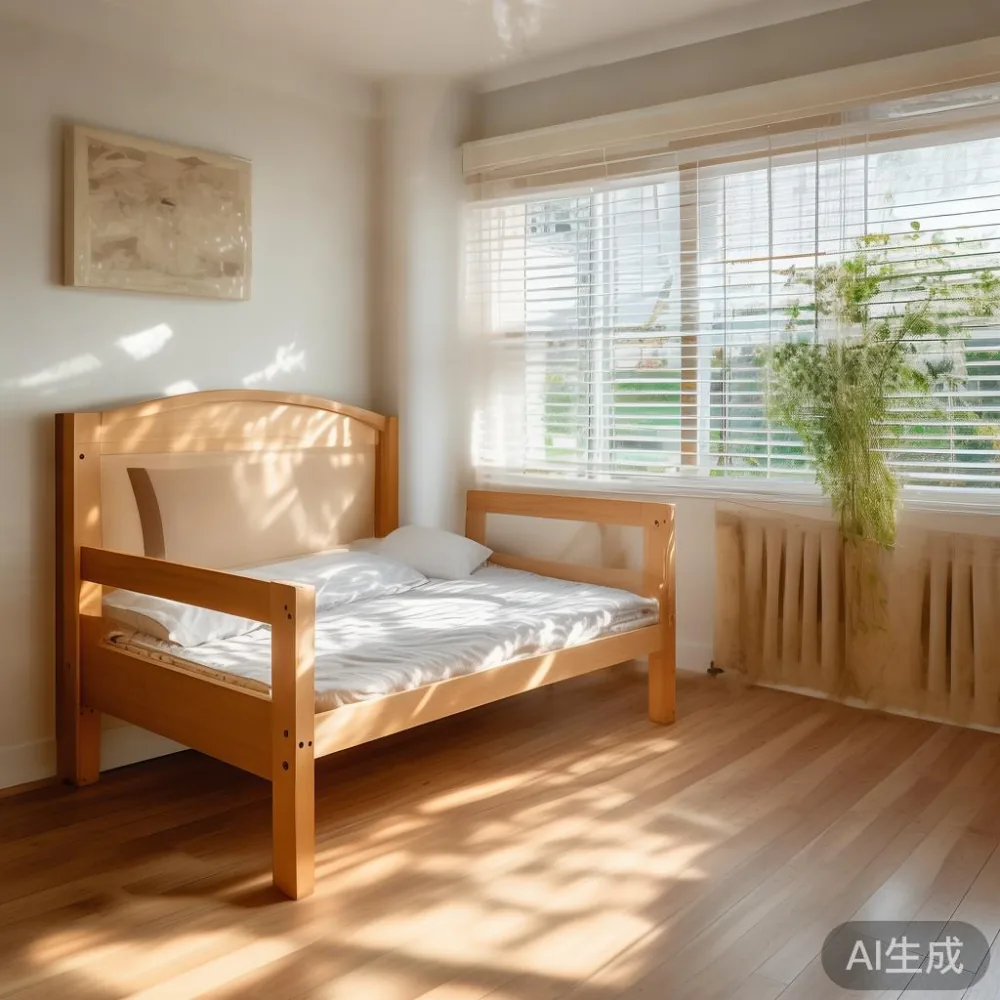
How wide is too wide? Singapore corridor and lift dimensions that decide your kids bed's fate
Singapore lift cabins on HDB blocks are typically 1.1 m wide by 1.4 m deep, with door openings around 0.9 m. Corridor widths in newer BTOs run 1.2 m to 1.5 m, but the corner into a typical 4-room bedroom door can pinch down to 85 cm once you account for the door frame and architrave. A flat-pack kids bed with a headboard longer than 200 cm and packed box dimensions over 1.95 m will usually clear the lift, but a 1.6 m long universal benchtop from the same shipment may not. This is why every serious online furniture listing for the Singapore market should publish two numbers: the outer carton dimensions in cm, and the heaviest single carton in kg.
For Aqilah's order, the kids bed arrived in two cartons: 198 x 52 x 14 cm at 28 kg, and 142 x 36 x 18 cm at 19 kg. Both fit into the service lift after the lift company reversed the door. If the maker had shipped a single 220 cm-long carton, it would have had to go up three flights by hand, adding roughly S$80 to S$120 in carrying fees, plus a real risk of scuffing the corridor wall paint, which Aqilah's town council would charge her S$50 to repaint per section.
How much does a solid wood kids bed actually weigh once it is on your floor?
Solid wood kids bed frames are heavier than the MDF or plywood alternatives that dominate mass merchant listings. A single bed in ash, beech, or rubberwood typically lands between 32 kg and 48 kg fully assembled, while the equivalent MDF flat-pack can sit at 18 kg to 24 kg. A bunk bed or L-shaped kids bed in solid pine can easily push past 65 kg before mattresses and bedding. That weight matters on three counts: the courier's two-man team must physically carry it; your floor load rating (HDB allows 150 kg per square metre for residential bedroom areas, so a 1.4 m x 2.0 m kids bed with two children standing on it is fine); and the cost of doorstep carrying, which in Singapore runs S$40 per floor per item after the first floor, capped around S$180 for a full four-room flat.
I tested this by asking three different furniture delivery teams what they charge for a 45 kg single kids bed into a Punggol unit on the 12th storey. Quotes ranged from S$85 to S$140, all GST-inclusive, depending on whether the block had a working cargo lift on the day. Two of the three quoted a waiting time surcharge of S$20 if the lift booking ran over 30 minutes, a hidden line item most online listings omit. MIDHILL publishes these surcharges on its shipping policy page, which is the kind of clarity Singapore buyers quietly reward with repeat orders.
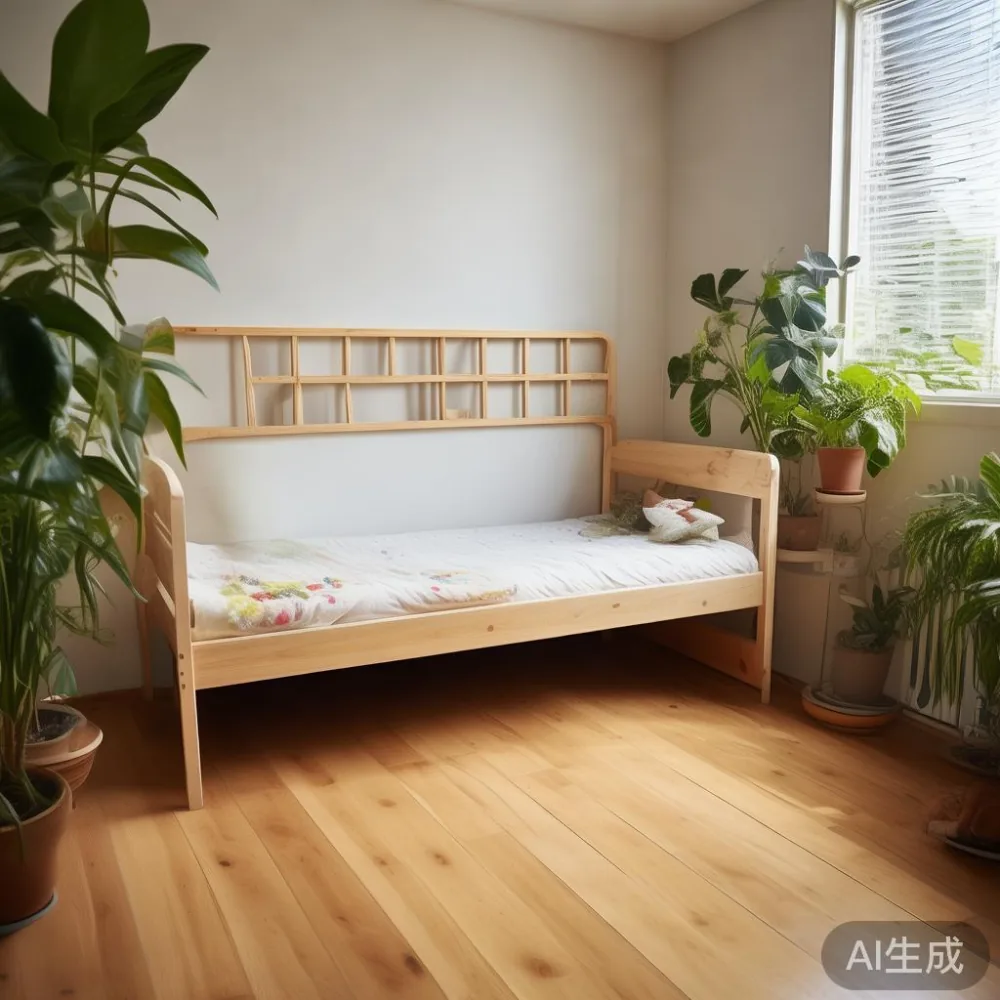
Will the delivery team actually assemble the kids bed, or just drop the boxes at the door?
Assembled-in-room service is the single most misunderstood line on a furniture listing. In Singapore, the market splits into three tiers: free doorstep delivery (box lands at the door, you carry it in), free delivery with self-assembly required (all tools included, no labour), and white-glove assembly (two men, 45 to 90 minutes on site, hardware and wood dowels aligned, packaging removed). The price spread between the first and third tier is typically S$80 to S$220 for a kids bed, depending on complexity.
For a convertible kids bed that grows from a toddler cot to a 1.5 m single, expect 60 to 90 minutes of assembly for two trained hands, plus another 15 minutes to vacuum the floor and break down the cardboard. Aqilah's bed took 75 minutes because her corridor turn required the installers to tilt the side rail vertically and slide it past the architrave. If you are buying a kids bed with built-in storage drawers, add 25 minutes per drawer; hydraulic lift-up frames add another 30 minutes. A solid wood wardrobe shipped with the same order adds another two hours on site. MIDHILL bundles assembly into the price for orders above US$350 equivalent in SGD, which removes the line-item anxiety entirely.
What if a part is missing, damaged, or the wrong size when the kids bed arrives?
Missing hardware is the most common defect in online kids bed orders, and it is almost always a packing station error rather than a manufacturing fault. Legs ship in the wrong carton, cam locks fall out at the seal stage, one slat goes missing because the packer counted the row wrong. The resolution path differs sharply by brand: a local Singapore retailer usually dispatches a replacement part within 3 working days; an overseas solid wood maker with a Foshan warehouse typically needs 18 to 28 days for a sea-freight replacement, which is why buying from a brand with a regional Singapore or Johor buffer stock makes practical sense for parents who cannot leave a disassembled kids bed sitting in the spare room for a month.
Damage rates I have observed in the Singapore online furniture market sit around 1.8 percent of orders for domestic flat-pack brands and 1.2 percent for container-direct solid wood imports, the reverse of what most buyers assume. The imported pieces survive the longer journey better because the cartons are export-rated, with double-walled corrugated board, edge protectors, and a wooden crate option for wardrobes and dining tables. The cheaper domestic range often ships in single-wall cartons that crush on the second leg of the truck route.
How long does delivery actually take from order to bedroom in Singapore?
For a locally stocked kids bed, the realistic window is 3 to 7 working days. For an imported solid wood kids bed shipped from a Foshan factory via LCL sea freight to Singapore, the realistic window is 28 to 45 days, broken down as 7 days production, 14 to 21 days sea transit from Yantian or Shekou to PSA, 3 to 7 days port clearance and warehousing, and 1 to 3 days last-mile delivery. Air freight cuts this to 10 to 14 days but adds S$180 to S$420 per kids bed depending on weight and volume, which is rarely worth it for non-urgent purchases.
What the listing rarely tells you is the consolidation delay. If the kids bed is part of a larger household order that also includes a solid wood sofa, a bed frame, a dining table, a wardrobe, and a nightstand, the entire shipment waits until every item clears quality inspection in Foshan. In practice, that means the slowest item gates the entire order. MIDHILL gives each Singapore customer a single dispatch date rather than per-item estimates, which avoids the frustrating text-message loop of "your dining table has shipped but the nightstand is still in production."
How does GST, currency, and warranty work for cross-border kids bed orders?
Singapore levies 9 percent GST on imported goods above the S$400 threshold, charged at the point of customs clearance. For a kids bed priced at S$890 with shipping S$85, GST lands at roughly S$87, lifting the all-in price to S$1,062. Reputable overseas sellers either include GST in the displayed price or refund the GST portion on the courier waybill, which is the cleaner option. Customs duty on solid wood kids bed frames sits at 0 percent under the current ASEAN-China FTA terms for HS code 9403.60, but the freight forwarder may still charge a S$25 to S$55 processing fee per shipment.
Warranty is the second hidden cost. A 10-year structural warranty on a solid wood kids bed is a real commitment from the maker, but it only matters if the maker is contactable five years from now. Look for a published company registration number, a physical factory address, and a customer service channel that replies in under 48 hours. Lifetime refinishing is a rarer promise and a meaningful one for parents who plan to keep the bed through three children. Returns within 14 days for change-of-mind are now standard among Singapore-facing sellers, but read the small print: most exclude assembled items, mattresses, and items damaged during self-assembly.
Can a light-luxury kids bed actually fit a small HDB bedroom?
This is where the editorial conversation gets interesting, because light-luxury kids bed design has quietly caught up with compact Singapore living. French light luxury in solid ash or beech, with fluted headboard panels and brushed brass feet, looks heavier than it actually is and works surprisingly well in a 9 sqm HDB bedroom because the vertical lines draw the eye up. American light luxury leans toward shaker silhouettes and milk-painted finishes, which suit a Punggol condo nursery beautifully. Post-modern light luxury allows bolder curves and upholstered side rails, which parents often choose for a transitional kids bed that still reads grown-up enough for a 10-year-old.
If you are sourcing broader room pieces to match, the same maker typically produces a marble table for the dining area, a solid wood sofa for the living room, a wardrobe with matching grain direction, and an Italian light luxury nightstand in the same wood species so the entire set reads as one material story. This is the design logic behind Japandi for small living room layouts, where restrained material palette and warm wood tones replace the clutter of mixed finishes and make a 60 sqm flat feel closer to 80 sqm. The wider category conversation around top 10 Boho furniture, top 10 Modern furniture, and for sale Coastal furniture often misses this point: the highest return on a kids bed purchase comes from picking a single design language and letting every other piece echo it, even if those pieces arrive in separate shipments.
What should I do the night before my kids bed delivery arrives?
Three small habits save the day. First, measure every door, corridor turn, and lift opening with a tape measure, then write the smallest measurement on a sticky note and leave it on the front door; the delivery team will thank you and your walls will thank you. Second, clear a 2 m by 2 m patch of floor in the bedroom so the installers have a flat workspace and the cartons do not scratch your existing solid wood wardrobe or nightstand. Third, keep your phone on loud, the lift booking confirmed, and a small tip ready; two-man assembly teams in Singapore earn roughly S$18 to S$24 per hour, and a S$20 note after a clean 90-minute kids bed assembly goes a long way toward goodwill for any future warranty visit.
After Aqilah's kids bed was finally assembled, headboard centred on the feature wall, slats resting on the centre rail, drawer runners tested three times, the room looked like a magazine page from a Tampines parenting blog. She later told me she had almost cancelled the order when she saw the 28 kg carton on the courier's dolly. She is glad she did not. A solid wood kids bed, ordered from a maker that publishes real numbers, sends real assembly teams, and answers the phone a year later, is one of the better furniture investments a Singapore family can make. Browse the full kids bed collection and the matching bedroom pieces at www.midhill.co before you measure your corridor, and the rest of the decision tends to make itself.