Kids Bed: Caring for a Lacquered Kids Bed in Singapore’s Tropical Climate
A lacquered kids bed can bring a calm, polished finish to a child’s room, but Singapore’s heat and humidity make careful care more than a cosmetic task. In an HDB flat in Tampines, a lacquered surface may sit near a window receiving morning light and afternoon condensation. A newer condo in Punggol may have glass doors that open toward a humid balcony. Even a Bedok bedroom without direct sun can experience night-time moisture, sticky fingerprints, and frequent touching around the bed rail.
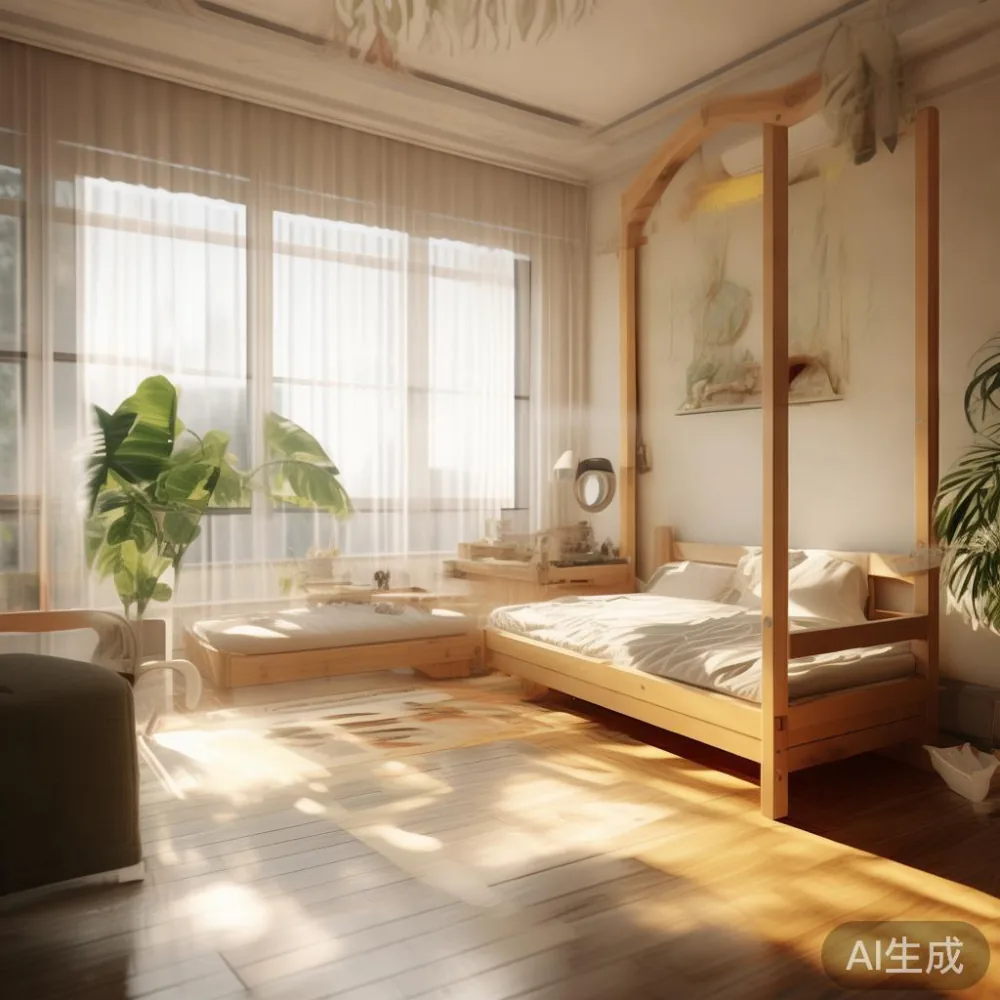
MIDHILL makes solid wood furniture with a 10-year structural warranty, and its lacquered surfaces can suit a refined child’s room without looking too precious. Proper maintenance protects the clear finish while preserving the warmth of the timber. The aim is not perfection; it is a practical routine that keeps a frequently used kids bed looking composed between deeper cleaning sessions.
What does tropical humidity do to lacquered wood?
Wood naturally responds to relative humidity by expanding and contracting. In Singapore, indoor readings commonly range from roughly 60% to 80%, while coastal weather and air-conditioning can cause faster changes within a single day. Lacquer slows moisture exchange, but it does not make the timber completely immune to humidity-related movement.
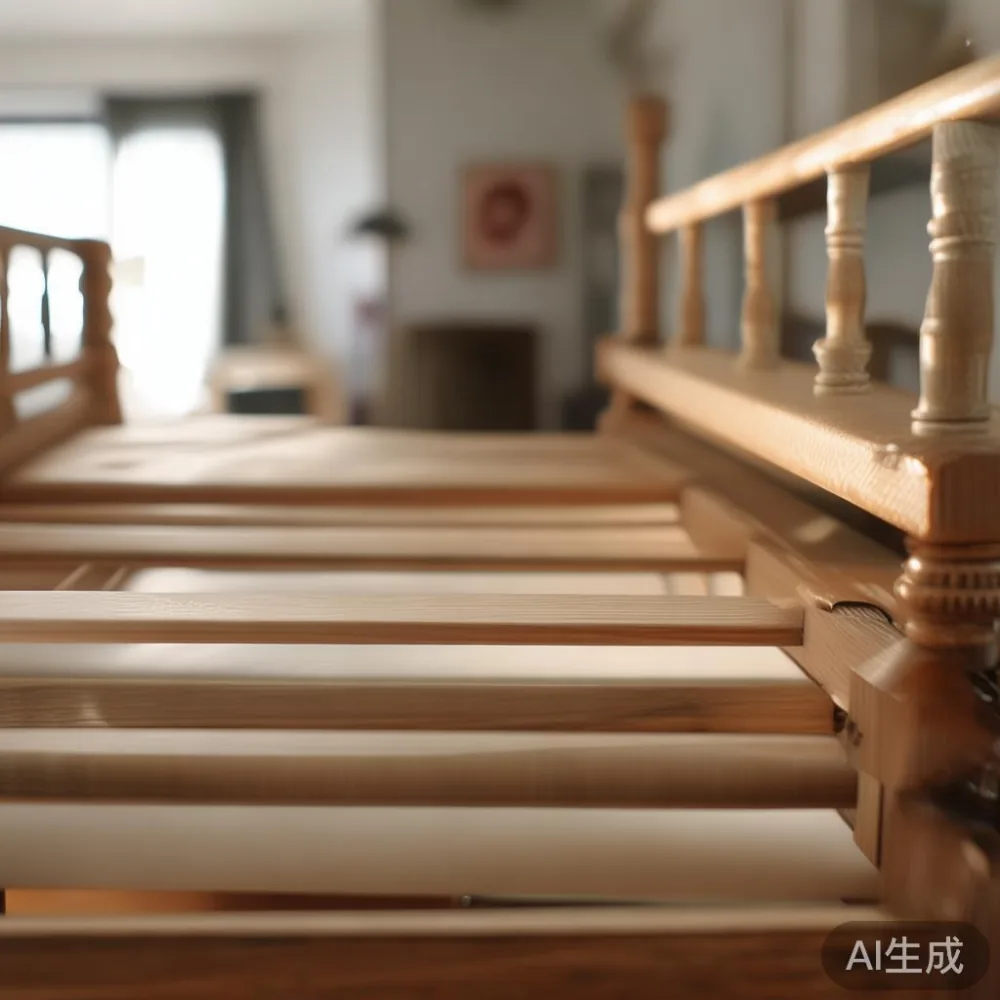
A common mistake is to place a lacquered bed directly beside an air-conditioning vent. In a Tampines HDB flat, the corridor outside a bedroom may also be narrower than 90 cm, making a wide bed difficult to manoeuvre if it must be moved later. Before bringing the bed upstairs, measure the lift door, lift car, turning space, and room opening. A bed frame of 150 cm width may need to be turned on its side, and protective wrapping should remain on during transport.
Keep the surface at least 30 cm from an open window or bathroom doorway where practical. Use a hygrometer in the child’s room and aim for about 45% to 65% relative humidity where feasible. Stable indoor conditions are more useful than chasing a fixed number every hour. Wipe condensation away promptly, especially during the monsoon period, and avoid leaving damp washcloths against the lacquer.
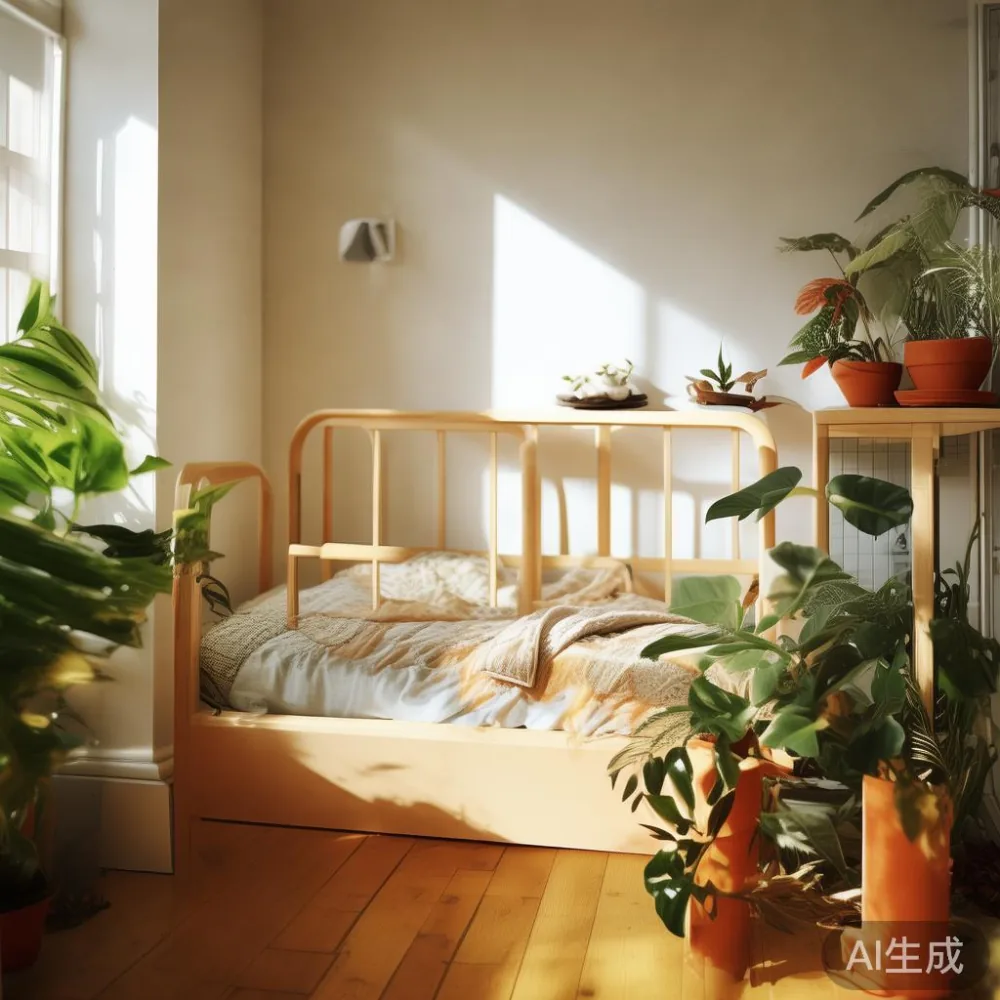
Lacquer can also react to prolonged ultraviolet exposure. Pale finishes may amber slightly, while deep colours can fade unevenly if one side receives stronger sunlight. Curtains, blinds, or UV-filtering film help without blocking ventilation. These measures matter more in a west-facing Tampines unit or a Punggol condo with large glazing.
How often should I clean a lacquered kids bed?
Light care should happen weekly, while the exact frequency depends on use. A children’s bed collects fingerprints around the headboard, dust along the lower rail, and crumbs near the mattress edge. Use a dry microfibre cloth for routine dusting. For marks, lightly dampen a clean microfibre cloth with plain water, wring it until only a trace of moisture remains, and wipe in small circular movements.
Do not use household glass cleaner on lacquer unless the product label explicitly confirms compatibility. Some sprays leave a film that makes the surface appear hazy. Avoid bleach, ammonia, abrasive pads, alcohol-based wipes, nail-polish remover, and thick oily polish. Silicone-based surface treatments and furniture wax should not be applied over lacquer unless approved by its manufacturer.
For a more thorough clean, move the mattress and bedding away from the frame. Vacuum the wood with a soft brush attachment kept around 10 cm from the surface, then wipe with the barely damp cloth. Clean one section at a time and dry with a separate soft cloth. This prevents water from collecting at joints, behind the headboard, or around screw heads.
Spills need quick attention. Blot rather than rub. If a child spills water-based paint, address it within minutes; oil or crayon marks may require a specialist lacquer cleaner. Test any product on an inconspicuous underside and allow 24 hours before judging the result. The phrase modern European light luxury furniture often brings to mind immaculate finishes, but daily care works best when it remains simple enough for parents to repeat.
How do I remove fingerprints without damaging the finish?
Start with warmth, not chemicals. A cloth lightly warmed in water can lift some fresh fingerprints from a cured lacquer surface. Keep the cloth clean, damp only in the fibre, and apply almost no pressure. If the mark remains, use a little mild dish detergent diluted in a bowl of water, perhaps one drop per 500 ml, dampen the cloth, and wipe once. Follow immediately with a dry cloth.
Pressure from small hands is part of normal use. The area around a child’s favourite climbing spot can become dull, especially if the bed has a high-gloss finish. Never sand the furniture by guesswork. A thin scratch may be managed with a lacquer-safe repair kit, while a deep gouge requires professional refinishing. Because MIDHILL provides lifetime refinishing, owners should document damage and contact the company rather than attempt an uneven colour match.
Use felt pads beneath movable items and avoid hanging bags or straps from the bed rail. A canvas organiser is preferable to a metal hook because it will not scratch the coating. Place the bed frame so children cannot repeatedly strike it with toys. For coordinated rooms, a solid wood sofa, dining table, wardrobe, nightstand, or marble table may introduce varying finishes, so each material should receive its own approved care method.
Is a lacquered finish suitable for a children’s room?
Yes, if the finish is properly cured and the household follows sensible habits. Lacquer can make a kids bed easier to wipe than untreated wood, but it must be treated as a coated surface rather than bare timber. Check the care instructions supplied with the product, and confirm whether the lacquer is water-based, solvent-based, or described as a clear coat.
Choose a low-sheen or matte lacquer when a pristine appearance is less important than hiding fine marks. A very glossy surface shows fingerprints and dust more readily, yet it can also create a light-luxury effect. French light luxury styling often uses restrained colour, tactile fabric, and clean proportions rather than excessive decoration. American light luxury may pair a pale bed frame with warm timber furniture and layered textiles, while post-modern light luxury can mix shapes carefully without making the room visually crowded.
For a small HDB room, measure the mattress and the space needed to access both sides of the kids bed. Leave at least 60 cm where a parent needs to make a bed, though tighter layouts may require a low-profile design. Check that drawers or storage pull out without hitting a wardrobe door. Avoid installing the frame too close to a sliding shower door in an ensuite condo, as repeated moisture exposure can affect both lacquer and timber movement.
How do I choose European light luxury wardrobe for a child’s room?
Anyone asking how to choose European light luxury wardrobe for a child’s room should begin with scale, ventilation, and material rather than decorative handles. A wardrobe should stand clear of the bed by about 5 cm where space allows, and its back should have a 2 to 3 cm ventilation gap if the manufacturer permits. Avoid sealing it tightly against a humid external wall.
Look for durable hardware rated for repeated use, soft-close hinges if the budget allows, and an internal layout that can change with the child. Adjustable shelves are more useful than fixed compartments, and a hanging rail placed no higher than 130 cm may be easier for an older child to manage. A designer wardrobe should still use reachable storage; ornament should not compromise function.
The same restraint applies when deciding whether is Mid-century modern wardrobe worth it for a compact Singapore room. Tapered legs can lighten the appearance, while closed storage reduces visual clutter. Make sure replacement pieces and service support remain available before selecting a distinctive finish.
How should I control heat, sunlight, and condensation?
Air-conditioning dehumidifies, but rapid cooling and warm outdoor air can create repeated surface-temperature changes. Set the bedroom around 24 to 26°C for comfortable sleep, and avoid directing cold air straight at the footboard. If condensation appears, turn off the device briefly, remove excess moisture, and dry the affected lacquer with a soft cloth.
During heavy rain, close windows on the exposed side of the flat and run the air-conditioner in dehumidification mode where available. A Bedok coastal unit may need more frequent attention than an inland Tampines room. Do not rely on a dehumidifier placed directly against the bed because airflow can be restricted. Keep the unit at least 1 metre away and follow its tank-capacity guidance.
Inspect the lacquer every 3 months for whitening, blistering, peeling, or a dull sticky feel. Check more often after renovation, a leak, or direct rain exposure. Lift bedding away from the frame during inspections, especially after the child naps. If bubbling appears, stop using the affected area and obtain professional advice; moisture trapped beneath a coating can spread beneath the film.
What is the safest way to move and store a kids bed?
Disassemble the bed as instructed before moving it. Photograph each connection, label hardware in small bags, and protect corners with blankets secured by tape that does not touch the lacquer. Never drag the frame across a tiled HDB corridor. If the bed must turn inside a lift, use two adults for a heavy solid wood frame and keep the mattress separate.
For storage, remove the mattress and place the frame on padded supports in a dry, ventilated room. Raise it at least 10 cm from the floor and keep paper or plastic breathable rather than sealed against the wood. Avoid attics and exterior balconies because temperature swings can be substantial. A flat-pack bed may be easier to move through an 80 cm lift door than a rigid frame, but structural strength should not be sacrificed for convenience.
Delivery terms deserve attention too. Confirm the delivery date in writing, whether stair carry is included, and any lift surcharge. In Singapore, furniture delivery commonly takes 7 to 14 working days for in-stock configurations and 4 to 8 weeks for made-to-order pieces. Local prices are quoted in SGD, and GST at 9% may appear on purchases. MIDHILL offers free shipping on orders over US$350, although Singapore delivery arrangements and the applicable SGD total should be confirmed directly.
The 14-day return window is another practical reason to inspect the kids bed as soon as it arrives. Check the lacquer under daylight and with a warm lamp, then look from 2 metres away for colour differences. Photograph the coating, corners, joints, and packaging before assembly. If damage has occurred during transport, record it before the packaging is discarded.
How do I keep the room coordinated without over-maintaining the bed?
Begin with a neutral base and add colour through bedding. A pale timber kids bed can work with sage, clay, navy, or soft grey textiles. If the family is considering the is Japandi bed worth it question, focus on whether its low profile, clear lines, and warm material suit the room’s real dimensions. Searching for how to style Japandi bed in apartment layouts can reveal useful ideas, but measure before buying another piece.
In compact flats, closed storage reduces clutter. A wardrobe with flush doors, a narrow nightstand with one drawer, and a bench with concealed toy storage can create more usable space than several open units. A light brown luxury sofa belongs in a living area rather than beside the child’s bed, and a marble table should not be placed where a water cup can be knocked over. Coordinate finish tones without demanding every object to be identical.
Children grow quickly, so purchase the mattress size and storage capacity for the next 2 to 3 years. Replaceable covers, adjustable bed rails, and movable nightstands make transitions easier. For European-inspired styling, mix one strong shape with quieter pieces. For instance, a rounded headboard can soften a rectangular bed while a straight-front wardrobe maintains visual order.
Last in the daily routine comes a 30-second inspection. Wipe the headboard, check for dampness, and confirm that toys are not pressing against the surface. Once each month, spend 10 minutes checking edges and joints. Once each year, review the humidity log and the finish under natural light. This measured schedule is easier to sustain than waiting until a mark becomes difficult to remove.
A well-cared lacquered kids bed can remain suitable for years, provided humidity is managed and harsh chemicals are kept away. Measure the room, choose the finish for real use, and establish a gentle cleaning routine before assembly day. With those habits, the bed can remain a durable part of the child’s room while fitting comfortably within the practical demands of Singapore life.