How Southeast Asian Humidity Affects Solid Wood Kids Beds and Home Furnishings
Singapore’s tropical climate can change solid wood faster than many buyers expect. Warm, moisture-heavy air enters a flat through windows, service yards, corridor gaps, and open doorways, while air-conditioning removes moisture more quickly. The result is a cycle of expansion and contraction that can affect a kids bed, a bed frame, dining table, wardrobe, nightstand, or marble table if every material is handled carelessly.
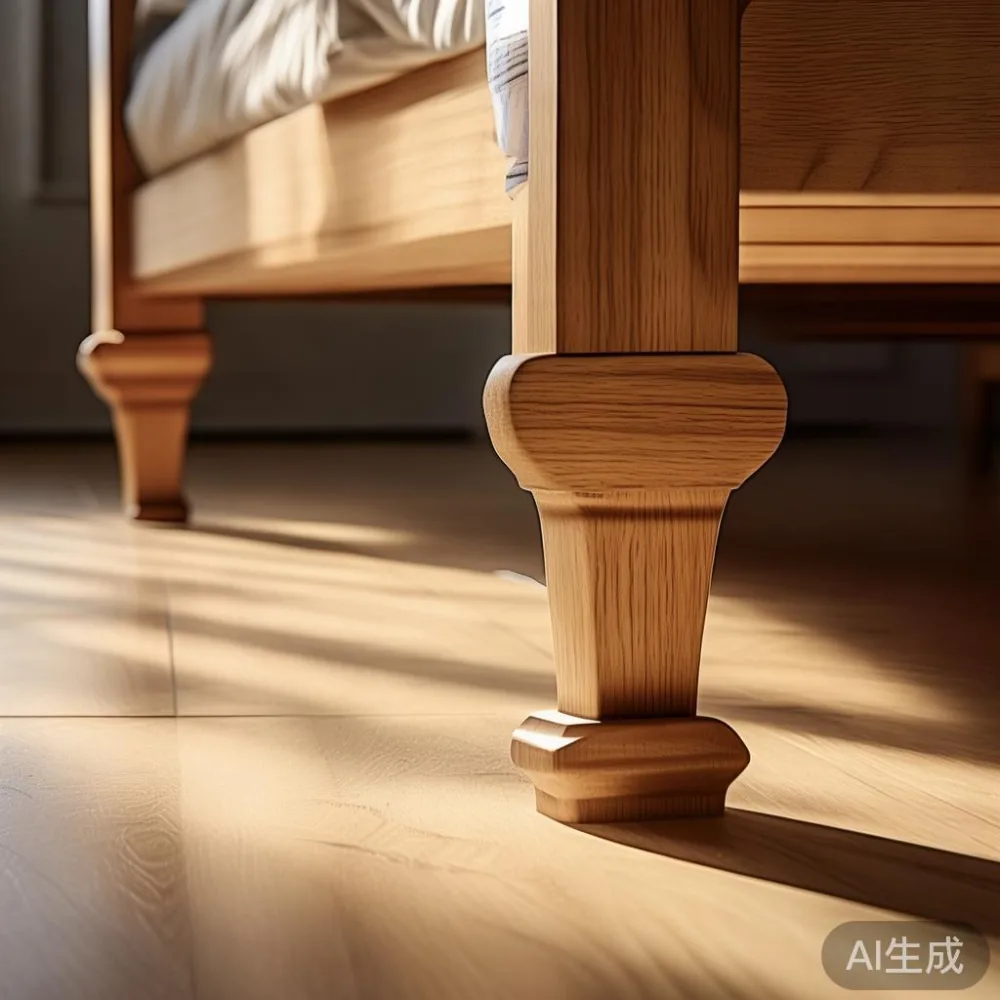
For households in HDB flats and condos across Tampines, Bedok, and Punggol, this is not simply a decorating concern. Humidity can influence door alignment, drawer movement, timber movement, joint stability, and the finish applied to furniture. Good selection and sensible care reduce those risks without requiring a dry indoor environment.
MIDHILL is a Foshan solid wood furniture maker established in 2008, with exports to more than 15 countries. Its furniture carries a 10-year structural warranty, while refinishing support is available for the lifetime of the product. The practical examples below explain how moisture behaves in Singapore and how buyers can make informed decisions.

Why does humidity affect solid wood furniture in Singapore?
Singapore’s relative humidity commonly ranges from about 65% to 85% during the more humid periods, with night-time readings sometimes higher than daytime readings. Coastal winds, heavy rainfall, and warm air contribute to the pattern. Air-conditioning may then lower a room to 22–26°C, but the more relevant measurement for timber is relative humidity, not temperature alone.
Wood is hygroscopic: it absorbs moisture when the surrounding air is humid and releases it when the air becomes dry. A solid oak, ash, beech, or walnut component can change dimension as its moisture content moves with the room. Cross-grain movement may make a panel bow slightly; a door may rub inside its frame; or a drawer may become tight. Small movements are normal, while severe cracking or joint failure indicates a different problem.
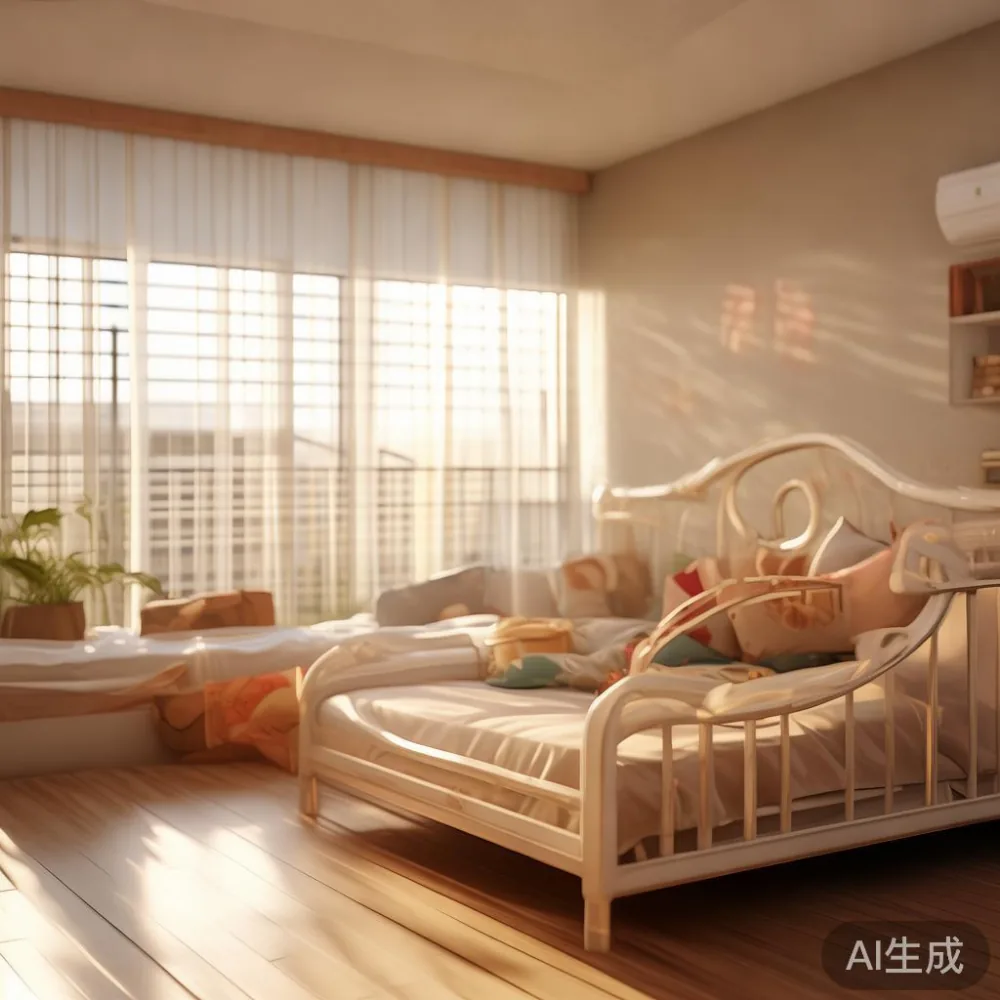
The movement depends on the species, panel construction, thickness, edge treatment, and finish. Solid wood panels generally tolerate seasonal change better than untreated sheet material because they can move along the grain. However, a poorly made frame can still twist if its moisture content changes significantly after installation.
Humidity also affects other parts of a bedroom. Mattresses and bedding retain moisture, upholstery traps humidity beneath loose covers, and tightly fitted carpets can prevent air circulation around floor-standing pieces. A child’s room should be ventilated for roughly 30–60 minutes each morning, with doors adjusted to allow the bed and storage furniture to breathe.
How much humidity is comfortable for a kids bed?
A practical indoor target is around 45–60% relative humidity, with 40–65% being a workable band for daily Singapore interiors. These numbers are more useful than chasing a perfect reading at one moment. A hygrometer placed near the bed but not directly against an exterior wall should be checked over several days.
Keep the reading stable rather than alternating between extremes. Moving from 75% to 30% over a few hours can place more stress on wood than a steady 60%. Air-conditioning can lower humidity substantially, especially during unoccupied hours. A compact dehumidifier in a child’s room may maintain about 45–55%, provided its water tank and filter are cleaned regularly.
Do not aim to over-dry a room. Relative humidity below about 30% can cause timber to lose too much moisture, leading to shrinkage, joint compression, or checking. This can happen in a bedroom where the air-conditioner runs all night and the windows remain shut. Setting the cooling temperature to 24–26°C, enabling a modest dehumidification mode, and opening windows when outdoor conditions are less humid usually offers a more balanced approach.
A simple routine helps. Measure humidity at 8 a.m. and 8 p.m. for 7 days, note any condensation, and inspect the kids bed after periods of heavy rain. If readings remain above 65% for more than 5–7 days, improve ventilation or use a dehumidifier rather than repeatedly wiping the wood.
What should Singapore buyers check before delivery?
Confirm that the furniture is designed for humid interiors and that its construction suits the available space. For a children’s room, allow roughly 60–90 cm of circulation space beside the bed, 80–100 cm at the foot, and 70–90 cm in front of a wardrobe where a child or adult opens the door. These clearances support ventilation and everyday use.
Access can be just as important as the room. HDB lift lobbies and common corridors do not always offer generous turning space. A boxed kids bed may measure 120–160 cm in its longest dimension, while a lift car could be around 140 cm deep with a doorway near 90 cm wide. Ask the supplier for the package dimensions before ordering, and compare them with the lift door, corridor turns, and bedroom doorway. One narrow flight of stairs may require the box to be split.
For larger pieces such as a solid wood sofa, dining table, wardrobe, nightstand, or marble table, check the packed weight as well. A move can involve carrying 25–80 kg through a corridor and using a lift rated for 450–1,000 kg. A normal passenger lift is normally adequate, but the furniture must not block the doors or prevent another resident from entering.
Delivery timing should allow the timber to acclimatise. Solid wood ideally rests in its final room for about 5–7 days before it is tightly dressed or heavily accessorised. During that period, leave panels accessible to room air and avoid placing bedding directly against a headboard if ventilation is poor.
Can a solid wood kids bed develop mould or finish problems in a humid room?
Mould is more closely associated with persistent surface moisture, dirty ventilation systems, and prolonged dampness than with solid wood alone. Nevertheless, high humidity can soften some finishes, encourage mildew on nearby fabrics, and leave a dull appearance. Inspect under the bed, around the mattress edge, and behind the headboard every 2–3 months.
Use a dry microfibre cloth and clean lightly rather than flooding the surface. Most finished timber needs only a damp cloth with mild soap, followed by drying within 10 minutes. Avoid silicone-based furniture sprays, furniture wax, and oil until their compatibility with the manufacturer’s coating has been confirmed. Some waxes can trap moisture if applied repeatedly in humid conditions.
Small marks may respond to gentle care, but bubbles, flaking, widespread whitening, or black spotting need investigation. Photograph the affected area, measure the local humidity, and contact the supplier. Never apply paint, lacquer, or oil without testing an inconspicuous area and allowing 24–48 hours for the repair to settle.
Children make this more demanding. A kids bed is often close to the floor, receives less airflow, and is touched with wet hands after bath time. A floor-standing design on 10–15 cm legs can improve airflow beneath the frame compared with a very low enclosed base. Wipe spills promptly, keep bath products away from the timber, and use a washable mat if the child frequently brings damp towels into the room.
How should I choose furniture for a humid HDB or condo bedroom?
Begin with dimensions and airflow. In a compact Tampines HDB bedroom, a bed frame with a slim profile may leave more usable floor area than a large upholstered structure. In a Punggol condo with wide windows, cross-ventilation may make ventilation less of a concern, though direct afternoon sun can still heat dark timber and increase evaporation from the finish.
Ask how the wood was dried and how the frame was assembled. Kiln-dried timber with a stable moisture content is preferable for air-conditioned interiors, while solid construction and sound joinery help a bed frame withstand daily use. Look for accessible fixings, replaceable support slats, and finishes that can be maintained rather than thickly coated.
Design references can help buyers compare styles without confusing appearance with performance. French light luxury tends to pair pale timber, soft curves, and restrained detailing. American light luxury often introduces generous proportions and a warmer, relaxed character. Post-modern light luxury may use crisp lines and a cleaner silhouette. Whatever the direction, the construction and environmental fit still matter.
Buyers browsing broader collections may encounter phrases such as top 10 Japanese furniture, top 10 Modern furniture, or references to wholesale Mid-century modern furniture. These lists are useful for visual research, but they should not replace checking humidity performance, dimensions, and warranty terms. A showroom favourite that is stable in a dry gallery may still need controlled acclimatisation in a humid bedroom.
For storage, examine whether wardrobe doors have adjustable hinges and whether drawers can be eased with suitable hardware. A nightstand should have at least 10–15 cm of rear clearance where possible. For a dining table or marble table, allow expansion space of about 5–10 mm around edge-fixed panels and avoid sealing all timber edges against walls.
What is the right care routine for a kids bed?
A 10-minute weekly routine is usually enough for a properly finished piece. Vacuum beneath the frame, wipe the headboard and rails with a barely damp cloth, and check that slats and fixings remain secure. Every 3 months, inspect the finish, tighten loose screws, and look for changes in gaps or alignment. Every 6–12 months, clean vents and the hygrometer so their readings remain reliable.
Rotate bedding and pillows monthly to distribute moisture more evenly. Keep indoor plants on trays and away from the bed frame, and avoid drying wet clothes inside the bedroom. If the room is empty for more than 7 days during the rainy season, leave ventilation gaps rather than sealing the room completely.
Maintenance should follow the finish supplied with the product. Some pieces are suited to a specific cleaning product or oil; others require no more than dry wiping. A professional refinishing service can be valuable after years of use, which is why MIDHILL offers lifetime refinishing support. Structural warranty coverage and refinishing support are separate protections, so buyers should keep their order records and ask what each service includes.
For inspiration, a search for how to choose Italian light luxury sofa can be useful when comparing solid wood frames and seat construction, although a sofa is not a substitute for a children’s bed. Similarly, buyers asking about the best Italian light luxury wardrobe for 2026 should verify timber, drawer travel, and humidity guidance in addition to appearance. These editorial phrases are comparison tools, not guarantees for Singapore conditions.
How can buyers compare delivery, price, and service fairly?
Compare the full quotation rather than the item price alone. A Singapore order may include GST at 9%, delivery, lift or corridor handling, and optional assembly. For example, a children’s frame priced at SGD 690 before tax becomes SGD 752.10 after GST; a SGD 45 delivery charge and SGD 35 assembly charge would bring the total to SGD 832.10.
Check delivery windows rather than accepting vague language. A supplier should provide an estimated arrival period of 5–10 working days after dispatch, or a clearer date if a custom finish is required. For furniture selected through for sale Minimalist furniture pages or local dealers, confirm whether the displayed price includes GST and delivery to the unit block.
Warranty length is also only one part of the comparison. A 10-year structural warranty says nothing about a 2-minute humidity check or the availability of spare slats and fixings. Ask what structural elements are covered, how a claim is submitted, and whether refinishing is available to the original purchaser.
Returns and freight can affect the calculation. The stated 14-day return period should be checked against the condition and packaging rules. Oversized items may attract specialist collection rather than ordinary parcel pickup. A clear policy for damaged cartons, assembly, and refusal at the door prevents avoidable disputes.
Smart ordering can also control exposure to humidity. For a bedroom used throughout the year, arrange delivery just after a dry-weather window, ensure the lift is booked, and unpack the package promptly rather than leaving a sealed box in a corridor for 3–5 days. Free shipping over US$350 may apply to qualifying international orders, but the final SGD quotation should state all local charges explicitly.
What should you do when a solid wood frame reacts to a sudden change?
Do not panic at a slight gap or a door that needs a small adjustment. First measure humidity over the next 24–48 hours and compare it with previous readings. If the room has shifted from roughly 80% to 40%, restore a stable 45–60% range and allow 5–7 days for the timber to respond.
Do not force a swollen drawer or scrape a rubbing door. Remove the obstruction, loosen an over-tightened fixing where appropriate, and use the manufacturer’s adjustment method. For a wardrobe, slight seasonal variation may require hinge adjustment, not replacement. Severe twisting, split joints, or a frame that has lost stability should be documented and reported within the warranty process.
Also separate surface reactions from structural faults. White haze can result from moisture interacting with a finish, while a crack following the grain may be a drying issue. A movement across the grain or a failed corner joint needs closer examination. Clear photographs taken with a ruler for scale, plus a hygrometer reading, make support requests more useful.
A well-made solid wood kids bed should remain stable through Singapore’s seasonal humidity when it is given airflow, measured care, and time to acclimatise. For larger furniture, the same principles apply to a bed frame, dining table, wardrobe, nightstand, solid wood sofa, and marble table, with additional attention given to stone surfaces and metal fittings. The practical standard is not a climate without humidity; it is a stable indoor environment and furniture that is proportioned, constructed, and maintained for real homes.