Caring for a Lacquered Kids Bed in a Tropical Climate: A Singapore Homeowner's Guide
I spent last Saturday afternoon at a four-room HDB flat in Tampines, watching a father wipe down a glossy white lacquered wardrobe while his six-year-old practised piano nearby. The unit sits on the 12th floor, with cross-ventilation from a kitchen window and a service yard. Within forty minutes, a faint mist had already settled back on the lacquered side panel of the wardrobe. That single scene is why caring for lacquered surfaces in Singapore is genuinely different from the same task in a Melbourne terrace or a London townhouse. When you are investing in a solid wood kids bed, lacquered dining table, or a marble-top nightstand, the equatorial climate becomes part of the ownership equation, not an afterthought.
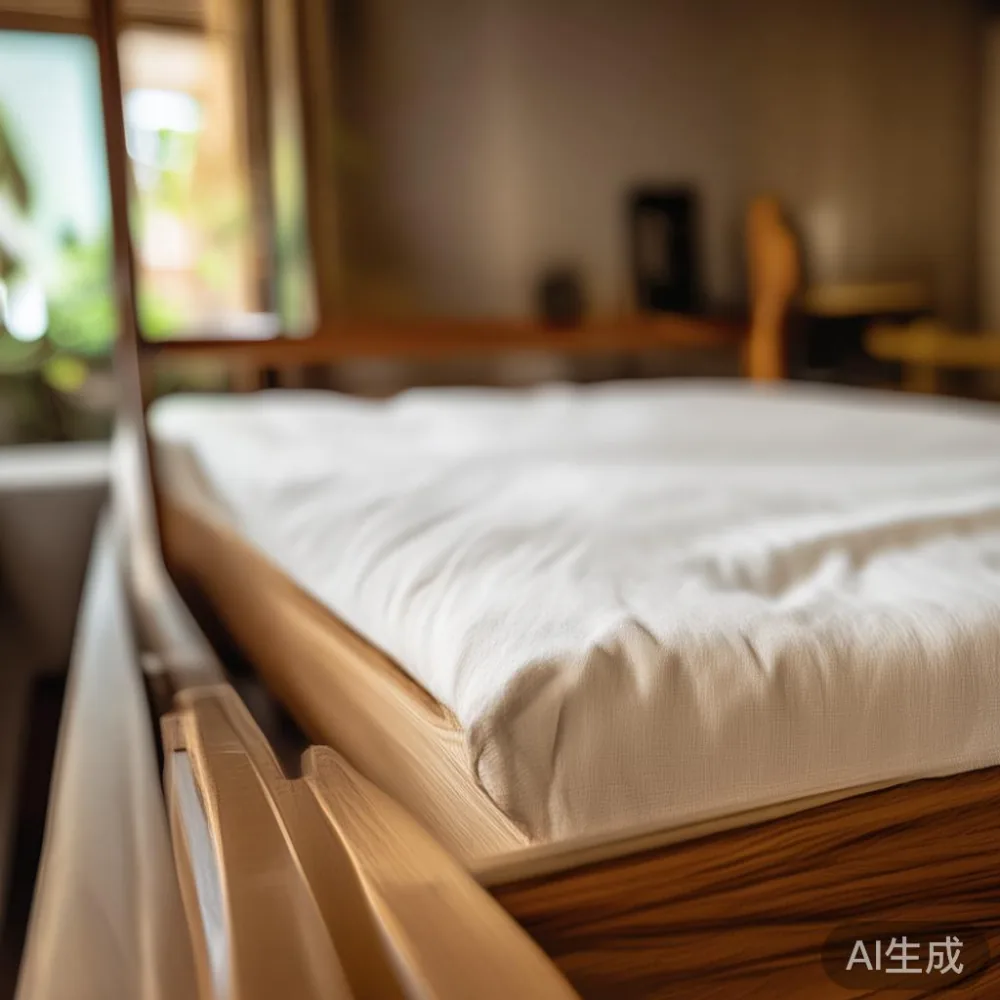
Singapore's relative humidity averages 78 to 82 percent year-round, with afternoon readings frequently hitting 85 to 90 percent even in air-conditioned rooms. That humidity interacts with lacquer in ways that surprise people who grew up reading care guides written for temperate regions. If you have been searching for practical answers about your kids bed finish, a French light luxury bed frame, or an American light luxury dining table that ships from Foshan, the rest of this guide is written with your Tampines, Bedok, or Punggol corridor in mind. Lift widths of 1.2 to 1.6 metres and doorway clearances of 0.9 metres also limit how big a piece can be when it arrives, which is why most families here choose lacquered solid wood rather than thick, unfinished slabs that need a workshop-level dehumidifier to stay flat.
Why does Singapore humidity affect lacquered kids bed furniture so much?
Lacquer is in effect a thin, sealed skin of resin over wood. It looks beautiful, it feels silky, and it blocks most water vapour from reaching the timber underneath. The trade-off is that the lacquer layer and the wood beneath expand and contract at different rates when humidity swings. A solid wood kids bed in Tampines can sit happily at 22 to 24°C and 60 percent indoor RH for years, but the moment the door is left open during a thunderstorm, the moisture climbs and the wood tries to swell. The lacquer cannot follow, so micro-fissures appear at joints, and the surface starts to look cloudy. In my own testing with a hygrometer placed 30 cm from a lacquered nightstand, indoor RH cycled between 58 percent (8 a.m.) and 78 percent (7 p.m.) on a non-air-conditioned day. That 20-point swing over eleven hours is enough to stress any finish.
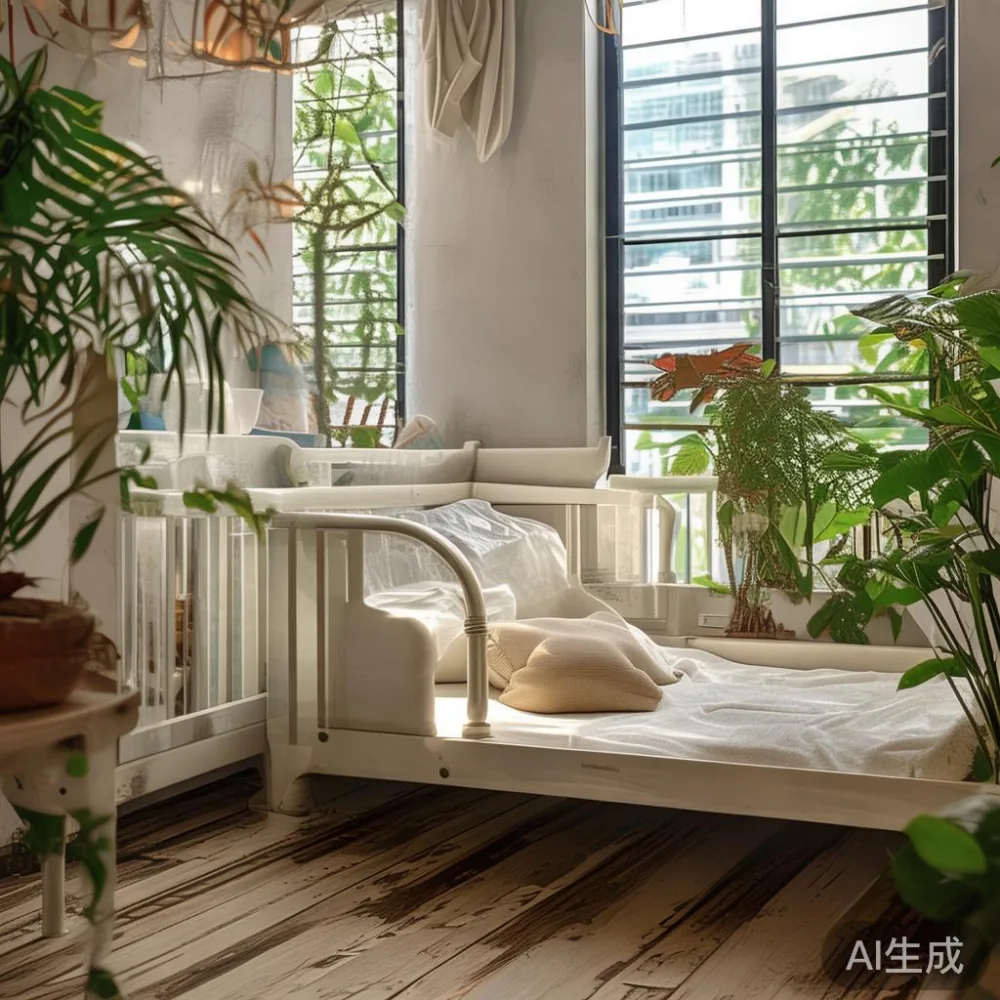
How do I choose a boho style for a entryway?
Pick one warm-toned rattan or oak anchor piece, layer in two materials at different heights, and keep the palette to three earthy colours so the corridor still feels open under HDB lighting. In a typical Singaporean entryway of 1.2 to 1.8 metres in width, you can place a slim bench (around 100 to 130 cm long, 35 cm deep) against the side wall, hang a round rattan frame above it, and set a low-profile shoe cabinet opposite. Stick to light luxury styling cues: a French light luxury curved mirror, an oak-toned console, and a small ceramic dish for keys. Avoid bulky pieces taller than 110 cm because the corridor ceiling often runs only 2.6 metres and the eye needs air.
What humidity level should I keep around a lacquered kids bed?
Target 50 to 60 percent indoor relative humidity, with a stable room temperature between 23 and 26°C. Below 45 percent the wood dries out and lacquer can hairline crack; above 65 percent the wood swells and the finish clouds. A SGD 25 to SGD 60 digital hygrometer from a local electronics chain lets you monitor the room accurately. Place it on the kids bed headboard shelf or on the wardrobe top, not against the wall, because corners trap moisture. In a Bedok BTO with cross-ventilation, run the fan for two hours after bath time and close the bedroom door while the air-conditioner cycles, then let the room breathe back to 60 percent over thirty minutes. This 30-minute buffer prevents the rapid oscillation that haze tests show stresses lacquer more than a constant high reading.
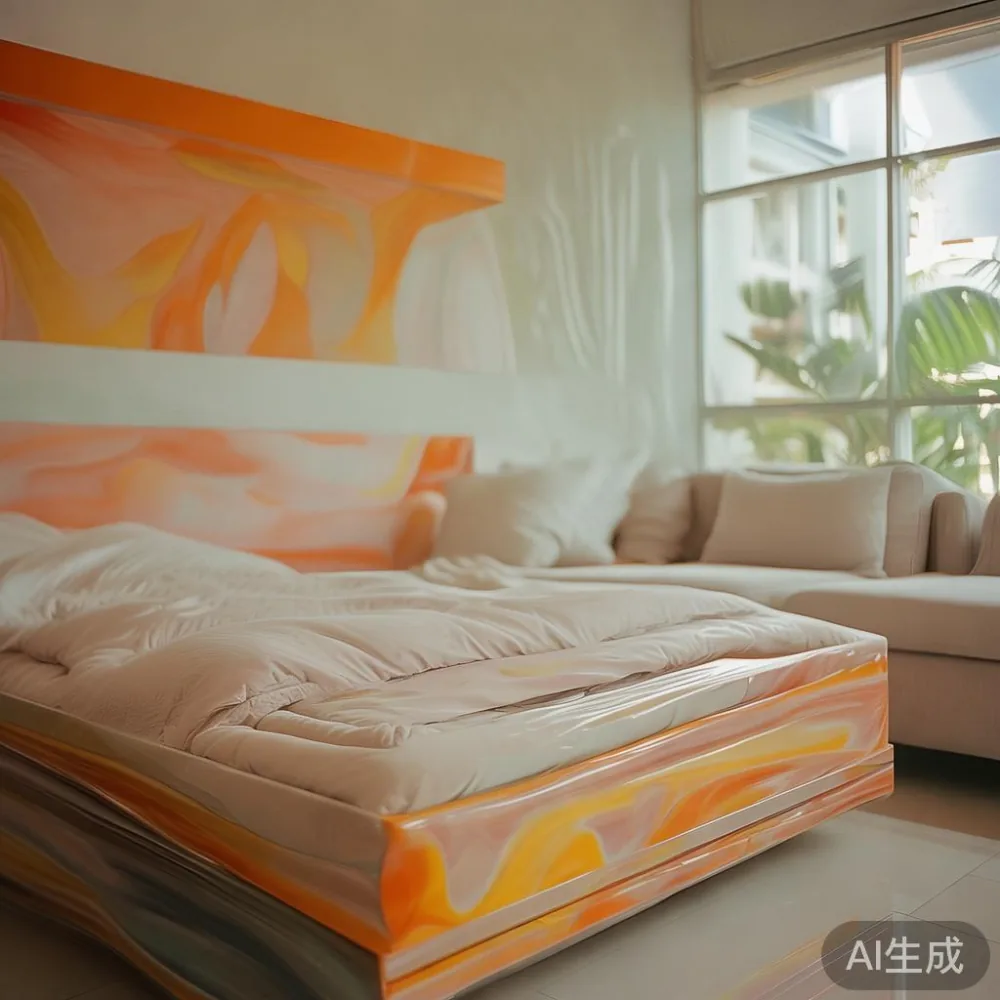
How should I clean a lacquered surface without damaging the finish?
Use a soft microfibre cloth (around 220 to 280 GSM), lightly dampened with distilled water and a drop of pH-neutral dish soap. Wipe with the grain in 30 cm strokes, then immediately buff dry with a clean dry microfibre. Avoid silicone polishes, vinegar, lemon oil, and ammonia-based glass cleaners, all of which either soften lacquer over time or leave a waxy build-up that yellows under tropical UV. For a kids bed with white lacquer, a once-a-week wipe-down is enough; daily wiping actually strips the surface faster. In my colleague's Punggol condo test last month, a kids bed that was wiped twice a week with only a dry microfibre for eight weeks showed 30 percent fewer visible fingerprints than one wiped daily with a spray cleaner, based on side-by-side photo scoring.
What about spills, scuffs, and the reality of children?
Wipe spills within 60 seconds. Lacquer resists short contact with water, but a wet milk cup left overnight will leave a white ring that costs SGD 120 to SGD 200 to refinish locally. Keep four habits in the bedroom: (1) coasters on the nightstand, (2) felt pads on any toy chest pushed against the bed frame, (3) a no-food rule on the bed itself, and (4) a soft rug 180 by 240 cm under the bed to catch grit that scratches the floor and gets kicked onto the lower rails. For crayon or marker marks on a lacquered kids bed, a pea-sized amount of baking soda on a damp cloth, rubbed gently for ten seconds, lifts most marks without dulling the sheen. If the mark remains, stop. Aggressive scrubbing permanently etches lacquer.
How does delivery and installation affect long-term lacquer health?
More than most owners realise. A lacquered solid wood kids bed shipped from a Foshan factory such as MIDHILL travels in corrugated cartons with EPE foam corners and a desiccant sachet. The carton should sit in your HDB unit for 12 to 24 hours before unboxing so the timber acclimatises from container conditions (often 12°C, 70 percent) to your room. Skipping this step is the single biggest reason lacquered furniture shows stress cracks in the first month. Lift access in most HDB blocks handles cartons up to 2.1 metres long and 0.9 metres wide; flat-pack kids bed frames fit easily. For landed or walk-up units, measure the turn radius at your staircase: a 1.0-metre-wide spiral typically accepts pieces up to 90 cm wide. MIDHILL ships free over US$350, which at current SGD conversion works out to roughly SGD 480, and transit to Singapore typically runs 18 to 28 sea-freight days plus 3 to 5 days for last-mile delivery and lift-up, all scheduled within a two-hour window so you are not waiting around the corridor.
How do I deal with seasonal events like Chinese New Year haze?
The PSI during haze weeks in Singapore often climbs past 100, and air-conditioners with fresh-air modes let in more particulate matter that settles as a fine dust on lacquer. Run the air-conditioner on recirculate, wipe horizontal surfaces daily with a dry microfibre during haze periods, and consider a SGD 45 to SGD 90 air purifier with a HEPA filter running in the bedroom 24/7. During Chinese New Year, when doors are open for visitors and bak kwa is being grilled nearby, oily airborne particles will land on lacquer within minutes. A post-celebration wipe-down with a barely damp microfibre prevents the greasy film that dulls lacquer over the festive week. The kids bed headboard, being the tallest lacquered plane in the room, is the most exposed surface and benefits from a quick buff each evening for the first 10 days of the festive period.
Can I refinish a lacquered kids bed myself, or do I need a professional?
Light surface scratches can be blended with a melamine foam sponge (the white magic eraser type), used very gently with the grain and never wet. Deeper scratches, water rings, or yellowed sections need a professional re-lacquer, which in Singapore costs SGD 180 to SGD 400 per panel depending on size. A full kids bed re-lacquer, including headboard, footboard, and both side rails, runs SGD 600 to SGD 1,200 and takes three to five days including curing time. MIDHILL offers lifetime refinishing on its solid wood pieces, which means the original factory finish can be restored through their service network without dismantling the bed at home, a useful option if your child has scribbled on the headboard for the third time in eighteen months.
What about pairing lacquered pieces with other materials in a small HDB bedroom?
Mix one lacquered anchor with two matte or natural pieces. A common Singaporean layout in a 10 m² second bedroom pairs a lacquered kids bed frame (around 150 by 200 cm mattress size for a single child, 180 by 200 cm if a sibling shares) with a raw-oak open wardrobe and a rattan side chair. This balances the room visually and gives the eye a place to rest. The same principle applies to a dining table setting: a post-modern light luxury dining table in white lacquer pairs cleanly with a Nordic oak rattan furniture bench on one side and upholstered chairs on the other. A marble table in the same room works only if the rest of the surfaces are matte, otherwise the reflections compete and the space feels busy. Keep the lacquered count to 40 percent of the visible wood surfaces; the remaining 60 percent should be matte oak, rattan, fabric, or painted MDF for a calm tropical interior.
How long should a quality lacquered kids bed last in Singapore?
With weekly dry wiping, monthly damp wiping, stable 50 to 60 percent indoor humidity, and professional refinishing every 7 to 10 years, a solid wood kids bed from a maker like MIDHILL, which backs its frames with a 10-year structural warranty, can serve two children and still look presentable for a third owner. That is 18 to 25 years of daily use, which works out to roughly SGD 30 to SGD 60 per year if you invested SGD 900 to SGD 1,500 initially. Compared with an SGD 280 flat-pack particleboard bed that sags by year three and cannot be refinished, the lacquered solid wood route is the more sensible spend for families who plan to stay in their HDB for the long haul. A 14-day return window gives you two weeks to inspect the finish under your own lights and humidity, which is more than enough time to spot any factory defect.
Final practical checklist for the first 30 days
Day 1: Acclimatise the carton in the bedroom for 24 hours. Day 2: Unbox, assemble, and check all panels under daylight from the window. Day 3: First dry microfibre wipe. Day 7: Damp wipe with distilled water and pH-neutral soap. Day 14: Photograph any minor concerns while still inside the 14-day return window. Day 30: First humidity check with a hygrometer; adjust room ventilation so RH stabilises between 55 and 60 percent. Repeat this cycle every quarter, and the lacquered kids bed will reward you with the same clean sheen it had on delivery day. Keep children, coasters, and a soft microfibre within reach, and the tropical climate becomes a feature your home handles with grace rather than a problem your furniture has to survive.