What Actually Drives the Price of Solid Wood Kids' Beds?
In the world of home furnishings, few items carry as much weight—both literally and figuratively—as a solid wood kids' bed. For parents in Singapore working through the compact spaces of HDB flats in Tampines or the more generous layouts of condos in Punggol, choosing the right bed involves a careful balance of aesthetics, durability, and budget. But when you see a bed priced at SGD 850 and another at SGD 2,500, what exactly are you paying for? The answer isn't just about wood type; it's a complex interplay of factors that determine the true value of a piece of furniture built to last a childhood and beyond.
Is a Solid Wood Kids' Bed Really Worth the Investment?
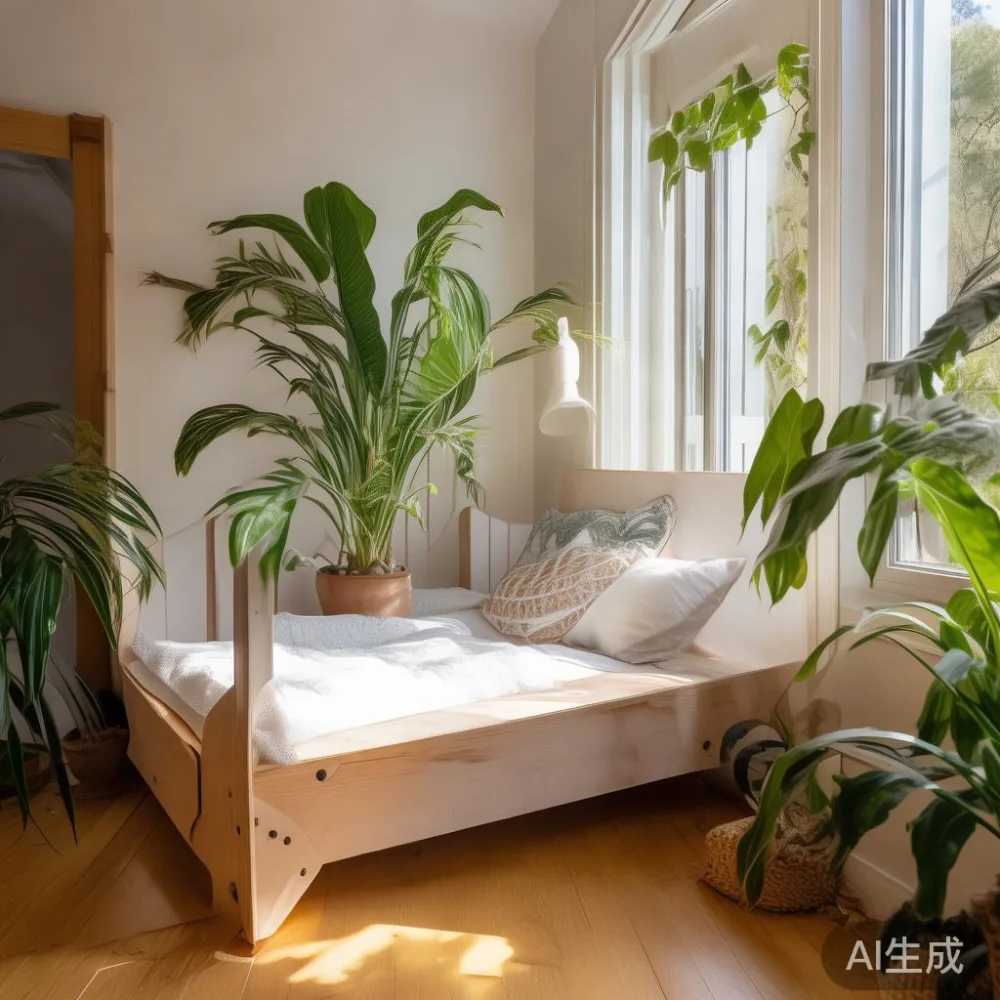
When you stand in a showroom, the price difference between a particleboard bed and a solid wood kids' bed can be staggering. A simple, flat-pack bed might cost SGD 300, while a handcrafted solid wood option could easily exceed SGD 1,800. The initial reaction might be skepticism, but the value proposition becomes clearer when you consider the long-term lifecycle. Solid wood furniture, like that produced by established makers since 2008, is an investment. Unlike engineered materials that may warp, crack, or require replacement within 3-5 years, a well-made solid wood bed can withstand decades of use. This means a single purchase for a child that can potentially be refinished or adapted as they grow, rather than a new bed every few years. Over a 10-year period, the higher initial cost often proves more economical, especially when factoring in the cost of replacements and the hassle of frequent shopping.
The Wood Itself: More Than Just a Tree
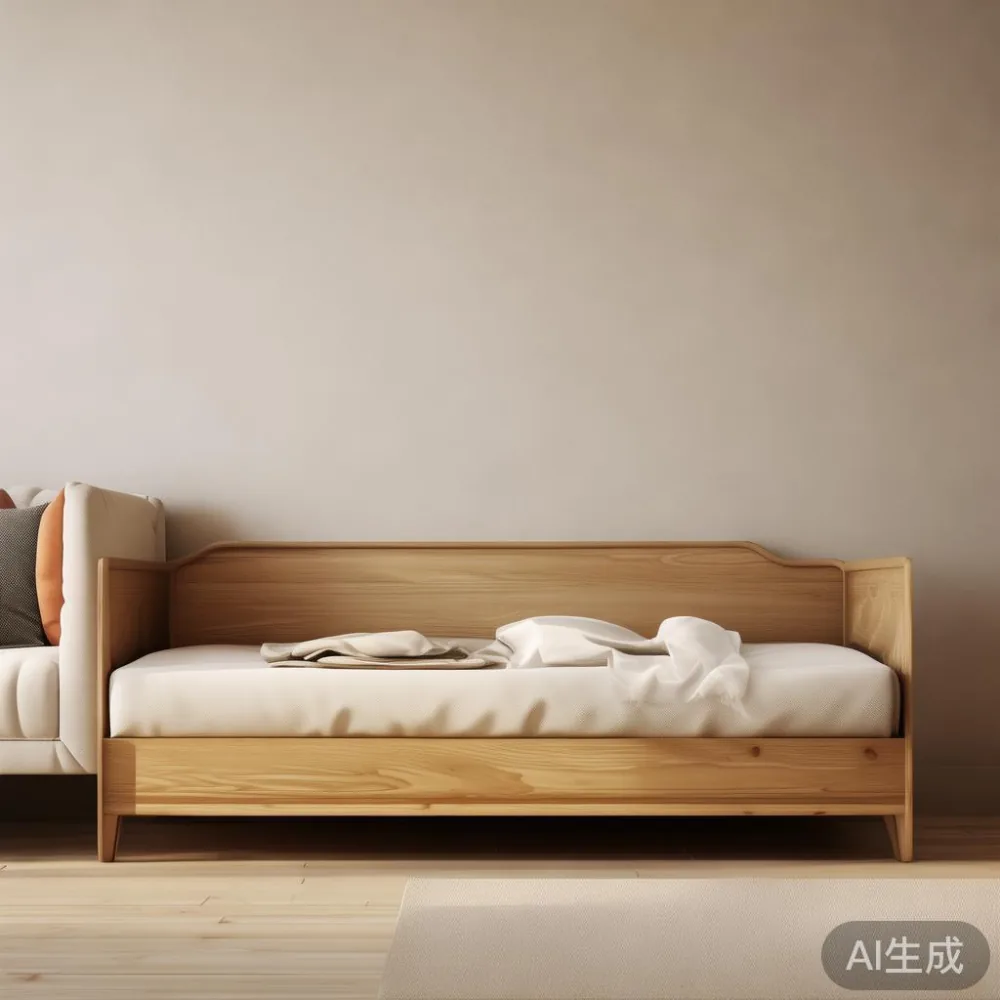
At the heart of any solid wood kids' bed is, of course, the wood. Not all wood is created equal, and this is where the first major price divergence occurs. The type of wood dictates the bed's density, grain pattern, colour, and character. Common choices for kids' beds include rubberwood, a sustainable and relatively affordable hardwood that takes stains well; oak, a durable and classic option with a prominent grain; and maple, a lighter, more uniform hardwood prized for its strength. The origin of the wood also plays a role. A rubberwood bed frame might be priced around SGD 950, while a solid oak version from the same collection could command SGD 1,650 or more. The difference lies in the wood's natural properties. Oak is denser and more resistant to dents, making it ideal for a bed that will see a lot of use. For parents in Singapore, where humidity levels can fluctuate, the stability of the wood is a key consideration. Cheaper woods may be more prone to expanding and contracting in our climate, leading to structural issues over time. The price reflects not just the material itself, but its suitability for the local environment and its ability to withstand the rigors of daily life.
Why Does Craftsmanship Add So Much to the Price?
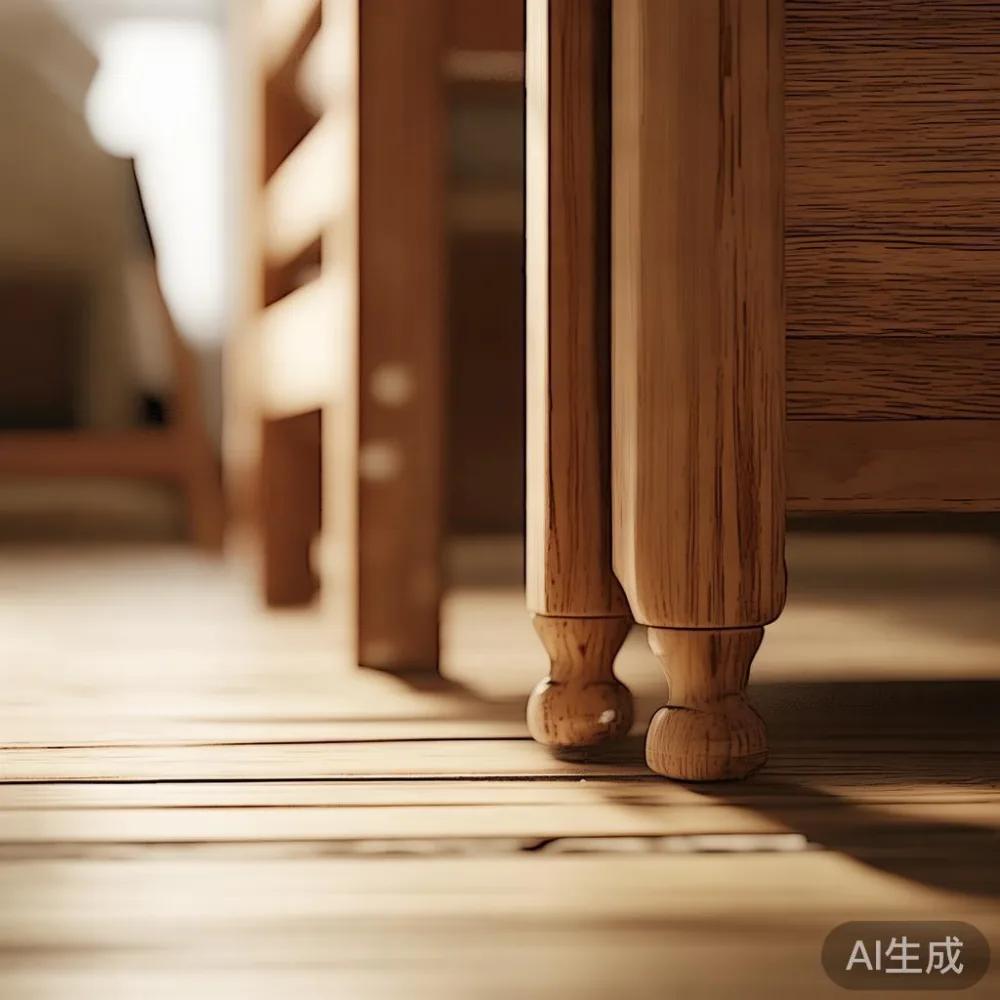
Once the wood is selected, the process of transforming it into a safe, functional, and beautiful kids' bed begins. This is where craftsmanship takes centre stage and significantly impacts the final price. A machine-cut, mass-produced bed can be assembled quickly, with joints held together by staples or simple dowels. In contrast, a handcrafted bed involves a meticulous process of joinery. Look for terms like 'dovetail joints' in drawers or 'mortise and tenon' connections in the frame. These traditional methods create interlocking pieces that are far stronger and more durable than modern alternatives. My colleague, Sarah, visited a workshop last month and observed a master craftsman hand-sanding the edges of a kids' bed frame for over two hours. The goal was to create a perfectly smooth surface, eliminating any sharp edges that could pose a risk to a child. This level of attention to detail is time-consuming and requires skilled labour, which is a primary cost driver. A bed with such craftsmanship will not only be safer but will also maintain its integrity and appearance for years, whereas a poorly constructed one may start to rattle or wobble within the first year. The price of a kids' bed is, in many ways, a direct reflection of the hours of skilled labour invested in its creation.
Design Details and Customisation: The Subtle Price Boosters
Beyond the basic structure, the design elements of a solid wood kids' bed contribute significantly to its price. A simple, rectangular bed frame will naturally be less expensive than one with elaborate details. Consider a bed with built-in storage drawers, a trundle for sleepovers, or a loft design to maximise floor space in a small HDB bedroom. Each of these features adds complexity to the design and manufacturing process. For example, a standard kids' bed might be 190cm long, 90cm wide, and 100cm tall. Adding three drawers beneath the frame increases the number of parts, the precision required for alignment, and the hardware needed. This could easily add SGD 400 to the price. Similarly, the finish is a major factor. A simple, clear lacquer finish is less costly than a hand-applied, multi-step staining and waxing process that enhances the wood's natural grain. For those seeking a specific aesthetic, like a post-modern light luxury style, the design might feature clean lines, minimalist hardware, and a specific colour palette that requires custom mixing. The more specific the design, the more it deviates from a standard, mass-produced model, and the higher the cost. This is why a parents might ask, 'how to style European light luxury sofa in room' – the styling is part of a cohesive, intentional design that commands a premium.
Logistics, Warranties, and After-Sales Support
The final price of a solid wood kids' bed isn't just about the physical product; it also includes the services surrounding it. For a furniture maker exporting to over 15 countries, logistics are a major consideration. A single kids' bed can weigh between 45kg and 75kg, depending on the wood and design. Shipping this heavy item from a workshop in Foshan to a customer in Singapore involves freight costs, insurance, and careful handling to prevent damage. This is why many brands offer free shipping over a certain purchase value, such as SGD 350, which helps to offset these costs for the consumer. When you buy a bed, you are also paying for the peace of mind that comes with a warranty. A 10-year structural warranty is a significant commitment from the manufacturer, promising that the frame will not fail under normal use. This guarantee requires the company to stand behind its quality for a decade, which is factored into the initial price. There's also the matter of returns. A 14-day return policy provides flexibility, but it also means the company must account for potential restocking, inspection, and re-shipping costs. These services add value and reduce the risk for the buyer, and they are part of the total package reflected in the price. The convenience of having a heavy, bulky item delivered directly to your home in Bedok or Tampines and knowing you have recourse if something is wrong is a service worth paying for.
What About the Hidden Costs of Cheaper Alternatives?
When evaluating the price of a solid wood kids' bed, it's equally important to consider the hidden costs associated with cheaper, non-solid wood options. A lower-priced bed might seem like a bargain, but it often comes with compromises that add up over time. Particleboard or MDF (Medium-Density Fiberboard) is susceptible to moisture damage. In Singapore's climate, a spill that isn't cleaned up immediately can cause the board to swell and disintegrate, rendering the bed unusable. This means potential replacement costs of SGD 300 or more every few years. Cheaper furniture also uses inferior hardware—plastic drawer slides that break, screws that strip easily, and weak hinges. Replacing these parts can be a recurring expense. Also, the longevity is a major concern. A kids' bed needs to withstand everything from jumping on the mattress to being used as a climbing frame. Solid wood's natural strength and resilience make it far more capable of handling this abuse than engineered materials. The initial purchase price is only one part of the equation; the total cost of ownership, including repairs, replacements, and the frustration of dealing with subpar furniture, is what truly determines value. A solid wood kids' bed, with its 10-year warranty and promise of a lifetime of refinishing, offers a level of security that cheaper alternatives simply cannot match.
Local Context: Space, Style, and Singaporean Needs
The price of a kids' bed in Singapore is also influenced by the specific needs of local living conditions. HDB flats and condos often have narrow corridors and standard lift sizes, which can limit the size of furniture that can be brought into a home. A bulky, poorly designed bed might not fit through the door or around tight corners, making delivery a nightmare. Furniture makers who understand this local context design their beds with modular components or more compact dimensions to ensure easy installation. This thoughtful design adds a layer of value. Style is another factor. Singaporean homes often blend modern functionality with a touch of elegance. A parent might seek a 'Japanese bed vs French provincial bed' for their child's room, each style bringing a different aesthetic and spatial requirement. The French provincial style, for instance, might feature more ornate details and a larger footprint, influencing its price. The choice of style also extends to other furniture. A parent might be looking for the 'best American wardrobe for 2026' to complement their kids' bed, or they might want to create a cohesive look with 'European light luxury for guest room' pieces. The desire for a harmonious interior design means that the kids' bed is often part of a larger collection, and the price reflects its role in that curated aesthetic. The GST is also a standard component of the final price, applied uniformly across all retailers, but it's the base price before tax that reveals the true cost of the materials and labour.
Making Sense of It All: A Framework for Value
So, when you see the price tag on a solid wood kids' bed, how do you assess if it represents good value? Instead of focusing solely on the number, consider a framework based on material, construction, and service. First, identify the wood type. Is it a durable hardwood like oak or maple, or a softer wood like rubberwood? Second, examine the construction. Are the joints made with traditional, time-tested methods, or are they reliant on staples and glue? Third, look at the brand's reputation and the warranty offered. A company that provides a 10-year structural warranty is confident in its product's quality. Finally, consider the service. Does the company offer reliable delivery, a fair return policy, and responsive customer support? These factors combined create the value proposition. A higher price is justified if it reflects superior materials, expert craftsmanship, and comprehensive after-sales care. It's an investment in a piece of furniture that will be a part of your family's life for many years. As you furnish your home, whether you're searching for 'for sale Coastal furniture' for a beach-themed room or a minimalist Italian light luxury for office space, the principle remains the same: the price is a reflection of the quality, durability, and thoughtfulness that goes into creating a piece you can trust. For parents choosing a kids' bed, this trust is paramount, ensuring a safe, beautiful, and lasting foundation for their child's room.