Kids Bed Costs in Singapore: A 5-Year Comparison of Veneer and Solid Wood
A children’s bed is bought for today, but Singapore families keep it for years: through nursery years, school years, and sometimes a transition into a study room. The sensible comparison is therefore not based on the showroom ticket alone. For a family living in an HDB flat or condo in Tampines, Bedok, or Punggol, the real 5-year cost includes the purchase price, GST, delivery, replacement parts, care products, and the effect of moisture, scratches, lift access, and daily cleaning.
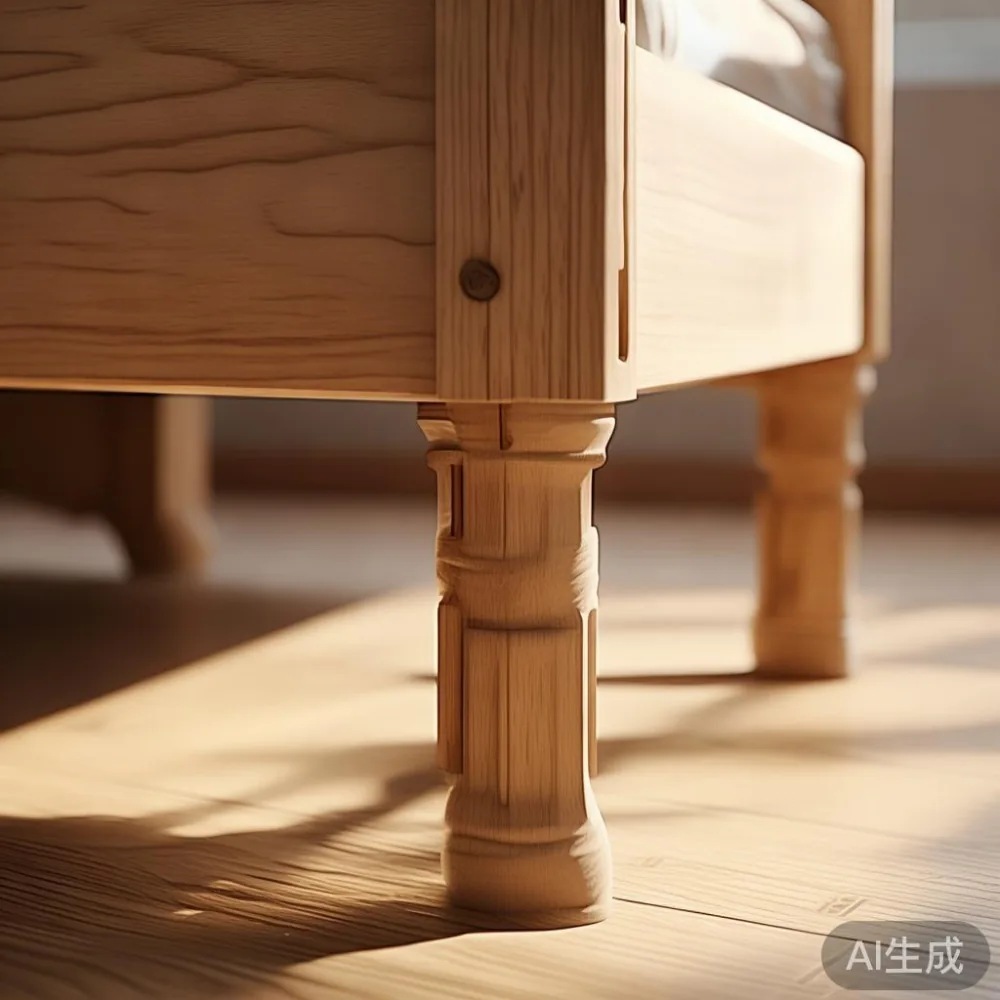
At MIDHILL, we make the comparison from the perspective of furniture that has to work in real homes rather than idealised showrooms. For this article, I priced a typical 90 cm × 190 cm kids bed in 2 configurations: a birch-ply or engineered-wood frame with a veneered finish, and a solid rubberwood or beech frame. The estimates below use Singapore retail assumptions and include 9% GST where relevant. Actual prices change with timber, dimensions, hardware, mattress compatibility, and finish, so a quotation should be checked before purchase.
The numbers are not presented as a promise that one material wins in every household. A well-made veneer bed can be an economical choice for a lightly used room. Solid wood is often more practical when the bed is moved, knocked, scrubbed, or passed to a second child. The useful question is which total cost is more likely to match your family’s use over 5 years.

What does a kids bed really cost over 5 years?
Start with a simple example. A veneered kids bed priced at SGD 320 before GST becomes SGD 348.80 after 9% GST. Add SGD 80 for delivery and installation, SGD 35 for a protective care kit, and SGD 45 per year for replacement hardware or small repairs. Over 5 years, that is SGD 348.80 + SGD 80 + SGD 175 + SGD 225, or approximately SGD 828.80.
A solid rubberwood kids bed priced at SGD 520 before GST becomes SGD 566.80 after GST. Add SGD 100 delivery and installation, SGD 25 for an occasional wax or polish treatment, and SGD 25 per year for minor repairs or replacement parts. The 5-year total is approximately SGD 566.80 + SGD 100 + SGD 125 + SGD 125, or SGD 916.80. In this model, the solid wood bed costs about SGD 88 more over 5 years, despite a SGD 228 higher initial price.
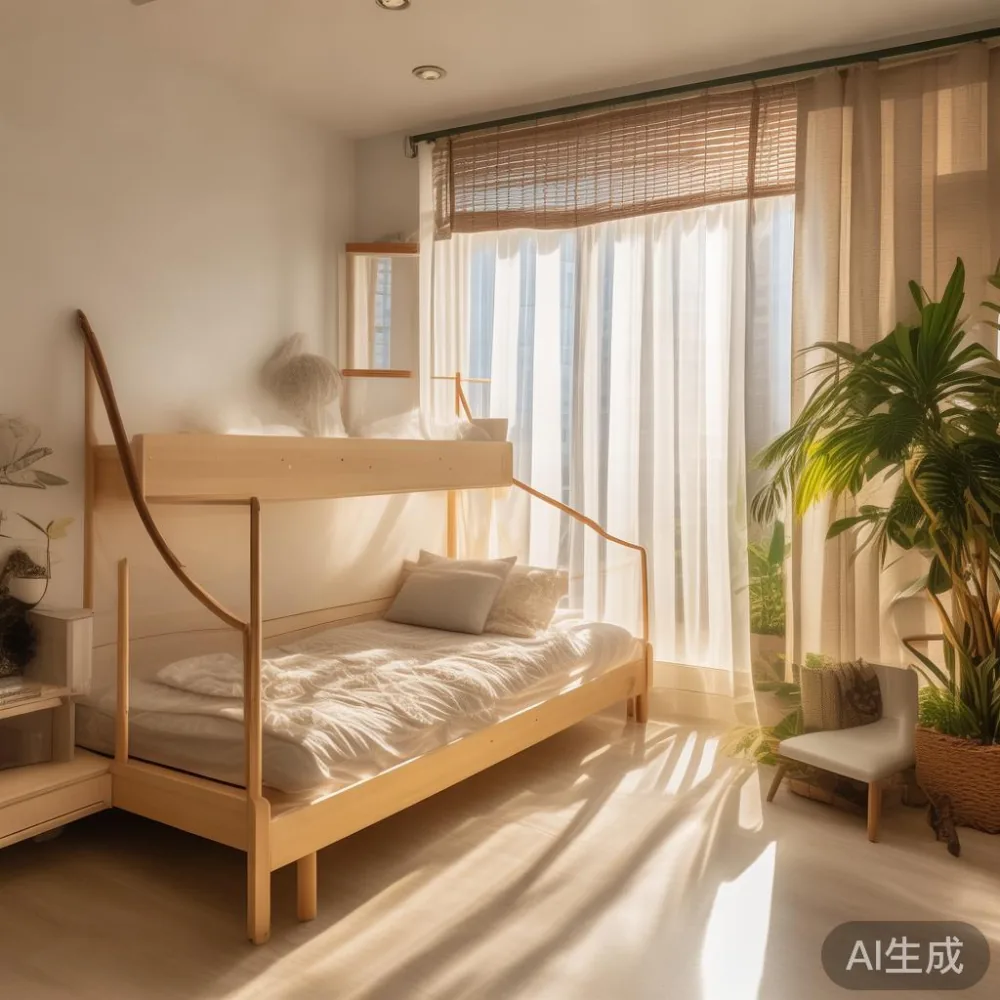
That difference is the point of looking beyond the first invoice. A solid wood frame may not need to be replaced because a corner has swollen after a wet wipe or a lift landing. Veneer can be excellent when its substrate is sealed properly, but its finish and edges deserve attention in a humid, frequently cleaned children’s room. Solid wood can also move slightly with humidity, so it should not be treated as maintenance-free; it simply gives you more options for repair and refinishing over time.
For a larger 120 cm × 200 cm bed used by an older child, the comparison changes. A veneered version may start around SGD 480 before GST, while solid rubberwood may start around SGD 760. With the same delivery, care, and repair assumptions used above, the 5-year totals would be roughly SGD 1,114 and SGD 1,308 respectively. The saving from choosing veneer is about SGD 194, but it depends on how many years the larger bed remains in use and how often it is moved.
Is veneer cheaper than solid wood for a kids bed?
Usually, yes. A veneered kids bed can cost around SGD 300–SGD 550 before GST, while a comparable solid wood kids bed may range from SGD 520–SGD 900 before GST. The reason is manufacturing: a thin, controlled veneer layer uses less high-grade timber than a solid timber frame, and engineered components can be shaped efficiently. Solid wood uses more material and often more machining, so the higher price reflects more timber and a different repair profile.
Do not compare only the model names. Check the actual construction. A 90 cm bed should ideally have a frame depth of about 18–22 cm, a load capacity specified by the maker, and a mattress height that keeps the child’s feet supported. The visible finish may be veneer, while hidden rails and legs may be another material. Ask whether the bedside edges are solid or faced, how joints are fixed, and whether replacement slats or hardware are available.
In a Tampines HDB flat, a compact 90 cm bed may fit along a 240 cm wall with 150 cm of clearance in front. A 120 cm bed can work in a room with a 280 cm wall, but the mattress and side table still need space. A Punggol condo bedroom with a 300 cm wall gives more freedom, yet lift and corridor dimensions still matter during delivery. Measure the route before ordering: a 90 cm × 190 cm bed may pass through a 90 cm doorway with little room to turn, whereas a boxed solid wood bed can be awkward in a narrow lift.
How much do delivery and installation add in Singapore?
For a locally assembled or flat-packed bed, delivery is often SGD 50–SGD 90. A solid wood bed delivered as a larger assembled unit may cost SGD 100–SGD 180, especially if the building has a long corridor or a restricted service lift. Some suppliers include delivery above a certain order value, while others charge separately for carrying the package upstairs. Confirm whether the quoted service includes unpacking, assembly, and removal of packaging.
Singapore’s 9% GST applies to the sale price unless the transaction qualifies for a zero-rated export or another specific treatment. For a household comparison, budgeting 9% on the displayed price is straightforward. If you purchase through an export-oriented seller, ask how GST, customs, and local delivery are handled for your Singapore address rather than assuming the online price is the landed price.
Delivery time is another practical cost. A locally stocked model may arrive within 3–7 working days after payment. A made-to-order solid wood frame may require 4–8 weeks, or 28–56 calendar days, depending on timber availability and finishing. The bed is not a useful purchase if it arrives after the child’s school term begins, so include the delivery date in the decision. A 2-week wait can be acceptable; a 6-week delay may require a temporary sleeping arrangement.
My colleague in our Foshan showroom tested a 90 cm solid wood frame last month by moving it through a mock 85 cm corridor and a 90 cm lift. The solid frame passed, but its assembled corner needed careful angling. A flat-packed veneered bed with detachable legs was easier to manoeuvre. That test did not prove one material is superior; it showed that packaging design can be as important as timber.
Which material handles Singapore humidity and daily family use better?
Singapore’s humid climate makes stable construction important. Veneer is thin, so it responds to moisture movement in its substrate. If the substrate is well sealed and the edges are protected, a veneered bed can remain attractive for 5 years. Watch for delamination, bubbling, or swelling around screw holes and joints. Keep the frame away from standing water, wipe spills promptly, and avoid placing damp towels against the panels.
Solid wood generally tolerates small knocks and isolated scratches more forgivingly. A deep mark can sometimes be sanded and refinished, provided the affected area has enough veneer-free surface. This is one reason MIDHILL offers a 10-year structural warranty and lifetime refinishing on qualifying solid wood furniture: repairability is part of the longer-term value proposition, not simply a marketing line. A family should still follow care instructions, because no finish is immune to heat, chemicals, or prolonged moisture.
For a child’s room, consider the surface area that gets touched. The bed rail, footboard, ladder, and bedside edge receive more contact than the underside. Solid wood around those high-contact areas can be practical. If you choose veneer, ask for sealed edges, recessed screws where possible, and a finish rated for normal household use. A small 10 cm test cloth or colour sample is worth seeing in the room’s lighting before confirming.
Light-luxury design can work with either material. A pale oak veneer can create an airy post-modern light luxury bedroom without making the room feel heavy. A solid ash or beech frame can be paired with linen bedding and simple wall colours for a French light luxury feel. The visual effect comes from proportions, finish, and textiles as much as from the timber species.
What are the hidden costs of caring for a kids bed?
Budget about SGD 20–SGD 60 for a 5-year care allowance on a veneered model, depending on whether you buy a dedicated cleaner and replacement hardware. For solid wood, a comparable allowance might be SGD 60–SGD 140 if you plan one or two refinishing sessions. These are planning figures, not fixed charges. A gentle wood cleaner, soft cloth, and occasional wax can be enough, but harsh bleach, ammonia-based cleaners, and steam cleaning can dull the finish.
Replacement items should be considered before they fail. Slats, screws, glide pads, and ladder treads may wear at different speeds. A 90 cm bed with 12–14 supporting slats may need spacing checked every 12 months. Keep the mattress within the maker’s size range; an oversized mattress can overload the side rails and create noise. A child’s bed should also be checked for protruding screws and loose joints every 6 months.
At 5 years, the child may have outgrown the 90 cm model and need a 120 cm × 200 cm frame. If the original bed is moved into a study area or guest room, its resale or reuse value matters. Veneer can be attractive for a first bedroom, but solid wood often feels easier to hand down because it can be repaired. Do not price a hypothetical resale value into the calculation unless you have a realistic buyer; 5-year ownership cost should focus on what you will actually use.
Can a solid wood kids bed be worth the higher starting price?
It can be when the bed is moved, shared, scrubbed, or expected to remain in the family for many years. It may also be worthwhile if the finish can be renewed rather than replaced. The higher price buys more repairability and material depth, but only if you value those qualities. If the bed will be used gently in a compact bedroom and replaced after 5 years, a carefully made veneer frame may be the more rational budget choice.
Use a decision grid. For a lightly used HDB room with limited space and a fixed budget, compare the veneered option at about SGD 349, SGD 349 plus SGD 80 delivery, and approximately SGD 829 over 5 years. For a frequently used bed in a Bedok or Punggol family home, compare the solid wood option at about SGD 567, SGD 567 plus SGD 100 delivery, and approximately SGD 917 over 5 years. Then add the cost of your own time, the number of moves, and the likelihood of future repair.
Style should not distort that arithmetic, although it is useful to keep in mind how to style light luxury sofa in apartment living when a study or shared room needs a coordinated finish, or how to style Japandi bed in room layouts where low visual clutter matters. For a larger furnishing project, Italian light luxury for apartment interiors can be interpreted with warm timber and restrained detailing. If you are researching top 10 French provincial furniture ideas for a child’s room, the bed should still be scaled to the space; a 200 cm frame cannot overcome a narrow corridor.
Other furniture terms can provide a useful reference point. A solid wood sofa is generally heavier, often around 45–80 kg for a 2-seater, and may need a more considered delivery route. A bed frame, dining table, wardrobe, nightstand, and marble table each have different care and access requirements, so a child’s bed should not be judged by the weight or delivery method of those larger pieces. An accent chair is separate from the bed decision; if you are browsing a Mid-century modern accent chair, check its footprint before adding it to a compact bedroom.
What should I check before ordering a kids bed in Singapore?
Ask for the 5-year ownership estimate in writing, including GST, delivery, assembly, and expected care products. Confirm the bed’s external dimensions, mattress compatibility, maximum load, guardrail height, and whether the finish is suitable for humid conditions. For solid wood, request the timber species, moisture or finishing information, and the warranty terms. For veneer, ask how the edges and joints are sealed, and whether replacement components can be ordered.
Measure the route, not just the room. Record the narrowest lift door, corridor width, stair turns, and the distance from the lift to the bedroom door. Allow 5–10 cm of clearance for packaging and handholds where possible. Check the delivery window in calendar days and whether a failed delivery attempt incurs a fee.
Look at the entire room rather than an isolated bed frame. A 90 cm × 190 cm kids bed in a 220 cm-wide room can leave too little space for a nightstand and walking clearance. A 120 cm × 200 cm frame needs a larger footprint, but it may last longer for a child aged 7–12. Use a 3-year, 5-year, and 10-year horizon: the best-looking option today may not be the most economical over time.
For a direct material comparison, visit www.midhill.co and request a side-by-side quotation with the same dimensions, finish, hardware, and delivery destination. The most useful purchase is not the one with the smallest ticket. It is the kids bed that fits the building, suits the child’s habits, and can still look good after 1,825 days of ordinary family life.