How can I match a kids bed and solid wood furniture to a warm minimal interior without losing the cosy feeling?
I spent the second half of last month flat-hunting with a colleague who had just moved back to Tampines after eight years in Melbourne. She kept pointing at three-room HDB units and asking the agent the same two questions: how wide is the service lift, and will a 1.8 m dining table actually fit through the corridor on the 12th floor? That little detail tells you almost everything you need to know about buying furniture for a warm minimal interior in Singapore. The pieces have to be the right scale, in the right wood, and able to physically get up the building. I watched her reject a beautiful solid wood sofa at 2.4 m wide, not because she disliked it, but because she measured the lift opening at 1.1 m and did the maths on the spot.
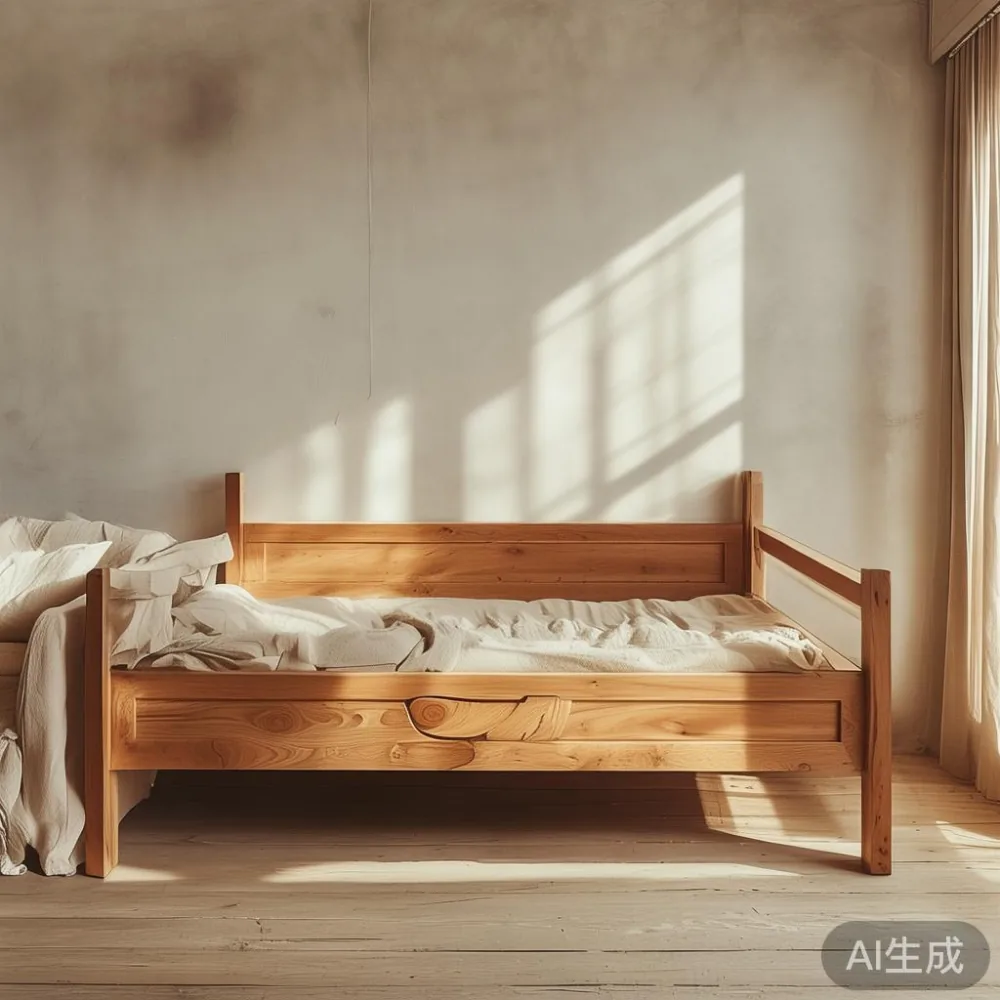
Warm minimalism in a Singapore context is not the cold, white-box aesthetic you see in Tokyo or Copenhagen show flats. It is closer to post-modern light luxury: quiet shapes, soft travertine or oak tones, one or two pieces with a little weight to them, and a kids bed that feels like it belongs to the family rather than to a catalogue. In a 90 sqm condo in Punggol, you are usually working with a 3 m living run, a 2.7 m master bedroom, and a 2.3 m second bedroom that has to do guest duty and sleep a four-year-old. The furniture has to multitask, the materials have to survive humidity at 80-90% RH, and the budget still has to clear GST at nine percent on top of the sticker price. The aim of this guide is to walk through, piece by piece, how to match a kids bed, a bed frame, a dining table, a nightstand, a wardrobe, and the occasional marble table to a warm minimal palette, with the actual numbers a Singapore buyer will care about.
What does "warm minimal" actually mean for a HDB or condo interior?
Warm minimalism is a Scandinavian shell filled with southern European ingredients: clean lines, low visual noise, but layered with honey-coloured timber, brushed brass, boucle or linen upholstery, and the soft curve of a travertine or beige sintered stone surface. It is the look you will find in design hotels such as the Patina in Kapitolong or the new Quincy in Bedok, and it is the look most Singapore families actually want once they have lived through two years of glossy white-and-grey showrooms. The colour temperature sits between 2700K and 3000K, the woods run from natural oak to walnut to a green ash wood bed option that reads slightly cooler and pairs beautifully with white walls, and the metals are almost always brass, antique gold, or blackened steel rather than chrome.
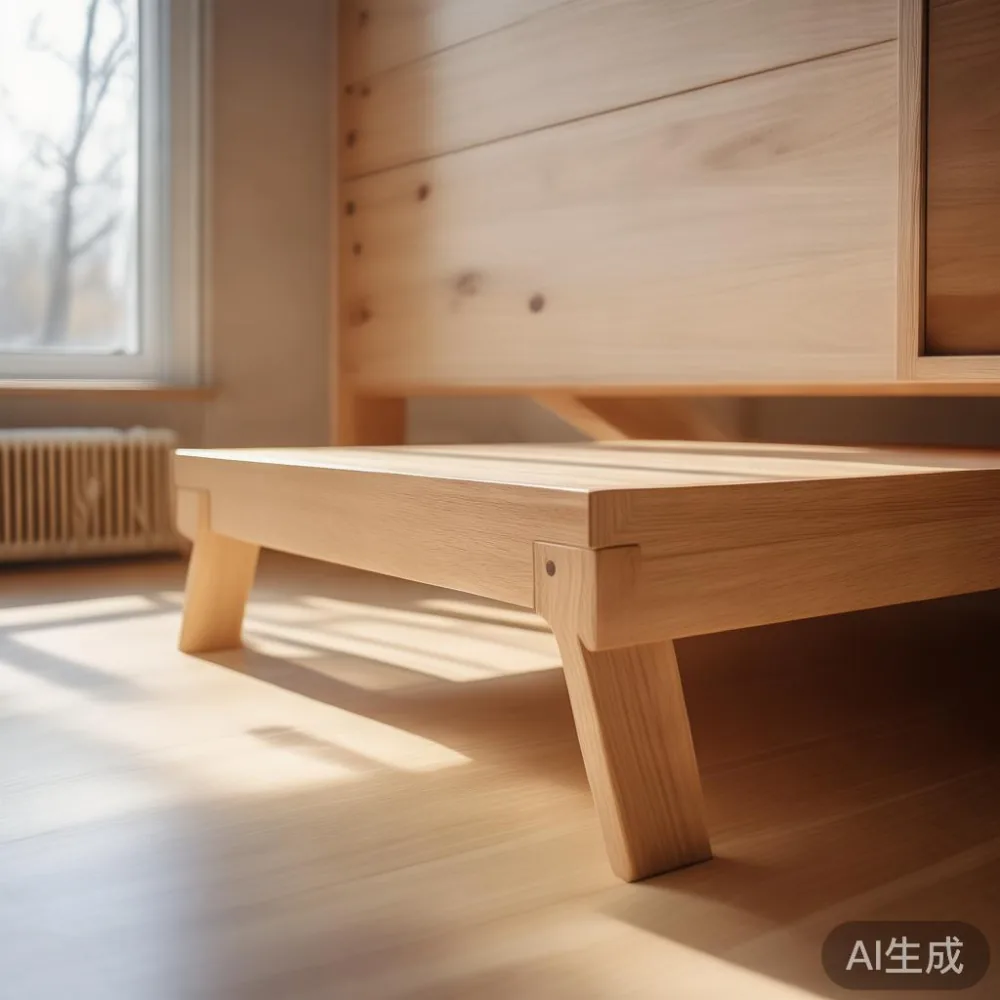
For a typical four-room HDB in Tampines or Bedok, I would budget roughly SGD 14,000 to SGD 22,000 for the main furniture package before GST. That covers a solid wood sofa at SGD 1,800-SGD 3,200, a 1.6-1.8 m dining table at SGD 2,400-SGD 4,200, a queen bed frame at SGD 1,200-SGD 2,800, a kids bed at SGD 900-SGD 1,800, two nightstands at SGD 450-SGD 900 for the pair, a two-door wardrobe at SGD 2,000-SGD 3,500, and one statement piece such as a round marble table at SGD 1,500-SGD 2,800. A credible French light luxury or American light luxury supplier will sit in the middle of those ranges; a fast-shipped flat-pack will sit at the bottom and will not last past the third move.
How do I scale a kids bed so the room still reads as minimal?
The most common failure I see in Singapore family bedrooms is a kids bed that is too tall, too wide, or both. In a 2.3 m by 2.7 m second bedroom, a standard 1.5 m by 2.0 m kids bed will eat 32% of the floor area and the room will feel like a dormitory. The smarter move is a low-platform kids bed at 1.2 m by 2.0 m or a house-frame kids bed at 1.4 m by 2.0 m with a clearance of 16 cm under the slats. That gives you under-bed drawer storage for toys and spare linen, which in a HDB is worth more than another 0.4 sqm of floor.
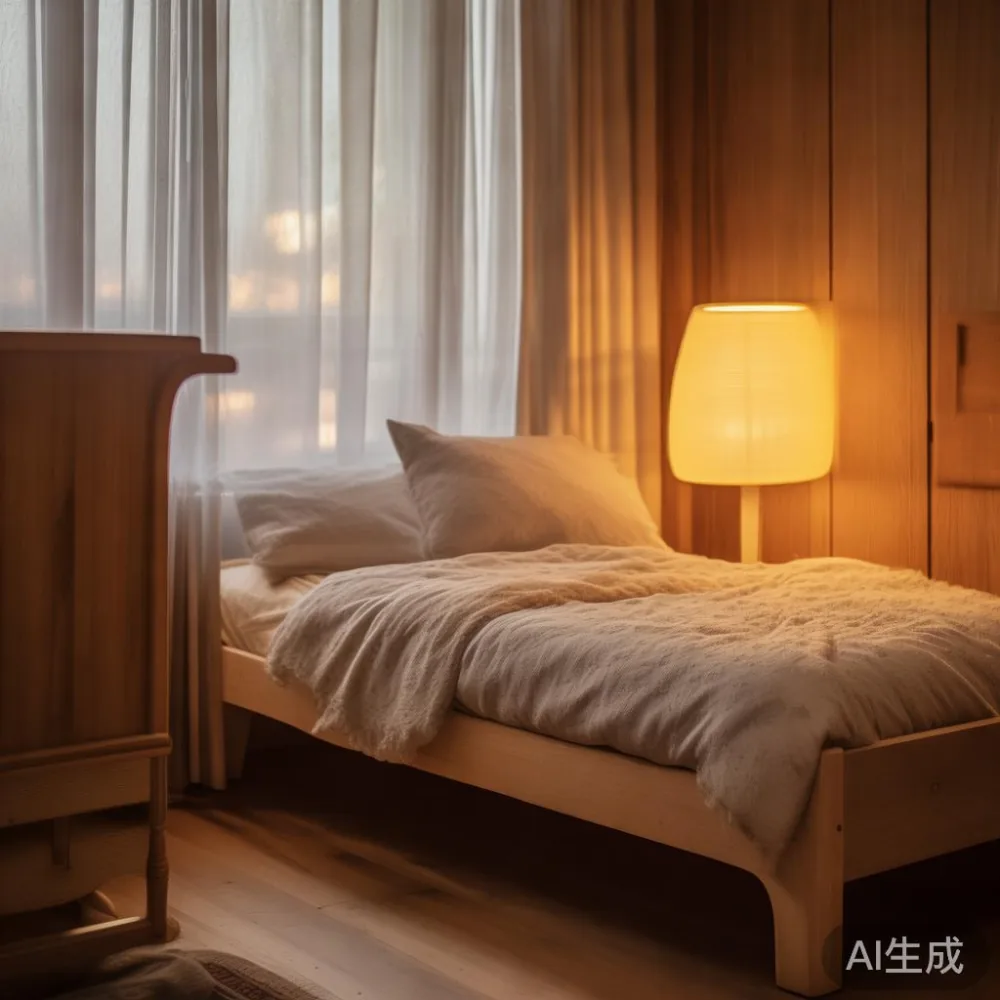
Material choice matters as much as size. A solid ash or solid beech kids bed in a warm honey stain will read as part of the same family as the parents' queen bed frame in the next room. If you want a slightly cooler, more architectural look, ask for a green ash wood bed with a white-wax or natural oil finish; the grain stays visible but the undertone is grey-green, which sits well against off-white walls (Dulux 30YY 83/026 or Jotun Pure Color 1624) and a boucle armchair. For longevity, look for a kids bed with a load rating of at least 120 kg, mortise-and-tenon or dowel joinery rather than only screws, and a slat spacing of 5-7 cm so a toddler cannot trap a finger. A decent kids bed in this category runs SGD 900-SGD 1,800 in Singapore, including basic kerbside delivery, and most suppliers will quote 21-35 working days for a made-to-order piece.
How do I choose a metal furniture for a home office?
Pick metal furniture for a home office by choosing blackened-steel or brushed-brass frames that visually disappear into a warm minimal scheme, by limiting metal pieces to two per room, and by prioritising weight, joinery, and a powder-coated or PVD finish rated for Singapore humidity rather than chasing a single "best" style. In a Singapore bedroom-corner study, the easiest way to break a warm minimal look is to drop in a shiny chrome desk or a glass-and-chrome filing cabinet. Both will fight the timber, the linen, and the soft lighting you have spent weeks getting right. Blackened steel at 1.2 mm wall thickness, brushed brass at a PVD finish, or powder-coated aluminium in matte cream are the three finishes that read as warm minimal. Everything else reads as office.
On size, a home-office desk in a HDB study corner should sit at 120-140 cm wide, 60 cm deep, and 72-75 cm tall, with a legroom height of at least 64 cm. A small steel bookcase at 80 cm wide by 35 cm deep by 180 cm tall will hold about 35 hardcovers without anchoring to the wall, which matters because many HDB walls have concealed conduits. For corrosion-protection behaviour, ask the supplier whether the steel is cold-rolled and whether the coating is epoxy-polyester powder at 60-80 microns; anything below 40 microns will pit within 18 months in a non-aircon corridor. A creditable blackened-steel desk in this category runs SGD 850-SGD 1,600 before GST, and a matching steel-and-walnut bookcase runs SGD 1,100-SGD 2,000. The brands that get this right in Singapore tend to be the same brands that do solid wood sofa frames, which is why buying a full package from one maker usually gives you a quieter palette than mixing three.
Which solid wood tones actually work for a Singapore warm minimal scheme?
There are four timber tones that consistently read as warm minimal in Singapore light: pale European oak, honey ash, mid-walnut, and a slightly smoked oak. Anything redder than merbau will fight beige walls, and anything greyer than driftwood will fight boucle and linen. For families who want one timber across a solid wood sofa frame, dining table, bed frame, kids bed, nightstand, and wardrobe, ash is usually the most forgiving because it takes both warm and cool finishes without going muddy.
A full ash package from a Foshan workshop such as MIDHILL, which has shipped solid wood pieces to 15+ countries since 2008, will quote roughly SGD 12,000-SGD 18,000 for a five-piece set: a 2.2 m solid wood sofa frame, a 1.8 m dining table, a queen bed frame, two nightstands, and a three-door wardrobe. That is comparable to a single-o-terra flat-pack set from a regional retailer, and you get a 10-year structural warranty plus lifetime refinishing, which in Singapore humidity is worth real money because no timber piece will look perfect after eight years without a sand-and-oil. If you want to spend less, keep the dining table and kids bed in solid timber and let the nightstand and wardrobe be veneered; the eye will not catch the difference at 2 m distance.
Which stone surfaces belong in a warm minimal interior?
For a warm minimal interior, choose stone surfaces in travertine, Crema Marfil, beige sintered stone, or honed Carrara rather than polished black granite or high-gloss quartz with grey veining. The whole point of warm minimal is that the stone should look like it has been in the ground for a million years, not like it has been printed yesterday. In a Singapore condo, the easiest place to over-spec stone is the dining table top, where a 1.4-1.8 m round marble table at SGD 1,800-SGD 3,200 will anchor the entire living room.
Travertine is porous and will mark in a HDB kitchen, so I usually steer families toward sintered stone at 12 mm thickness for a dining table top and toward real marble only for the coffee table or console. A round 90 cm marble table with a honed finish, paired with two boucle armchairs, will read as post-modern light luxury and will not dominate a 3 m living room the way a rectangular 1.4 m marble table will. If you have young kids, skip the polished marble entirely and go for honed or leather-finished; a wine drop on a polished cup will sit there until you buff it out, and on a honed cup it will fade by morning.
How do I get delivery through a HDB lift and corridor without damaging anything?
To get furniture through a HDB lift and corridor without damage, confirm the service lift clear opening (typically 1.1 m wide by 2.1 m tall on older blocks and 1.2 m by 2.3 m on newer ones in Punggol), measure your corridor turn radius, ask the supplier to disassemble the headboard and footboard of any bed frame and the legs of any dining table, and budget 21-35 working days for made-to-order pieces plus SGD 80-SGD 220 for a two-man delivery that actually carries the boxes inside, not just to the lift lobby. Singapore delivery is one of the most underrated cost lines and the single most common reason a beautiful piece ends up scratched on day one.
In Tampines and Bedok, the older blocks tend to have narrower service lifts and tighter U-turns at the stairwell. In Punggol and Sengkang, the newer BTOs are friendlier but still have a 1.5 m corridor width, which means a 2.4 m solid wood sofa will not pivot without removing the legs. A good supplier will quote kerbside, lift-lobby, or room-of-choice delivery as three separate line items, and a credible one will send a surveyor for SGD 5-SGD 25 to measure before production. MIDHILL, for example, ships solid wood packages into Singapore with room-of-choice delivery included over a US$350 free-shipping threshold, which works out to roughly SGD 480, and the boxes are sized to clear a 1.1 m lift opening without tilting. That kind of detail is invisible on a price list and obvious on moving day.
What is the right budget allocation across the package?
The right budget allocation for a warm minimal Singapore home is roughly 30-35% on the sofa and dining seating, 20-25% on the bed frame and kids bed, 15-20% on wardrobes and storage, 10-15% on stone and accent pieces, and 10-15% on delivery, assembly, and a small contingency for that one piece you will want to swap after six months. Total package, including GST, sits in the SGD 16,000-SGD 28,000 range for a 4-room HDB and SGD 22,000-SGD 40,000 for a three-bed condo. Anything below that is either flat-pack, a single material, or a category you have not yet noticed is missing.
If your budget is tight, the one place I would not compromise is the dining table and the bed frame, because both pieces carry load every day and both are expensive to replace. The kids bed, the nightstand, and the marble table can all be swapped in two to four years as your child grows and your taste firms up. A credible supplier should also offer a 14-day returns window and at least a 10-year structural warranty, and the best suppliers in this category will offer lifetime refinishing on solid timber. Ask for it in writing, in the quote, with the grain, the joinery, the finish, and the lead time of 21-35 working days all spelled out, because in Singapore humidity the warranty is the only thing standing between you and a warped tabletop in year three.