Lacquered Solid Wood Kids Beds in Singapore: How to Keep the Finish Beautiful in a Tropical Climate
I keep a mental list of furniture questions I get from Singapore families, and the one that comes up most often is some version of this: "We bought a lovely lacquered kids bed from a regional brand, and within six months the surface looks dull, sticky, or cloudy. What went wrong?" The honest answer is usually nothing went wrong with the wood itself. The lacquer simply met a tropical climate, and most buyers were never told how a lacquered solid wood surface behaves at 32°C and 85% relative humidity. Last month I visited a 4-room HDB flat in Bedok where the family had placed a light-luxury kids bed near a window that gets direct afternoon sun. The headboard panel had developed a faint orange tint on one side. The frame was fine. The finish was reacting to its environment, not failing as a product.
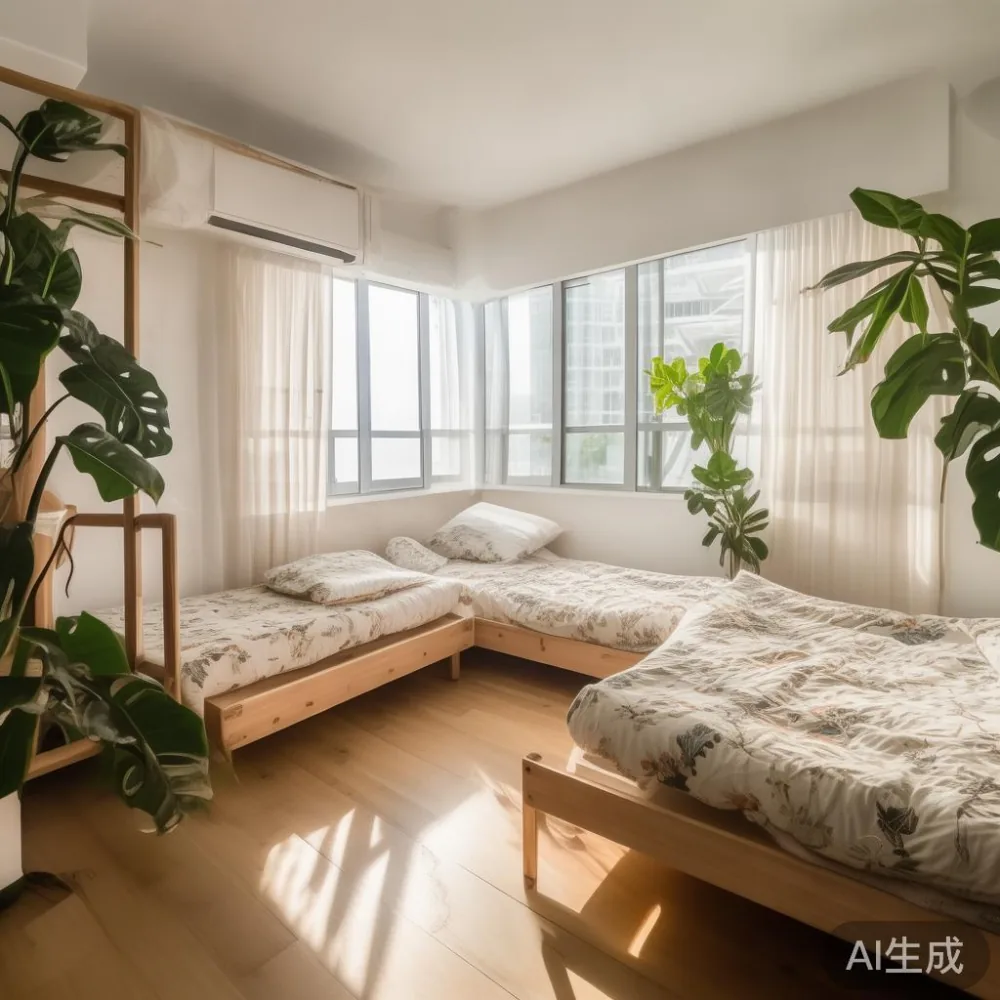
This matters because Singapore is a stress test for any lacquered solid wood furniture. You have stable year-round temperatures between 24°C and 33°C, humidity that swings between 60% and 95% during monsoon weeks, strong equatorial sunlight, and air-conditioning cycles that drop room humidity to 40% for eight hours a day. A lacquered bed frame, dining table, wardrobe, or nightstand has to survive all of that, plus crayon, milk spills, and the occasional furniture-as-trampoline incident from a five-year-old. Understanding the finish is the difference between a kids bed that still looks handsome when your second child inherits it and one that needs a full refinish at year three.
MIDHILL, a Foshan maker established in 2008, has exported lacquered solid wood pieces to more than fifteen countries, including a steady channel into Singapore through condo and HDB showrooms. Their approach is useful to study because they pair post-modern light luxury silhouettes with a multi-coat lacquer system and back the structure with a 10-year warranty. The conversation below uses their care guidance as a reference point, but the principles apply to any well-built lacquered kids bed, bed frame, dining table, wardrobe, nightstand, or marble-accented side table in a Singapore home.
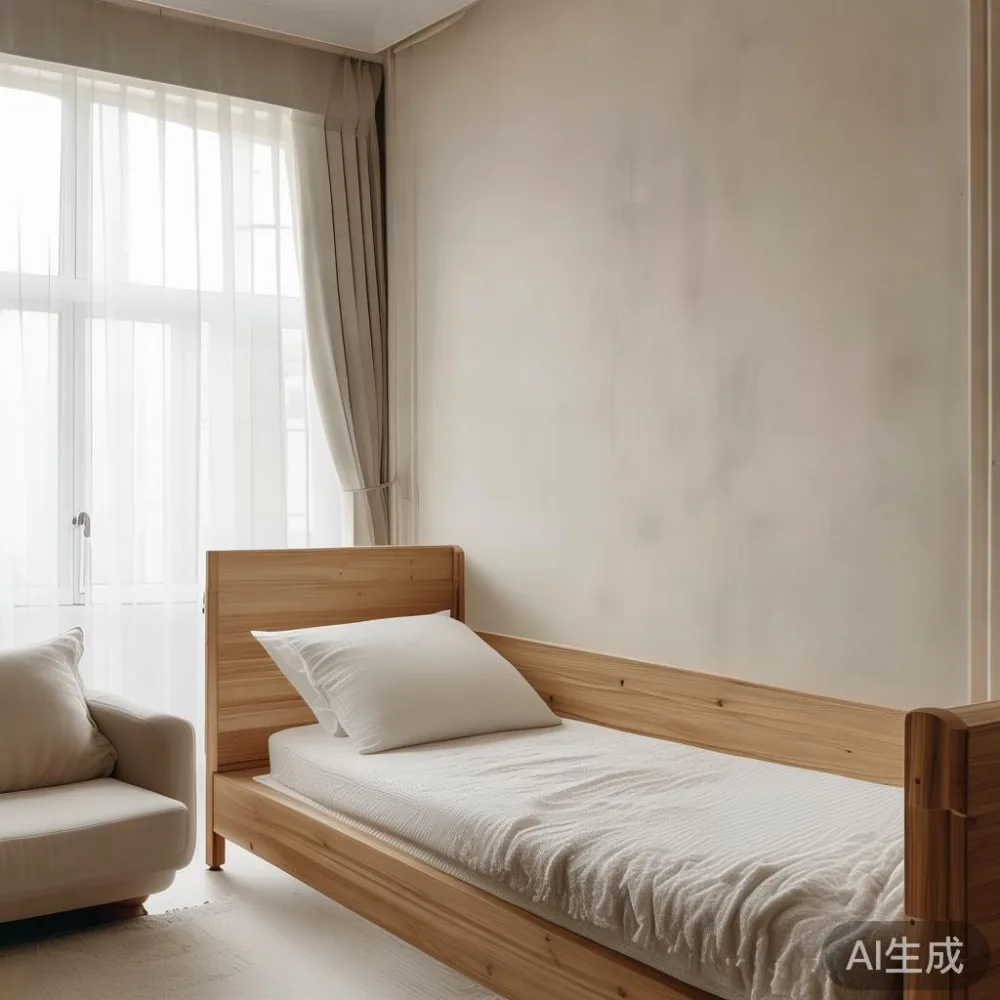
Why Does Singapore's Climate Beat Up Lacquered Surfaces So Quickly?
Lacquer is a film finish. It sits on top of the wood as a clear, hard skin, usually built from three to seven coats of polyurethane, acid-catalyzed, or conversion varnish, then sanded between coats and polished. In a temperate climate, that skin has an easy life: 20°C, 50% humidity, gentle indirect light. In a Tampines or Punggol HDB, the skin deals with moisture pushing in from the corridor during monsoon season, dry air pulling moisture out under the aircon at night, UV radiation streaming through east-facing windows, and the constant skin oil from a child climbing in and out of bed. Each of those factors attacks the film differently.
Humidity is the quiet killer. When ambient relative humidity climbs above 75%, lacquer absorbs enough moisture to soften slightly, which makes it mark easily and attracts dust into the surface. When the aircon drops the room to 40% RH, the same film dries out and can micro-crack along the joints of the bed frame or the curved edge of a headboard. Cycling between those two states every day is harder on lacquer than holding any single extreme. UV is louder but slower. Equatorial sunlight bleaches and yellows different lacquers in different ways; a clear coat over oak goes amber, while a white-pigmented lacquer over a French neoclassical headboard canada style will go chalky.
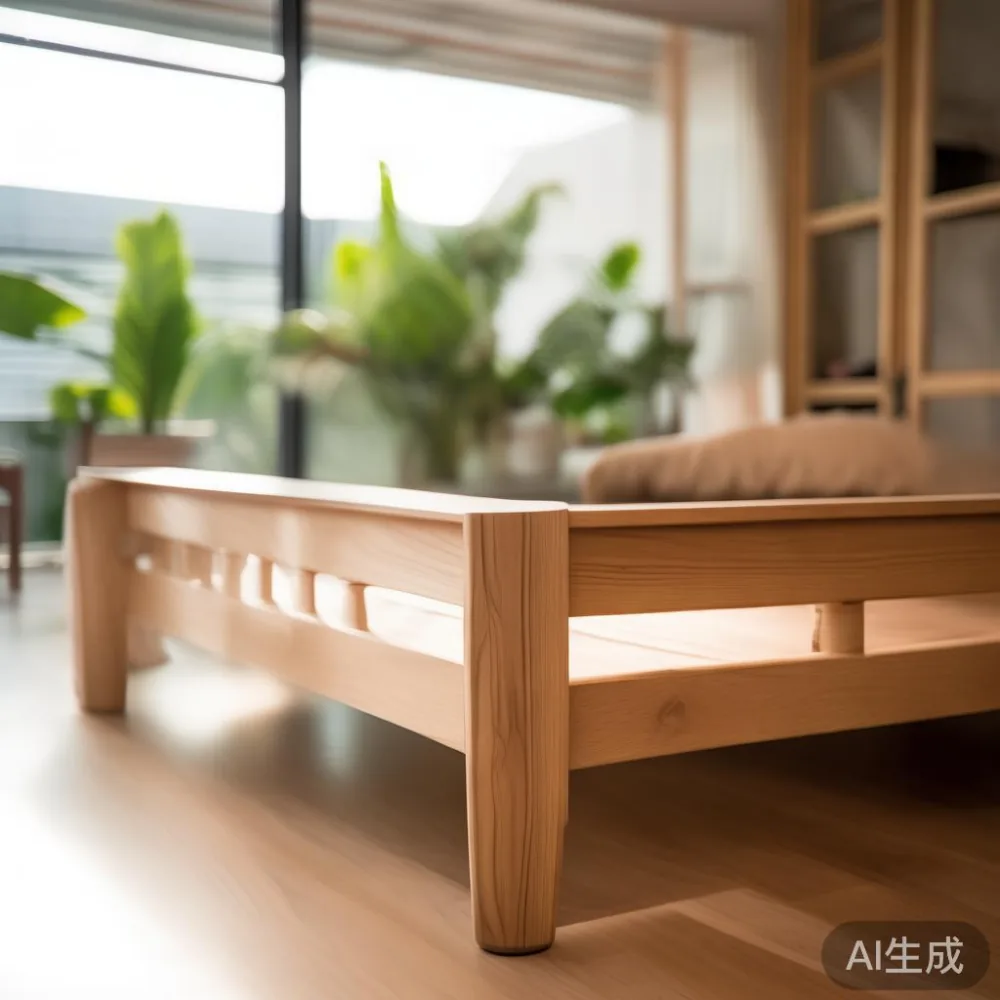
Body heat and skin contact do something most owners never consider. A child's hand resting on the same spot of a bed frame rail every night deposits salts, oils, and trace soap residue. Over months, that spot turns into a dull patch that no amount of dry dusting will fix. The finish is intact underneath; it is simply masked by a micro-film of body residue. The good news is that this is reversible with the right cleaner and a soft cloth. The bad news is that owners who reach for the wrong product, usually a silicone spray or a silicone-laden polish, will seal that residue in and make the patch permanent.
What Does "Lacquered" Actually Mean on a Solid Wood Kids Bed?
The word lacquered gets used loosely in showrooms, so it helps to know what is actually on the wood. Open-pore lacquer leaves the grain texture visible and feels slightly grippy to the touch. Closed-pore lacquer fills the grain, sands flat, and produces the glassy piano finish you see on a post-modern light luxury dining table or a marble-topped side table in a condo show flat. Conversion varnish and acid-catalyzed finishes are the hardest, most chemically resistant options, and they are what a serious maker like MIDHILL specifies on pieces that will live in a child's room. Water-based polyurethane has improved dramatically and is now common on light-luxury solid wood sofas and bed frames, but it is marginally less chemical-resistant than the catalyzed solvent finishes.
You can usually tell what you have by smell and feel. A new catalyzed lacquer has almost no smell after the first week and feels hard and cool to the back of the hand. A waxed or oiled surface feels warmer and slightly grippy; it is not lacquered at all, and the care routine is completely different. If your kids bed arrived with a leaflet that says "clean with a damp cloth, no solvents," you are almost certainly looking at a closed-pore conversion varnish or a high-quality water-based polyurethane. If the leaflet says "apply wax every six months," you have an oiled or waxed piece, and the rest of this article will be less relevant.
How Should I Clean a Lacquered Kids Bed on a Weekly Basis?
The weekly routine is short, which is the only reason it actually gets done in a busy HDB. Once a week, dust the bed frame with a clean microfiber cloth lightly dampened with plain water. Wipe with the grain. Dry immediately with a second microfiber cloth. That is the entire routine for a non-sticky week. Microfiber matters: a cotton rag leaves lint, and a feather duster just redistributes dust into the room's return-air grille, where it ends up back on the surface by Tuesday.
For sticky fingerprints, milk spills, or the inevitable crayon incident, use a small amount of pH-neutral wood soap diluted in warm water. Wring the cloth until it is barely damp. Work on a 30 cm by 30 cm area at a time so the surface does not stay wet for more than about 15 seconds. Buff dry with a second cloth. Avoid any cleaner that contains silicone, ammonia, bleach, or orange oil. Silicone is the worst offender because it builds up in the lacquer, softens it over time, and creates the cloudy, hazy look that owners often mistake for the finish going bad. In Singapore showrooms I have watched sales staff demo a silicone spray on a lacquered wardrobe and the same panel looks dull and smeary within ten minutes.
Spills of fruit juice, marker ink, or nail polish remover are an emergency, not a weekly task. Blot, do not wipe, so the spill does not spread. Then clean the spot with the pH-neutral soap routine described above. If the spill was nail polish remover or hand sanitizer, which contains solvents that will attack lacquer within seconds, you may see a faint ring even after cleaning. Do not try to fix it with more solvent. Ring marks from solvents usually sit in the surface film and can be eased out by a refinisher with a soft abrasive pad; they do not require a full refinish. MIDHILL offers lifetime refinishing on structural pieces, which is the kind of long-term safety net worth asking about when you buy.
How Do I Control Humidity Around a Lacquered Bed Frame Without Wrecking My Aircon Bill?
Target a stable 55% to 65% relative humidity in the bedroom. That range is friendly to both lacquered wood and to a sleeping child. Below 45% RH, the wood loses moisture and joints can open slightly; above 75% RH, the lacquer softens and the wood swells. Either extreme ages the finish prematurely. A small digital hygrometer costs about SGD 18 to SGD 35 at any Tampines Mall electronics shop and is the single best tool you can buy for furniture care in Singapore.
In an air-conditioned bedroom, the aircon alone will usually pull the room down to 40% to 50% RH during the night, which is on the dry side for wood. You have two options. The first is to set the aircon to 25°C instead of 22°C and run a ceiling fan on low; the higher setpoint keeps humidity higher and cuts your monthly electricity bill by roughly SGD 30 to SGD 60. The second is to place a small passive humidifier near, but not touching, the bed frame. Refill it with distilled water to avoid the white mineral dust that tap water leaves on lacquer. In a non-air-conditioned bedroom, which is common in Punggol condos during the day when nobody is home, run a 12L dry-mode dehumidifier for two to four hours on humid afternoons. Empty the tank every cycle and aim for the same 55% to 65% RH range.
Airflow matters as much as humidity. A kids bed pushed flat against an exterior wall with no air gap behind it will trap moisture and develop a dark tide line along the back of the headboard. Leave at least 8 cm to 10 cm between the back of the headboard and the wall. If the bed sits under a window, pull the curtain during the three hottest hours of the afternoon so direct sun does not land on the lacquered surface. A roller blind in a neutral color costs about SGD 25 per panel and will do more for the long-term finish than any bottle of polish.
Can I Use Off-the-Shelf Polishes Like Pledge or Old English on a Lacquered Kids Bed?
Most aerosol polishes sold in Singapore supermarkets contain silicone, which is the single most damaging ingredient you can put on a lacquered surface. The first application looks great because silicone fills micro-scratches and adds temporary gloss. The problem is that silicone penetrates the lacquer film, bonds to it, and never fully evaporates. Each subsequent application layers more silicone, and the surface slowly turns hazy, smears under fingertips, and refuses to accept a real refinish because nothing will bond over it. Furniture restorers in Singapore typically charge an extra SGD 80 to SGD 150 per piece to strip silicone contamination before they can refinish, and that surcharge is on the customer.
If you want a periodic polish, use a paste wax formulated for lacquered furniture, applied sparingly once every six to twelve months, or use a purpose-made water-based lacquer refresher. Apply with a soft cloth, let it haze, buff off with a clean microfiber. Never use a polish on a kids bed that a toddler will mouth. Most paste waxes are food-safe once cured, but check the label, and keep the bed unwiped and untouched for at least four hours after any wax application. For a daily wipe, plain water is enough.
How Do I Choose a Boho Style for a Living Room Without Damaging the Lacquered Pieces in It?
Pick pieces with closed-pore lacquer in warm matte tones, layer natural-fiber textiles such as jute, cotton, and rattan around them, and keep direct sun off every lacquered surface with a roller blind. Boho style rewards layering, but lacquered solid wood sofas, bed frames, dining tables, and wardrobes hate clutter pressed against them because it traps humidity and dust. Leave 10 cm of breathing room behind every lacquered panel, even if it means rotating the rattan baskets a little more often.
Boho palettes also tend to lean earthy, which is friendly to light-luxury solid wood because the wood grain reads as part of the scheme rather than competing with bright walls. A post-modern light luxury dining table in a warm walnut tone, paired with a low rattan pendant and a jute runner, will age gracefully and hide the small marks that come with kids and frequent entertaining. If you want a marble table in the same room, choose one with a sealed stone top and felt pads under everything that sits on it. Marble and lacquer play well together as long as acids from lemon-water pitchers and wine glasses never touch the stone.
What Should I Do If the Lacquered Surface Has Already Gone Dull or Cloudy?
Try a deep clean first. Mix a small amount of pH-neutral wood soap in warm water, dampen a microfiber cloth, and work a 30 cm square area with light pressure. Dry immediately with a second cloth. If the cloudiness lifts, you were looking at residue build-up, and the finish underneath is intact. If the cloudiness stays put, you are probably seeing silicone contamination or UV damage. Both are fixable, but not at home.
For silicone contamination, a professional refinisher will wipe the piece down with a silicone remover, lightly abrade the surface with a 1500-grit pad, and apply a fresh topcoat. In Singapore, a professional on-site refinish of a kids bed costs roughly SGD 220 to SGD 480 depending on size, plus a 5 to 7 day curing window during which the room needs to stay ventilated. For a full factory refinish, MIDHILL offers lifetime refinishing on its solid wood frames, which means the piece is collected, shipped back to the Foshan workshop, stripped, re-lacquered with the same multi-coat system, and returned. Turnaround is typically 6 to 10 weeks door-to-door for Singapore, plus about SGD 120 to SGD 280 in logistics fees depending on whether your HDB has a lift wide enough for the crate; a standard 4-room HDB lift interior of about 1.1 m by 1.4 m handles a disassembled queen bed frame easily, but a king headboard in one piece may not fit without a dedicated courier.
For light scratches that have not broken through to the wood, a touch-up pen matched to the factory color works on most MIDHILL pieces because the company keeps the color codes on file. Deep gouges, water rings that have whitened the lacquer, and chew marks from a teething toddler all need a professional. None of these issues shorten the life of the bed frame, only the life of the finish, and the 10-year structural warranty on the wood itself is unaffected.
What Daily Habits Make the Biggest Difference Over a Ten-Year Span?
Keep the bed away from direct sun, hold the bedroom to 55% to 65% RH, dust weekly with a barely damp microfiber, skip silicone polishes entirely, and lift rather than drag the bed when you move it for vacuuming. Those five habits, repeated for a decade, are the difference between a lacquered kids bed that still looks acceptable when your child moves to a teenager's room and one that needs a full refinish at year four. Singapore homes are kind to solid wood because the climate is steady, and unkind to lacquered surfaces because the climate is humid. A small amount of attention pays off in a finish that still looks honest at year ten, when the same child is asking for a bigger bed frame and you are thinking about a matching nightstand, dining table, or wardrobe for the next stage of the family.