How to Care for a Lacquered Kids Bed in Singapore’s Tropical Climate
A lacquered kids bed can bring a calm, light-luxury finish to a Singapore bedroom, but the country’s heat, humidity, salt air and frequent cleaning require a considered care routine. In an HDB flat in Tampines, a compact kids bed may sit against a wall with limited airflow; in a Bedok condo, it may face stronger afternoon sun and reflective glazing; in a newer Punggol home, it may occupy a corner near a balcony door. Those small differences can affect lacquer more than owners expect.
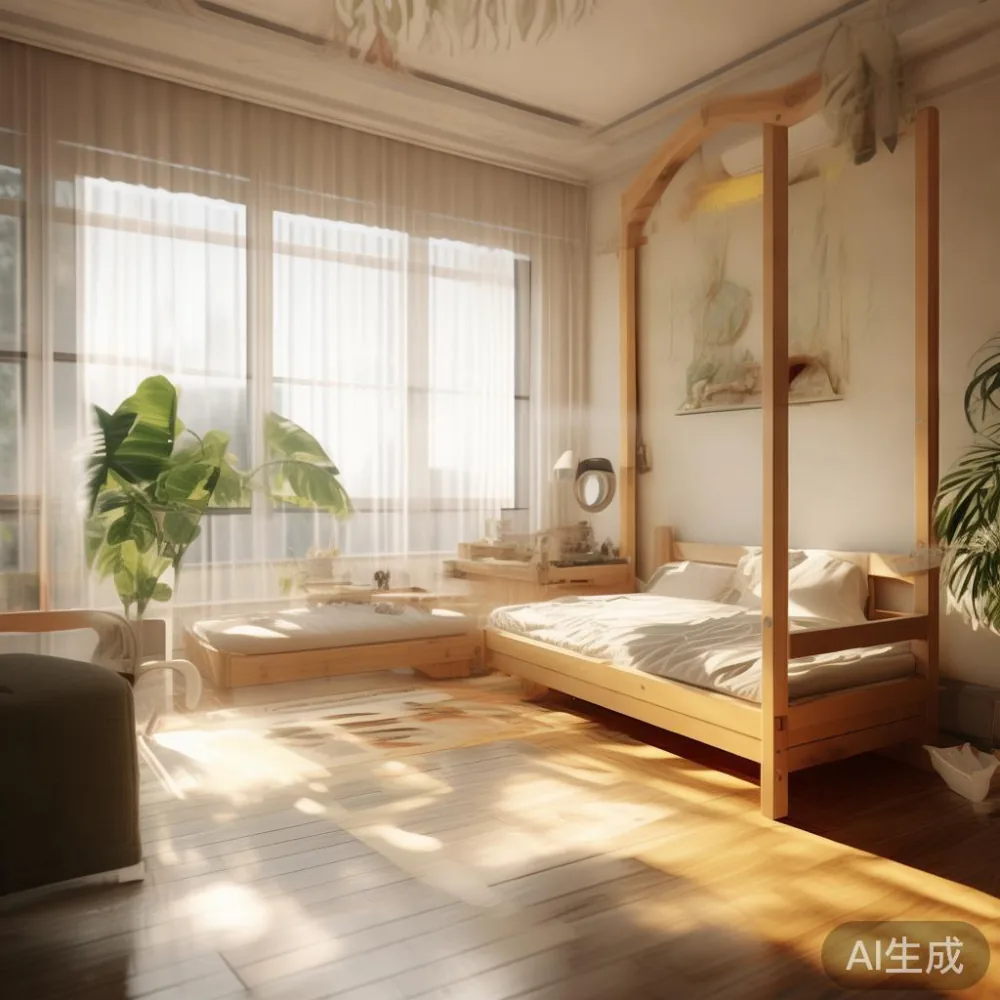
At MIDHILL, lacquered children’s furniture is treated as a practical surface rather than a decorative afterthought. A well-finished kids bed should tolerate daily use, occasional spills and regular wiping without losing its clean visual character. The safest approach is to control moisture and abrasion, use mild cleaning products, and address damage early. With the right habits, a lacquered bed frame can retain its appearance for many years.
Why does tropical humidity affect lacquered children’s furniture?
Lacquer is a cured finish applied in thin layers over prepared timber or another engineered substrate. Once fully cured, it is more stable than a simple painted surface, but it can still react to prolonged moisture, rapid temperature changes and harsh chemicals. Singapore’s relative humidity commonly ranges from roughly 65% to 90% across the year. Night-time humidity may rise above 80% in less ventilated bedrooms, while air-conditioned rooms can become very dry.
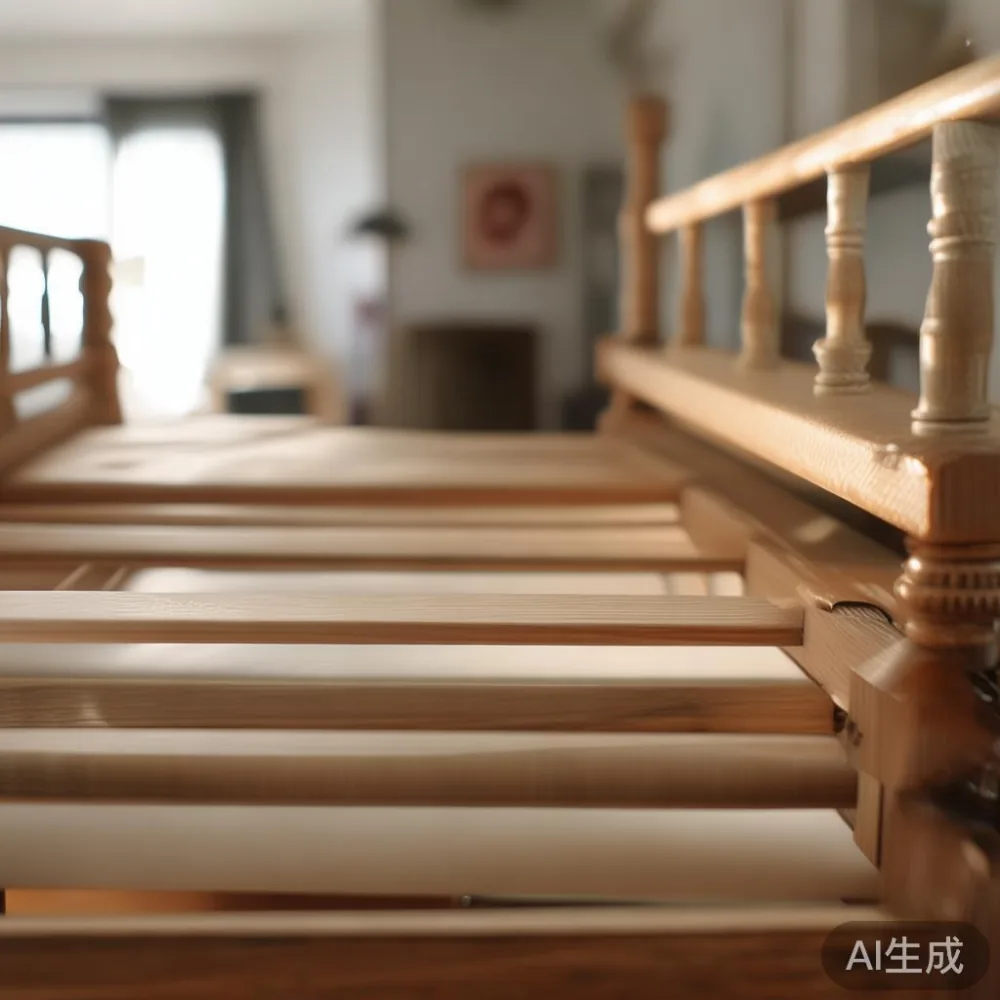
The concern is not always visible bubbling. Lacquer may first develop a slightly dull finish, fine haze or faint clouding. Repeated damp wiping can also encourage swelling beneath an already weakened coating, especially around joints, headboards and footboards. A common comparison is French bed vs Nordic bed: a painted French-style kids bed may disguise small marks with its decorative character, while a pale Nordic finish shows dust and fingerprints more readily. Neither style is inherently superior in heat; the finish system and care routine matter more.
For a solid wood kids bed, aim for stable indoor conditions around 20–26°C and 45–65% relative humidity. These are practical targets rather than absolute limits. A bedroom that feels consistently comfortable and has reasonable airflow will usually be safer than one that alternates between damp mornings and aggressively air-conditioned afternoons.
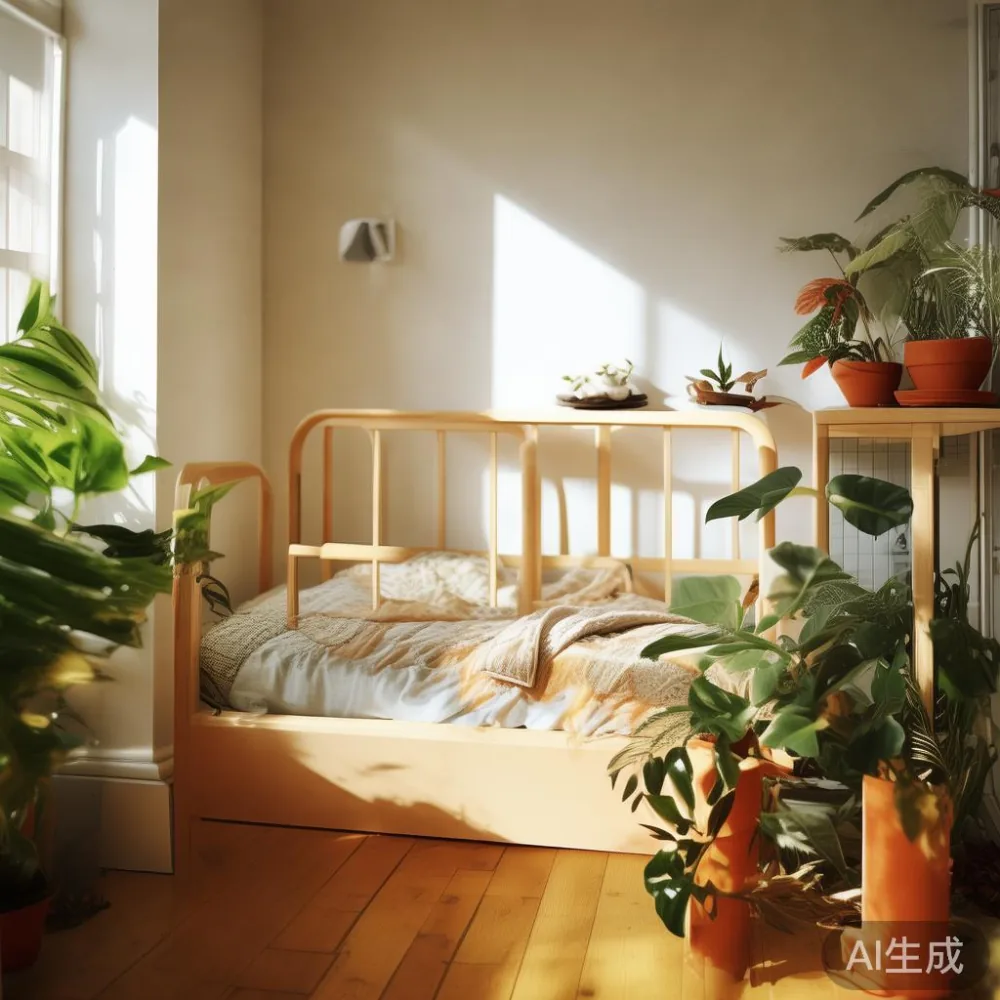
Place the bed at least 30 cm from a window if direct sun is possible, and about 20 cm from the floor where cleaning allows. Avoid leaving damp bedding against the footboard. After bathing a child, run the bathroom exhaust fan for 20–30 minutes and open the bedroom door for 10 minutes. In a typical HDB flat, that simple step can prevent a warm, humid pocket from forming around the bed.
What is the safest way to clean a lacquered kids bed?
Begin with a soft, lint-free microfibre cloth. For routine cleaning, use clean water with a small amount of mild, pH-neutral dish soap: approximately 1 teaspoon per 500 ml of water. Wring the cloth thoroughly so it is damp rather than wet. Test the mixture on a concealed 5 cm by 5 cm area and wait 24 hours before treating the full surface.
Wipe in small sections and dry immediately with a separate clean cloth. Do not saturate joints, the headboard, side rails or footboard. A child’s drink needs only a brief wipe, not a soaking. If a spill has been left for more than 10 minutes, use the diluted soap solution rather than applying extra pressure.
For weekly care, inspect the bed while making the bed. Look for sticky patches, dull marks, scratches or lifting at the edges. A clean cloth and diluted detergent are enough for most marks. Never use bleach, ammonia, alcohol, acetone, nail-polish remover, abrasive powder, scouring pads or “spray and shine” furniture products. Their solvents may soften lacquer or leave a hazy film.
My colleague in our Foshan workshop tested a cured lacquer panel last month by applying tea, blue ink and diluted soy sauce. After 30 minutes, the tea came away with warm water, while the soy sauce required the mild detergent solution. An alcohol-based glass cleaner left a visible dull patch after three applications. The test reinforced a simple rule: clean quickly, use less liquid and dry every pass.
How should I remove scratches without damaging the finish?
Surface scratches in lacquer are often more visible than they are deep. Use your fingernail lightly as a guide: if the scratch catches, it may reach the coating’s edge, so a cosmetic treatment may not be enough. If it does not catch, a very fine polishing compound designed for lacquer may help, but check compatibility with the specific finish first.
For hairline marks, apply a minute quantity with a clean microfibre pad and work gently for 15–30 seconds. Always follow the product instructions, test a small area and avoid vigorous rubbing. Never sand a children’s bed by hand. If a scratch exposes timber, becomes a split or is wider than 2 mm, contact the supplier rather than applying paint from a tin.
Preventive care is more reliable than repair. Use corner guards on a bed that receives frequent climbing, and choose a fitted protector for the headboard area. Teach children not to use the side rail as a step. Keep building blocks, toy cars and art supplies in a lidded box rather than directly on the lacquered rail.
For parents comparing furniture directions, the phrase best European light luxury bed for 2026 may suggest ornate or costly design, but a child’s bed should be judged by stability, coating quality and dimensions as well as appearance. The same applies to the wider question of is American sofa worth it: a large upholstered product may suit a living room, yet it cannot answer whether a kids bed is safe, durable and easy to maintain in humid conditions.
How do sun exposure, condensation and coastal air affect a lacquered surface?
Singapore receives strong ultraviolet light throughout the year. Direct sun can fade pigments and gradually embrittle some clear finishes, particularly where a bed sits beside east- or west-facing windows in Bedok, Tampines or Punggol. Use blinds or curtains with a high visible-light transmittance of no more than 40% during the brightest hours. Allow at least 30 cm between the bed and an open window to reduce salt and rain exposure.
Do not place a cold drink or damp towel directly on lacquer. Condensation from an iced bottle can form a water ring or encourage moisture to sit under the finish. Use a coaster with a base larger than 7 cm, and remove it after 2 hours in humid weather. Similar care applies to a marble table, where acidic liquids can etch the stone, though its maintenance requirements differ from lacquered wood.
For a coastal property, wipe the bed every 2 weeks with a lightly damp cloth and dry it promptly. Do not assume salt is the only issue; air-conditioning dust and fine sand can combine into abrasive grit. Vacuum the surrounding floor and wipe the bed from top to bottom so particles are not dragged across the finish.
Lift and corridor widths matter when the bed is delivered. A wrapped kids bed of 150 cm by 100 cm may fit a lift with internal dimensions around 110 cm by 140 cm, but a rigid headboard can be the limiting factor. For the example bed, confirm that the longest package is under 220 cm and below 30 kg. Record the route from the loading point to the flat, including the lobby, parking bay and any staircase turns.
Can a lacquered kids bed remain compatible with different interior styles?
Yes. Lacquer can support Scandinavian minimalism, French-inspired softness, American light luxury or post-modern light luxury, provided the proportions and colour are handled with restraint. A French bed vs Nordic bed comparison often focuses on curves, upholstery and ornament, but both need moisture-conscious finishes. Lacquered timber suits a child’s room particularly well because its sealed surface is easier to wipe than unfinished solid wood.
In a compact HDB room, a low-profile kids bed in a pale neutral finish can preserve visual space. In a larger condo bedroom, a French-inspired frame with a curved headboard can become a gentle focal point. For parents considering a Modern light luxury dining table in the same apartment, match the sheen carefully: one very glossy surface beside another can make a room feel busy. Matte lacquer generally coordinates more easily with stone, timber and brushed metal.
Popular combinations include Japandi for dining room ideas alongside a light-oak kids bed in the adjoining bedroom. Japandi typically balances pale timber, simple forms and functional storage. A solid wood sofa or solid wood dining table in the living area can echo the bed’s grain without copying it exactly. For a coordinated room, use a nightstand with closed storage to keep damp cloths and cleaning products away from the bed.
Light-luxury does not require ornament everywhere. A 45 cm-wide nightstand, a 90 cm-high table lamp and a restrained two-colour palette may create enough visual calm. Keep cords away from the bed, secure furniture to the wall where appropriate and check fixings every 6 months. A wardrobe should be closed in humid weather, while marble table accessories should have coasters and felt pads.
What should I do if the lacquer looks dull, sticky or swollen?
If the surface feels sticky, move the child’s bedding away and ventilate the room for 2 hours. Wipe once with a clean, barely damp cloth and dry it. Do not use a heat gun, hairdryer or strong solvent. Rapid heating can drive moisture deeper into the coating and worsen blistering.
For dullness that remains after cleaning, inspect under neutral daylight. Hold a white card at the side of the surface and compare the reflection with an undamaged area. If the haze is localised, the finish may have been exposed to residue or an incompatible cleaner. If it covers a broad area, contact the finish supplier. A 10-year structural warranty covers structural integrity, not every cosmetic issue, so accurate photographs and purchase records can help suppliers assess the correct remedy.
Small chips can sometimes be touched up by a trained refinisher. Deep splits, lifting edges or widespread whitening need a more formal repair. Do not apply petroleum jelly, wax, toothpaste or cooking oil. These substances can temporarily disguise a mark but collect dust or soften the lacquer.
For larger projects, compare European light luxury sofa vs Japandi sofa options by construction, finish and aftercare rather than appearance alone. A European-inspired piece may have detailed edges that collect dust, while Japandi simplicity can make maintenance easier. The point of comparison is practical: identify the finish, obtain its care instructions and confirm whether refinishing is available before committing.
How can I build a care routine that lasts for years?
A workable routine should fit a family rather than depend on perfect discipline. Keep a clean microfibre cloth and a 250 ml spray bottle in the utility area, but store the bottle away from children and label it clearly. Every evening, check for spills and wipe with plain water if needed. Once a week, use the diluted mild cleaner on areas touched frequently. Every 2 weeks during humid months, check window edges, joints and the underside of rails for moisture or residue.
Every 3 months, inspect the finish in daylight and photograph any marks. Compare the photographs month by month, because lighting can exaggerate changes. Every year, check the bed frame, slats, screws and guardrails. Torque loose fixings to the maker’s specification rather than tightening aggressively.
Singapore’s frequent rain also affects delivery and acclimatisation. Allow a lacquered kids bed to acclimatise in its final room for 24–48 hours before tightening every fixing or installing accessories. This lets the material adjust gradually. Keep the packaging dry because damp cardboard can transfer contamination to the surface.
MIDHILL offers free shipping for qualifying orders above US$350, equivalent to about SGD 465 before GST and any bank conversion differences. Delivery commonly takes 7–14 business days to Singapore, depending on production and customs. Add GST at the prevailing rate and confirm the final payable amount before checkout. The furniture maker has exported to more than 15 countries since 2008, offers a 10-year structural warranty and provides lifetime refinishing support under its stated service terms.
Singapore’s 14-day return policy can provide useful reassurance for many purchases, though assembled lacquered furniture and customised items may have specific exclusions. Review the product page and delivery terms before confirming. For a kids bed, measure the intended space, the lift door and the bed’s longest packaged component before ordering.
Which finish is easiest to live with in a humid child’s room?
Low-sheen or matte lacquer usually shows fewer fingerprints and is more forgiving than a mirror-gloss finish, although no coating should be treated as maintenance-free. Medium-sheen lacquer may suit a post-modern light luxury room because it can bridge timber and painted surfaces without looking stark. The final selection should include the coating specification, not merely the colour photograph.
Ask how many coats were applied, whether the surface is water-based, what cleaning agents are approved and whether refinishing is available. Confirm that all edges and joint areas have been sealed. For a busy family, choose a kids bed with smooth rails, minimal crevices and a finish that can be wiped without aggressive solvents.
Most importantly, make the routine visible. Keep a simple 4-point card near the wardrobe: blot spills, use mild soap, dry promptly and report lifting immediately. Children can learn to place toys in a basket and tell an adult when a drink has spilled. Good habits will protect the lacquer far more effectively than occasional heavy restoration.
With sensible ventilation, restrained chemical use and quick attention to damage, a lacquered kids bed can remain handsome through Singapore’s heat and humidity. Light luxury is strongest when the surface feels calm under daily use, the frame feels stable, and care requires only a few minutes rather than constant intervention.