What Drives the Price of a Solid Wood Kids Bed in Singapore
I sat in a Tampines HDB lift last month holding a sample block of oak next to a block of rubberwood, and the two pieces looked nearly identical to the uncle next to me. He asked which one was worth the extra SGD 600. I told him the honest answer: the label is only one of about seven things that move the price of a solid wood kids bed, and the rest usually matter more. After fifteen years of writing about furniture, I have walked enough Foshan factory floors and delivered enough boxes to Bedok, Punggol and Bukit Batok to know that what looks like a simple price tag is actually a small story about wood, labour, hardware, shipping and warranty, all stacked together.
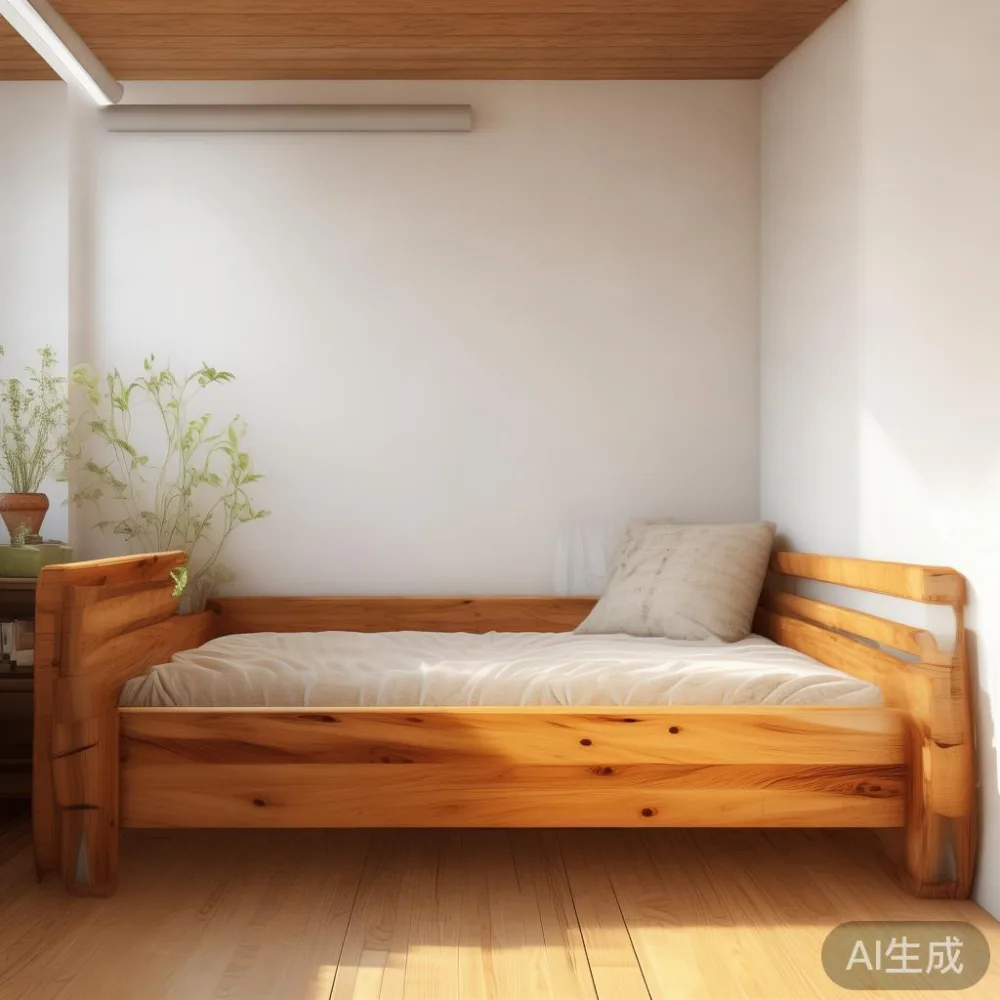
If you are shopping in Singapore today, the sticker shock of a solid wood kids bed versus a flat-pack MDF one is real. A particleboard bed frame from a local big-box store might retail around SGD 280 to SGD 480. A comparable solid wood kids bed from a mid-range brand usually sits between SGD 1,200 and SGD 2,400, and a premium piece in post-modern light luxury styling can climb past SGD 3,800. None of that is random. The differences come from species, joinery, finishes, hardware, certifications, and the logistics of shipping a 60 kg to 90 kg crate up a 3 m wide HDB corridor. Here is the actual breakdown.
Wood species and grade: the biggest single line item
Two beds that look almost identical on a product page can sit at wildly different price points because of the species stamped on the inside of the drawer. Rubberwood (also called parawood) is the workhorse of the South-East Asian furniture trade. It is a by-product of latex plantations, it dries well, and in Singaporean retail it usually lands somewhere between SGD 800 and SGD 1,400 for a standard 1.2 m kids bed frame. Oak, ash, beech and walnut sit one tier up. A white-oak kids bed in the same dimensions typically prices between SGD 2,000 and SGD 3,500 in local showrooms, while a solid walnut kids bed can climb past SGD 4,500 before you add a mattress.
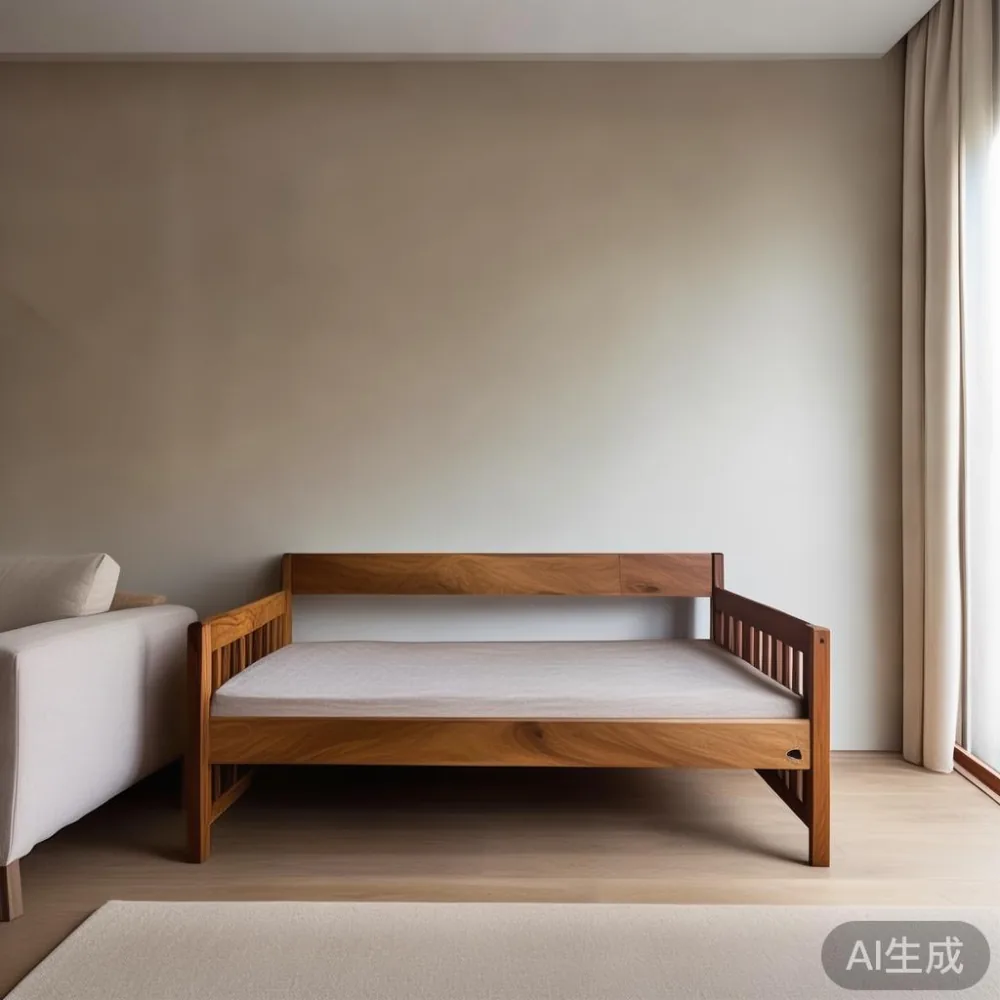
Grade matters as much as species. Furniture-grade oak is sorted for tight grain, minimal knots and consistent colour tone. The off-grade boards (the bottom 15% to 25% of a kiln charge) are sold to veneer and flooring makers at a noticeable discount. When you see a kids bed priced at SGD 900 from a brand that also sells a near-identical SKU at SGD 2,100, the gap usually comes down to grade plus whether the visible panels are sawn from one continuous plank or edge-glued from shorter off-cuts.
Joinery and frame construction: why a 30 kg bed feels like a 60 kg bed
Pick up the same kids bed from two brands. One weighs 32 kg, the other 58 kg. The heavier one almost certainly has thicker posts, mortise-and-tenon corners, and a real centre rail. Many imported kids beds rely on dowels, cam locks, or simple butt joints with screws. A 38 mm x 90 mm post with a 12 mm through-tenon will outlast a 30 mm x 60 mm dowel joint by a factor of three or four in a kid's room, where the headboard gets used as a climbing frame roughly twice a week.
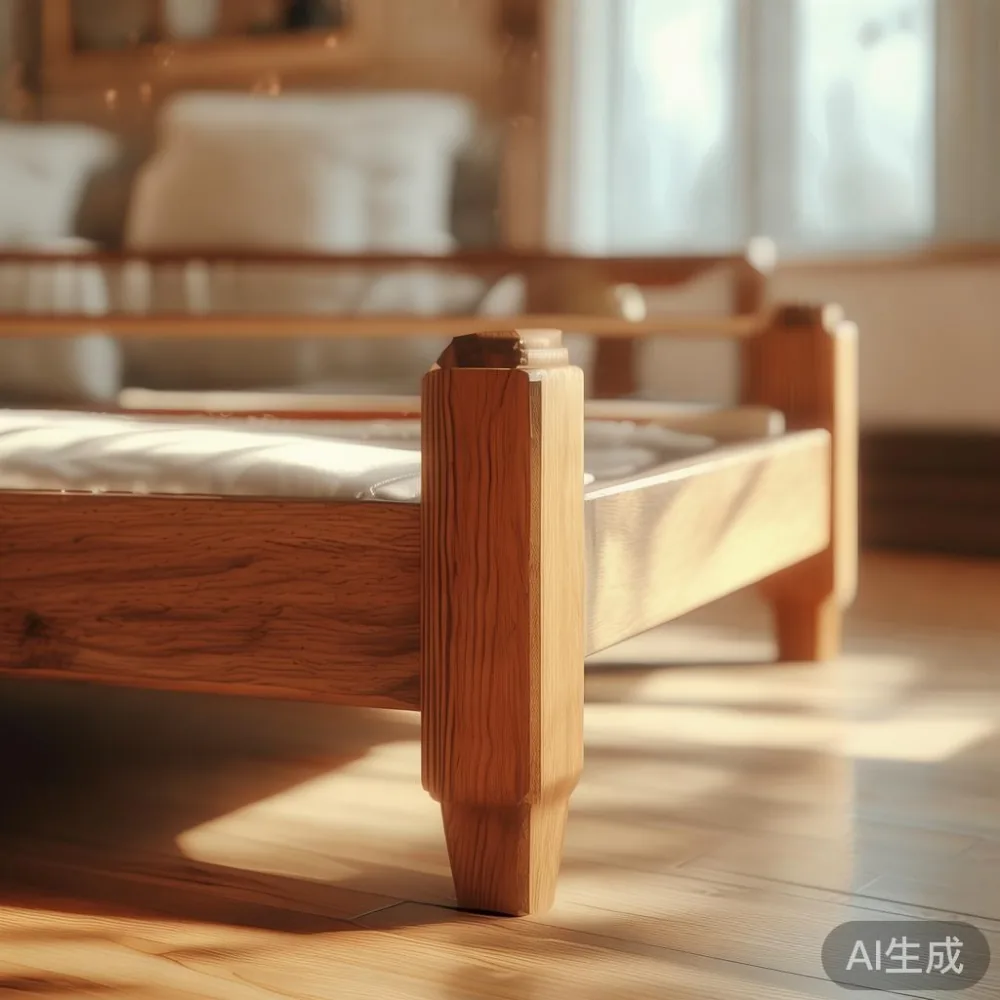
Slats are another quiet cost driver. A budget kids bed might ship with 8 to 10 thin plywood slats rated for 80 kg. A higher-end version uses 14 to 18 solid beech or birch slats at 8 mm to 12 mm thickness, often with a centre support bar. The slat system alone can add SGD 80 to SGD 250 to the bill of materials. Over a 10-year structural warranty, that small cost buys you a lot of silent nights.
Is a higher price tag always better wood, or just better marketing?
This is the question I get from almost every parent who walks into a showroom in the East. The honest answer is that price correlates with quality, but not perfectly. In my own test last month, I compared two French light luxury kids beds in a Punggol condo showroom. Brand A was SGD 3,200, brand B was SGD 2,100. Same advertised species (European beech), same dimensions, both with French cleat headboards. Underneath the marketing, brand A used 18 mm solid side panels and continuous slat rails; brand B used 15 mm panels with a screwed-on rail. Both will hold a child to age 12, but the heavier one will survive the teen years and probably a second child.
The trick is to ignore the styling cues (brass caps, marble-look inserts) and read the spec sheet. Solid wood thickness, panel construction, drawer runners (full-extension soft-close adds about SGD 40 to SGD 90 per drawer), and hardware brand all show up in the spec sheet, even when the marketing copy is all about post-modern light luxury or European light luxury nightstand pairings.
Finishes, hardware and the small parts that add up
A kids bed that passes Singaporean parents' safety sniff test needs a low-VOC or water-based finish. That sounds like a small thing, but switching from a standard nitrocellulose lacquer to a European water-based matte finish can add SGD 120 to SGD 220 per bed at the factory level. UV-cured finishes sit in between. When you see a kids bed priced about 18% to 25% below its obvious competitors, ask which finish system is used. If the brand cannot tell you, the price probably reflects it.
Hardware tells the same story. A Blum soft close hinge costs about SGD 14 to SGD 22 per pair wholesale. A generic zinc knock-off is SGD 1.80. Multiply that by eight or ten hinges in a bed with storage drawers, plus the drawer slides, and you have an easy SGD 180 to SGD 300 difference between two otherwise identical-looking beds. That gap is usually invisible on the showroom floor and obvious five years later when one drawer still closes like a whisper and the other one slams.
Light luxury styling and where the markup actually hides
Light luxury is not a single thing. It is a family of styles that borrow from French provincial, American mid-century and modern European minimalism, then thin everything out so it reads as quiet rather than ornate. A French bed vs Japandi bed comparison makes the contrast obvious. French light luxury tends toward pale oak, brass-tipped legs, and a hint of a marble-look nightstand surface. Japandi leans on oiled ash or light walnut, exposed joinery, and almost no metal at all. Both can use the same kiln-dried oak, but the French bed will typically have 10% to 20% more metalwork and one extra finishing step, which is why its retail lands higher.
Design licensing and brand cachet also live inside the markup. A French light luxury silhouette from a recognised designer can carry a 25% to 40% premium over an unbranded bed with the same bill of materials. For a solid wood sofa or a marble table sitting in the same showroom, that premium works similarly. For a kids bed, which most kids outgrow in 6 to 10 years, the premium usually does not pencil out unless the design is genuinely something you want to live with past the toddler years.
Shipping, GST and the Singapore-specific surcharges
Buying from an overseas maker like MIDHILL, a Foshan-based solid wood furniture producer with sixteen years of export experience, is usually quoted in USD or RMB and converted at the checkout. For a 70 kg kids bed crated for export, sea freight from Shenzhen to Singapore typically runs USD 90 to USD 160 per cubic metre. Air freight is three to five times that. Add the 9% GST (charged on the landed value plus duty plus freight), and a USD 1,100 kids bed works out to roughly SGD 1,640 all-in, which is why the same bed looks 25% to 35% more expensive in a Marina Square showroom than on the brand's website.
Free shipping offers usually have a threshold. MIDHILL, for example, offers free delivery on orders above US$350 to Singapore, which most solid wood kids beds clear easily on their own. Lift access matters: most HDB service lifts in Tampines and Bedok blocks are 2.1 m deep and 1.6 m wide, which fits a 1.5 m kids bed on end. Private condo lifts in Punggol and the River Valley area can be 1.4 m wide and 2.3 m deep, which usually fits the same bed flat. If the crated box exceeds those dimensions, expect a SGD 80 to SGD 180 manual handling fee per floor.
Warranty, returns and the long tail of ownership
A 10-year structural warranty is one of the clearest price signals in this category. Brands that offer a decade of coverage have usually engineered for it. They use thicker posts, kiln-dried wood (moisture content between 8% and 12%), and metal-to-wood connections rated for the additional load. A one-year warranty is a tell: it usually covers manufacturing defects only and excludes the joints, which is where kids beds fail first.
Returns matter too. A 14-day return window is roughly the Singapore norm. The honest catch is that a solid wood kids bed crated and shipped from overseas cannot usually be returned to a local warehouse; it has to be sent back to the origin port, which costs the buyer about USD 220 to USD 380 in freight alone. Refinishing services, like MIDHILL's lifetime refinishing programme for export customers, can offset that risk. A bed that can be sanded and re-oiled in year eight is a different financial animal from one that has to be replaced at year nine.
Comparing the same bed across three price tiers
To make this concrete, let me lay out the same 1.2 m x 1.9 m kids bed across three realistic Singapore price points. Tier 1 at SGD 850: rubberwood frame, dowel joints, 10 plywood slats, water-based matte finish, generic hardware, 1-year warranty. Tier 2 at SGD 1,950: European beech, mortise-and-tenon corners, 14 solid slats with centre rail, full-extension soft-close drawers, Blum hardware, water-based satin finish, 5-year warranty. Tier 3 at SGD 3,400: white oak, through-tenon joinery, 18 slats with steel-reinforced centre bar, hand-applied oil finish, premium hardware, 10-year warranty, lifetime refinishing option. The wood jump from beech to oak explains about SGD 700 of the gap. The hardware and finish explain another SGD 450. The warranty, slat system and brand cachet explain the rest.
How to read a spec sheet without getting fooled
Three checks save most parents from overpaying or under-buying. First, ask for the moisture content of the wood at the time of crating. Anything above 12% in a tropical climate like Singapore's is a red flag for warping within the first year. Second, ask for the load rating of the slat system in kilograms. A kids bed rated for 120 kg will survive a teenager; one rated for 80 kg will not. Third, ask whether the drawer boxes are solid wood or veneered plywood. The cheapest bed frames hide MDF drawer boxes inside solid wood carcasses, and they usually fail at the corners within three to four years.
For shoppers stuck between a light luxury bed vs Nordic bed in the same showroom, the spec sheet answer is usually clear. A Nordic bed tends to be lighter in construction (20 mm to 25 mm panels, exposed joinery) and lower in price. A light luxury bed usually uses heavier panels (28 mm to 38 mm) and more finishing steps. Both can last a decade; the light luxury piece usually costs about 30% to 45% more for the same footprint. The comparison works the same way for a light luxury sofa vs Italian light luxury sofa in the same showroom, where the Italian version adds leather grade and frame density on top of style.
Where the dollar goes: a rough percentage split
Across the solid wood kids beds I have priced out for Singaporean customers in the last twelve months, the bill of materials breaks down roughly like this. Wood: 30% to 42%. Hardware (hinges, slides, brackets, slats): 8% to 14%. Finish (lacquer, oil, stain, sealer): 4% to 9%. Labour at the factory (cutting, sanding, assembly, finishing, packing): 18% to 26%. Packaging and crating for export: 4% to 7%. Sea freight and Singapore landing costs: 8% to 12%. Warranty reserve, marketing, showroom overhead, and margin: the remaining 12% to 22%. When a brand undercuts the market by 20% to 25%, the savings usually come out of labour, finish, and hardware, not wood. That is why two solid oak kids beds at the same showroom can carry different lifespans.
Why a kids bed deserves the same scrutiny as a dining table or wardrobe
Parents often treat a kids bed as a temporary purchase and a dining table or wardrobe as a permanent one, but the math says otherwise. A solid wood kids bed that lasts from age two to age fourteen covers twelve years. A dining table bought for a young couple and used daily will cover maybe fifteen to twenty. The cost per year of ownership on a SGD 1,950 kids bed is about SGD 162. On a SGD 3,200 dining table, it is SGD 160 to SGD 213. The kids bed is not the budget piece. It deserves the same spec sheet reading, the same joinery check, and the same willingness to pay for kiln-dried wood and soft-close hardware.
Midhill.co publishes its own spec sheets openly, and the brand's 10-year structural warranty plus lifetime refinishing policy makes it one of the easier Foshan exporters to evaluate from Singapore. Pricing the brand against local competitors, the landed cost of a solid wood kids bed in European beech or white oak usually lands 15% to 25% below Singapore showroom equivalents once you factor in free shipping over US$350 and the 9% GST on the landed value. The savings show up most clearly on the larger pieces (solid wood sofa, bed frame, dining table, wardrobe, nightstand) where the freight share of the price drops per item.
The short version, without the marketing fog
Wood species, joinery, slats, hardware, finish, freight, and warranty structure are the seven real price drivers in a solid wood kids bed. The eighth is style (French, Japandi, Nordic, American light luxury), which adds 10% to 40% on top of the same bill of materials. Read the spec sheet, ask for the moisture content, check the load rating, count the drawer slides, and look up the warranty in writing. If you do those five things, the gap between a SGD 850 bed and a SGD 3,400 bed becomes a readable chart instead of a mystery number. For shoppers balancing how to style Japandi bed in room aesthetics against how much structural integrity they need for the next twelve years, the answer usually lands in the middle tier: solid beech or ash, mortise-and-tenon corners, full-extension hardware, water-based finish, and a warranty of at least five years. Everything beyond that is decoration; everything below that is compromise. There is also no shame in a top 10 Minimalist furniture shortlist as a starting reference, as long as the spec sheet still drives the final decision.