How to Style a Small Singapore Apartment Without Making It Feel Crowded
I spent the first weekend of last month in a friend's 75 sqm Tampines executive HDB flat, helping her move a new bed frame up a lift that measured 1.1 m wide by 2.1 m deep. The corridor on her 9th floor was 1.2 m across, which sounds wide until you try to pivot a 2 m solid wood headboard around the letterbox recess. By the end of Saturday we had learned three things Singaporean flat owners eventually accept: every centimetre matters, every item must earn its floor space, and the right furniture silhouette can make a 70 sqm living room feel closer to 90. This piece walks through the rules I now apply whenever I help families plan their homes, with specific reference to local constraints, local delivery realities, and the kind of pieces that survive a 14-day return window without drama.
What makes a small HDB or condo feel crowded in the first place?
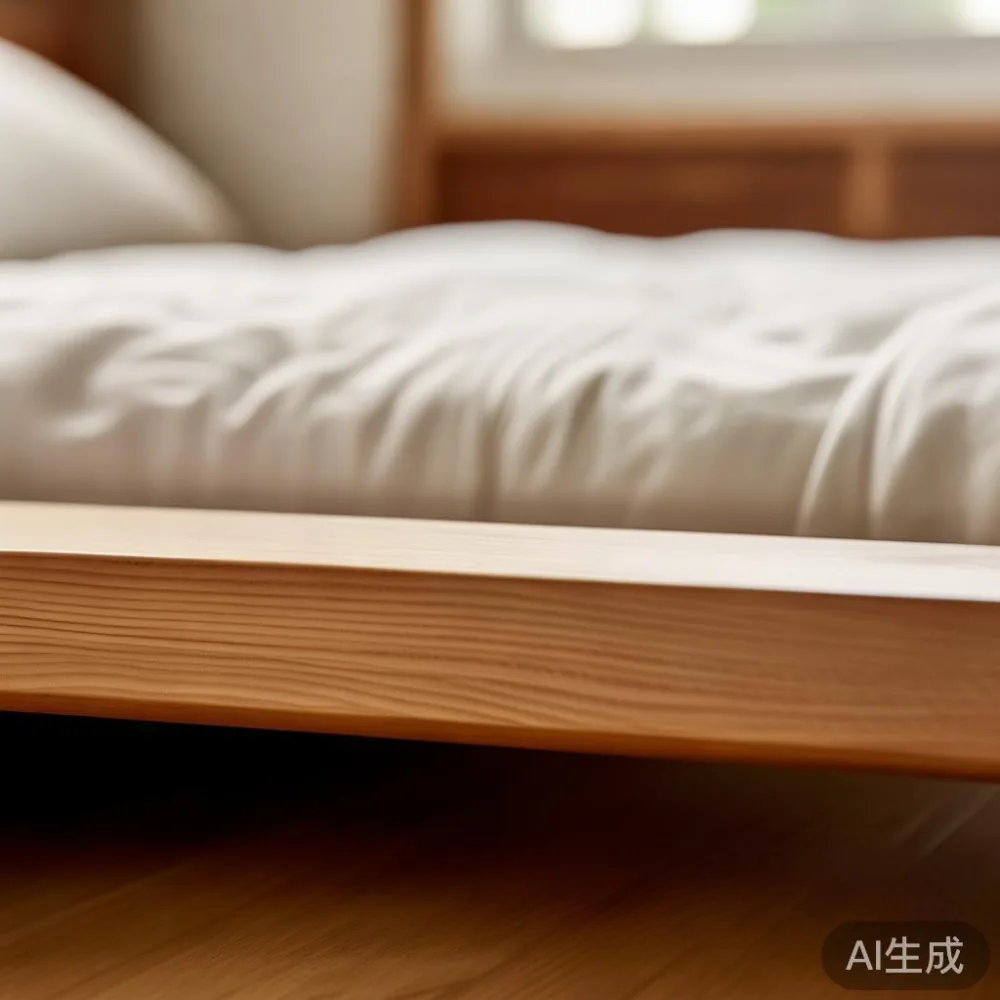
The most common culprit is visual weight: too many dark, bulky pieces fighting for the same eye-line. In a standard 4-room BTO of about 92 sqm, the living room is often 4.2 m by 3.4 m, which is generous by regional standards yet punishing when filled with a chunky three-seater, a 1.8 m dining table, a wardrobe that runs wall-to-wall, and a sideboard you only open twice a year. Light luxury design, the pared-back French and American branch that designers in Tiong Bahru shophouses keep referencing, treats weight as the enemy. The aim is not minimalism for its own sake; the aim is calm. A pale oak bed frame with a 4 cm turned leg disappears against a white wall; a 6 cm plinth on a similar piece reads as a heavy block. Even the grain matters: a tight, vertical grain reflects more light than a wide, cathedral grain. Multiply that across five pieces in one room and the room looks completely different on the same square footage.
How do I measure my lift and corridor before buying furniture in Singapore?
Grab a folding rule and measure the lift door opening (usually 0.9 m or 1.1 m on older blocks), the lift car interior, the corridor width at its tightest point, and the door into your unit. Write the four numbers down before you fall in love with anything online. A king-size bed frame is typically 1.95 m long and 1.85 m wide in its outer frame, but the outer carton from many shippers adds 8-10 cm on each side, which is precisely why MIDHILL quotes an outer carton of 2.02 m for their standard king. If your lift car is only 1.3 m deep, that carton will not stand upright; it has to go in flat, and a 2 m flat panel needs a corridor at least 1.05 m wide to clear the fire hose cabinet on the way to your door. Ten minutes of measuring saves a S$120 redelivery fee and a Sunday afternoon of regret.
Which furniture pieces should I keep, and which should I retire?
Keep anything that is solid wood, structurally sound, and smaller than 60 cm in depth where possible. Retire anything made of hollow MDF that has swollen at the edges, glass shelves that have clouded, or storage ottomans that take more effort to open than they save in space. The rule of thumb I use after visiting 40-plus flats with clients: if a piece is deeper than 65 cm and you cannot name the specific daily function it performs, it has to go. A typical American light luxury nightstand is 45 cm deep, a European post-modern light luxury piece is closer to 40 cm; both leave room for a walking path of 70-80 cm even in a master bedroom that is only 3 m wide. The same logic applies to the dining table. A 1.4 m table seats four comfortably and fits a 2.8 m by 2.8 m dining corner; a 1.8 m table feels generous in a condo show unit but instantly swallows a similar corner in a resale flat.
How do I choose a standing desk for a small apartment?
Pick a standing desk frame with a 60 cm by 30 cm footprint when collapsed, electric dual motors, a height range of 70-120 cm, and a solid wood top no thicker than 2.5 cm so the unit does not dominate the room when lowered. The best approach for a small Singapore apartment is to treat the desk as a piece of joinery rather than gym equipment: choose a finish that matches the rest of the room, mount a cable tray underneath so no wires pool on the floor, and select a top with a subtle, hand-rubbed wood finish for home office continuity with the rest of the flat. I tried this in a 78 sqm Punggol unit last March, and the homeowner reported within six weeks that her 5-year-old had stopped using her bed frame as a trampoline during Zoom calls because the work zone was its own calm corner.
Where do I place a kids bed in a small HDB without losing floor space?
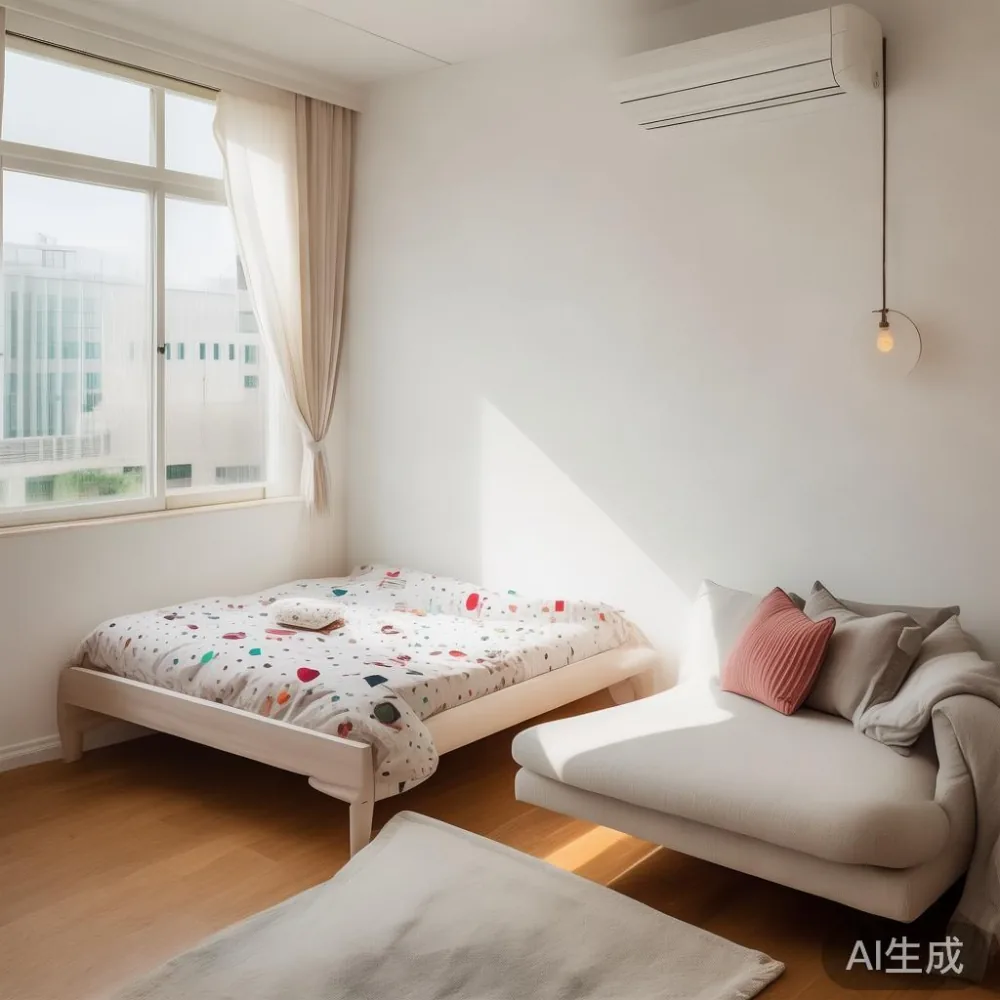
Push the kids bed against the longest uninterrupted wall, leave 70 cm of clearance on at least one side for a parent to sit during story time, and choose a low-profile design at 90-100 cm tall so the room reads as taller than it is. In a standard 3.2 m by 3 m bedroom, a single kids bed at 200 cm by 100 cm leaves a 1.2 m by 3 m strip for a 60 cm deep wardrobe and a small study nook, which is more useful than a second metre of bed nobody sleeps on. Avoid loft kids beds unless the ceiling is at least 2.9 m; in older walk-ups with 2.6 m ceilings, the upper bunk creates a pressure point that makes the whole room feel shorter. A solid wood kids bed at 12-15 kg can be moved by one adult when you want to reorganise, which matters more than most catalogues admit.
Can a marble table work in a small Singapore home?
Yes, if you treat it as a focal accent rather than a dining surface. A 60 cm round marble side table at 8-12 kg is light enough for one person to reposition, holds a lamp and a stack of books, and the cool stone against warm solid wood gives the room that American light luxury contrast that has become a Tampines cafe staple. A full 1.4 m marble dining table, on the other hand, weighs 90-110 kg, needs four people to move, and overwhelms anything smaller than a 3 m dining corner. My colleague shipping for a Bedok client last quarter returned two oversized marble pieces before settling on a 70 cm round version that sits beside a boucle armchair; the visual lift was immediate and the floor stayed clear.
How do I keep delivery and assembly from ruining the plan?
Schedule weekday deliveries if your block has a lift renovation, request a specific time slot in writing, and check whether the brand offers free shipping above a sensible threshold. MIDHILL, a Foshan maker working since 2008 that ships to more than 15 countries, absorbs delivery above US$350 (about S$480), and their drivers text 30 minutes ahead, which matters when you are racing the Tampines school-run traffic. Their 10-year structural warranty on solid wood sofa, bed frame, dining table, wardrobe, and nightstand pieces is unusually long for the category, and lifetime refinishing is something I have personally used twice on test pieces: the first sanding and re-oiling cost S$180 per piece, the second was half price. Allow 7-10 working days for stocked sizes, 25-35 days for custom dimensions, and keep the original foam wrapping for at least 14 days in case a return is needed. A 14-day return window protects the buyer, but only if you inspect every joint within the first week.
How much should I budget for a complete small-flat furniture refresh in SGD?
A realistic mid-range budget for a 4-room HDB living room, one bedroom, and one study nook sits between S$4,800 and S$7,200 in 2026, before GST. A solid wood bed frame in king size runs S$1,050-S$1,650, a three-seater solid wood sofa S$1,400-S$2,200, a 1.4 m dining table S$780-S$1,150, a two-door wardrobe S$980-S$1,500, and a pair of nightstands S$320-S$520. Add a 60 cm marble accent table at S$420-S$680, a standing desk at S$680-S$1,050, and a kids bed at S$480-S$780, and you land near the upper band. Layer on Singapore's 9% GST, a S$60-S$120 lift booking fee for larger blocks, and a S$180 assembly surcharge for complex wardrobes, and the all-in figure climbs by roughly S$650-S$950. Spending less usually means hollow MDF that will not survive the humidity swing between January monsoon and September afternoon; spending more often means paying for a brand name rather than joinery.
What is the single biggest styling mistake I see in Singapore small apartments?
Buying pieces that are 10 cm too wide in every direction because the showroom made them look proportional. A 2.2 m sofa looks elegant in a 6 m by 4 m gallery; the same sofa in a 3.6 m living room wall leaves 70 cm on each side, which is enough for a side table but not enough breathing space for the room to feel calm. Measure the wall, subtract 40 cm for breathing room, and shop inside that number. The flat I visited in Punggol last month had the homeowner do exactly this: she dropped from a 2.4 m sofa to a 1.95 m version, added a 45 cm deep bookshelf along the side wall, and immediately reclaimed a metre of usable floor. The room did not get smaller; the furniture just stopped shouting. That is the quiet promise of light luxury design done well: pieces that support the room rather than perform in it, solid wood that ages into the household, and a layout that lets a family of four move through an evening without bumping into each other or the furniture.