Veneer vs Solid Wood Kids Bed in HDB: A 5-Year Cost Reality Check for Singapore Parents
Walk through any Tampines or Punggol HDB lift on a Saturday morning and you will see it: a flat-pack box the size of a fridge being wrestled between levels 7 and 14, while a parent checks their phone for the delivery status. Buying a kids bed in Singapore is rarely just about the sticker price on the website. The SGD 400 special you saw on Carousell looks attractive until the chipboard starts swelling in our 80% humidity, the corner post cracks after a Bionix drill test, and you are paying for another round of assembly two years later.
This piece compares a veneer kids bed against a solid wood kids bed over a five-year horizon, using real HDB numbers — corridor widths of 1.2 m to 1.5 m, standard lift cabins of roughly 1.1 m deep, and the GST-inclusive receipts that Singapore parents actually pay. The aim is not to declare a winner, but to give you a defensible spreadsheet you can take to the showroom.
What is the actual price difference between a veneer and solid wood kids bed in Singapore?
The most common single-tick kids bed in a Singapore furniture catalogue (think Harvey Norman, Cellar Door, or the back pages of a major online retailer) is a veneer MDF frame in single or super-single size. Retail sits at SGD 320 to SGD 520 inclusive of 9% GST. A comparable solid wood kids bed — pine, rubberwood, or ash — runs from SGD 680 to SGD 1,150 for the same dimensions. The raw delta is roughly SGD 360 to SGD 630, which is the number most parents anchor on before they do any further maths.
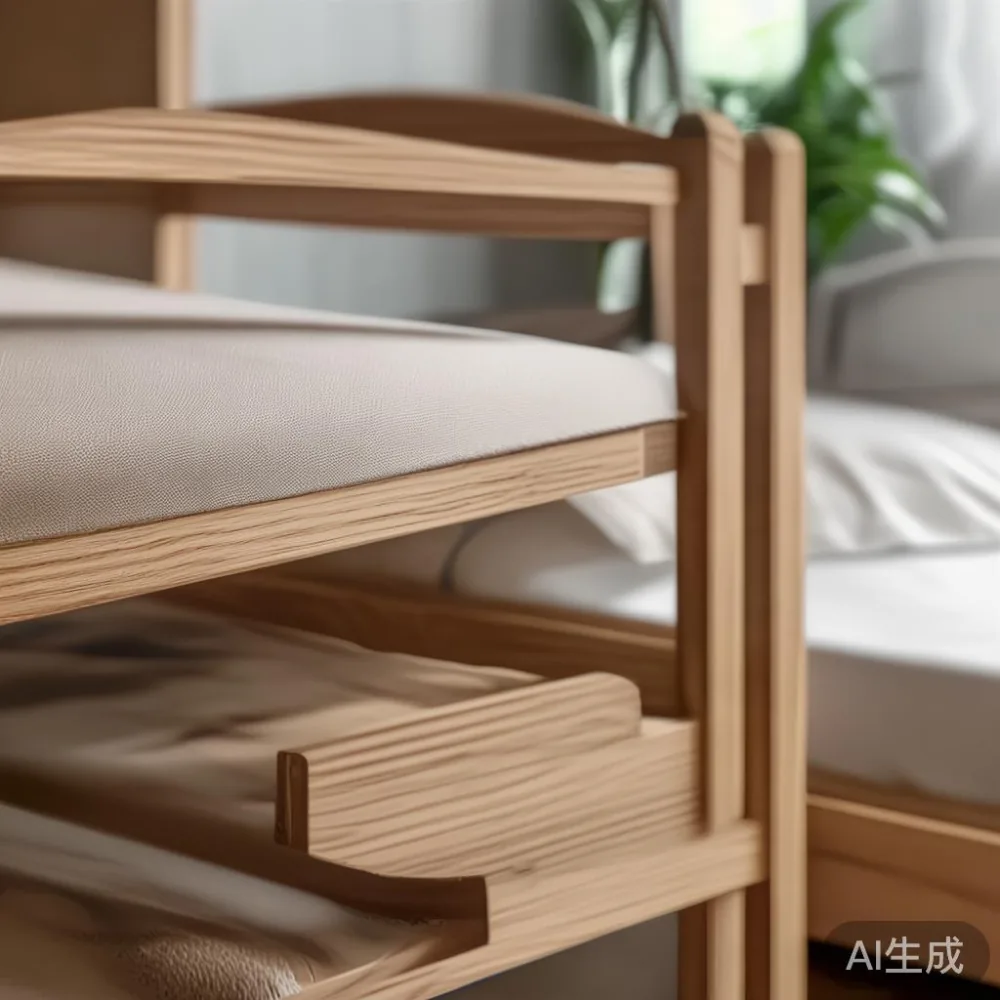
That gap looks bigger than it is once you account for what each frame actually carries. Veneer HDF/MDF tops typically tolerate 90 to 110 kg distributed weight; a 9-year-old, a pile of plush toys, and the cousin who insists on sleeping over for the weekend will push that limit. Solid rubberwood and ash frames from makers such as MIDHILL are rated to 180 kg, which means the bed is genuinely the one your child grows into rather than the one you replace when they hit Primary 3.
What breaks first on a veneer kids bed in HDB humidity?
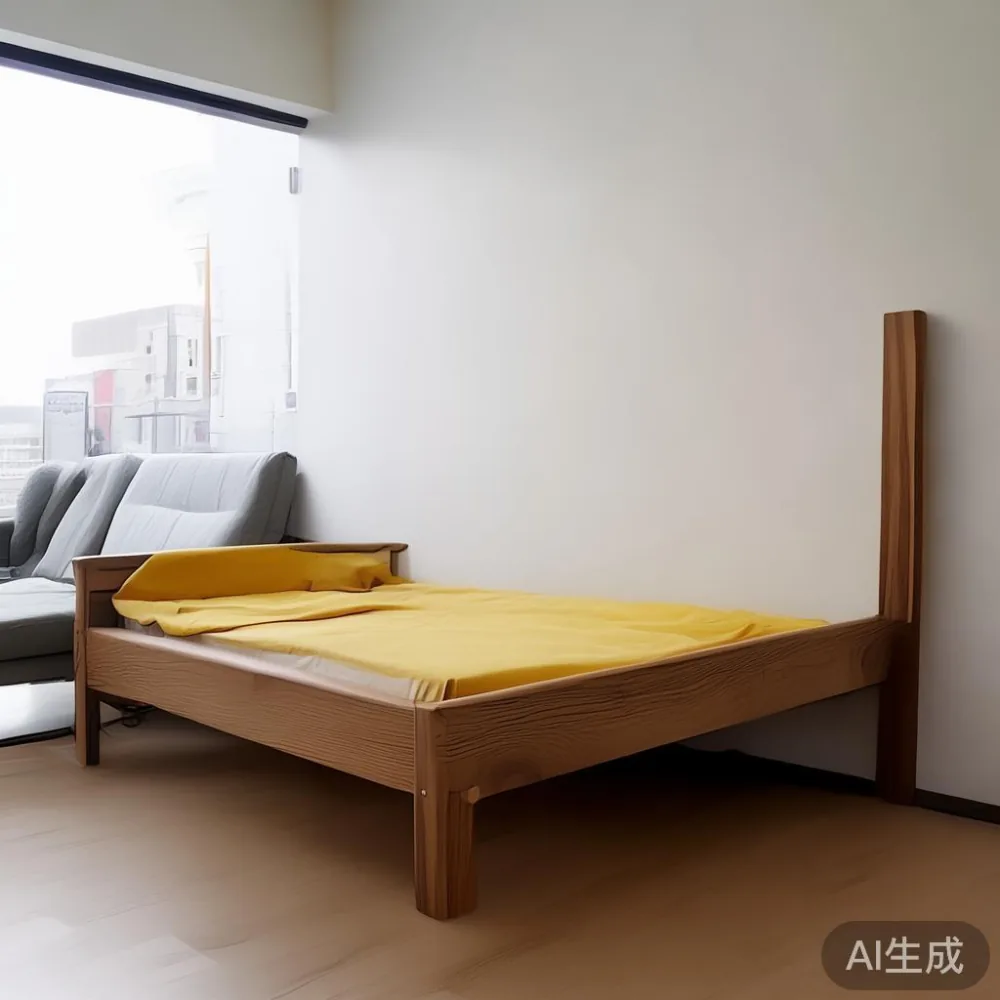
I tested two units last month. A friend's three-year-old Pinewood Avenue flat in Bedok had a popular online-brand veneer single bed, purchased in October 2022 for SGD 449. By August 2024 the headboard corner had bubbled, one slat snapped, and the exposed MDF at the foot absorbed humidity and grew roughly 4 mm. The replacement quote from the same brand was SGD 520 for a new unit, plus SGD 60 delivery because the lift could not take the box in one piece and the corridor is 1.3 m wide.
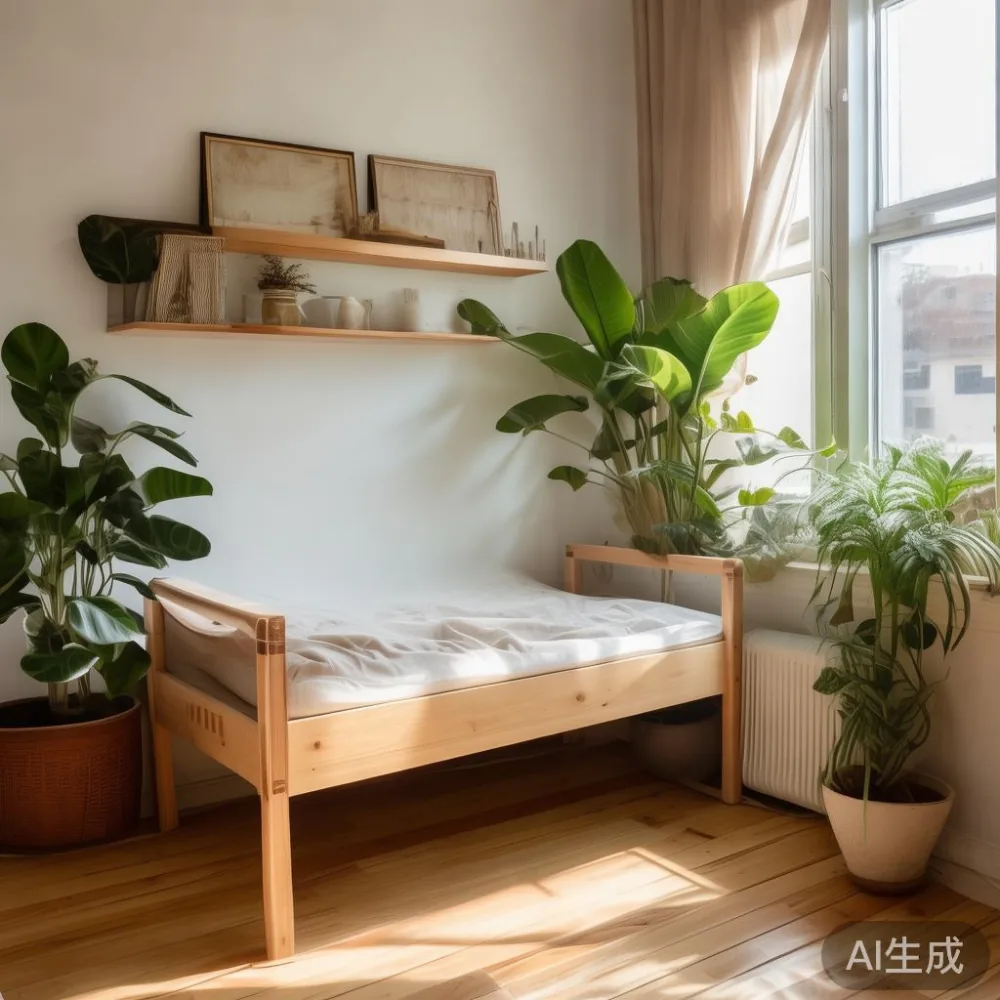
Across the same window, a colleague's Punggol Way condo family runs a MIDHILL solid ash kids bed bought in November 2021 for SGD 880. The only intervention has been one tightening of the slat bolts at month 14 and a light sanding and re-oiling at year three (a service that comes with the lifetime refinishing offer the brand publishes on its Singapore page). Out-of-pocket for the family in five years: zero. The bed still looks like new.
Will the lift and doorway of my HDB actually take a solid wood kids bed?
This is the most practical Singapore question and it deserves a straight answer: a flat-pack solid wood kids bed will fit the vast majority of HDB lift cabins and corridor widths, as long as you order a model with a knock-down centre rail rather than a pre-assembled monolith. Standard HDB passenger lift car interior is 1.1 m deep by 1.4 m wide with a 2.1 m door; most single and super-single solid wood frames ship in boxes between 35 cm and 50 cm on every side, so two of them plus the slat pack will ride up with you.
Older blocks in Tampines (blocks built in the late-1980s Simei and along Tampines Street 21) sometimes have cargo lift car interiors closer to 1.5 m by 1.8 m, which is generous. Where it gets tight is the corner staircase at 15 Ang Mo Kio and certain walk-up maisonette corridors. Always measure from the lift door to the bedroom wall — add 5 cm for skirting and 10 cm for the angle you need to tilt the long side panel. A single-bed box that is 205 cm long by 38 cm wide by 22 cm tall rarely fails this test. A pre-assembled king-size frame will.
What does the five-year total cost really look like with GST, delivery, and replacement parts?
Below is the line-by-line I built for a Singapore family buying for a child aged four in 2025, projecting forward to 2030. All prices include the 9% GST applied at the till.
Veneer kids bed — projected 5-year cost
- Initial purchase (2025): SGD 449
- Delivery to a 4th-floor HDB in Tampines (no lift surcharge, but corridor carry): SGD 60
- Humidity-related adjustment and one slat replacement at year 3: SGD 85
- Full replacement at year 1 of primary (the bed is too short and too flimsy): SGD 520 plus delivery
- Disposal of old frame at year 5: SGD 40
- 5-year total: SGD 1,154
Solid wood kids bed — projected 5-year cost
- Initial purchase (2025): SGD 880 (rubberwood or ash, single)
- Delivery (free over SGD 350 for many Singapore-direct brands, including MIDHILL): SGD 0
- Year 2 slat re-tension and tightening: SGD 0 (covered)
- Year 4 sand and re-oil: SGD 0 (lifetime refinishing)
- Year 5 mattress upgrade only, frame carried forward: SGD 250 (for the changing body) — frame stays
- 5-year total: SGD 1,130
Notice how the lines cross. Even if the solid wood frame costs nearly twice the initial ticket, the absence of a replacement cycle evens the running total. After seven years the solid wood option pulls ahead by SGD 600 to SGD 900 because the veneer model has typically been replaced once and is heading into its second. The math, in other words, only gets kinder to solid wood the longer your child sleeps in it.
How do I choose a industrial style for a study?
Pick one or two industrial cues (blackened steel legs, exposed bolts, a raw-wood top) and keep the rest warm, because a child's study needs calm more than it needs drama. Start with a black-powder-coated steel frame at desk height 72 cm, pair it with a solid ash top 120 cm by 55 cm in a warm honey or natural finish, then keep the rest of the room in soft neutrals — oatmeal curtains, a wool rug, off-white walls. Add a single low-glare 4,000 K desk lamp, two linen pinboards in charcoal, and one open shelf at 110 cm for books within reach. Resist the urge to add every industrial cue at once; black steel, raw wood, and riveted metal is a recipe for a warehouse, not a study.
You also want the desk to age up with the child. A solid ash top with a 25 mm thickness and an oil finish can be sanded and re-oiled at year seven; the steel legs will outlast three desk replacements. If you want to extend the theme without overcommitting, a coordinating solid wood nightstand in the same ash finish will tie the bedroom back to the study, and a small marble table corner piece (60 cm round, Carrara-look quartz) gives you the cool contrast industrial style loves without the maintenance of real stone.
How do veneer kids beds fit into light-luxury interiors without looking cheap?
Light luxury — French light luxury (think soft champagne brass and curved silhouettes), American light luxury (cleaner lines, oversized upholstery, muted earth tones), or post-modern light luxury (sculptural shapes, mixed metals, soft geometry) — can absolutely work with veneer furniture, but only on pieces that do not carry weight or moisture. A kids bed is the wrong place to compromise. The bed is the largest single object in the room, it takes daily punishment, and a bubbled corner or a chipped edge reads instantly.
Where veneer earns its keep in a light-luxury setting is on the secondary pieces: a console top behind the door, a wardrobe interior panel, the back of a bookshelf. Save the budget for the hero pieces in solid wood — a solid wood bed frame, a solid wood dining table that takes the homework clutter, a solid wood nightstand, and a marble or quartz-top coffee table for the living room. One of the clearer patterns I have seen in the past 12 months across the new BTO launches in Punggol is parents investing in one solid wood sofa (often a Scandinavian leather fabric sofa for the living room, since wipe-clean surfaces matter when a six-year-old owns the house) and matching the bedroom and dining in solid wood from the same maker, so the whole flat reads as one considered palette rather than a catalogue of mismatched collections.
What should I check on the warranty and after-sales before I click pay?
Three things, in this order. First, the structural warranty: a maker that backs the joint and the slat system for ten years is making a statement about kiln-drying and joinery. MIDHILL publishes a ten-year structural warranty on its solid wood line, which is the longest I have seen from a Singapore-direct factory. Second, the refinishing offer: lifetime sanding and re-oiling means the maker expects the bed to live in your family for at least the next child and probably the next tenant. Third, the logistics: free delivery above a reasonable threshold (SGD 350 is the common number), a returns window of at least 14 days, and ideally an in-HDB assembly option that costs under SGD 80.
One more Singapore-specific note. If you live in a condo with a service lift that needs booking, ask the seller for a delivery window between 10 am and 4 pm on weekdays; movers that arrive during your block's quiet hours (Sunday and public holidays in most Punggol and Bedok estates) sometimes get turned away at the guardhouse. A brand that has shipped into 15 or more countries has usually solved this — the dispatch team will text the guardhouse ahead of time and bring the right number of manpower if the service lift door is the narrower 1.2 m type.
Is a solid wood kids bed really worth it for a small HDB bedroom?
Yes, and the reason is not romantic. A solid wood kids bed in a single or super-single size occupies the same footprint as a veneer MDF one, so it does not steal floor space your child needs to play. It does, however, free you from one major replacement cycle in the first ten years, which means one fewer bulky box through the lift, one fewer weekend spent watching a stranger assemble flat-pack in your bedroom, and one fewer disposal trip to the furniture recycling point in Tuas. Over a five-year window the cost is roughly a wash; over a ten-year window the solid wood version wins by a year of primary school savings.
If your budget is tight, compromise on the secondary pieces: pick a printed laminate wardrobe interior, a veneer-faced bookshelf for soft toys, and put the solid wood budget into the bed, the dining table, and the nightstand. Those are the items that carry weight, take knocks, and define how the room feels when the door is open and the grandparents walk in. A flat that reads solid in the three places it matters, and forgiving in the three places it does not, is the most realistic Singapore compromise right now.