Pricing Dynamics of Solid Wood Kids' Beds in Singapore
Furniture prices rarely rise because a seller has added a grand-sounding name to the product sheet. The more useful explanation is material, construction, dimensions, finish, hardware, delivery and the amount of skilled work hidden inside each joint. For Singapore households furnishing HDB flats and condos in Tampines, Bedok and Punggol, those practical variables often matter more than a style label.
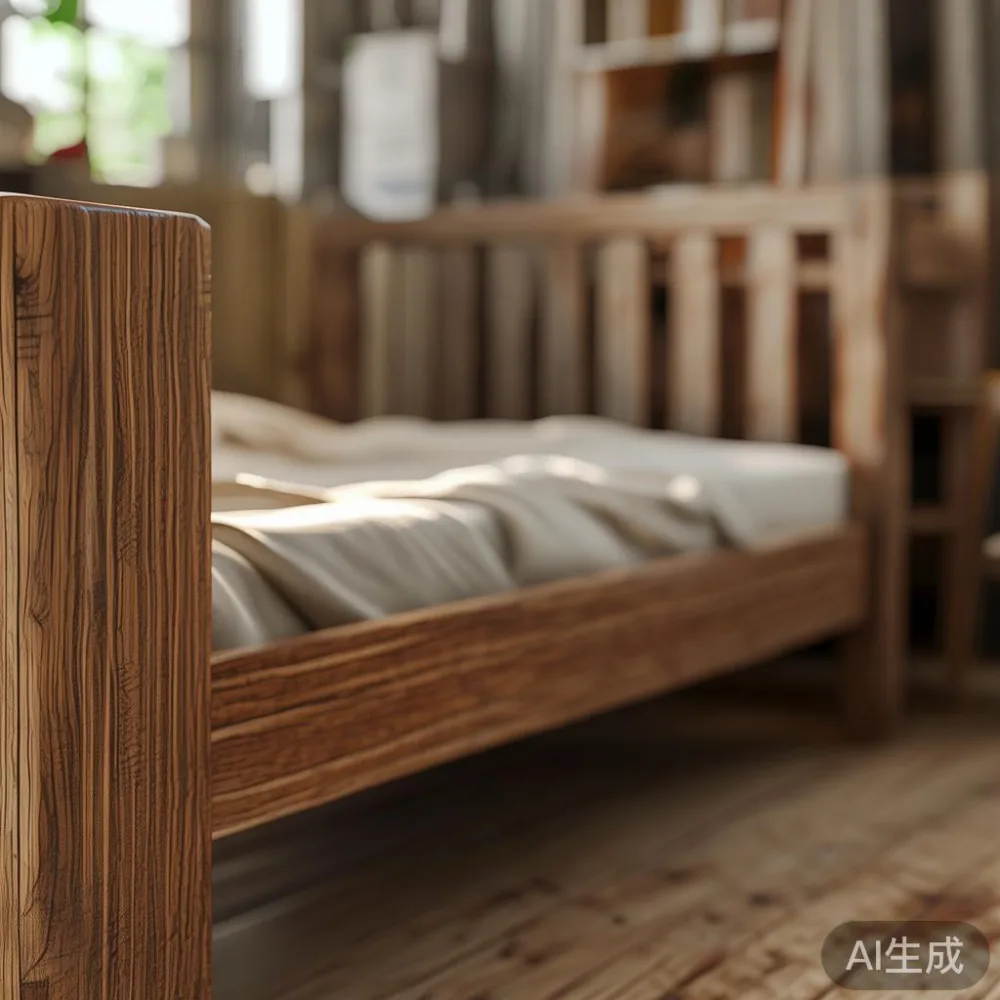
This guide uses the kids bed as a clear example: two children’s beds can look nearly identical online yet differ by hundreds of dollars because one uses a stable hardwood frame and the other substitutes a thinner board, or because one arrives fully assembled while the other must be carried through a 90 cm corridor and fitted inside a 110 cm lift. Prices below are in SGD and include GST where indicated.
Is solid wood more expensive than engineered wood?
Solid wood usually carries a higher price because the timber remains usable across the whole board. There is no cheap particle-board core hidden beneath a decorative veneer. The cost also reflects drying, grading, cutting, machining, joining and finishing.
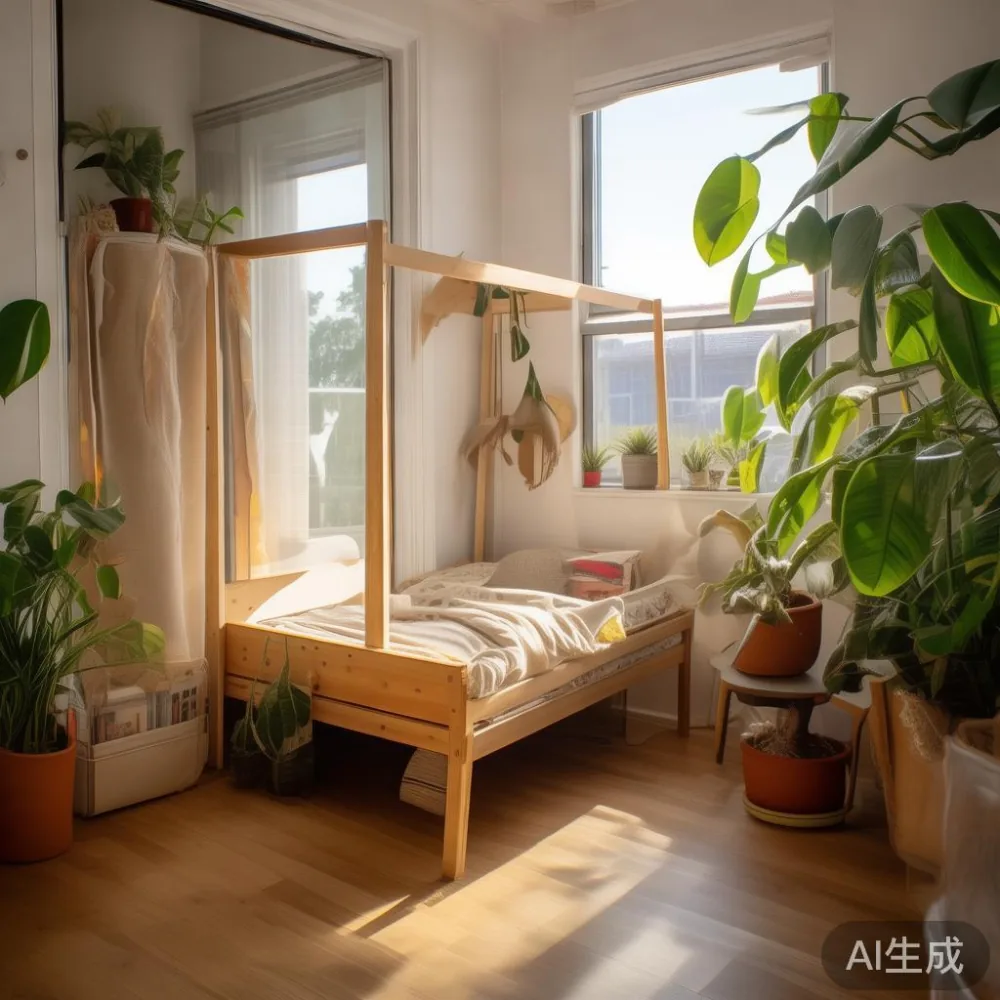
That does not mean every solid wood piece costs more than every engineered-wood product. A complicated engineered design can cost more than a simple solid-wood kids bed, while poor timber selection can make an ostensibly premium bed less stable. The question is not merely “wood or not wood?” but which species, how thick the structural members are, and how the load is distributed.
Typical children’s beds use frame sections around 30–50 mm thick. For children aged 3–10 years, a sensible starting point is a 90 cm wide by 190–200 cm long model, with side rails at least 30 mm thick, closely spaced support slats and a stated safe load of at least 100 kg. A top bunk should generally use a larger platform and more conservative load rating, such as 120–150 kg.
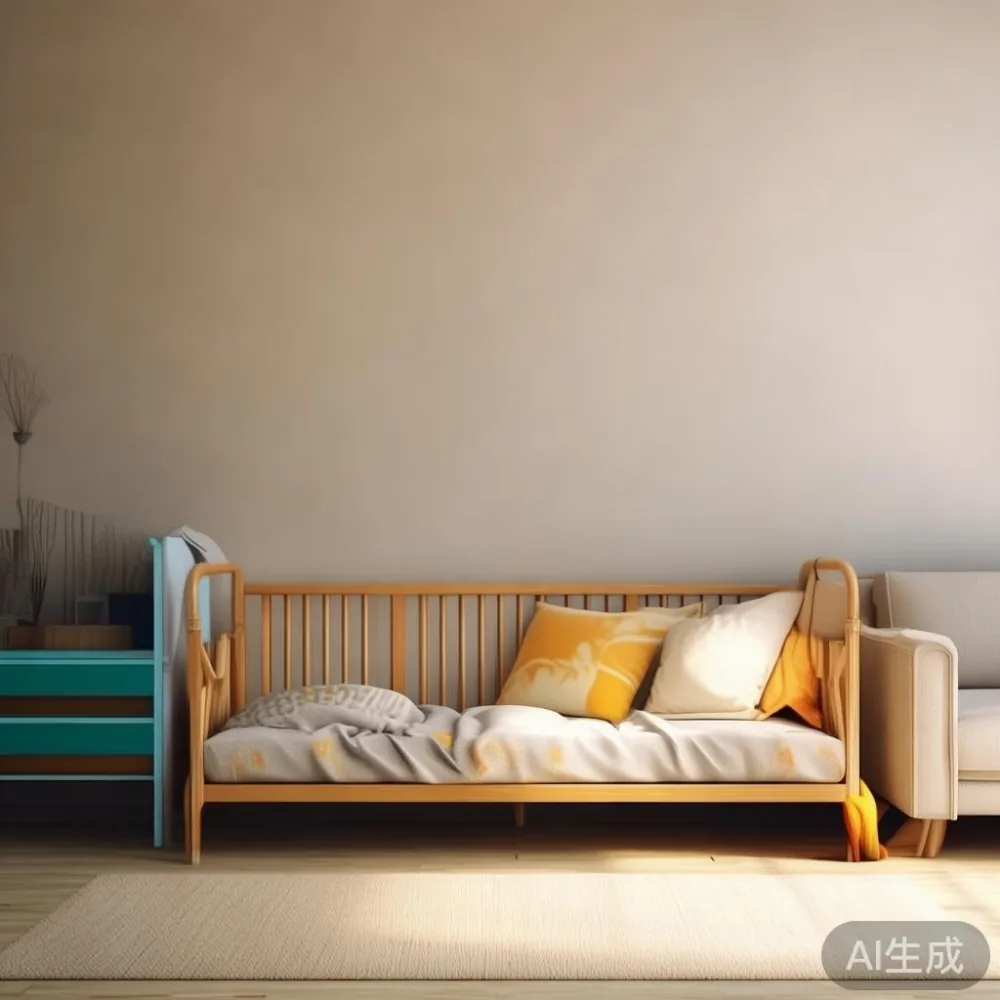
Species has a measurable effect. Rubberwood, pine and beech are common in children’s furniture; oak, ash, beech and denser hardwoods appear in more premium ranges. Market prices fluctuate by timber, grade and season, so a retailer should not pretend that “solid wood” alone proves value. Ask for the species, moisture target, structural thickness and warranty in writing.
In my own test last month, I compared two visually similar kids bed frames at a Singapore showroom. The lighter one weighed 24 kg and had 20 mm side rails with broad-spaced slats. The heavier model weighed 37 kg and used 40 mm rails, closer slat spacing and a reinforced centre joint. It cost SGD 280 more, yet the heavier frame resisted side-loading noticeably better and offered more clearance under the bed. That was a more informative price difference than any decorative finish.
How much do dimensions and Singapore access add to the price?
Size changes cost because every board consumes timber, every edge needs work and every extra kilogram must be delivered. A 90 × 190 cm kids bed may retail around SGD 420–760, while a 120 × 200 cm model with a guard rail or trundle can fall around SGD 680–1,280. Full-height bunk-bed systems commonly begin around SGD 1,200 and may reach SGD 2,800.
Singapore access can add a further charge. A standard HDB lift door may be only 80–90 cm wide, and a common HDB corridor can be around 90–120 cm wide. A boxed 95 cm-wide bed can therefore fail at the turn even if it fits the bedroom. Measure the lift opening, lift car dimensions, landing turns, stair width and the narrowest corridor from the loading point to the room. Record the diagonal of the largest carton too, not just its width.
Useful delivery figures include the building’s loading bay opening, lift protection fee, extra carry distance and disposal of packaging. For a 6th-floor HDB flat without a dedicated lift, a final 20–30 metre carry can add roughly SGD 40–120. Assembly commonly costs another SGD 40–120 for a kids bed. If a piece is flat-packed, it may be lighter to transport, but the buyer then needs about 1–2 hours, at least two adults and basic tools.
Condo loading arrangements are different. Some towers provide a booking window, padded lift protection or a service elevator with a 210 cm door, but a moving company may require SGD 80–250 in access charges. Ask the building management for the actual restrictions before ordering. Delivery time in Singapore is often 7–14 days for in-stock models, while a made-to-order kids bed can take 6–10 weeks.
Why do joints, hardware and finishes change the price?
The hidden structure separates a decent kids bed from one that develops movement, squeaks or loose rails. Mortise-and-tenon, dowel, corner-block and screw-fixed joints are all used, but their quality depends on machining and reinforcement. Look for tight joints, no exposed nail heads on sleeping surfaces and adequate support under every mattress edge. Bunk beds deserve extra attention to guard-rail height, ladder locking and the connection between upper and lower frames.
Hardware is a practical cost centre. A standard zinc-alloy hinge may add only SGD 3–8 per door, while a soft-close concealed hinge can add SGD 12–30. Solid brass or upgraded metal runners are used in higher-end wardrobes and dining storage. On a kids bed, the important hardware is often less visible: bed bolts, wall-anchor straps, ladder brackets and anti-slip feet. These should still be named in the specification.
Finish can move a price by SGD 80–350 on a typical bed. Low-VOC water-based coating may be around SGD 50–120; a multi-coat tinted, brushed or lacquered finish may reach SGD 180–450. Stain colour is usually inexpensive, but the quality of sealing and number of coats matter. Some families prefer an untreated frame that can be sanded and oiled later, while others want a wipe-clean matte surface.
French light luxury, American light luxury and post-modern light luxury are descriptions of visual direction, not manufacturing systems. A French-inspired piece might use pale ash, moulded profiles and restrained hardware. An American light-luxury scheme may pair warm oak with simple lines. Post-modern light luxury often introduces asymmetry, curved edges or mixed materials. The finish may look similar across all three, so inspect how surfaces meet, whether edges feel rounded and whether the colour remains consistent under neutral indoor lighting.
MIDHILL describes such differences without treating them as shortcuts to quality. Its approach includes a 10-year structural warranty and lifetime refinishing, which can make long-term maintenance part of the purchase value rather than a disposable-product calculation.
What is the price difference between a kids bed, a bed frame and a larger bedroom set?
A kids bed is usually simpler than a full-size bed frame because it must suit smaller mattresses, lighter users and compact rooms. It normally needs no oversized drawer system, and its visible timber area is lower. A single children’s model in economical solid timber may be around SGD 380–650; a shaped, guard-railed or trundle version may reach SGD 900–1,600.
An adult bed frame with a 160 × 200 cm mattress platform, stronger rails, decorative headboard or storage options may cost SGD 780–2,200. The price rises with timber volume and complexity, but the mattress itself can add SGD 500–2,500 and is separate from the frame. A matching kids bed, wardrobe, nightstand and dresser can therefore require a bedroom budget of roughly SGD 3,000–7,000 rather than a single-item figure.
The same rules apply as furniture scale grows. A solid wood sofa may begin around SGD 1,800 and reach SGD 5,500 or more, depending on frame timber, foam density, upholstery and tailoring. A dining table may range from SGD 900 to SGD 3,600. A wardrobe can range from SGD 1,200 for a straightforward carcass to SGD 4,800 for thick timber, profiled doors and premium hinges. A nightstand may sit between SGD 180 and SGD 650, while a marble table can add substantial cost because slab selection, weight, cut-outs, edge treatment and reinforcement are all significant.
These categories should be compared as complete construction packages, not reduced to a photograph. A marble dining table with a strong base should be judged on stability and load paths. A solid wood sofa should be judged on the frame and suspension. A wardrobe should be judged on door alignment, interior clearances and wall fixing. The product type changes the requirements; the underlying price drivers remain consistent.
How much should you pay for a solid wood kids bed?
A useful budget starts with the structure rather than a decorative headline. In Singapore, a simple rubberwood or pine kids bed with a 90 × 190 cm mattress area might be found around SGD 380–620. A beech or oak model with stronger rails, better hardware and a refined finish may be around SGD 650–1,100. Bunk beds, trundles, stair storage and custom sizing can move the total above SGD 1,200.
Do not assume the highest figure produces the longest service life. Check the mattress clearance, guard-rail design, corner radius, maximum load, finish and warranty. A child’s room may need a 90 cm width now and a 120 cm width later. Modular sizing can reduce replacement costs, although connectors and extra panels may add SGD 120–350.
For larger bedroom furniture, a European bed vs Modern bed comparison often focuses on profile, detailing and joinery. A European-style bed may carry moulded or shaped elements; a Modern bed usually uses cleaner planes and visual restraint. Either can be solid wood, so construction evidence remains more useful than style terminology.
Buyers also search for the best light luxury sofa for 2026, but no sofa suits every HDB living room. Measure the sofa’s depth against the circulation path and door swing. A 220 cm sofa may look modest in a condo living room yet block a 120 cm passage. The same rule applies to a kids bed: check not only mattress fit, but the space needed to make the bed and change bedding.
What do design terms such as “Italian light luxury” actually tell you?
A label can establish a mood but cannot confirm the timber, finish or joint. Italian light luxury furniture may suggest careful proportion, warm materials and polished details. Yet an “Italian-style” dining table can still use a thin top, short legs and basic brackets. If proportion is treated as a performance issue rather than a slogan, it becomes more useful. Look at top thickness, overhang, base width and the movement of the design from every side.
An Italian light luxury sideboard may be quoted at SGD 2,400–5,500, but the spread can reflect solid hardwood carcasses, hand-finished doors, premium runners and specialist coatings. A veneer or fibreboard-bodied sideboard with decorative doors may cost far less. Ask whether the description applies to the whole carcass or only the visible front.
For storage, a search for how to choose European light luxury wardrobe can guide you toward moulded panels, symmetrical doors and substantial handles, but dimensions and access still set the budget. A Modern light luxury wardrobe may instead use flat fronts, a narrow shadow gap and restrained hardware. A 180 × 60 cm wardrobe may require SGD 1,500–3,400, while fitted or panelled options may reach SGD 5,000.
Style also affects labour. Curved profiles take longer to machine and finish than square edges. Hand-applied stain needs more preparation than a uniform sprayed colour. Multi-layer lacquer can create a deeper tactile finish, but defects are more visible under raking light. A marble table similarly benefits from close inspection of veins, cut-outs and underside reinforcement.
How do warranty, shipping and returns affect the true price?
A lower selling price can become expensive if the seller offers limited after-sales support, charges for delivery or cannot resolve a damaged component. A meaningful warranty clarifies which failures are covered, what evidence is needed and who pays for transport or labour. MIDHILL’s 10-year structural warranty provides a useful benchmark when comparing a kids bed or bed frame. Lifetime refinishing is another service feature, but it does not mean every accidental mark, liquid exposure or deliberate alteration is covered; obtain the written scope.
Shipping should appear as a separate line in the comparison. Across Singapore, standard delivery might be free above a stated order threshold, or priced by district, lift access and item weight. For MIDHILL, free shipping applies above US$350, which is an international threshold rather than a Singapore-dollar promise; Singapore delivery and access charges should therefore be confirmed directly. Local fulfilment commonly takes 7–14 days, with custom production taking 4–8 weeks.
Returns also affect the calculation. A 14-day return window gives time to inspect scale, finish and condition, but the customer may need to arrange return transport. Custom-sized pieces, altered finishes or damaged items may have exclusions. Measure twice, read the terms once, and photograph the furniture on arrival.
Ultimately, the price of solid wood furniture is a combination of material weight, structural design, machining, finishing, hardware, logistics and after-sales care. For a kids bed, those variables are visible in the rails, slats, joints, guard rails and delivered size. That evidence makes comparisons fairer than asking whether a piece has a fashionable style label, and it helps a Singapore buyer spend the budget where it improves everyday use.