What Actually Drives the Price of Solid Wood Furniture
As a parent working through the narrow corridors and compact lift landings of a Tampines HDB flat, choosing furniture is a constant exercise in balancing aesthetics, space, and budget. You might see a beautifully crafted kids bed in a showroom and wonder why its price tag is significantly higher than a mass-produced alternative. The difference isn't just about the material; it's a complex interplay of factors that determine the true value of a piece built to last. For those of us in Singapore, where space is a premium and quality is a long-term investment, understanding these drivers is key to making a wise purchase.
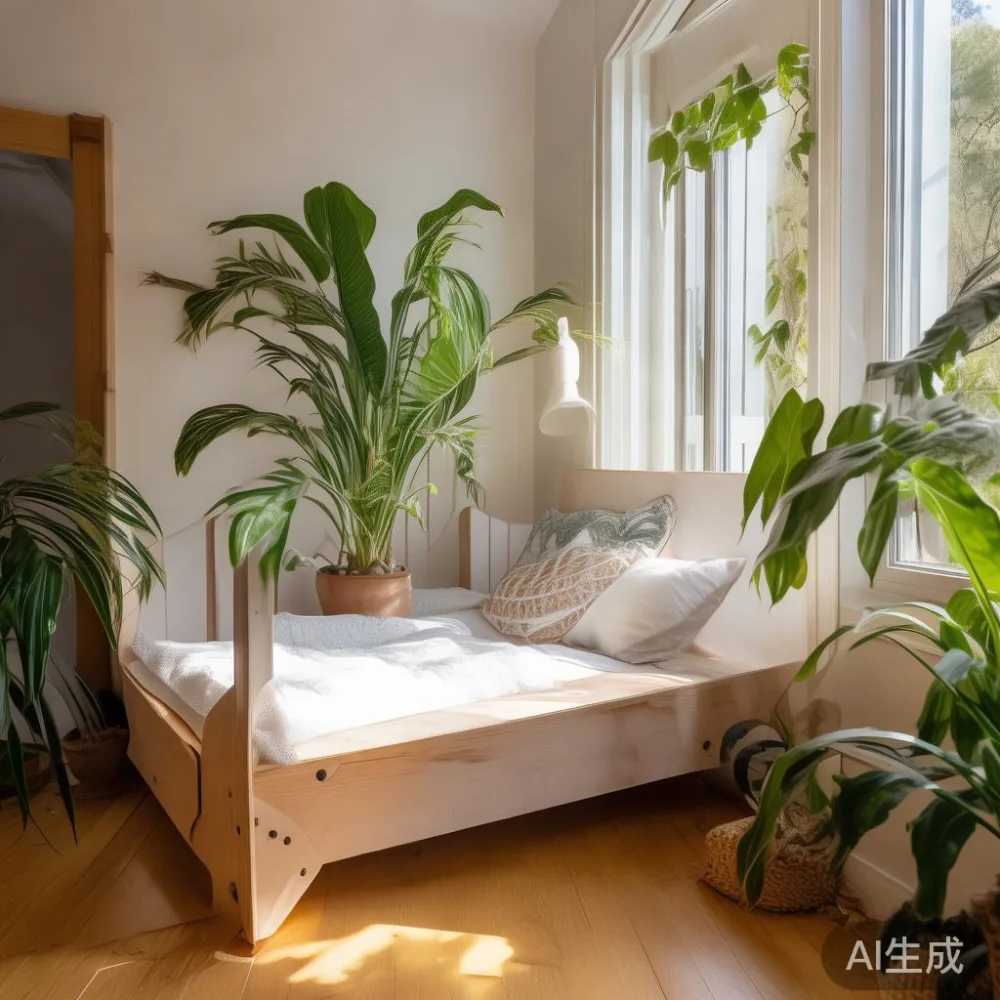
Why Does a Solid Wood Kids Bed Cost More Than a Veneer One?
The most obvious factor is the raw material itself. Solid wood furniture, like a sturdy kids bed, is constructed from a single, solid piece of lumber, such as oak, rubberwood, or mango. When you lift a solid wood nightstand, you're feeling the heft and density of genuine timber. In contrast, veneer furniture uses a thin layer of real wood bonded over a cheaper substrate like particleboard or MDF. This substrate is significantly less durable. A particleboard wardrobe, for example, can swell and disintegrate if it gets damp from a bathroom floor, whereas a solid wood frame will simply absorb the moisture and dry out, retaining its structural integrity. The longevity of a solid wood kids bed is a primary reason for its higher cost. A well-made solid wood bed can be refinished multiple times over decades, looking as good as new, while a veneer piece might need to be replaced after a few years of use. For a family, this durability means the kids bed can be passed down to younger siblings, offering long-term value that a cheaper, disposable item cannot.
How Does Craftsmanship and Joinery Affect the Price?
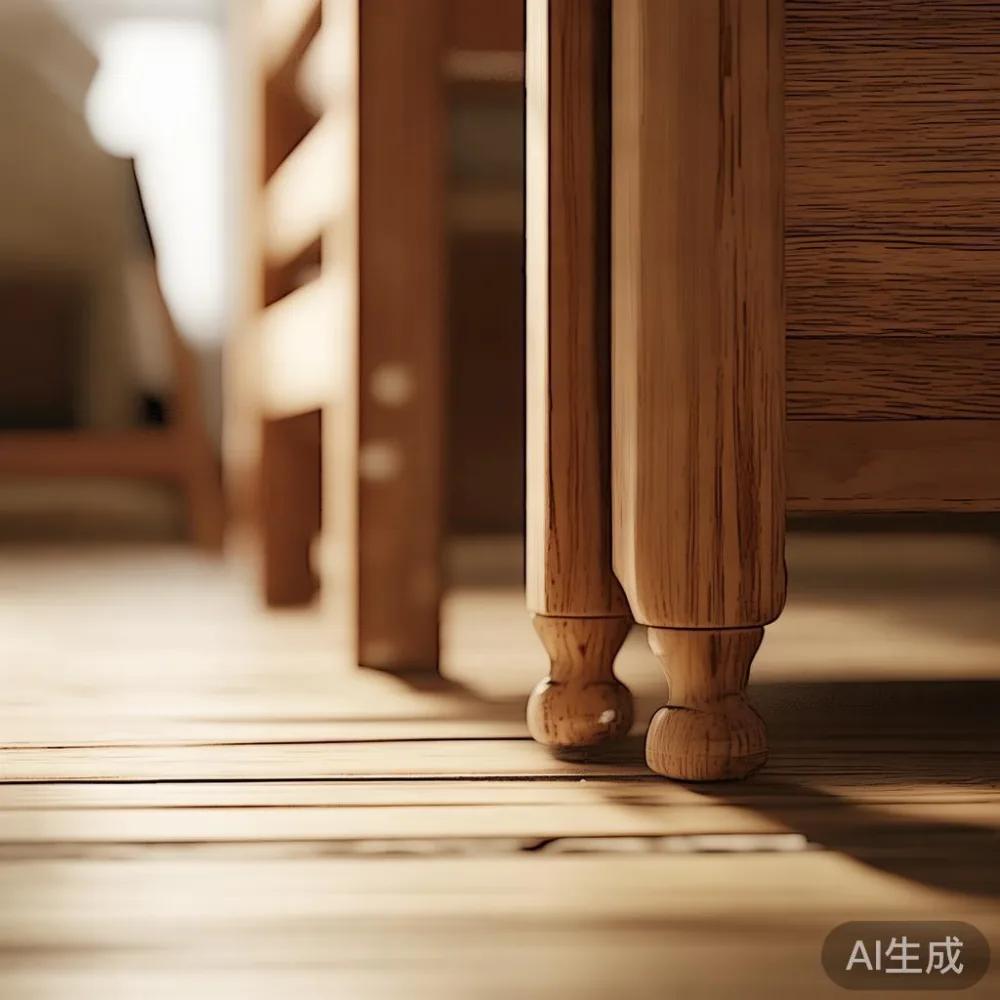
Beyond the material, the method of construction is a critical determinant of price. A solid wood kids bed from a reputable maker like MIDHILL furniture will feature superior joinery techniques. You won't find staples or cheap glue joints holding the frame together. Instead, you'll find time-honoured methods like dovetail joints in drawers, mortise and tenon joints for corners, and dowel reinforcements for added strength. These techniques require skilled artisans, precise machinery, and more time to execute. A colleague of mine last month visited a workshop in Foshan and saw firsthand how a master carpenter hand-sanded the edges of a single bed frame for over an hour to ensure a perfectly smooth finish. This level of craftsmanship is reflected in the final price. A poorly constructed bed might wobble after a year of use as a kids bed, but a well-crafted one remains stable and silent for a lifetime. This attention to detail is a hallmark of light luxury furniture china, where the focus is on creating pieces that are not just beautiful but exceptionally well-made.
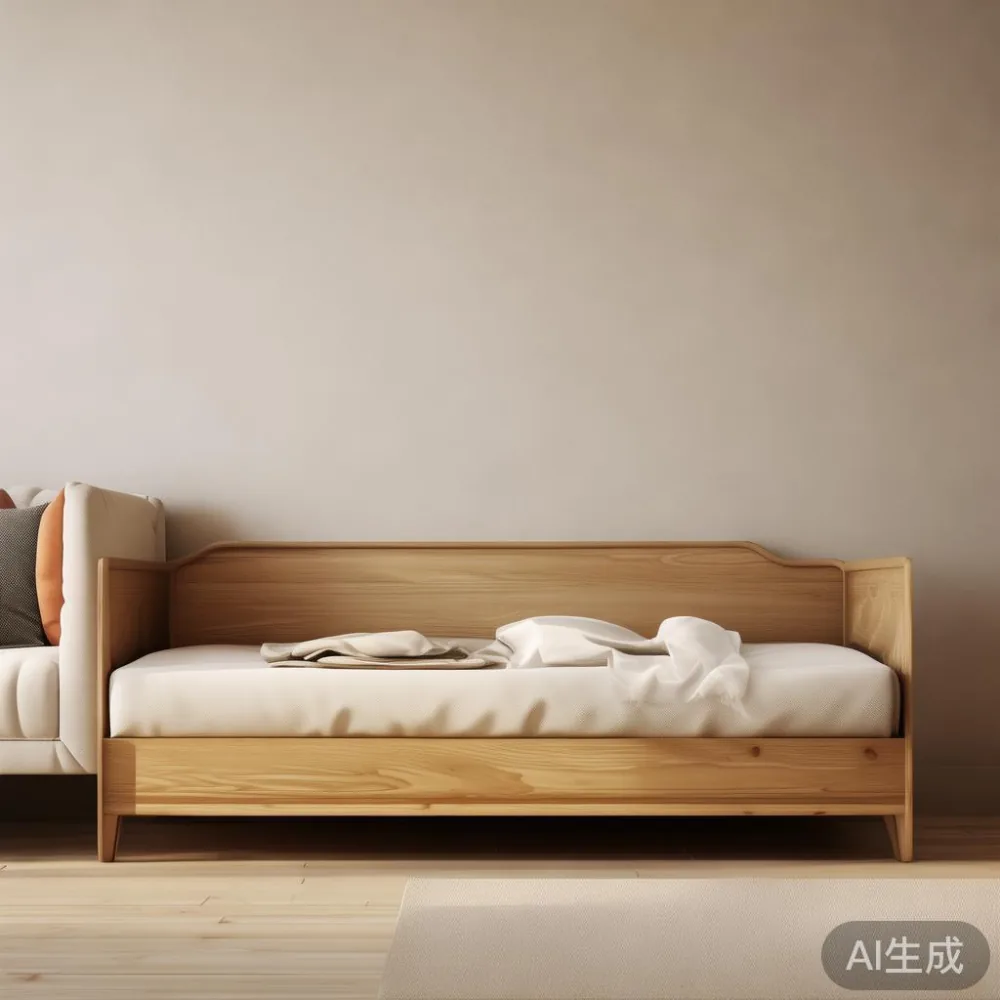
Is the Wood Type and Origin Really That Important?
Absolutely. Not all wood is created equal, and the type used in a kids bed directly impacts its price, weight, and suitability for the Singapore climate. Hardwoods like oak, maple, and walnut are denser, more durable, and more expensive than softwoods like pine or fir. For a kids bed that might endure enthusiastic jumping, a hardwood frame is far more resilient. The origin of the wood also plays a role. Foshan, where MIDHILL is based, is a hub for high-quality rubberwood, a sustainable and durable hardwood that is an excellent alternative to more expensive teak. The wood must also be properly kiln-dried to a specific moisture content, typically between 8-10% for Singapore's humid climate. This process prevents the wood from warping or cracking when it acclimates to your home. A kids bed made from improperly dried wood might develop gaps or twists in the wood panels over time, especially during the transition between the dry air-conditioned indoors and the humid outdoors. The cost of sourcing premium, sustainably harvested wood and investing in proper kiln-drying is a significant part of the final price.
What About Design, Finishes, and Customisation?
The aesthetic and functional design of a piece of furniture adds another layer to its cost. A simple, minimalist kids bed will be less expensive than one with intricate carvings, elaborate headboards, or integrated storage solutions. Design trends also influence pricing. A post-modern light luxury kids bed with clean lines and a sophisticated colour palette will command a higher price than a basic, functional model. The finish is another consideration. A high-quality, non-toxic paint or a natural oil finish that is safe for children's rooms is more expensive than a cheap lacquer. For those living in HDB flats or condos with unique layouts, the ability to customise a kids bed to fit a specific space can be invaluable. Perhaps you need a bed with a specific height to fit under a window in a Punggol apartment, or one with built-in drawers to maximise floor space in a small Bedok bedroom. These customisations require additional design time and labour, which are factored into the price. The trend towards a minimalist aesthetic, like the one seen in a Nordic for dining room, is also influencing bedroom design, favouring clean forms and natural materials that often command a premium.
How Does the Singapore Market Influence the Final Price Tag?
When you see a price in SGD, it's important to understand the local factors that contribute to it. The Goods and Services Tax (GST) of 9% is applied to the final cost, adding a significant amount to the sticker price. For a kids bed costing SGD 2,000, the GST alone adds SGD 180. Delivery is another major consideration. In Singapore, working through the logistics of furniture delivery is complex. A large wardrobe or a solid wood bed frame requires a specialised vehicle and a team of movers who can handle the weight and bulk. Free shipping over SGD 350, as offered by many quality brands, is a substantial benefit that saves customers a significant amount, as standard delivery for a bulky item can easily cost SGD 80 to SGD 150. The delivery team also needs to consider the size of your HDB lift and corridor. A standard lift in an older estate might have dimensions of 110cm x 210cm, which can make manoeuvring a large item like a marble table or a wide wardrobe a challenge. This requires careful planning and experienced personnel, adding to the operational cost. For those in condos with wider corridors and larger lifts, the process is smoother, but the cost of providing a reliable, nationwide delivery service is built into the price of every piece of furniture.
Why is a Warranty Such a Key Indicator of Quality?
The warranty offered by a furniture manufacturer is one of the most transparent indicators of the quality and confidence they have in their product. A 10-year structural warranty on a kids bed is a powerful statement. It means the manufacturer is so certain of the durability of their joinery and materials that they are willing to guarantee it for a decade. This is in stark contrast to mass-market brands that might offer only a one-year warranty on the same item. A lifetime refinishing guarantee is another sign of high quality. It tells you that the piece is made from real solid wood that can be sanded down and refinished, unlike a veneered piece that would be ruined by the same process. These warranties are not just marketing fluff; they represent a significant financial commitment from the company. For a consumer, it provides peace of mind, knowing that your investment in a kids bed is protected. When you consider the cost of replacing a poorly made bed, a higher initial price with a strong warranty often proves to be the more economical choice in the long run. This level of assurance is a cornerstone of the light luxury furniture market, where value is defined not just by upfront cost but by the decades of use and support that follow.
What is the True Value of a Solid Wood Kids Bed for a Singapore Home?
Ultimately, the price of a solid wood kids bed reflects its total value, not just its immediate cost. It's an investment in a piece of furniture that will grow with your family. A well-chosen kids bed can transition from a toddler's first big-kid bed to a suitable frame for a teenager, all without losing its charm or structural soundness. This longevity is a powerful economic argument. Instead of buying a cheap bed every few years that ends up in landfill, you make a single, thoughtful purchase. This aligns perfectly with the principles of Japandi design, which values sustainability and longevity. Finding under 2000 Japandi furniture that is both beautiful and durable can be a challenge, but it represents a smart investment in a home that will be cherished for years. The aesthetic value is also significant. A solid wood kids bed can be a beautiful centrepiece in a bedroom, complementing a minimalist sofa in the living room or a marble table in the dining area. It contributes to a cohesive, sophisticated home environment. For parents who want to create a space that is both functional and stylish, a high-quality kids bed is an integral part of that vision. Understanding what drives its price allows you to appreciate the craftsmanship and make a choice that you and your children will be happy with for years to come.