Caring for Lacquered Kids Beds in Singapore’s Climate
A lacquered kids bed can bring calm, durable colour to a child’s room, but Singapore’s heat, humidity, salt air and frequent cleaning call for a careful care routine. For families in HDB flats and condos across Tampines, Bedok and Punggol, the real challenge often happens beyond the bedroom door: moving a 45–80 kg bed frame through a 90 cm corridor, past a lift with a 110 cm door and then placing it against a wall only 5 cm from the skirting board. Good lacquer care begins before delivery, continues through the first 14 days and becomes part of a simple weekly rhythm.
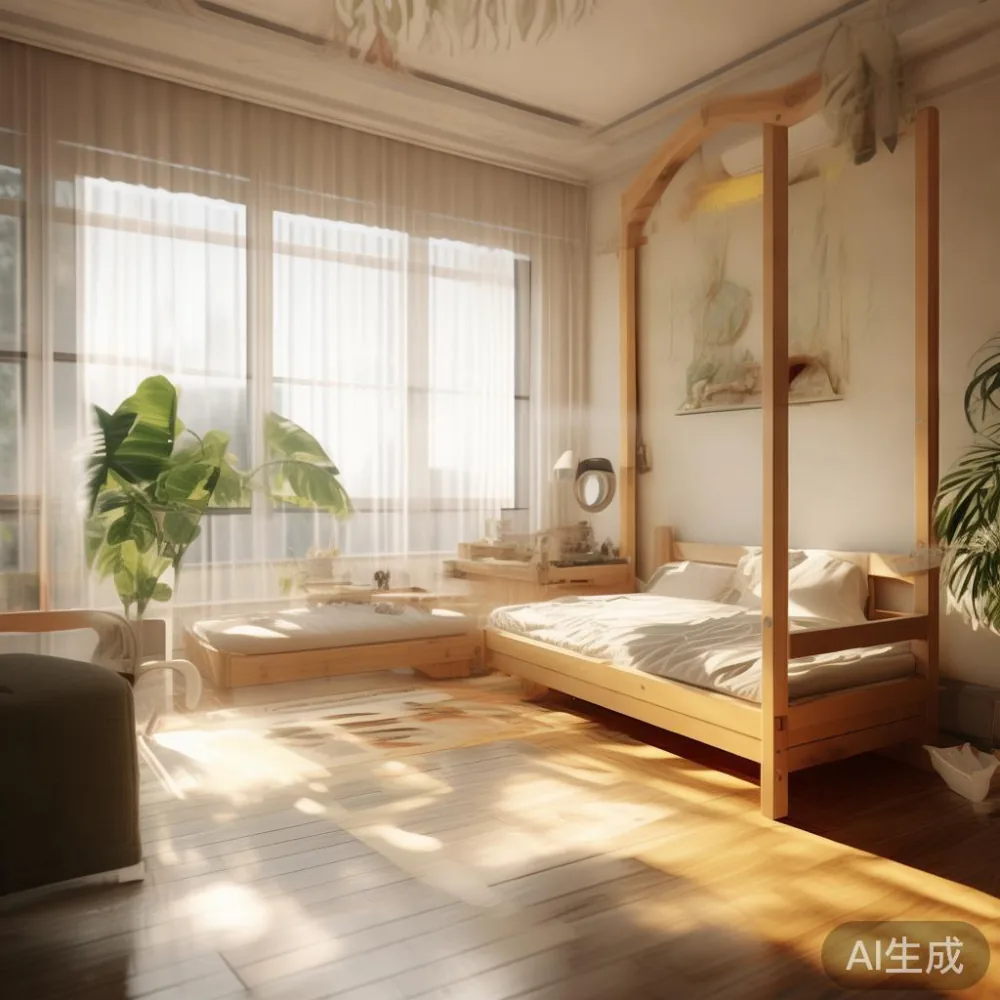
MIDHILL makes lacquered solid wood furniture for international buyers, including Singapore households, and offers a 10-year structural warranty, lifetime refinishing and free shipping above US$350. For local planning, MIDHILL’s international shipping terms should be checked for the final SGD price, GST treatment and delivery window. The products discussed here are not limited to one room: the same material knowledge applies to a solid wood sofa, dining table, wardrobe or nightstand, provided every finish and cleaning instruction is confirmed.
Why does lacquer behave differently in Singapore?
Singapore’s climate can keep relative humidity near 70–85% for much of the year, while afternoon temperatures regularly reach 31–34°C. Lacquer is generally more resistant to a brief damp wipe than unfinished solid wood, yet its appearance can still change under repeated heat, moisture, ultraviolet exposure and abrasive particles. This does not automatically mean the coating is failing. A slight warmth, faint colour shift or loss of gloss may be the finish responding to its surroundings.
The distinction between lacquer types matters. Water-based lacquer usually creates a thinner, harder film and may tolerate careful water cleaning better. Solvent-based or polyurethane lacquers may have stronger chemical resistance but can show solvent marks, haze or bubbles if the wrong product touches them. A manufacturer’s technical sheet should identify the exact system; if it does not, use the mildest method and test a concealed 10 cm × 10 cm area for 24 hours.
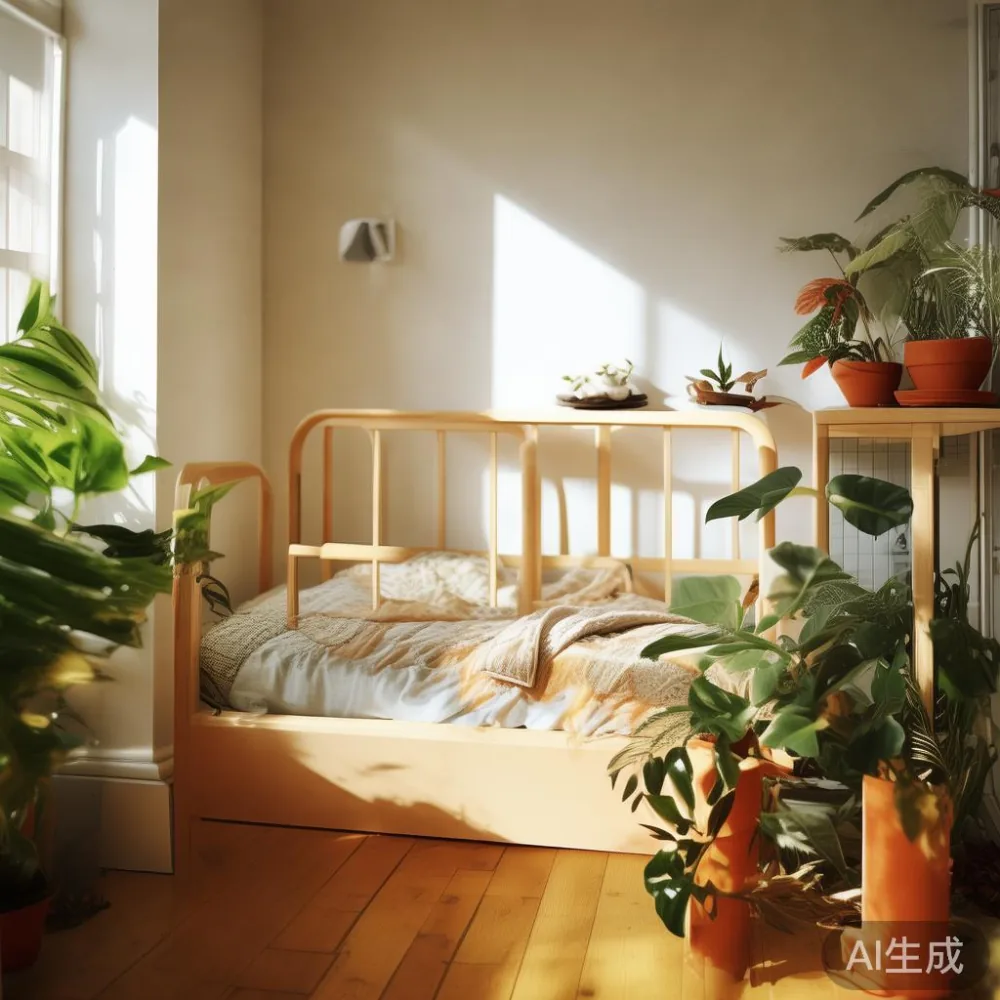
Wood movement remains part of the design. Solid timber expands and contracts as moisture changes, and a lacquered bed frame may show minute checks or seasonal joint movement even when its structure remains sound. Keep the piece within the supplier’s stated humidity range, commonly around 45–65%, whenever possible. In a typical Tampines flat without dedicated dehumidification, place the bed away from the window, maintain 30–60 cm of ventilation space and use a dehumidifier to hold the bedroom below 65% relative humidity.
Cleaner is not always better. A strong degreaser can soften a lacquer film, while a rough cloth can create swirl marks that become obvious under LED lighting. Daily wiping with an overly wet cloth may also push moisture into joints or onto the floor. The aim is controlled moisture, neutral pH and minimal rubbing.
How should I prepare a lacquered kids bed before it enters the bedroom?
Choose the route before ordering the bed. Measure the HDB or condo lift doorway, internal cabin width and height, then measure the corridor turns, unit door and bedroom door. Lift dimensions quoted by building management should be accepted only after checking the actual door opening and the narrowest point. For example, a 180 cm × 90 cm bed frame may fit a 110 cm lift door diagonally but remain difficult to turn into a 95 cm corridor.
Ask the supplier whether the kids bed arrives assembled or in sections. A flat-packed frame weighing 38 kg is easier for 2 people to manage than an assembled 72 kg unit. Confirm carton sizes, total carton weight, lift booking rules and the delivery window in days. Allow at least 3–7 days for stock preparation and another 1–3 days for local delivery, subject to the supplier and courier. Furniture lifts are not a substitute for safe stair handling: reserve a service lift and protect the door frames with cardboard.
Before the frame enters its final position, check the room. Keep it 5–10 cm from a wall if the design permits airflow behind the headboard, and 15 cm from windows or air-conditioning vents where practical. Avoid placing it directly beneath an air-conditioning outlet, which can create rapid surface-temperature changes. A nightstand with a 45 cm top and 4–8 kg weight should be positioned so it does not collide with the bed rail during cleaning.
Inspect all 6 sides, 4 legs, 8 visible joints and 12–20 fixing points under daylight. Photograph any pre-existing marks before assembly. If a coating defect is found within the 14-day return period, contact the seller with clear photographs and carton labels rather than attempting to polish it away. The finish should not conceal damage; a good inspection records it.
What is the safest weekly cleaning routine for a lacquered kids bed?
Use a soft microfibre cloth with 2–3 sprays of plain water containing 1 drop of pH-neutral dish soap per 500 ml. The cloth should be damp, never dripping. Wipe in the direction of the grain, using light pressure of roughly 1–2 kg rather than scrubbing in circles. Follow with a second clean microfibre cloth to remove residue. Test first on the underside of a rail for 24 hours, especially with a newer finish.
A practical timetable is simple:
- Daily: remove dust with a dry microfibre cloth or a vacuum fitted with an upholstery head, kept about 2 cm from the surface.
- Twice weekly: damp-wipe the headboard, side rails and footboard with diluted pH-neutral soap.
- Monthly: inspect under the mattress, around screw heads and behind the bed for moisture or insects.
- Every 6 months: check window exposure, condensation patterns, loose joints and the stability of the nightstand.
Never use vinegar, lemon, ammonia, bleach, alcohol, silicone spray, furniture polish, abrasive pads or alkaline cleaners. Although these products are popular for wood, they can stain, haze or soften lacquer. Avoid “feed the wood” oils unless the finish supplier explicitly approves them; an oil designed for an open-grain dining table may leave an oily film on a lacquered bed frame.
Spills need prompt attention. Blot rather than rub. For a 20 ml water spill, press a clean cloth against the area for 10 seconds, then follow the normal damp-wipe routine. Do not leave coloured juice, ink or sunscreen overnight because pigments can penetrate microcracks. If a spill has already soaked in, contact the finish specialist before using a solvent; a test area cannot reveal every ageing effect.
Can high humidity cause mould or damage the lacquer?
High humidity does not automatically create mould on sound lacquer, because the film is not a food source. The greater risk is condensation reaching the timber beneath it, especially along an uncoated underside, a cut-out, an edge or a joint. A lacquered kids bed in Punggol may be placed close to an external wall where rain infiltration and warm humid air meet. Watch for a musty smell within 24 hours of cleaning, a persistent dark line under the rail or paint lifting in 2–5 mm bubbles.
Run a hygrometer for 7 days, checking the reading at mattress height and again 30 cm above the floor. Record the lowest and highest readings and the times they occur. In a Bedok flat that remains above 70% for more than 8 hours per day, a compressor dehumidifier set to 60% is more useful than opening windows during the wettest evening hours. Outdoor air at 6 pm may be less humid than the room air, but outdoor pollution can settle on the finish and must be removed with a damp cloth.
Leave 30–60 minutes for the bed to air after cleaning, with the mattress removed if practical. Do not place bedding or plastic storage bins against a wet rail. For a child’s room, position a laundry hamper at least 60 cm from the bed and use solid containers with lids. If mould appears, stop using chemical cleaners and obtain a coating assessment; trapped moisture can be more damaging than a controlled surface clean.
Does the finish need polishing, and how often should it be refreshed?
Most sound lacquer surfaces do not need frequent polishing. An abrasive polish can remove the top layer and create uneven gloss, while an oily commercial restorer may make the bed slippery, collect dust or complicate future refinishing. A clean surface with a slightly dull sheen generally needs maintenance, not aggressive restoration.
If the supplier permits a maintenance product, use a non-abrasive, lacquer-compatible polish no more than once every 12 months. Apply a quantity no larger than a 1-cent coin, buff with a clean cloth for 2 minutes and remove residue. First test 10 cm × 10 cm and wait 72 hours. If the bed has a French light luxury profile, the goal is an even satin appearance rather than a mirror reflection. If the design has an American light luxury mood, the same restrained method protects a pale finish without creating patchy shine.
“Lifetime refinishing” should be understood as a service commitment with defined terms. Confirm whether collection, transport, stripping, repair and GST are included in Singapore, what constitutes refinishing versus colour correction, and whether lacquer must be matched by code. For a post-modern light luxury kids bed with shaped rails, the specialist may need to blend a 20 cm × 20 cm area before touching the whole panel.
Have a professional inspect the finish every 2–3 years, or sooner after a flood, renovation or chemical incident. A well-maintained lacquered bed frame can last for decades, but household realities matter. Children touch the rails with damp hands, bounce toys against the footboard and leave sunscreen on the headboard. Schedule a 10-minute inspection every 3 months and address marks early.
How can I keep the kids bed safe and attractive in a small Singapore room?
Design and maintenance work together. Use a fitted protector 2–3 cm above the lacquered rail if children climb or lean against it. For a mattress, follow the bed supplier’s size and weight limits rather than relying on appearance alone. A standard single mattress may weigh 15–25 kg, a toddler mattress 5–10 kg and a memory-foam option 25–35 kg. These figures should be checked because denser foams can add 10–20 kg.
In compact HDB bedrooms, choose a bed with a low-profile frame and rounded corners, leaving 55–70 cm on one side where possible. A narrow nightstand measuring 35–45 cm wide can hold a 20 cm lamp, book and water cup without narrowing the walkway. If the room is only 2.4–3 m wide, consider a 90 cm-wide kids bed with a 40 cm storage plinth rather than two separate bedside tables.
The broader design vocabulary can help with visual planning without pulling the topic into unrelated categories. A compact lounge might be styled around Nordic for small living room principles, or Japandi for small living room ideas, even though the room being protected remains a child’s bedroom. Likewise, European light luxury sofa vs French provincial sofa is a useful comparison when selecting a matching adult seating piece elsewhere in the flat. For temporary pieces, under 2000 Boho furniture can cover several seating needs in SGD, but the exact price and dimensions must reflect the seller’s listing.
For storage, a MIDHILL light luxury wardrobe may share the same care principles, although its larger panels need different humidity controls. A marble table is a separate material with its own sealing rules, while a solid wood sofa and dining table may have oil, wax or lacquer finishes. Always identify the finish rather than assuming that every product in one range accepts the same cleaner.
What should I do if the lacquer becomes scratched, hazy or sticky?
Start by identifying the symptom. A fine scratch that catches a fingernail may need filling; a shallow mark that does not catch may only need cosmetic care. Haze can result from cleaner residue, moisture trapped under a mat or incompatible silicone. Stickiness after warm weather can point to softened coating, humidity contamination or an unapproved polish. These issues require different responses.
For a fresh 1 mm scratch, clean the area, wait 24 hours and avoid filling it with oil. A touch-up pen may be suitable only if the manufacturer confirms the colour, chemistry and sheen. Match the code under good daylight rather than by colour name. For haze, remove the suspected residue with a barely damp cloth and allow 24–48 hours for moisture to leave. For sticky lacquer, stop polishing and obtain specialist advice; repeated wiping can spread the contamination.
Document the affected area with 2 photos: 1 at 30 cm and 1 at 100 cm. Record the bed’s purchase date, finish code, cleaning products used, incident date, room humidity and temperature. Include a 10 cm ruler in one image so the supplier can judge scale. If the problem falls within MIDHILL’s 10-year structural warranty or the relevant finish coverage, the claim process will be clearer with these records.
Do not use a razor blade, steel wool, sandpaper or a heat gun. Although a heat gun may soften lacquer temporarily, it can discolour the timber, create bubbles and make future refinishing harder. A specialist can often sand a 5–10 cm repair zone, level it and apply a new coat, but the surrounding sheen must be blended carefully.
How do I move the bed without damaging doors, walls or the finish?
Prepare 4 moving blankets, 8 cardboard wall protectors, 2 straps rated for at least 100 kg and a furniture dolly rated for 75–100 kg. Remove the mattress and separate any detachable rails. Carry loose sections with 2 adults if each is under 35 kg; use the dolly for heavier or stable sections, but secure projecting rails and never drag the frame by its footboard.
Protect the lift buttons and door edges. If the unit door is 80 cm wide, do not assume an 85 cm frame can pass without a tilt. Measure diagonally in the corridor, account for 5–10 cm of protective padding and identify the turn radius. HDB corridors can contain fire hose reels and recess handles that reduce the usable width by 5–15 cm.
Keep the kids bed in its final dry location before bringing in bedding. Let the frame acclimatise for 24–48 hours if it has travelled from a cooler climate, then recheck every 8 fixing point and 4 corner. Tighten only the fixings approved by the manufacturer; over-torque can split timber or distort a joint. This controlled approach protects the lacquer, the child’s room and the building’s common areas at the same time.
The most sustainable lacquered bed is one that receives prompt, gentle care. Use 1 drop of neutral soap in 500 ml water, a damp—not wet—microfibre cloth, controlled humidity below 65% where possible and a quick look every 3 months. Record finish codes and incidents, use the supplier’s approved products and seek specialist help before trying solvents. That discipline preserves the colour, sheen and structure of the kids bed while giving families in Tampines, Bedok and Punggol a safer room for years of use.
Further product dimensions, current SGD pricing and delivery details can be reviewed at www.midhill.co before ordering.