Kids Bed Warranty Guide for Singapore Families
Buying a kids bed for a Singapore home is rarely just a matter of choosing the right colour. In an HDB flat in Tampines, the delivery lift may be only 90 cm wide, the corridor outside the lift may include a 105-degree turn, and the actual opening of your bedroom door may be 76 cm. A warranty can promise 10 years of structural coverage, yet it may not answer the question that matters most to a parent: who pays if the bed arrives with a damaged rail, cannot pass through the stairwell, or develops a joint failure in year 6?
This guide explains how to read a furniture warranty line by line, using children’s beds as the practical example. It also considers Singapore conditions such as high humidity, HDB rules, GST, and narrow access routes. The aim is not to hunt for fine print for its own sake. It is to understand the promise before money changes hands.
What does a 10-year furniture warranty actually cover?
Start by separating structural coverage from every other kind of support. A 10-year structural warranty usually refers to load-bearing components such as the bed frame, side rails, legs, slats, or support system. It does not automatically cover scratches, missing screws, water marks, ordinary movement, pet damage, or changes in wood colour. Some wording may also place structural coverage only on the frame while treating other components differently.
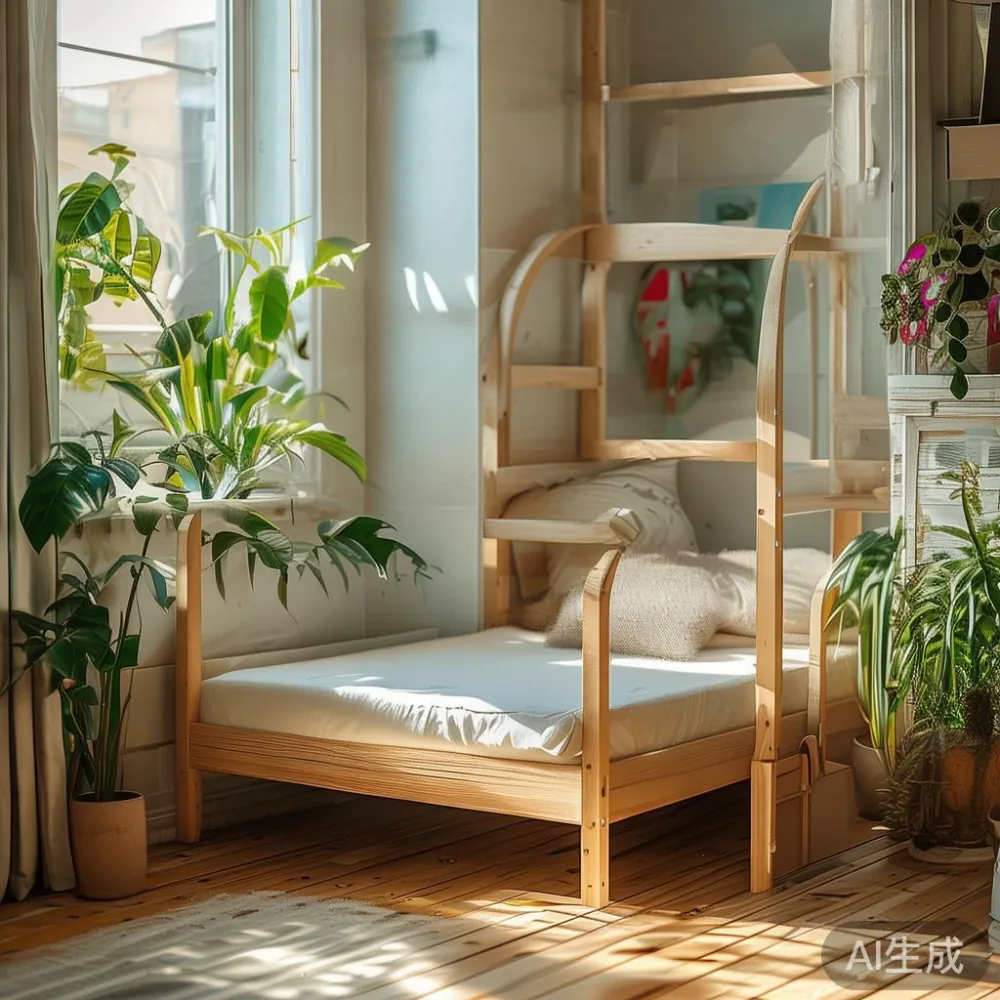
Check the product type as well as the date. A warranty registered against a “bed frame” may not automatically extend to a “kids bed” sold as a complete set with a headboard, ladder, guardrail, or optional mattress. Ask whether the mattress, ladder, guardrail, hardware, finish, and fittings share the same 10-year period. Confirm whether replacement parts count toward the warranty term or receive a separate period, such as 1 year.
MIDHILL describes a 10-year structural warranty and lifetime refinishing. That distinction is useful: refinishing addresses the finish over time, while structural coverage addresses certain failures in the underlying furniture. Ask for the written definition of “structural,” the list of covered components, and the claim procedure in writing. A photograph of the relevant clause can be more useful than a sales conversation remembered two weeks later.

For families in Bedok, Punggol, and other Singapore districts, also establish whether the warranty remains valid after relocation. A frame assembled in a Tampines flat and later moved to a condo should not lose structural coverage merely because it was transported in a van. If it does, ask what inspection or documentation is required.
What should I check before the warranty starts?
Record the furniture’s condition on arrival. Measure the packed bed frame, including the longest carton or rigid packaging. A typical children’s bed might arrive in sections rather than as one 210 cm board, but the delivery team still needs to know whether the largest carton can fit through a 70 cm lift opening, around a 120 cm corridor, and through your bedroom door.
Take photographs and a short video during the handover. Record at least 8 views: the full frame from 4 sides, close-ups of each joint, the slat or support system, guardrails, ladder fixings, visible finish, and packaging labels. Include a photograph of the carton beside a tape measure. If a corner is crushed or the guardrail has a gap of more than 3 mm, report it before assembly or within the stated inspection window.
Do not assume that assembling the bed erases damage claims. Some makers treat acceptance or assembly as evidence that the item was received in acceptable condition. Others require the customer to photograph packaging and retain it for 7 days. Keep screws in a labelled container, note the hardware locations, and follow the torque instructions. Over-tightening can split timber; under-tightening can loosen a connection. A 4 mm hex key and a torque setting of approximately 3 to 4 Nm may be appropriate, but use the supplied instructions rather than a general rule.
My colleague received a solid wood kids bed last month in a Punggol HDB flat. The lift was 100 cm wide, but the bedroom door was only 72 cm. The seller had split the delivery into 3 cartons, with the longest at 198 cm and 8 cm deep, which cleared the door on its side. A note on the delivery sheet showed the measurements, and every joint was photographed. Six months later, the lower guardrail is still firm, and the purchase file contains the exact invoice, warranty, and assembly instructions.
Are delivery delays and failed access claims covered?
The warranty is not the same thing as a delivery promise. A delayed delivery may occur during a peak period, a monsoon spell, or a building’s restricted moving hours. Ask for the expected dispatch window, the estimated Singapore delivery days, and the treatment of failed access. A mover may need to return if the bed cannot enter the lift, corridor, stairwell, or bedroom.
For an HDB block with a 90 cm lift, provide the lift door width, internal depth, internal height, and corridor turning dimensions. For a landed condo, check whether the management corporation requires a loading-bay booking, protective floor covering, or a service lift deposit. A corridor width of 110 cm may sound sufficient, but a 205 cm mattress or bed end cannot turn a right-angled corner without careful angling.
Find out who absorbs the second delivery attempt. Some sellers charge a return transport fee of SGD 35 to SGD 95, while others include 1 failed attempt. In Singapore, the displayed product price may exclude GST; confirm whether 9% GST is added and whether delivery is included. MIDHILL offers free shipping for orders over US$350, so the checkout should explain how that threshold is converted to SGD, whether the calculation occurs before or after GST, and whether remote-area or stair-carry surcharges still apply.
Also read the cancellation and returns section. A 14-day returns period is a separate right from the 10-year structural warranty. Ask whether returns are accepted for size, fit, or change of mind, whether the item must be unassembled, and who pays the original and return delivery fees. Keep the protective packaging for at least 14 days if the bed may need to go back.
What does “solid wood” mean in the warranty?
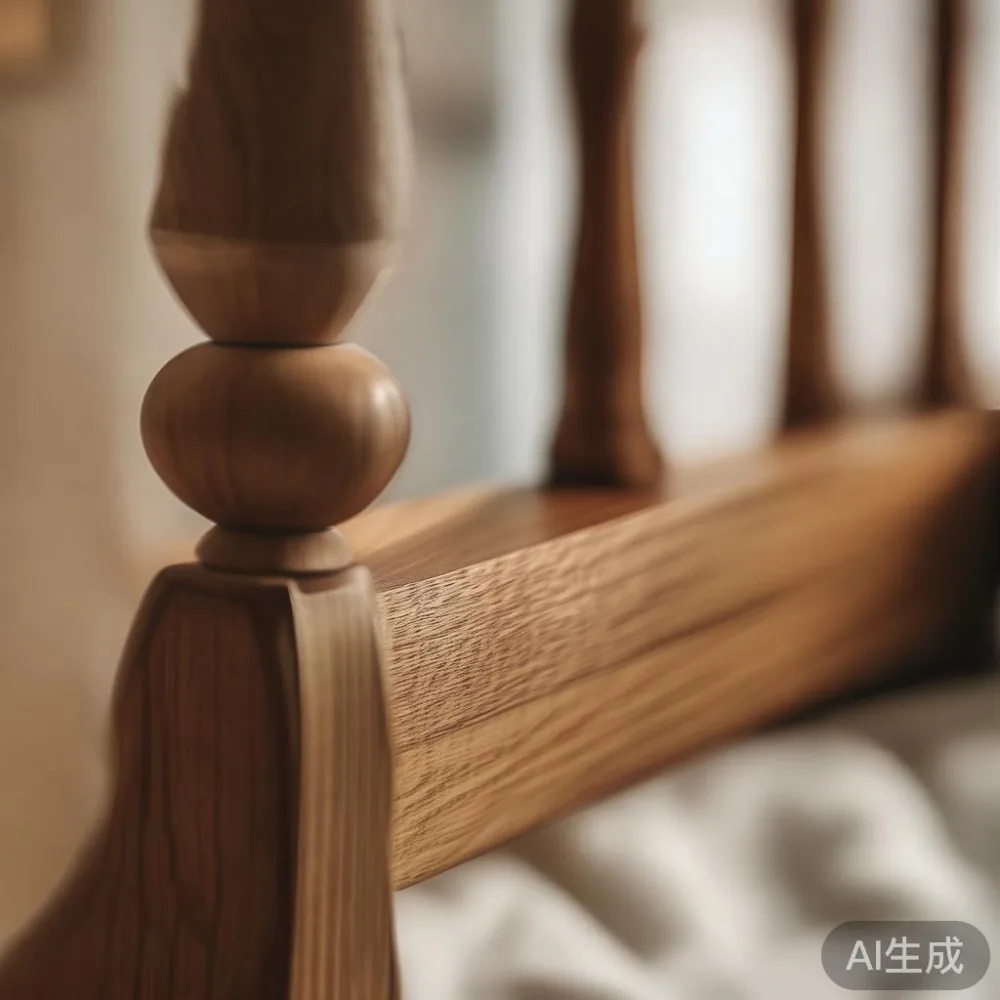
“Solid wood” can describe the visible main material, but the document may still exclude engineered components. A children’s bed can use solid oak, beech, ash, or rubberwood for the frame while using plywood or another engineered panel for a drawer base, back panel, or decorative insert. The warranty should identify these materials rather than relying on a product photograph.
Look for specifications such as timber species, moisture content, thickness, and whether solid wood is used for the side rails, headboard, footboard, and load-bearing slats. A rail made from 18 mm timber may have different expectations from a 20 mm rail. Ask about the maximum stated load. For children’s beds, a published figure around 80 kg is common, but a warranty is not a safety certificate; check current Singapore safety requirements and the maker’s stated limits.
Seasonal movement is another source of confusion. Solid timber may expand or contract by roughly 1 to 3 mm across a 100 cm width as humidity changes. A small gap in a tongue-and-groove joint is not automatically a defect, but a split wider than 2 mm, a leaning leg, or a joint that pulls away is worth investigating. Keep the bed away from direct air-conditioning airflow and do not place it beside a bathroom door where damp air is frequent.
Finish claims need equally precise language. Does the warranty cover cracking, peeling, blistering, or colour change? Does it exclude normal fading from sunlight? Untreated or lightly finished timber may change shade over 6 to 12 months. “Lifetime refinishing” should explain whether the customer pays labour, return freight, and coating costs, and whether refinishing is available once per period or without a fixed limit.
How are claims handled after a joint or rail fails?
Read the claims process as carefully as the duration. Confirm the required documents: purchase invoice, warranty certificate, product photographs, close-ups of the failure, the room location, and a short description of when the issue began. Ask whether the company asks for the original packaging, which is unrealistic for a failure in year 8, and whether installation by an unauthorised party can void cover.
Clarify the remedy. “Repair” might mean a replacement bracket sent at no charge, while “replace” might mean a new complete frame. Ask whether MIDHILL replaces the product or the affected component, pays freight, and provides a service timeline such as 7 to 14 business days after inspection. It is also worth checking whether there is a claim deductible and whether the response is tracked by a reference number.
Exclude misuse from your claim record unless it genuinely happened. Do not say the frame failed if a 45 kg jumping game caused the issue, but do not conceal the use history either. A clear account helps the maker reproduce the failure. Keep a maintenance note: tighten specified fixings every 6 months during the first year, inspect guardrails at 3-month intervals, and replace any damaged hardware immediately.
For parents considering a broader furniture layout, the same discipline applies. A solid wood sofa, dining table, wardrobe, nightstand, or marble table may have different cover periods and exclusions. A marble tabletop, for example, can have a structural warranty while chipping and staining are treated separately. French light luxury, American light luxury, and post-modern light luxury describe design directions, not one uniform warranty standard.
How do I match the bed to a small Singapore room?
Warranty decisions should begin with realistic dimensions. A children’s bed may be offered at 90 cm by 190 cm for a standard single mattress, but confirm the external frame dimensions. Allow at least 60 cm of clear space on the access side for drawers, ladders, or staff supervision. A low guardrail can be useful in a compact room, yet the clearance beneath and around the bed still matters.
Measure the sleeping area, not only the largest furniture piece. A bed that fits through the 76 cm bedroom door can still be difficult to rotate if the hallway has a 90 cm return. Ask the supplier to mark the packing plan, carton sizes, and suggested assembly location. If the bed must be assembled inside the bedroom, bring the hardware upstairs before assembling the frame.
Local context also affects styling decisions. A warm solid wood kids bed can suit both an HDB flat and a larger condo without making the room feel heavy. For design research, useful comparisons include Mid-century modern accent chair, American sofa vs Mid-century modern sofa, and designer French provincial furniture. These references can guide colour and proportion, but each furniture category has its own construction and warranty terms.
The phrase how to style light luxury sofa in bedroom is often used for adult rooms, not children’s furniture, yet the underlying idea is scale and visual balance. For a kids bed, light tones, rounded corners, restrained handles, and a slim silhouette usually work better than bulky ornament. If the room includes an adult dressing area, research on how to style light luxury wardrobe in room may help with coordinated finishes, but check the wardrobe’s warranty independently.
What questions should I ask before paying?
Ask for a plain-language warranty summary with 7 specific answers:
Which components have 10-year structural coverage?
Which parts have shorter periods, and what are those periods?
What is excluded, including finish change, accidental damage, and misuse?
Does moving the bed or changing the room affect cover?
Who pays labour, freight, and return transport for a claim?
What evidence is needed, and how long is the inspection process?
How do the 14-day returns right and lifetime refinishing service work?
Get the answers in the invoice, warranty PDF, or seller’s written message. Take a screenshot with the date and order number. If a verbal assurance conflicts with the document, ask for the document to be corrected before delivery.
Compare the full price, not just the headline. A SGD 1,280 kids bed plus SGD 115.20 GST and a possible SGD 60 stair-carry fee may cost more than a SGD 1,390 set delivered within 5 working days. Check the mattress fit to the internal bed dimensions, the guardrail height, the maximum load, the slat spacing, and whether the instruction manual is included. Singapore families can also use the warranty period to plan for future needs: a child may outgrow a junior bed within 3 to 5 years, and a durable frame can move to another bedroom if dimensions allow.
What should I do on delivery day?
Inspect before the delivery team leaves. Check the frame for dents, splinters, loose joints, mismatched grain, scratches, and finish inconsistencies. Operate the guardrail and ladder, test every screw by hand, and confirm that all specified parts are present. For a 5-piece set, check the 2 side frames, headboard, footboard, slat or support roll, and hardware pack against the packing list.
Look for gaps that could trap fingers or affect use. Do not use a numerical safety threshold as a substitute for the maker’s guidance, but investigate any visible sharp edge, protruding screw, or guardrail separation immediately. Report problems in writing on the delivery sheet, photograph them, and keep copies of every communication.
After assembly, recheck the fixings after 24 to 48 hours and again after 30 days. Place the bed on a level floor and avoid rugs that compress unevenly. Follow the cleaning instructions: a damp cloth with mild soap is generally safer than a saturated spray, and harsh chemicals can damage a finish. Record the purchase date, delivery date, warranty terms, and inspection findings in 1 folder.
A useful warranty is not the one with the largest number. It is the one that defines its components, exclusions, remedies, and claim route clearly enough for both the maker and the owner to use it years later. For a kids bed, that clarity protects daily use today and gives families confidence when a child’s room, building, or family arrangement changes.