Delivery and Assembly Realities When Buying Furniture Online in Singapore
I have lived in a Tampines HDB for eleven years, and I can tell you from personal experience that buying a kids bed online is rarely the breezy checkout-to-doorstep experience that product pages suggest. Last month I helped a colleague in Punggol order a solid wood bed frame from an overseas brand — what looked like a 6-minute task turned into a four-day saga involving a 750mm-wide lift, two flights of corridor service in Haiphong and Hougang flavours, and a very patient delivery team called in H{"ae}iphong jargon that I still cannot spell. The bed arrived in four separate cartons weighing a combined 78kg, and the courier who brought it up the service ladder was not the same team who assembled it the following Tuesday. So before you picture the polished lifestyle shot of a French light luxury loft with a marble table and a bed frame you cannot wait to show your aunt, here is what actually happens between checkout and the first goodnight.
What Does the HDB Delivery Process Actually Look Like for a Solid Wood Bed Frame?
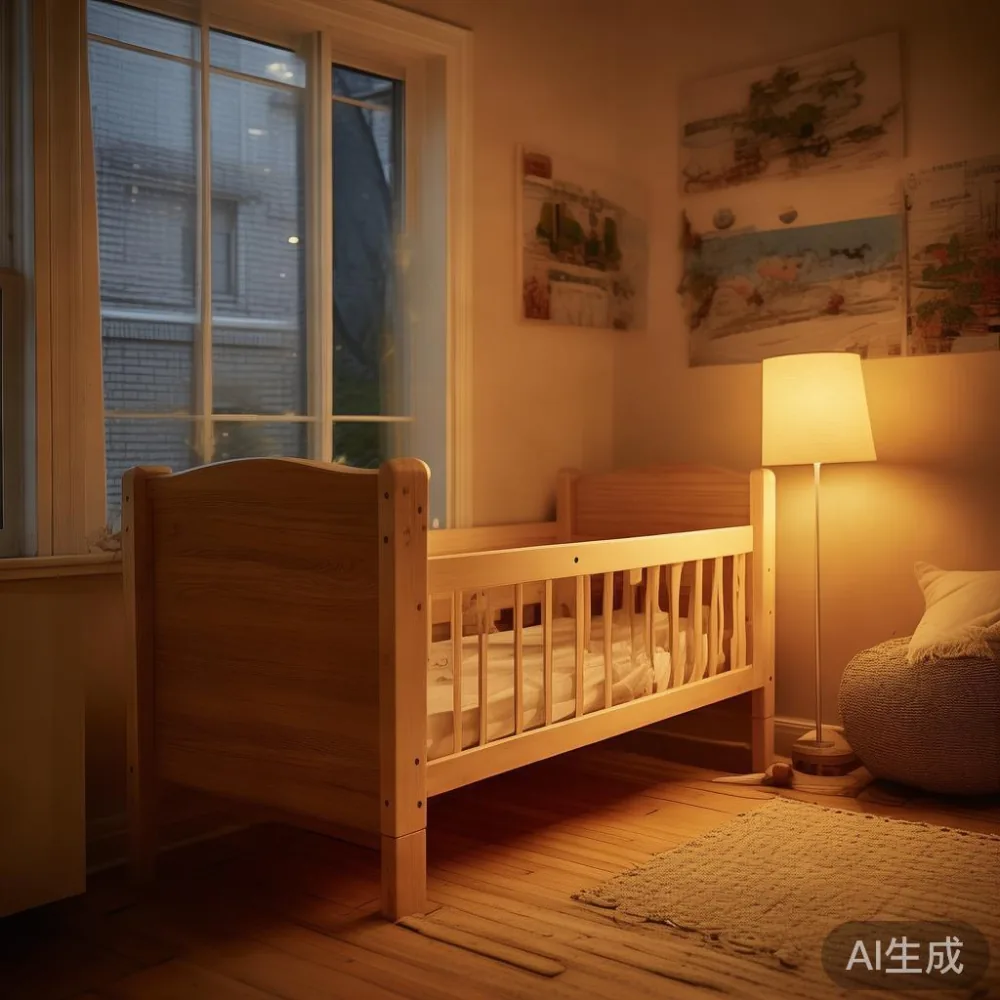
A typical solid wood bed frame — whether it is a king for parents or a smaller kids bed for your six-year-old — arrives in 3 to 5 flat-pack cartons. Each carton tends to measure between 140cm and 195cm in length, 35cm and 80cm in width, and 12cm to 22cm in depth. The heaviest single carton I have personally wrestled through a Tampines corridor weighed 41kg, and that was just the headboard slab of a queen-size American light luxury style frame. Multiply that by four cartons and you are looking at roughly 95kg to 140kg of engineered wood, solid oak slats, hardware bags, and protective foam for one bed.
Singapore couriers will almost always pre-book a delivery slot with you — usually a four-hour window between 10am and 6pm on weekdays, with Saturday slots costing an extra S$25 to S$60. Most reputable sellers, including MIDHILL, will text you the morning of the delivery once the lorry is on the road. You will need to be home, you will need to confirm that your lift is operational, and you will need to tell them your unit number so the driver can plan the parking bay. Skipping that confirmation often means the driver leaves and you reschedule for a S$30 to S$80 redelivery fee.
Will the Cartons Even Fit Into My Lift and Corridor?
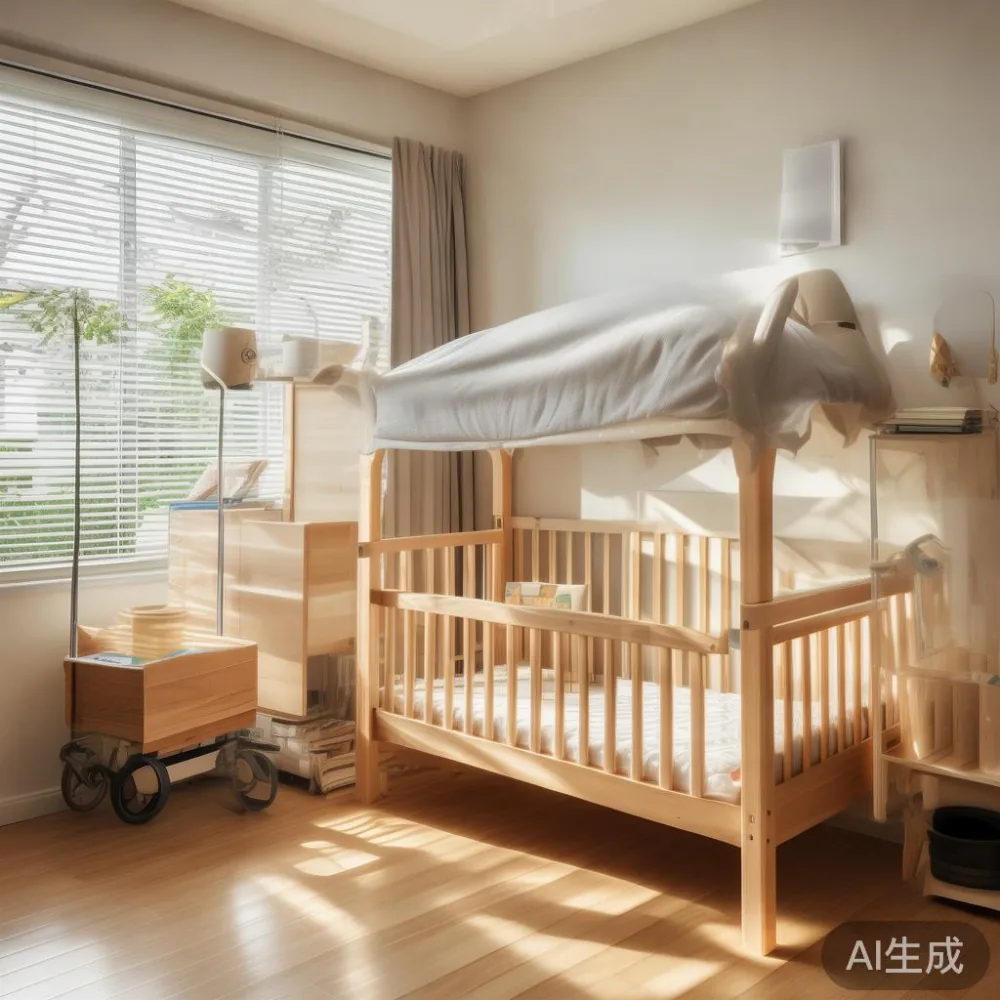
This is the question every Singaporean should ask before clicking pay, and the honest one is that most HDB passenger lifts are 1.1m deep by 1.4m wide with a door opening of about 0.9m. Newer BTOs in Punggol and Sengkang sometimes stretch to 1.2m wide, but older blocks in Bedok and Toa Payoh stay closer to 1.0m. The carton measurements I gave earlier — up to 195cm long — are the real obstacle, because you rarely have a 195cm straight run inside an HDB lift car. What the delivery teams do, and I watched three of them do it in the last year, is tilt it diagonally so one end rests on the lift floor and the other leans against the back wall, secured with the courier's strap.
Corridor widths add the second squeeze. Standard HDB corridors run about 1.2m to 1.5m wide, but once you factor in the resident's shoe rack, the neighbour's trolley, and the obligatory potted plant, the practical clearance drops to roughly 0.9m. If your block has a 90-degree turn before your unit door — common on the higher floors of older Tampines blocks — measure that diagonal with a tape measure before ordering anything longer than 180cm. A delivery team that genuinely knows Singapore housing will tell you this on the phone before they dispatch, which is one of the small but tangible reasons I now prefer buying from sellers with on-the-ground experience rather than anonymous marketplaces.
How Many Days Does International Delivery to Singapore Really Take?
For furniture shipping from a Foshan factory — where many solid wood pieces, including French light luxury wardrobes, post-modern light luxury dining tables, and American country accent chair for rental collections are made — the realistic timeline from order to doorstep is 18 to 32 working days, broken into roughly three stages: factory production (7 to 14 days), export sea freight from Shenzhen or Guangzhou to Singapore Port (5 to 9 days), and last-mile delivery plus customs clearance in Tuas or Pasir Panjang (3 to 7 days). GST is charged at 9% on the landed value and is usually collected by the seller or the courier on delivery; for a S$1,800 bed frame you should budget about S$162 of GST on top.
Sample pricing to keep in mind: a solid wood bed frame for an adult queen will typically land between S$1,200 and S$2,800; a single kids bed in solid pine or beech runs S$380 to S$950; a six-drawer wardrobe in solid oak or ash between S$2,200 and S$4,600; a six-seat dining table in solid walnut between S$3,400 and S$6,800; a marble table for the living room between S$2,800 and S$5,500; and a two-drawer nightstand between S$280 and S$620. Add delivery fees of S$60 to S$180 for HDB ground floor and up to S$280 if you live above the 20th storey and need an extra delivery hand. Free shipping usually kicks in somewhere around S$350 to S$500, which MIDHILL offers, and that alone can swing the comparison between two otherwise identical products.
Is Post-modern Wardrobe Furniture Worth It?
Yes — post-modern wardrobe furniture is worth it if you buy it from a maker who treats the after-sale as seriously as the sale, because the wardrobe is the single most returned furniture category in Singapore and the one where delivery and assembly realities bite hardest. A post-modern wardrobe from a serious maker combines solid wood carcass construction, soft-close hinges rated for 80,000 to 100,000 cycles, dovetail joints on the drawers, and adjustable internal shelves you can move in 32mm increments — and the value of that engineering only matters if it survives the trip from the Foshan factory floor to your Tampines bedroom without warping, chipping, or arriving with the wrong handles.
The right post-modern wardrobe also solves a problem most Singapore buyers do not think about until it is too late: flat-pack wardrobe carcasses taller than 200cm usually need to be tilted through the lift, and panels can flex if they are not properly kiln-dried. Look for sellers who kiln-dry their solid wood to a moisture content between 8% and 12%, who offer a structural warranty of at least 10 years, and who offer lifetime refinishing so that a scratch from the HDB corridor turns into a polishing appointment rather than a S$1,200 replacement. Those three signals together are usually a much better predictor of value than any single sticker price.
What About the Actual Assembly — Can I Do It Myself or Do I Need a Pro?
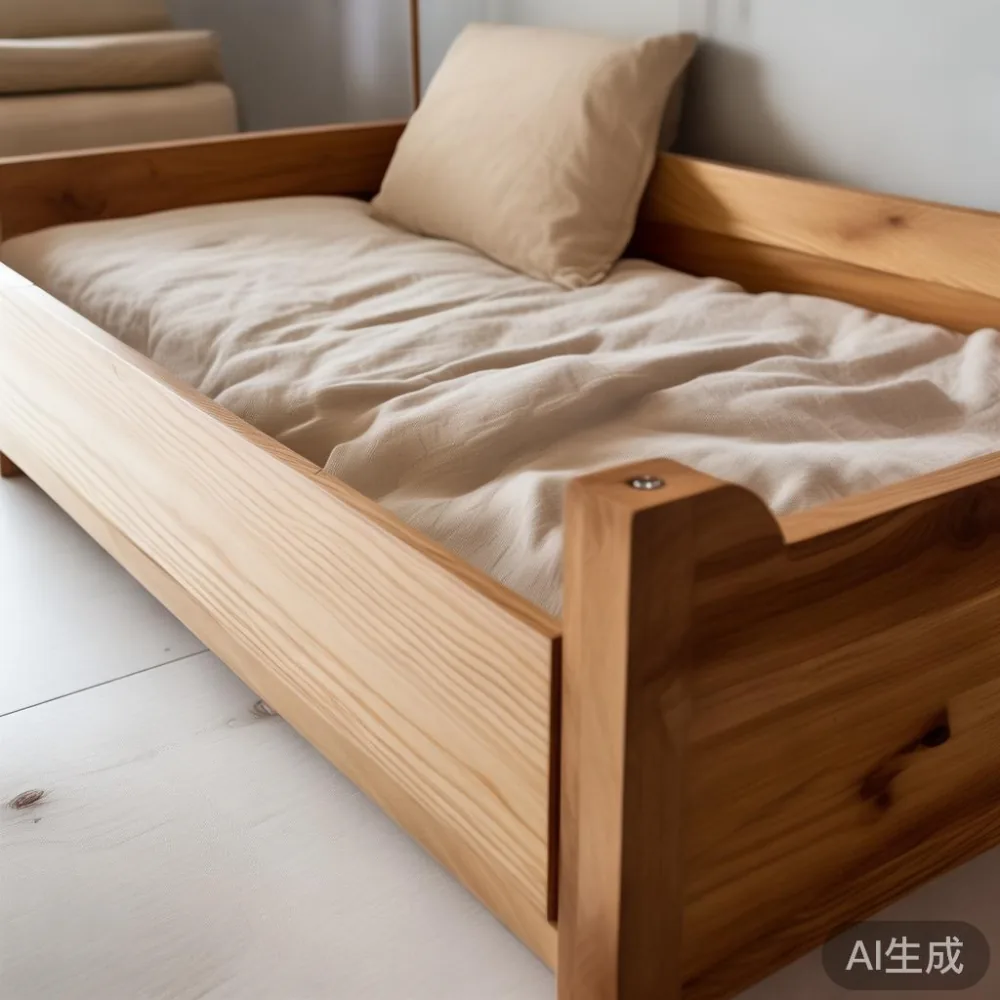
For a kids bed, most reasonably handy parents can complete assembly in 60 to 120 minutes with a cordless drill, a 4mm hex bit, a rubber mallet, and the included Allen key. You will need about 1.8m by 1.4m of clear floor space — which is rarely available in a furnished HDB bedroom, so I usually clear the room the night before and let the cartons breathe in the living room for 24 hours so the wood can acclimatise to Singapore's 75% to 85% humidity. Skipping the acclimatisation step is the single biggest reason solid wood bed frames develop hairline cracks within the first three months.
For larger pieces — a six-drawer wardrobe, a dining table seating six, or a marble table that weighs 65kg to 90kg on its own — professional assembly is genuinely worth the S$120 to S$280 fee. The technician will level the piece against your HDB floor (which is rarely flat), anchor a wardrobe or tallboy to the wall with the included L-bracket, and dispose of the flat-pack cartons for you. Most sellers will only honour structural warranties if the assembly was performed by their approved team, which is one more reason to keep the service optional but recommended.
How Do Returns and 14-Day Inspections Actually Work in Singapore?
Singapore's Consumer Protection (Fair Trading) Act gives you baseline rights, but most overseas furniture sellers add a 14-day return window of their own, and the conditions matter more than the headline. Read the return policy for these four numbers: who pays return shipping (you, or the seller, and is it capped at a percentage of the order value), what condition the piece must be in (unassembled in original carton, or just unused), how many days the refund takes after the warehouse inspects it (typically 7 to 14 working days), and whether the refund is a store credit or a bank transfer in SGD. The best policies, and what MIDHILL provides, let you inspect the kids bed in your home for up to 14 days before committing, with free return collection if something is off.
For context, a typical returned kids bed gets restocked at a 15% to 25% loss to the seller, which is why many will only accept returns on unused, unassembled pieces. Once you have drilled into the wood, built the kids bed, and let your six-year-old sleep in it for two weeks, you are usually outside the window — which is fair, and is why the first 48 hours after delivery are your real inspection window. Photograph every carton on arrival, photograph the unboxing, photograph each panel before assembly, and you will have the evidence to back up any claim about transit damage, which is the only kind of return that almost every reputable seller accepts at any point.
What Should I Check on the Delivery Day Itself?
Five things, in this order: first, check the outer carton for crushed edges or water staining — Singapore rain during the last-mile leg is the most common cause of transit damage I have seen on real HDB floors. Third, count the cartons against the packing list before signing. Fourth, photograph the carton labels, including the tracking number and the weight, before opening them — claims filed without that paperwork are usually declined. Fifth, write "subject to inspection" on the delivery order if you spot damage on the outer carton but want to check the contents before refusing the whole shipment. A delivery team that rushes you to sign clean is a delivery team that has had this conversation before, so trust your pace.
Finally, give yourself a calendar reminder to register the structural warranty within 30 days — most makers ask for a photo of the assembled bed frame plus the serial number on the inside of the headboard or the underside of the nightstand. The registration usually unlocks the lifetime refinishing benefit, the 10-year structural coverage, and priority access to spare hardware bags, which are the three things that separate a serious furniture maker from a generic exporter. A solid wood bed frame, a marble table, a post-modern light luxury wardrobe, and even an American country accent chair for rental setups can all last 15 to 25 years in a Singapore home if the after-sale infrastructure is in place — and the delivery and assembly realities are exactly where that infrastructure either holds up or quietly fails.