How Southeast Asian Humidity Affects Solid Wood Furniture in Singapore
Singapore’s warm, humid climate can make solid wood furniture look fuller at first and then reveal small changes in fit, alignment and finish. The effects are especially noticeable in HDB flats and condos across Tampines, Bedok and Punggol, where rooms may warm quickly after air-conditioning stops and where fitted furniture has little space to move. For a kids bed, moisture control matters as much as appearance because timber expands across its grain, contracts with drier air and can loosen joints if its condition changes too quickly.
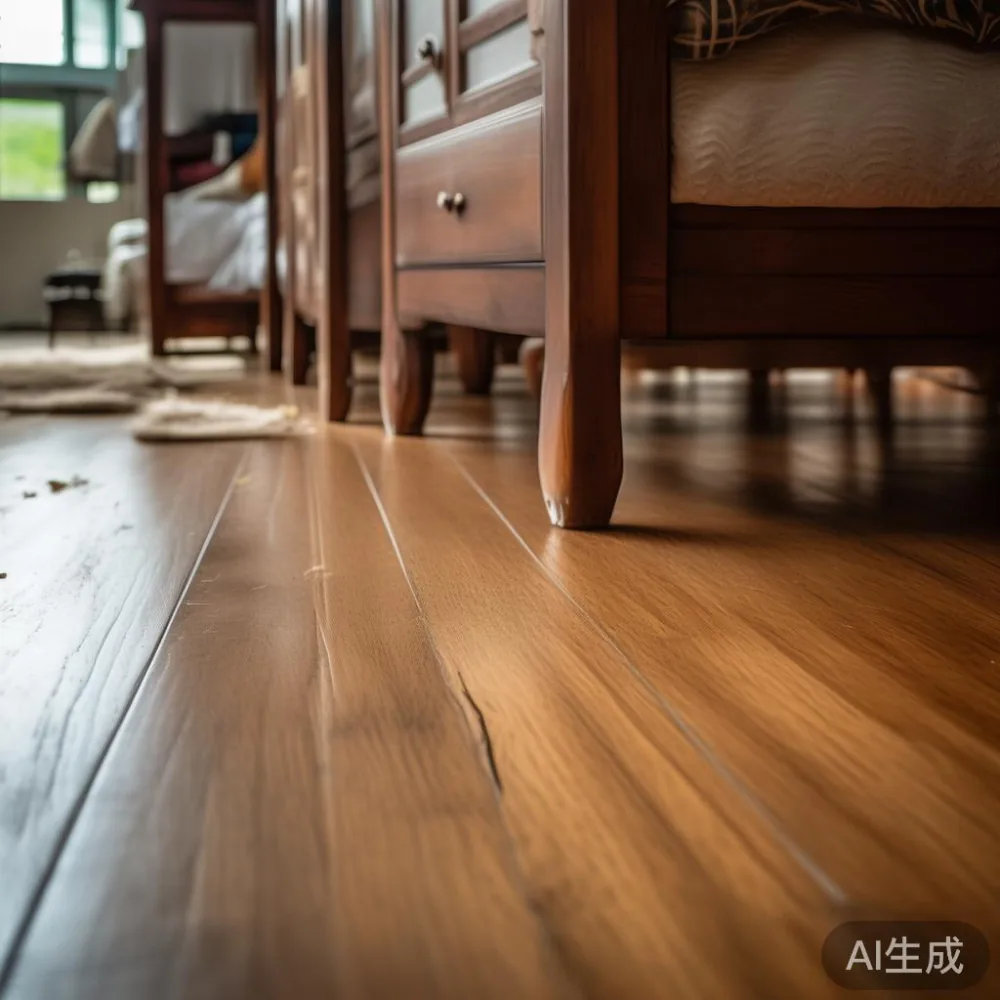
Humidity does not automatically damage solid wood. Well-seasoned timber, sound joinery, suitable finishes and sensible room care can support furniture through several seasonal cycles. The key is to match the wood’s expected movement with the way it is made and installed. For Singapore households, that means checking room conditions, allowing air to circulate, avoiding direct water exposure and understanding which furniture components can be adjusted safely.
Why does Singapore humidity affect a kids bed so much?
Warm air holds more water vapour than cool air. A sheltered HDB bedroom may measure about 56% relative humidity on a humid evening and fall to 40% when the air-conditioner runs. In an open balcony or near a poorly sealed window, the reading can rise above 70%. Solid timber responds by changing dimensions, although the movement differs by species, grain direction and board width.
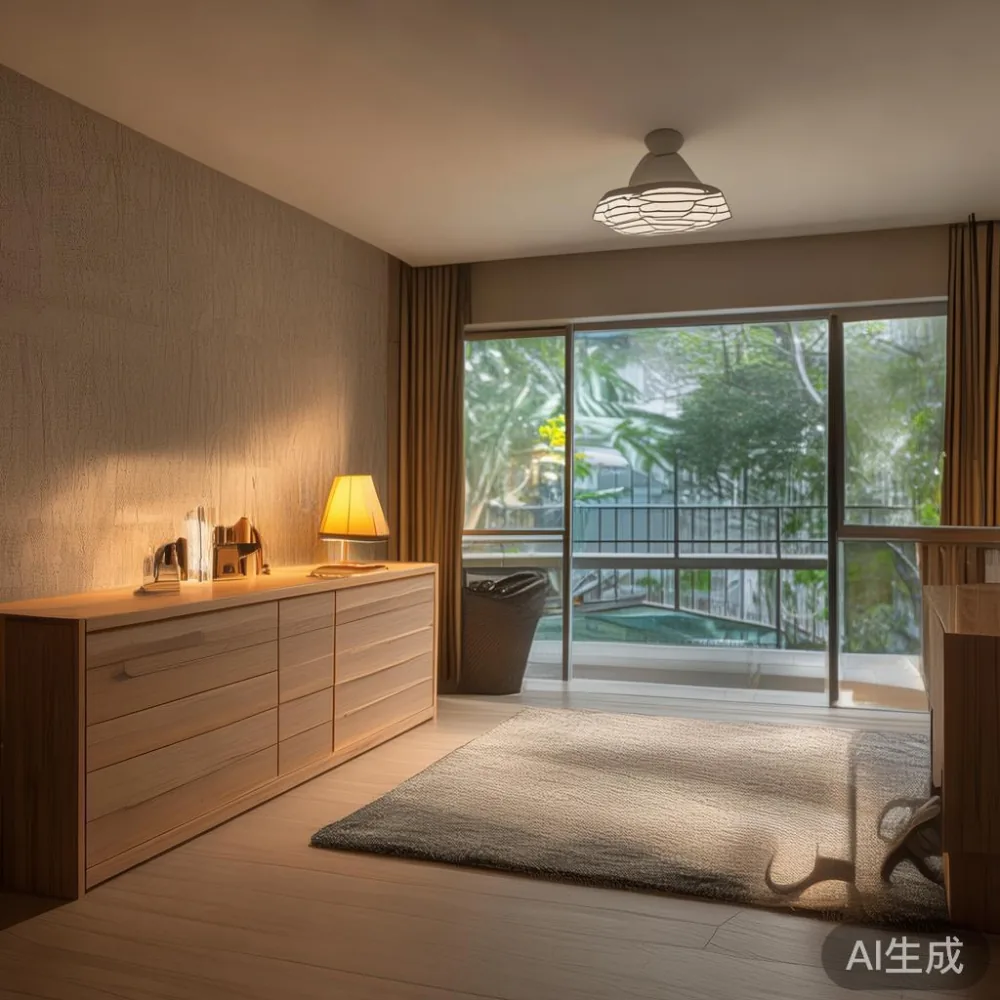
Imagine a solid wood bed frame with a 180 cm headboard assembled from several boards. Under humid conditions, each board may widen by a fraction of a millimetre. If the frame is rigidly fixed against a tiled wall, the timber cannot move freely and stress can appear around joints. A small gap of 1–2 cm at the wall side, where the design allows one, can reduce pressure. This is a construction detail, not permission to leave an unsafe gap beside a sleeping child.
A portable kids bed needs the same attention. A model with a 120 cm × 200 cm sleeping area and a total weight of about 35 kg is easier to reposition as humidity changes than a fitted unit that cannot be moved. The drawer runners, guardrail fasteners and slat supports should have a little working tolerance rather than being pinched shut.
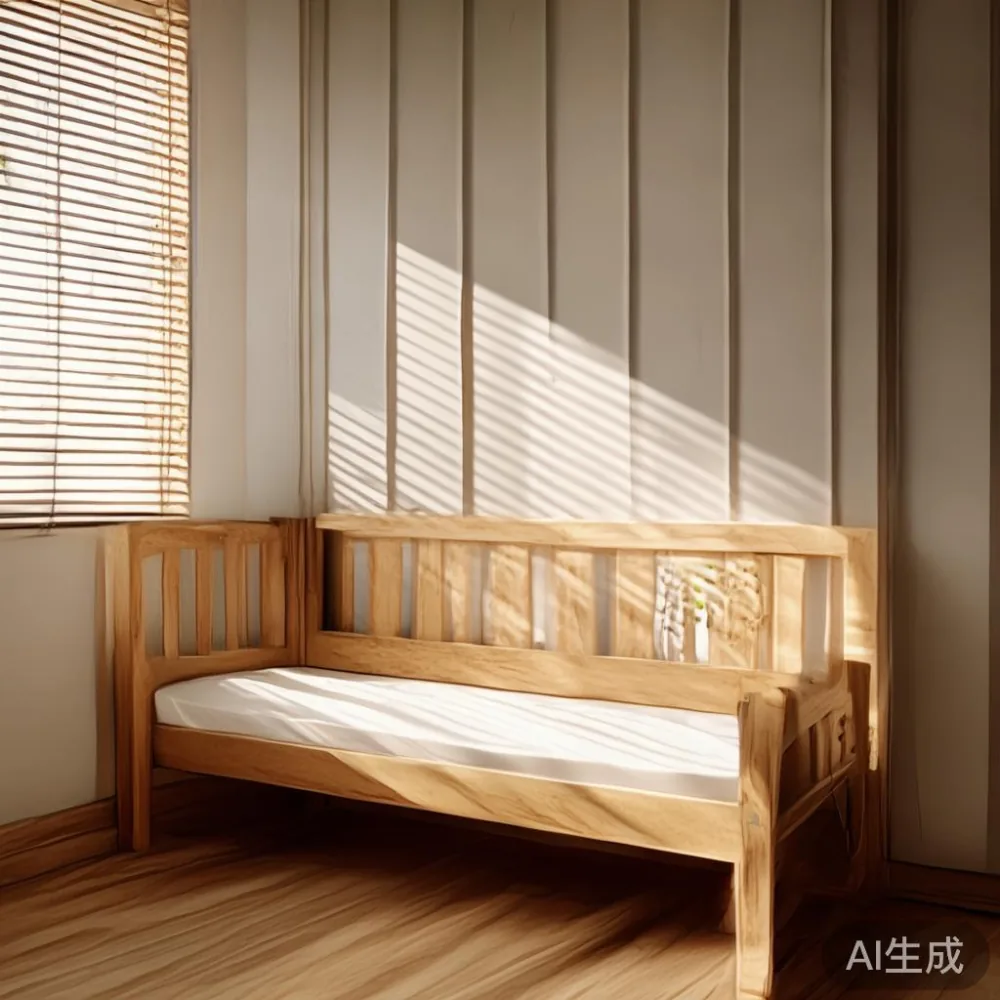
What happens to solid wood in Singapore’s wet and dry periods?
The term “wood movement” is more useful than treating swelling as a defect. Flat sawn boards usually show more movement than quarter-sawn boards. Oak, ash, beech, rubberwood and other species used in children’s furniture can behave differently, and water-based finishes do not make timber moisture-proof. Outdoor humidity of 80%, repeated dampness and poor ventilation create a greater risk than a stable indoor room at 45–60%.
During a 1,404 mm rainy spell, indoor humidity may remain refined even if rain does not enter the flat. The bedroom should not smell musty, and clothing should not stick to a wardrobe side or a nightstand drawer. A digital hygrometer placed near the timber, not immediately beside a vent, gives a more useful reading. Check it at about 8:00 a.m. and again at 9:00 p.m., then note any door or drawer that catches.
Last month I visited a family in Tampines with a 10-year-old child and a solid wood kids bed made from rubberwood. The bed stood near an internal wall, only 20 cm from a window that was often left open. I tested the frame after a humid afternoon: the room measured 69%, and one drawer base showed slight swelling. We moved it 35 cm away from the window, closed the opening before heavy rain and kept the air-conditioner between 23°C and 25°C. Two evenings later, the room measured 57%, and the drawer moved more easily without sanding or cutting.
That visit also showed why a blanket “humidity damage” diagnosis can mislead. The timber was not rotten. It had changed dimension because of its surroundings. The practical solution involved moisture control and room layout, not replacing a sound 20 kg frame.
How can HDB walls, corridors and lifts influence furniture care?
Many Singapore homes have narrow rooms and common corridors measuring roughly 110–160 cm wide in older blocks. Newer lifts may offer a car-door opening around 90–110 cm, while older lift cabins can be near 100 × 140 cm. These dimensions affect delivery planning for every kids bed. A frame that enters an HDB lift easily may still be difficult to rotate inside a 4 m corridor.
Measure before ordering. Ask for the packed length, width and height, the carton weight and whether the bed splits into modules. A frame with two sections of 145 cm × 36 cm × 24 cm can be manageable in more corridors than one rigid carton of 210 cm. Weight also matters because two handlers can usually manage about 50 kg safely, but a single 80 kg carton is awkward in a corridor and lift lobby.
Singapore’s 9% GST should be shown separately on an online order. Delivery access charges, stair handling and balcony lifting can vary, so a quoted amount should distinguish furniture price, GST and access work. A polished handrail, a 90 cm corridor turn or a fire door should not be treated as extra room.
MIDHILL can supply packed measurements and delivery planning for Singapore homes; furniture quality and correct access planning solve separate problems. Its 10-year structural warranty covers eligible structural defects according to the stated terms, while humidity-related care still depends on reasonable use and moisture control.
Which finishes offer better protection against humidity?
A solid wood finish slows the exchange of water vapour, but no clear coating makes timber suitable for a permanently damp room. A rubbed oil or lacquer can give good appearance, although lacquer is easier to wipe and oil-finished surfaces may need periodic maintenance. Water-based polyurethanes are widely used for hard-wearing furniture, but the exact coating system, film thickness and preparation matter.
For a child’s sleeping area, choose a finish approved for the relevant use and ask the supplier for care instructions. Test an inconspicuous area if the piece has been refinished. Let a wiped surface dry for at least 30 minutes before loading bedding. Do not leave a damp ring under a cup, and do not use silicone mats with trapped water directly against wood for 12 hours or more.
Furniture should be kept away from condensation. A 15 cm gap from a window or recessed light can help, while still allowing curtains and blinds to operate. In an air-conditioned bedroom, avoid directing cold air continuously onto one side of the bed. A 1.5 m air gap between the vent and the footboard is a practical target if layout allows.
Mats and coasters help with spills, but they do not replace ventilation. After a drink is knocked over, dry the area within 5 minutes. If a wet cloth is used, wring it so no water drips and dry the timber with another cloth. Deep soaking, steam cleaning and household bleach can stain or weaken some finishes.
How can I reduce humidity in a Singapore bedroom?
Begin with a hygrometer and aim for a range that feels practical in a lived-in home, often around 45–60% when windows are closed and air-conditioning is operating. A short daily check is enough during ordinary weather. Persistent readings above 65% deserve attention, especially if mould appears on a wall corner or condensation forms on a metal window frame.
Use the bedroom’s air-conditioner where permitted, close windows during rain, and dry visible moisture promptly. In an HDB flat, the unit should not block return-air grilles or emergency access. People often assume that opening internal doors across the flat guarantees fresh air, but a wet laundry rack or shower can spread moisture into several rooms. Drying clothes outside or using a suitable indoor rack protects the kids bed from nearby dampness.
For a child with asthma or a respiratory condition, discuss persistent indoor humidity with a healthcare professional. Furniture care protects the timber, while moisture and mould management supports indoor air quality. Do not rely on fragrance, scented diffusers or an unverified chemical claim to remove mould.
A compact hygrometer normally costs about SGD 15–SGD 35. A good quality bedroom dehumidifier may fall around SGD 300–SGD 600, subject to capacity, energy rating and room size. An air purifier does not remove water vapour unless it has a verified dehumidification function. Running equipment continuously may add electricity costs, so drainage and suitable placement matter.
Does this humidity advice apply to other MIDHILL furniture pieces?
The same moisture principle applies across solid wood categories, although movement should never become an excuse for unsafe installation. A solid wood sofa with loose cushions can be moved away from a damp wall. A dining table needs clearance from sliding doors because humidity can cause tabletop bowing, while a wardrobe and a small nightstand may be affected where airflow is restricted.
Design allowances differ by product. A dining table can tolerate a modest free-standing perimeter; a tall wardrobe may be installed according to wall and anchoring requirements. A nightstand should be able to dry if a cold glass leaves condensation underneath. Marble table care follows a different rule because the surface is stone, but the wooden frame, pedestal or surrounding furniture still requires moisture awareness.
These comparisons are also relevant to buying style. If you are searching for a European light luxury sofa in Singapore, compare frame construction, cushion foam density, removable covers and warranty terms rather than appearance alone. If you want a French provincial dining table, check underside clearances and whether it is intended against a wall or free-standing. For a wider budget question, under 2000 French provincial furniture should be evaluated by total delivered cost, material details and humidity suitability, including 9% GST and access charges.
MIDHILL’s broader catalogue does not change the need for a stable interior environment. Where people ask where to buy sofa from MIDHILL, the useful answer includes material specifications, finish care, packed measurements and local delivery terms. If the same buyer compares European bed vs Modern bed options, dimensions, slat support, guardrail spacing and furniture movement should sit beside style.
How to style French bed in bedroom without trapping moisture?
French-style rooms are often associated with pale woods, curved profiles and layered textiles. For a compact Tampines or Punggol bedroom, those details can create a light-luxury mood without crowding the room. Keep breathable bedding under 2000 French provincial furniture pricing decisions where possible, and leave air paths around the kids bed and nearby pieces.
Curtains should not remain permanently damp against a headboard. If a French bed is placed under a window, select a treatment that can be lifted away, maintain 15 cm of air circulation where practical and keep the sill dry. Avoid a fabric bed skirt that conceals cleaning access or holds moisture against timber for long periods.
For American light luxury styling, use clean lines and restrained colours while retaining the same spacing discipline. Post-modern light luxury can combine a solid wood bed frame with one curved bedside element, but visual lightness does not reduce the amount of moisture a poorly ventilated room contains. Ask about how to style French bed in bedroom and then inspect the room’s humidity, layout and access measurements before purchasing.
What should I do when a kids bed or drawer begins to catch?
Do not force a swollen drawer with a metal pry bar. Remove the load, reduce local moisture and allow the room to stabilise. Measure the affected part and compare it with the opposite side. Check underneath for a damp object, leaking pipe or blocked ventilation. If the joint has opened by more than a few millimetres, the headboard rocks, a slat is broken or a guardrail is loose, stop active use and arrange inspection.
For minor sticking, a qualified repairer may be able to adjust the drawer runner or ease a fitting after the timber returns to a stable condition. Random sanding can reduce a useful clearance and may damage the finish. The repair should use the original component where possible and remain within the product instructions.
Small parts should not become choking or entrapment risks. Follow local product safety requirements and do not rely on a mattress barrier as a substitute for a properly secured guardrail. A change in humidity is a reason to inspect, not to climb into a bed and test every fitting by hand.
MIDHILL provides a 14-day return period under its applicable policy, a 10-year structural warranty on eligible products and lifetime refinishing under the stated coverage. These terms should be read alongside care guidance. Report transport damage or concealed defects before assembly where directed by the policy, retain the packaging information and take dated photographs.
For Singapore orders over US$350, the stated free-shipping offer may apply under MIDHILL’s conditions; check whether the threshold, destination rules and local charges are still current. Budget roughly 3–10 delivery days after production, with a longer period for made-to-order timber and peak congestion. Confirm whether a quoted SGD delivery fee includes GST, lift service and carrying to the bedroom door.
Which checks should you complete before a solid wood kids bed arrives?
Check the room’s wettest and driest humidity readings over 3 days. Measure lift doors, lift cabin, corridors, turns and the bedroom route. Confirm that the packed kids bed will fit through the narrowest point with a little handling room. Review the frame width, mattress size, guardrail configuration and total shipping weight. A nominal mattress size such as 90 cm × 190 cm may not match the internal opening, so compare actual clear dimensions.
Ask the supplier whether the wood is solid, how it is finished, how slats are supported and whether the furniture is assembled or flat-packed. Request care instructions in English and clarify which defects fall under the 10-year structural warranty. Record delivery dates and photos before unpacking. If the frame must remain near a wall, ask whether the manufacturer requires a specific clearance or flexible installation detail.
Humidity control works best as a routine rather than an emergency response. Wipe spills, maintain reasonable indoor conditions, rotate portable pieces occasionally and inspect joints twice a year. Over a 5-year period, checking every 6 months is a practical schedule for a heavily used kids bed. The timber may show normal seasonal dimension changes without losing structural function, provided it was designed and cared for properly.
Solid wood suits Singapore homes when customers accept that timber is a natural, responsive material. A well-built kids bed with protected surfaces, sensible ventilation and realistic expectations can remain attractive through years of changing weather. The goal is not to keep a room artificially dry all day; it is to prevent sudden, persistent moisture exposure and give the furniture room to respond.
Further product and care information is available at www.midhill.co. Check the latest specifications, delivery coverage, GST treatment, warranty conditions and return terms before ordering.