How Southeast Asian Humidity Affects Solid Wood Furniture in Singapore
Singapore’s warm, humid climate can change the dimensions, joints and surface finish of solid wood furniture. In an HDB flat in Tampines, a poorly buffered kids bed may gain moisture faster than its frame can accommodate, causing swelling, minor gaps or a squeaky side rail. The same issue can affect a solid wood sofa, bed frame, dining table, wardrobe, nightstand or marble table, although stone and timber respond differently.
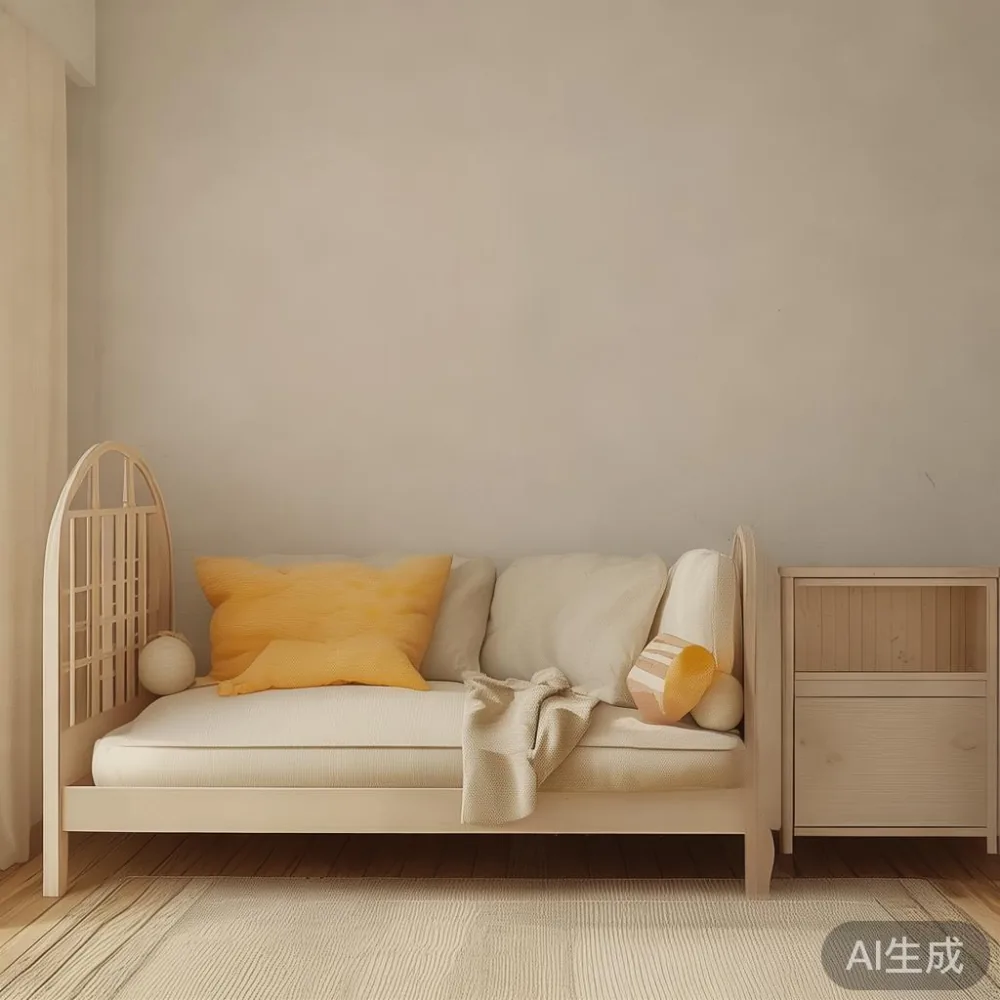
This guide explains how relative humidity works, where moisture enters a home, and how families in Bedok, Punggol and private condo blocks can protect their furniture. It also offers practical measurements rather than vague advice: the ideal indoor range, sensible monitoring intervals, delivery planning and simple care routines. MIDHILL builds solid wood furniture for international customers and provides a 10-year structural warranty, lifetime refinishing, free shipping above US$350 and a 14-day return window.
Why does Singapore humidity affect solid wood furniture?
Solid timber is hygroscopic: it absorbs moisture when the surrounding air is humid and releases it when the air becomes drier. A bedroom at 29°C and 80% relative humidity can contain considerably more water vapour than one maintained at 25°C and 55%. Wood does not need to be visibly wet for movement to begin. A rise of several percentage points in relative humidity can be enough to cause measurable dimensional change.
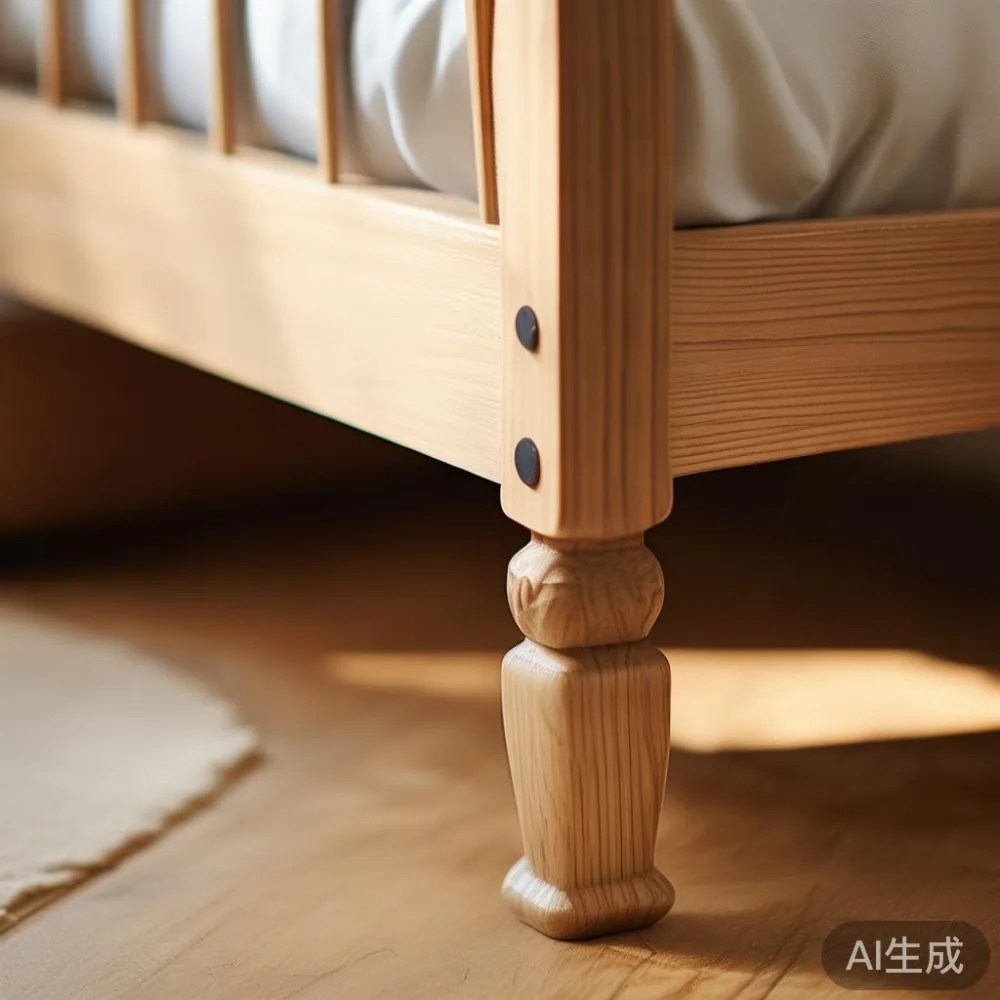
Seasonal variation matters too. Singapore’s equatorial weather produces daily humidity cycles, often with overnight readings near 80% and afternoon readings closer to 65%. Air-conditioning can then pull the level below 50% before the next humid evening. Repeated expansion and contraction may loosen drawer runners, open a mitred edge slightly or make a tight-fit guardrail knock against the mattress support.
The strongest exposure often occurs near windows, bathrooms, washing areas and external walls. Bedrooms facing the morning sun may warm quickly, while rooms with poor ventilation can remain damp for hours. High-rise buildings also experience stack effects: warm, moist air can travel upward through corridors and service shafts, though the exact conditions in each flat vary by orientation, glazing and air-conditioning use.
Furniture should be treated as part of the room’s environmental system. A beautiful bed frame placed in a damp corner will not remain dimensionally stable simply because its manufacturer selected good timber. The grain direction, board width, joinery, finish, storage location and indoor humidity all contribute to long-term behaviour.
What humidity level should I keep in a Singapore bedroom?
A relative humidity reading between 45% and 60% at room temperature is a practical target for timber furniture. Aim for less fluctuation as well as a comfortable average. A quick 10-minute visit with a hygrometer is often more informative than one reading taken during a dry air-conditioned afternoon. Check a sleeping child’s room in the early morning and again after the air-conditioner has operated for about 30 minutes.
Place the hygrometer around 60 cm above the floor and away from a window, door or air-conditioning vent. Readings near the floor can be several points higher than the room average. A calibrated phone application can be useful for trend watching, but a simple desktop meter with a percentage display is easier to check consistently.
Do not mistake a display reading for surface moisture. Wood moisture content should be evaluated with a pin or pinless meter when diagnosing a damp piece. For general household care, stable air is more important than chasing one perfect number. Keep the temperature near 24–27°C where possible, close curtains during wet periods, run the air-conditioner when the room is in use, and avoid directing cold air continuously at one side of a wardrobe or kids bed.
If a bedroom regularly sits above 65%, improve ventilation or control the source of moisture. If it drops below 40% for long periods, reduce direct air-conditioning exposure. Constant swings are harder on joints than a stable reading in the middle of the target range.
How does humidity affect a kids bed?
A kids bed needs enough clearance for its boards and rails to move naturally. A timber slat or solid plank expands across its grain. Expansion of approximately 1–3 mm across a 90 cm-wide board is plausible across a strong seasonal change in many indoor environments, although an exact measurement depends on the species, board width, finish and starting moisture condition.
For a child’s room, the risk is not only cosmetic. Swollen rails can bind, brackets can loosen and a guardrail may press against the mattress. Gaps between a headboard and wall may also become visible after the timber responds to drier air. Check clearance at installation and again after a major weather pattern: leave roughly 10–20 mm between a side rail or headboard and an adjacent wall where the arrangement allows it.
Choose a kids bed with secure through-joints, rounded edges and a stable slat support rather than one held together only by short screws in end-grain. For children under about 6 years, the top of a guardrail should sit at least 25 cm above the mattress. The design and mattress specification should follow the relevant safety standard rather than relying on visual inspection alone.
Material choice is just as important as the frame design. Kiln-dried solid wood remains responsive to the room, but it behaves more predictably when its moisture content was prepared close to the service climate. Factory finishing can limit exposed surfaces, yet it does not stop boards from exchanging moisture through edges, end grain and concealed surfaces.
When comparing pieces, look for visible movement allowances, solid corner joints and an easy-to-clean finish. A light oak or warm walnut tone can work with post-modern light luxury styling, but species selection should not be based on appearance alone. Ask the supplier how the timber was dried and how the completed piece is conditioned before dispatch.
Can a solid wood sofa, dining table or wardrobe tolerate Singapore humidity?
Yes, with sensible placement and care. A solid wood sofa can develop small joint or panel movements, particularly if upholstered tightly over a frame that has already expanded. Keep soft furnishings slightly clear of the outer frame and allow the air-conditioning to reach the rear panels. For upholstery, use a breathable cover where permitted by the manufacturer.
A dining table is often exposed to spills, hot plates and repeated hand contact. Wipe water promptly, use coasters and protect the surface with a suitable care product. An 80–100 kg table should not be dragged across tile or laminate; lift it when moving because repeated sideways movement can disturb the frame and stretch joints.
A wardrobe experiences humidity through its side panels, top, doors and back. In a compact HDB room, wall-to-wall installation may be practical, but the unit should not be pushed so tightly that it cannot move. Maintain about 10–15 mm of rear clearance where ventilation is possible, use adjustable feet supplied with the product and avoid storing damp towels or clothing inside.
A nightstand should be positioned where it is not repeatedly struck by bedding or exposed to bathroom vapour. For a marble table, humidity has less direct effect on the stone than on any timber support. Porous marble can still stain, and metal fixings may corrode if exposed to persistent dampness. Use a stable, level base and wipe spills within 15 minutes rather than leaving acidic liquids overnight.
The market has room for French light luxury and American light luxury interpretations, but restrained proportions and durable detailing matter more than heavy carving. If you are searching for sale light luxury furniture, check the timber specification, moisture preparation, joinery and warranty terms before focusing on finish alone.
How do lift and corridor sizes affect furniture delivery?
Humidity care begins before a piece reaches the bedroom. Singapore access routes determine whether a full-size wardrobe, bed frame or dining table can enter without damaging the furniture or the building. Measure the lift door, lift car, turning space, corridor width and bedroom doorway before ordering a large solid wood sofa or marble table.
For example, a standard HDB lift car may offer an internal doorway or usable depth of around 210–250 cm, but building specifications differ. A 220 cm wardrobe may fit only if it can remain within the lift car, turn through the corridor and clear the bedroom door. A 180 cm mattress and a 210 cm-long bed frame require different handling plans. The delivery team should confirm the route, not merely provide a nominal delivery window.
Measure the narrowest fixed point rather than the average corridor width. Include the door handle, intercom panel and any inward-opening fire door. For high-rise purchases, add the time needed for booking the service lift. A professional delivery may take 30–90 minutes inside the building, while a complex route or additional floor can extend the appointment to 2 hours.
Singapore’s 9% GST is included in displayed consumer prices when the seller is GST-registered. Local quotations in SGD should state whether installation, carry-up and lift booking are included. Those details are practical parts of product value, not optional extras.
Customers comparing options often ask where to buy bed from MIDHILL when they need delivery planning for a tight flat. Confirm the packed dimensions, assembly method and service-lift policy before payment. The 14-day return period should also be checked against the condition of the furniture and the stated return arrangements.
What should I do if a wood surface looks damp, swollen or hazy?
Do not sand, steam or apply oil immediately. First identify whether the cause is surface condensation, refined room humidity, a leak or an incompatible finish. Use a clean cloth to remove standing moisture, increase airflow and keep the item away from wet walls. If a smell of mustiness remains after 24–48 hours of improved ventilation, seek a professional assessment.
For a cloudy or white surface, a test with a clean, lightly damp cloth can reveal whether the finish itself has changed. White haze that lifts with the cloth is often a surface-cleaning issue; persistent whitening may require refinishing. Avoid abrasive pads, bleach and household ammonia. Strong chemical cleaning can strip the factory finish and make future colour matching less predictable.
I tested a solid oak bedside panel last month in a Bedok bedroom with evening readings between 76% and 82%. After the room was aired for 45 minutes each morning and the dehumidifier was set to 55%, the wood-surface reading fell from 18% to 11% over 6 days. The panel did not visibly warp, but the small movement confirmed why a hygrometer and consistent airflow are more useful than assuming indoor furniture will stay perfectly still.
For more serious movement, document the humidity readings and take photographs. Do not force a swollen drawer or rail back into position. A maker with lifetime refinishing may be able to advise on restoration, although structural or moisture-related work may have specific conditions. MIDHILL’s 10-year structural warranty provides a separate layer of assurance for qualifying structural defects.
How should I style a light-luxury kids room without increasing humidity risks?
Begin with the bed’s fixed position because it determines circulation. In a 9–12 m² HDB children’s room, leave approximately 60–75 cm beside the bed where space permits, and maintain a clear route from the door to the window. In a Tampines or Punggol condo, a larger room may support a seating corner, but heavy furniture against an external wall can make monitoring more difficult.
A low-profile kids bed can keep the floor visually open while an upholstered chair provides a reading spot. If comparing Japanese sofa vs Modern sofa options for a child’s room, consider removable covers, firm seat cushions and enough clearance from the wall. Avoid placing loose fabric directly against a timber headboard, where condensation is more likely.
French light luxury can be expressed with pale oak, cream textiles and curved details, while American light luxury may use clean lines, darker walnut tones and brass-coloured hardware. A post-modern light luxury approach can mix rounded silhouettes with restrained geometric accessories. None of these styles requires a crowded room.
For a shared guest room, Vintage for guest room styling can combine an antique-inspired bedside chair with practical solid timber storage. The vintage element can sit in an open, ventilated position rather than against a damp external corner. If you are working out how to style European light luxury bed in room layouts, start with natural textiles and one or two pale woods, then add darker accents at smaller scale.
Wardrobes need a different decorating strategy. If you are exploring how to style Japanese wardrobe in room arrangements, keep the fronts uncomplicated, use a low plinth or visible feet where appropriate, and avoid wall-to-wall fabric panels. Shoji-inspired panels can soften the appearance, but they should remain clear of airflow paths and be dryable.
What is the simplest humidity-care routine for long-lasting wood furniture?
Check the hygrometer every morning for the first 2 weeks after delivery, then 2–3 times per week once the room’s pattern is known. Keep readings within the 45–60% target where feasible. Remove dust with a soft microfiber cloth, wipe spills promptly and inspect moving parts every 3 months. Re-tighten fittings only when required; repeated overtightening can compress wood or damage hardware.
Give solid wood furniture at least 15 cm of clearance from external walls where the layout allows, and do not place it directly beneath a leaking window seal. Use the air-conditioner or a dehumidifier to control the room rather than relying on a small moisture absorber sitting beside the wardrobe. A larger dehumidifier can pull more water from the air, although capacity should match the room and the unit must drain safely.
Season furniture with the room for roughly 7–14 days after arrival. Avoid dramatic temperature changes, such as moving a bed frame from a hot service corridor into a heavily air-conditioned bedroom and leaving it wrapped for hours. Let the timber acclimatise before installing mattresses or placing objects against panels.
For delivery beyond Singapore, check the destination climate before selecting a finish or timber. MIDHILL has exported to more than 15 countries since establishing in 2008, which indicates experience with different environments, but each project still needs region-appropriate preparation. Clear specifications, measured quality control and realistic care guidance remain the foundation of furniture that ages well in a humid city.