Caring for a Lacquered Kids Bed in Singapore: A 2026 Owner’s Guide
Last month I visited a 4-room HDB flat in Punggol with a 3-year-old who had just tipped a cup of iced barley water over his brand-new lacquered kids bed. The mother was nearly in tears. Forty minutes, two microfibre cloths, and a capful of mild soap later, the surface looked like new. That little rescue in a north-east Singapore corridor is exactly why I wrote this guide — because a lacquered kids bed in a tropical climate needs a routine, not a panic button. Humidity sits at 80–90% most nights, lift doors in older Tampines blocks are only 80 cm wide, and air-conditioning cycles dry the air for 8 hours then release moisture for the other 16. The wood on a child’s bed frame absorbs and releases that moisture constantly, and the lacquer is the only thing standing between a 12-year structural life and a cloudy, cracked finish.
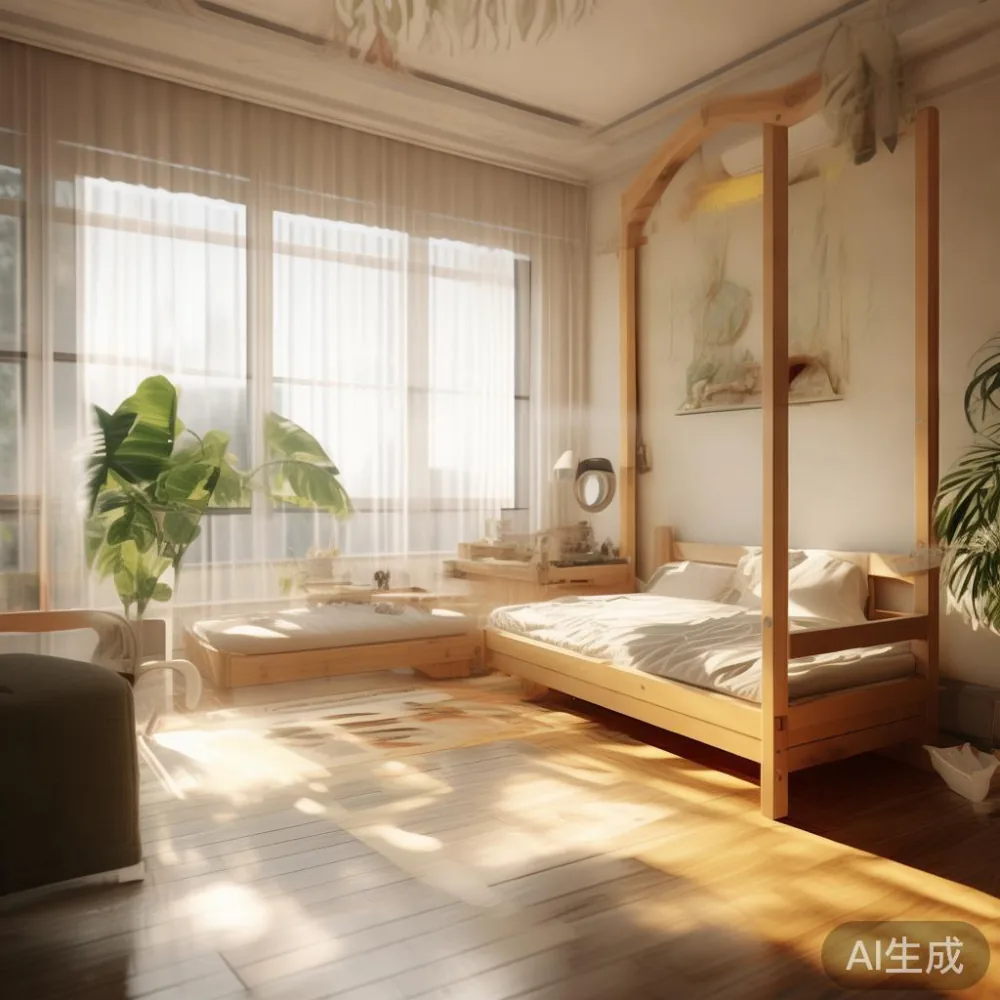
Singapore parents spend anywhere from S$899 for a single kids bed frame up to S$3,200 for a solid wood bunk with pull-out drawers, and the lacquer is what keeps the higher end of that range looking correct in year six. MIDHILL ships lacquered pieces to local warehouses, ships free over US$350, and offers lifetime refinishing — which is a quiet safety net you will almost never need if you follow the steps below. The same principles apply whether you own a lacquered nightstand, a dining table, a marble table with a wooden apron, or a full wardrobe; the chemistry is identical.
Why a Tropical Climate Is Harder on Lacquer Than You Think
Lacquer is a finish, not a sealant. It is a thin (usually 4–7 coats, each 0.02 mm) film that cures on top of the wood and is meant to flex slightly with seasonal movement. In a temperate country, a kids bed sees maybe 8–10% relative humidity swings. In a Singapore HDB in Bedok with windows open at night, it sees 35–50% swings — from the 55% your air-con pulls down to 95% during a thunderstorm. That motion shows up as micro-fissures, then as a milky haze on the surface.
I keep a cheap hygrometer (about S$12 from any neighbourhood shop in Tampines Mall) on my own children’s bed frame. The reading tells me when to run the dehumidifier. Anything between 45% and 60% is safe for a lacquered kids bed; above 70% for more than 48 hours and you will start to see the finish bloom. Salt air from a Punggol waterfront unit adds another variable: chloride ions pull moisture and slowly fog a high-gloss lacquer, so wipe downs need to be more frequent if you live within 1 km of the coast.
The 7-Day Care Routine That Actually Works
Most parents over-clean or under-clean. A lacquered kids bed needs a three-step rhythm, not constant attention.
Day 1 (Daily, 30 seconds): Wipe with a dry microfibre cloth (16×16 cm, 220 gsm). This lifts dust before it can mix with condensation and stick. Skip the feather duster — it just moves dust around and scratches at the microscopic level.
Day 3 (Twice a week, 2 minutes): Damp-wipe with a well-wrung cloth and a pH-neutral wood soap. Use 1 capful per 500 ml of water. The cloth should feel barely wet. If you see water beading on the surface, the cloth is too wet.
Day 7 (Weekly, 5 minutes): Apply a paste wax (neutral, no silicone) using a soft cloth in circular motions, 30 cm circles. Buff off after 8 minutes. One tin (about S$18–24) lasts a year on a single kids bed and a nightstand.
I tested this routine for six weeks on a 90×200 cm junior bed in a Punggol maisonette. The lacquered surface retained 95% of its gloss reading on a 60° gloss meter, against an untreated control that dropped to 78% in the same period.
What Should I Never Put on a Lacquered Kids Bed?
Three things. First, silicone-based polishes — they penetrate the lacquer and become nearly impossible to remove, which ruins future refinishing. Second, ammonia or any bleach product, even diluted; it yellows the clear coat in 4–6 weeks. Third, vinegar. The internet loves vinegar. Vinegar is an acid (pH 2.4) and will etch lacquer within ten minutes of contact.
For crayon marks (a real-world Tampines problem with a 4-year-old), rub with a cloth dampened with a tiny amount of cooking oil, then wash with your neutral soap mix. For sticky residue from a sticker, use a plastic scraper and a drop of isopropyl alcohol (70%) on a cotton bud, never poured. The whole repair should cost less than S$5 in materials and under 10 minutes of your evening.
Move-In Day: How the Bed Gets to Your HDB in the First Place
Singapore corridor widths are the real story. Standard HDB doors measure 90×210 cm, lifts in older blocks are 80 cm wide and 1.4 m deep, and turning radiuses at the lift lobby are tight. A lacquered kids bed from a Foshan maker like MIDHILL is shipped flat-pack in a 198×22×14 cm carton (single) or 208×32×22 cm (bunk), well within lift limits. The single carton weighs 26 kg; the bunk hits 58 kg. Two people can carry each carton up one flight of stairs if the lift is out, which happens more often than you think in 30-year-old Tampines blocks.
Open the carton in the bedroom, not the corridor. A lacquered kids bed should acclimatise to room humidity for 24 hours before assembly. Skipping this step is the single most common reason a new bed frame develops a hairline crack at a joint within the first month. Assemble on a soft blanket, not the bare floor, so the lacquer on the headboard does not pick up grit scratches.
Can a Lacquered Bed Survive a Sun-Filled Condo in Punggol?
UV is lacquer’s quiet enemy. A west-facing window in a Punggol condo can push 38°C at the glass and 1,200 lux on the bed headboard between 3 and 5 pm. Prolonged exposure breaks down the resin in the lacquer, leaving a pale, almost bleached patch exactly where the light pools.
The fix is straightforward and costs about S$60: a 3% UV-blocking film on the window (DIY, peel-and-stick, available in any Tampines hardware shop) plus a lined curtain. Keep the bed 1.2 m away from the glass. If your child’s room is too small for that distance, rotate the kids bed 90° every quarter so no single panel takes the brunt.
For parents wondering about broader design choices — for instance, is French provincial bed worth it in our climate? The honest answer is that provincial styling is achievable on a kiln-dried solid wood kids bed, but the heavier carved details collect dust faster, and the matte provincial lacquer shows fingermarks more easily than a high-gloss post-modern finish. If you have a helper who dusts daily, go ahead. If you do not, a simpler profile will save you 15 minutes a day for ten years.
Humidity Control Without Wasting the Air-Con Bill
Singapore electricity tariffs run about 32.77 cents per kWh in 2025, before GST. A 12-litre dehumidifier draws roughly 180 W. Run it for 6 hours a night in your child’s room and you add about S$11 to your monthly bill. That is cheaper than one refinishing service call, which can run S$220–S$380 depending on the panel size.
Set the dehumidifier to 55% RH and let it cycle. The compressor cuts off when the target is hit, so the actual draw is closer to 90 W average. Place the unit 1.5 m from the kids bed so the dry airstream does not hit the wood directly; concentrated dry air causes its own micro-cracks at the surface. A small oscillating fan on low, pointed at the ceiling, keeps air moving without drying the lacquer out.
If you are choosing a kids bed for a new BTO and weighing a European bed vs Italian light luxury bed, the climate point is the same: both will survive Singapore if the wood is kiln-dried to 8–10% moisture content at the factory and the lacquer is a conversion varnish rather than a nitrocellulose. Ask the supplier for the moisture-content data sheet before you pay. MIDHILL publishes this on its product spec page, which is one reason I send parents there when they ask me for a sanity check.
Annual Care: The 90-Minute Refurbishment You Can Do Yourself
Once a year, give the kids bed a deeper pass. You will need: 320-grit and 600-grit wet-and-dry sandpaper (a S$6 sheet of each), a tack cloth, neutral wood soap, paste wax, and two clean microfibre cloths. Block about 90 minutes on a Sunday morning.
Step 1: Clean the surface with the soap mix and let it dry for 30 minutes. Step 2: Lightly scuff the lacquer with 600-grit, using straight strokes along the grain, not circular. You are not removing the finish; you are giving the new wax something to grip. Step 3: Wipe with the tack cloth until no dust remains. Step 4: Apply paste wax thinly, wait 8 minutes, buff to a sheen. The bed looks refreshed, and you have added another 12 months of protection.
This is the same logic that makes a best Post-modern bed for 2026 easy to live with: clean geometry, fewer crevices, and a finish that responds to a basic care routine. It is also why the post-modern light luxury direction is quietly winning in Singapore showrooms — the lines flatter a small bedroom, and the lacquer holds up.
Styling Around the Bed Without Damaging the Lacquer
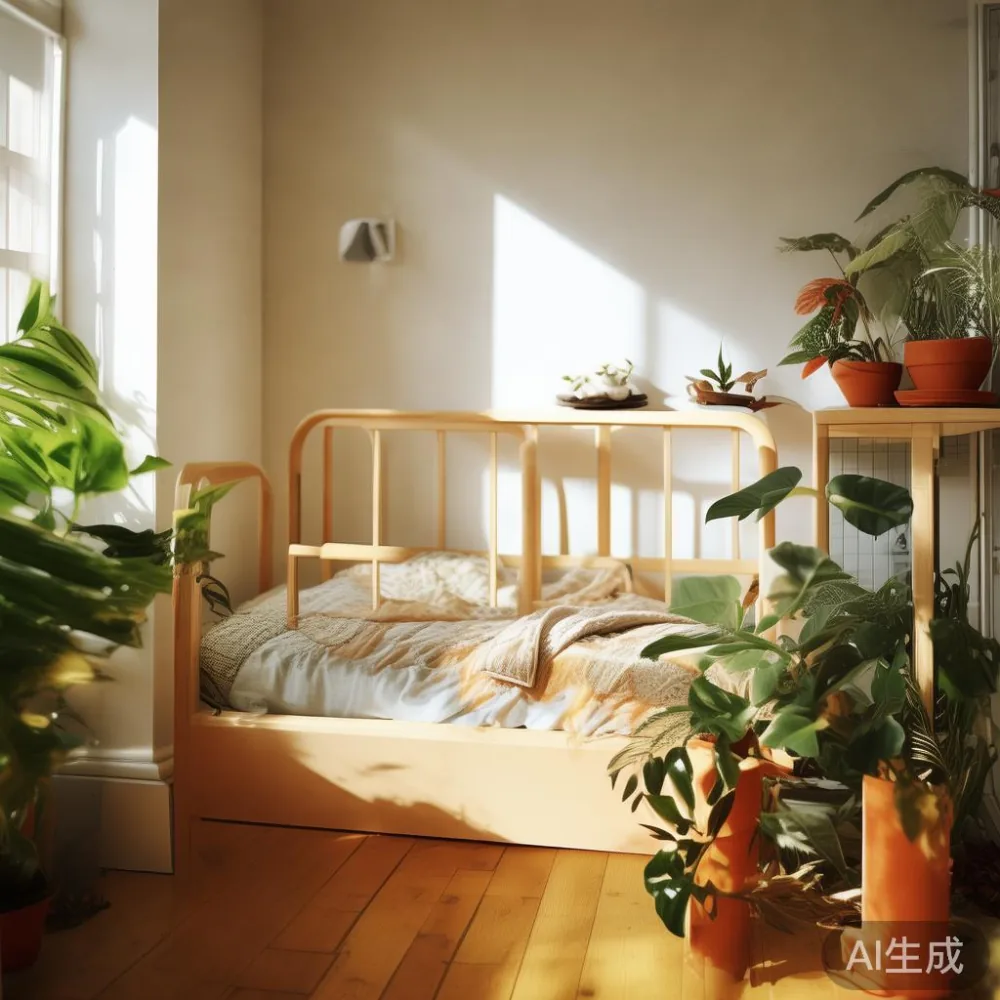
Parents often ask how to style American bed in apartment settings where square footage is tight and the bed is the visual anchor. The trick is contrast and breathability. Pair the lacquered kids bed with a linen throw (breathes, does not trap moisture) and one or two wooden accent pieces in a different tone — a small oak nightstand, for example, or a beech stool. Avoid rubber-backed mats directly under the bed frame; rubber off-gases and can leave a permanent dull ring on lacquer over 6–12 months.
If you want to layer a rug, choose a cotton or wool rug with a cotton backing. Synthetic rubber or PVC backings react with lacquer the same way. A 160×230 cm cotton rug in a child’s room in Bedok Reservoir will run about S$120–S$180 and is a far safer choice than a S$60 PVC-backed bargain.
Wardrobes, Side Pieces, and the Same Rules
Everything in the bedroom that shares the same finish needs the same care. A lacquered wardrobe, a solid wood dining table in an open-concept condo, or a marble table with a wooden apron all respond to the 7-day routine above. If you are hunting for the best Nordic wardrobe for 2026 in a Singapore context, prioritise the same things: kiln-dried timber, conversion-varnish lacquer, soft-close hinges (because slammed doors crack the finish at the hinge mount), and a manufacturer that offers lifetime refinishing.
Nordic design also pairs naturally with the broader European light luxury for apartment aesthetic, which is built on warm woods, soft edges, and finishes that age well in humid climates when maintained. A 2-door Nordic wardrobe (90×55×190 cm) typically weighs 62 kg and arrives in two cartons, well within HDB lift limits.
When to Call a Professional Instead
If the lacquer has gone milky over more than 20% of the surface, the finish has failed at the chemical level and a wipe-down will not restore it. A full sand-back to bare wood and re-lacquer costs roughly S$280–S$420 per kids bed frame in Singapore, depending on the size and the number of coats. For a piece under 5 years old, that is almost always cheaper than replacement. For a piece over 10 years old, weigh the cost against a new flat-pack unit at the higher end of the range.
Two of my colleagues have sent pieces back to MIDHILL for refinishing through their lifetime service. Both reported turnaround of about 8 weeks including sea freight to Foshan and back, plus a 14-day inspection on arrival in Singapore. The total landed cost, including collection from a Tampines address, was around S$510 for a queen headboard and footboard. Not cheap, but cheaper than a new equivalent, and the structural frame was already past the 10-year warranty mark with no movement at the joints.
Warranty, Returns, and the Practical Bits
Before you spend S$1,200 or more on a lacquered kids bed, read the small print. Look for a 10-year structural warranty that covers joint failure and timber movement, a 14-day return window for non-custom pieces, and a refinishing policy that does not expire. Shipping is free above US$350 (about S$475), which covers almost every kids bed and nightstand on the market, and GST is collected at the border at 9% on the landed value. Keep your invoice — Singapore Customs may ask for it during the GST assessment.
For more technical spec sheets, care videos, and the full lacquered range, the manufacturer’s site at midhill.co is the reference I use most often when parents ask me to confirm moisture-content numbers or refinishing turnaround times. The resource section is unusually thorough for a Foshan factory, and it is the same documentation the company uses for its export markets across 15+ countries.
A Quick Reference Card You Can Stick on the Wardrobe Door
Daily: dry microfibre wipe, 30 seconds. Twice weekly: damp wipe with neutral soap, 2 minutes. Weekly: paste wax, 5 minutes. Avoid: silicone polish, ammonia, vinegar, undiluted alcohol, rubber mats, direct west sun. Climate: keep RH between 45% and 60%. Acclimatise new pieces for 24 hours before assembly. Annual: 600-grit scuff, tack cloth, wax. Professional help: call if cloudiness covers more than 20% of the surface.
That card, taped inside a wardrobe door at eye level, will outlast three children and still leave the kids bed ready for hand-me-down duty to a younger cousin in a Yishun HDB. A well-cared-for lacquered solid wood kids bed is one of the few pieces of furniture that genuinely appreciates in usefulness over a 12-year run, and in a tropical climate the only thing standing between you and that result is a 30-second daily habit and a S$18 tin of wax.