Living with Wood in Singapore's Humidity: Protecting Your Furniture Investment
Living in the vibrant and humid climate of Southeast Asia, such as in Singapore's HDB flats and condos in areas like Tampines, Bedok, and Punggol, presents unique challenges for homeowners, especially for maintaining wood furniture. The constant humidity can affect the quality and longevity of wooden pieces, including kids beds, sofa sets, dining tables, wardrobes, and nightstands. In this article, we explore the science behind how humidity impacts wood furniture and provide actionable advice to protect your investment.
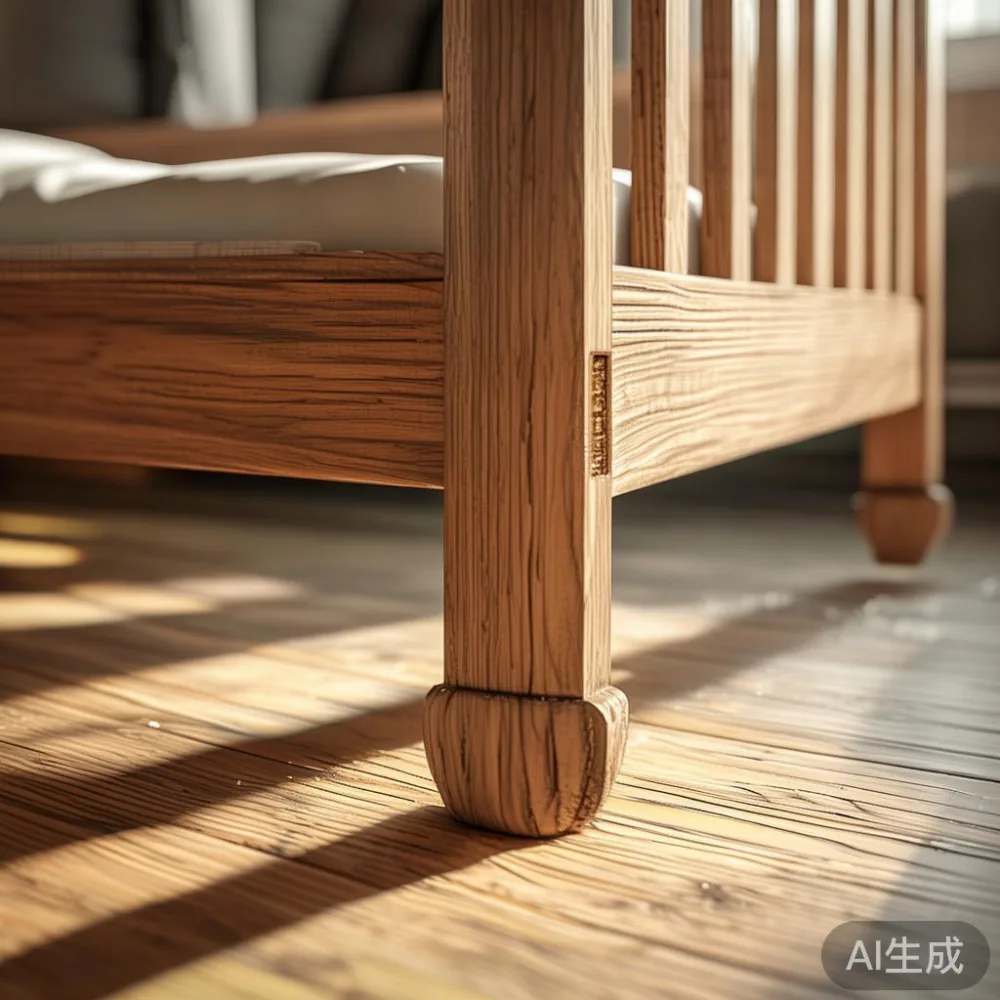
Understanding Singapore's Humidity: More Than Just a Feeling of Stickiness
Singapore's tropical climate is defined by high humidity levels that persist year-round, with significant spikes during the Northeast Monsoon season from November to January. The average relative humidity in Singapore hovers between 70% and 90%. For perspective, this means the air holds a substantial amount of moisture, which is constantly interacting with the materials in your home. This moisture isn't just an inconvenience; it's a force that can slowly alter the physical properties of wood. In a typical HDB flat, where natural airflow can be limited by corridor widths of approximately 1.2 metres and lift lobby designs, this trapped humidity can concentrate, creating a microclimate that is particularly demanding on furniture.
How Humidity Affects Solid Wood Furniture: The Science of Expansion and Contraction
Wood is a hygroscopic material, which is a scientific way of saying it absorbs and releases moisture from the air. This process is entirely natural but becomes problematic in an environment with consistently high humidity. When wood absorbs moisture, its fibres swell. This swelling can cause several issues:
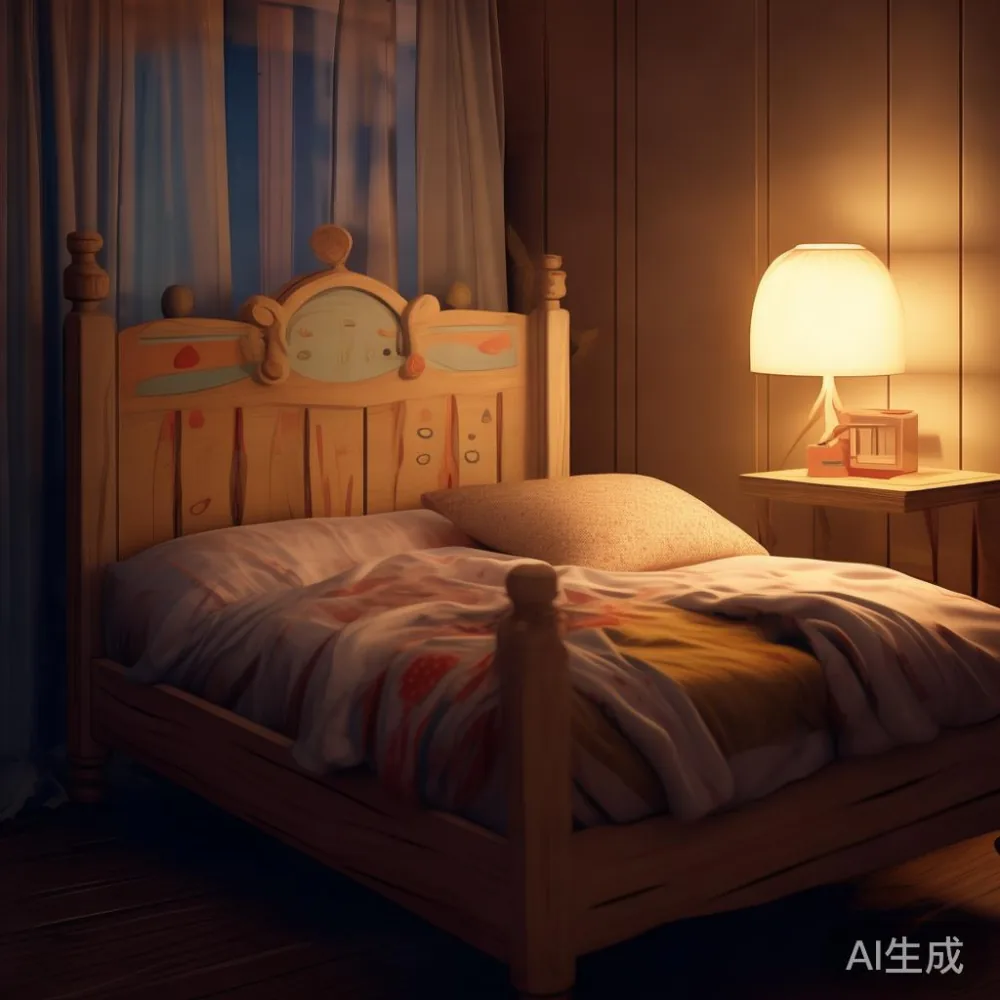
- Warping and Cupping: A solid wood dining table top, for example, might expand across its width, causing it to push against walls or other objects. Over time, this pressure can lead to the wood warping, twisting, or cupping (where the edges of a board rise higher than the centre).
- Cracking and Splitting: While wood swells with moisture, it also contracts as it dries. In Singapore, the air conditioning in your home creates drier microclimates. A solid wood wardrobe near an aircon vent might experience cycles of swelling and contraction, which can lead to stress cracks or splits, especially in drier wood like oak or maple.
- Joint Failure: The glue in furniture joints can be compromised by moisture. A kids bed frame with dowel joints or mortise and tenon joints might loosen as the wood swells, compromising the bed's structural integrity. This is why a 10-year structural warranty is a critical indicator of quality construction.
- Finish Damage: The protective lacquer or varnish on furniture can be damaged by prolonged exposure to high humidity. The finish might become cloudy, develop white spots (known as blush), or in severe cases, peel away from the wood surface, leaving the underlying material vulnerable.
A Real-World Experience: Warping in a Tampines HDB Flat
Last month, I visited a colleague who recently moved into a new Build-to-Order (BTO) flat in Tampines. She had invested in a beautiful solid wood sofa and a matching marble table for her living room. The pieces were stunning, but after just three months, she noticed a distinct warp in the centre of the marble table's wooden base. The marble top itself was fine, but the solid oak frame beneath had bowed upwards by about 1.5 cm. This was a direct result of the humidity in her ground-floor unit, which tends to be damper. Her experience highlighted a simple truth: even the most beautiful furniture needs to be chosen with a local climate in mind.
How Do I Choose the Right Kids Bed for My Child's Humid Room?
This is one of the most frequent questions we encounter from parents. Selecting the right kids bed is about balancing safety, style, and durability in a challenging environment. Here’s what to consider:
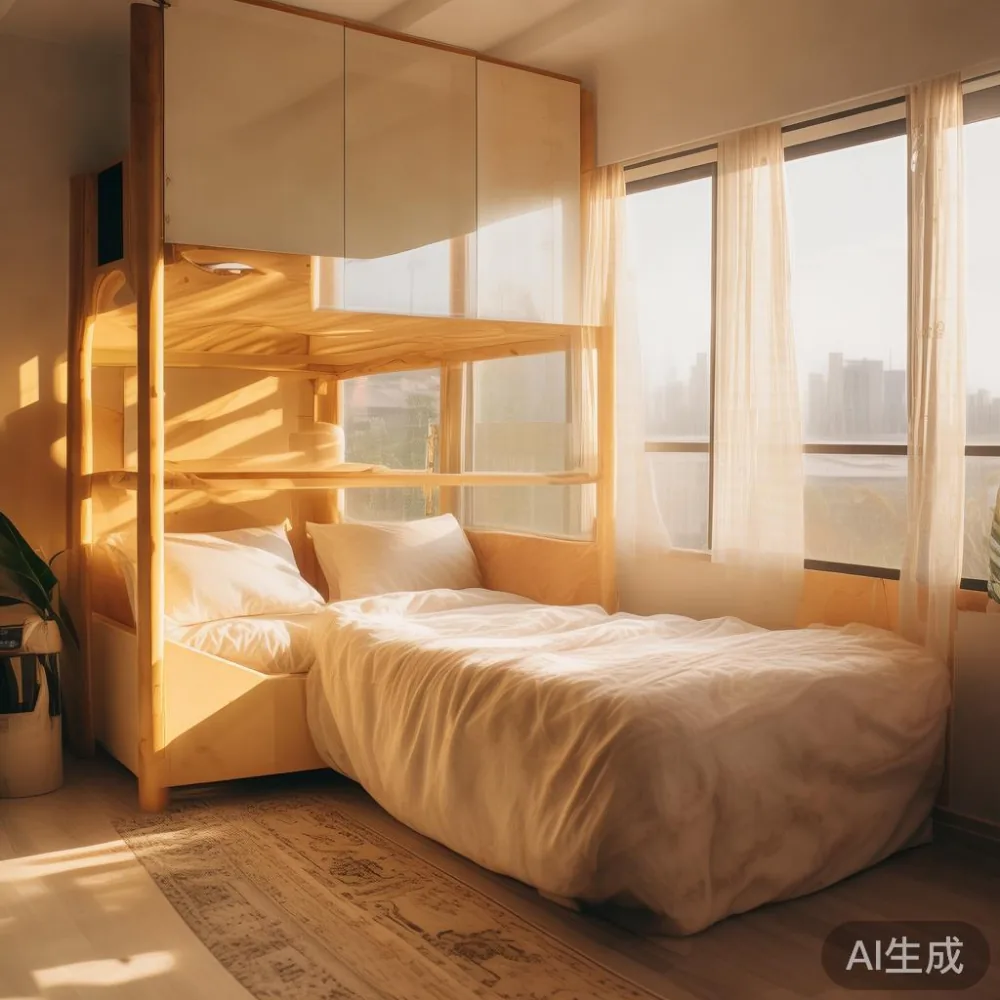
- Wood Species Matters: Opt for woods known for their stability in humid conditions. Teak, for instance, is naturally rich in oils that make it highly resistant to moisture and pests. A solid teak kids bed will withstand the Singapore climate far better than a pine bed, which is more porous and prone to swelling.
- Construction Quality: Look for beds made with traditional joinery methods like mortise and tenon or dovetail joints, rather than relying solely on nails or screws. These interlocking methods allow the wood to expand and contract naturally without compromising the structure. A bed with a 10-year structural warranty is a good sign that it's built to last.
- Finish is Key: The protective finish is your first line of defence. Choose a kids bed with a multi-layered, water-resistant lacquer or oil finish. This creates a barrier that slows down the absorption of moisture into the wood. Some manufacturers even offer a lifetime refinishing service, allowing you to restore the bed's finish if it ever becomes damaged.
- Design Considerations: A low-profile platform bed with fewer enclosed panels will have less surface area to trap moisture compared to a bulky, ornate bed with lots of detailing. For families living in smaller HDB bedrooms, a compact design is also a practical consideration.
Protecting Your Existing Furniture: Practical Maintenance Tips
If you already own wood furniture, you can take steps to mitigate the effects of humidity. Prevention is always better than repair.
- Control Your Environment: While you can't control the weather, you can control the climate inside your home. Use a dehumidifier in particularly damp areas like the bedroom or study, especially during the monsoon season. Aim to keep the relative humidity between 45% and 60% for optimal wood health.
- Positioning is Everything: Avoid placing wood furniture directly in front of air conditioning units or heaters, as the direct, dry air can cause rapid and uneven drying. Also, keep pieces at least 30 cm away from windows to prevent prolonged exposure to harsh sunlight, which can fade the finish and dry out the wood.
- Regular Care: Dust your furniture weekly with a soft, dry cloth to remove particles that can hold moisture. For cleaning, use a slightly damp cloth followed immediately by a dry one. Never let water sit on the surface. For a solid wood sofa, use a leather or fabric protector spray designed for humid climates to create a moisture-resistant barrier.
- Use Protective Pads: Always use coasters under glasses and placemats under hot dishes or plates on your dining table. This prevents direct moisture contact and protects the finish from heat rings.
Choosing the Right Furniture: What to Look for in Singapore
When making a new furniture purchase, being an informed consumer is the best way to ensure longevity. Here’s a checklist to guide your decision:
| Feature | What to Look For | Why It Matters in Singapore |
|---|---|---|
| Wood Species | Teak, Mahogany, Sheesham, or high-grade Oak | These woods are denser and have natural oils that make them more resistant to swelling, warping, and insect damage in high humidity. |
| Finish | Multi-layered lacquer, oil-based finishes, or a hand-rubbed wax finish | A high-quality finish seals the wood, preventing moisture from penetrating the surface and causing damage or discoloration. |
| Construction | These methods allow the wood to naturally expand and contract with changes in humidity without compromising the structural integrity of the piece. | |
| Warranty | A 10-year structural warranty and a lifetime refinishing service | This demonstrates the manufacturer's confidence in their product's ability to withstand environmental stress and provides peace of mind for the long term. |
Understanding Light Luxury Styles for the Humid Home
Style doesn't have to be sacrificed for durability. In fact, many light luxury styles are perfectly suited to the Singaporean lifestyle. For instance, the clean lines and functional beauty of American light luxury design often use solid wood constructions that are both elegant and durable. When considering storage, a French wardrobe with its classic panelled doors can be a stunning addition, but ensure it's made from a humidity-resistant wood like teak. The key is to choose pieces that are not only aesthetically pleasing but are also crafted from materials that can endure the local climate. For those who appreciate a more organic feel, looking for for sale Boho furniture that incorporates solid wood elements can be a great way to achieve a relaxed, stylish look that is also practical.
The Value of a Trusted Manufacturer: More Than Just a Piece of Furniture
When investing in significant pieces like a dining table or a wardrobe, the manufacturer behind the product is just as important as the product itself. A reputable company, like one established in 2008 with a proven track record of exporting to 15+ countries, understands the diverse global climates their furniture must endure. This experience informs their material selection, construction techniques, and finishing processes. Their 10-year structural warranty is not just a marketing gimmick; it's a promise that the frame of your kids bed or dining table will remain solid for a decade. The lifetime refinishing service is equally important, offering a solution should the finish ever be compromised by the elements. For families in Singapore, where shipping large items can be a logistical challenge, knowing that a company offers free shipping on orders over SGD 350 and a 14-day return policy adds a layer of convenience and security to the purchase. This level of service ensures that your journey with a piece of furniture is smooth and worry-free, from the moment it arrives at your Tampines or Punggol home to many years of use.
Planning for Delivery in Singapore's HDBs
Receiving your new furniture is the final step, but it requires some planning, especially in Singapore's public housing. Standard doorways in HDB flats are 80 cm wide, and internal corridor widths are about 120 cm. When a large item like a dining table or wardrobe is delivered, you need to ensure it can fit through these spaces. Most professional furniture services are well-versed in working through these challenges, but it's always wise to confirm the dimensions of your new piece against your doorway and hallway measurements. Delivery times can vary, but a reliable company will provide a clear timeline, often within 7 to 14 days for local deliveries. When your order arrives, inspect it carefully for any signs of damage before the delivery team leaves. This includes checking for warping, cracks, or issues with the finish. The 7% GST is applied to the final price, so be sure to factor this into your budget. Making an informed decision, considering everything from the wood's origin to the delivery process, ensures that your beautiful new furniture will be a lasting part of your home for years to come.