How to Match a Kids Bed to a Warm Minimal Interior
Choosing a kids bed for a warm minimal interior is less about filling every corner and more about controlling proportion, tone, texture, and circulation. Singapore homes make those decisions especially practical: an HDB flat may have a compact bedroom, a condominium in Tampines or Bedok may have wider doors but shared corridors, and a Punggol family unit may need to accommodate a child’s bed without making the room feel visually crowded.
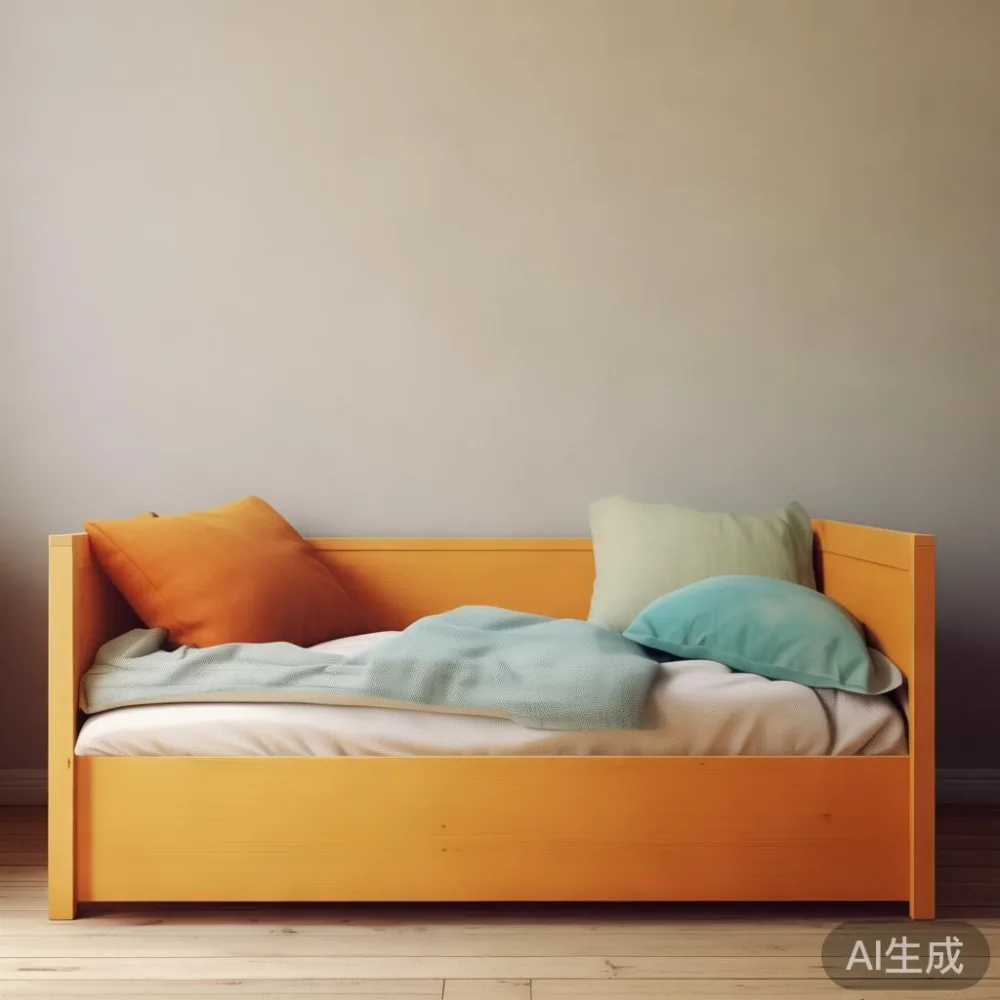
At MIDHILL, we build solid wood furniture around the way people actually live. That includes a 10-year structural warranty, lifetime refinishing, delivery across Singapore, free shipping on orders over US$350, and a 14-day return window. For a child’s room, those practical details matter, but proportion matters just as much. A kids bed should feel calm enough for sleep, sturdy enough for daily use, and flexible enough to grow into a room that changes over the next 10 years.
What makes a warm minimal kids room work in Singapore?
Warm minimalism is not the same as an empty room. It combines restrained forms with natural materials, a muted palette, and a few tactile details. The goal is visual breathing space without sterility. For a Singapore bedroom, I would start with a solid wood bed frame in light oak, warm ash, or a soft walnut finish, then use cream, oatmeal, dusty clay, and pale sage for textiles.
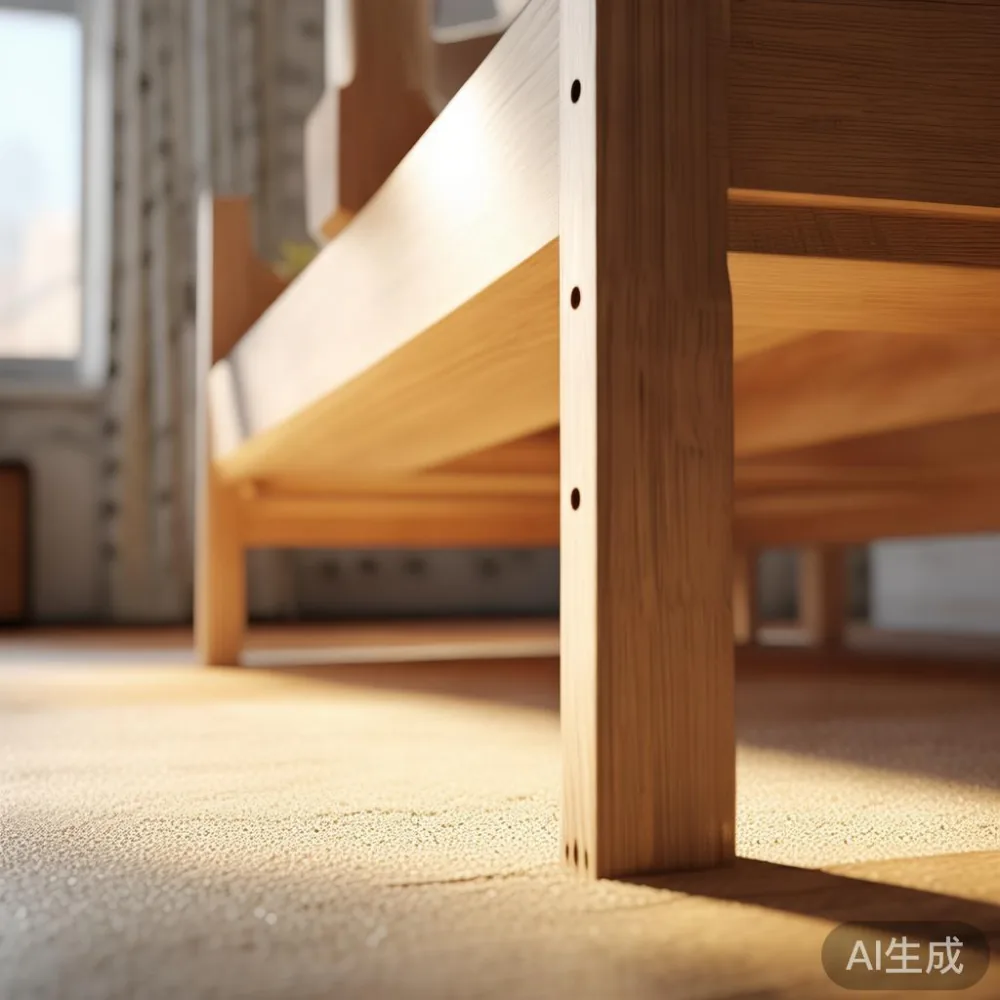
Measure before choosing. Leave at least 60 cm beside the long side of a single kids bed if a child needs to walk around it, and at least 90 cm if you want a nightstand and a dressing route. The headboard should sit about 5–10 cm away from the wall in many layouts, although a flush installation can save depth in a narrow HDB bedroom. Check the bed’s final assembled dimensions rather than relying on the mattress size alone.
Singapore’s humidity also affects the visual effect of wood. Keep the kids bed away from direct air-conditioning airflow, maintain roughly 1.5 m between the bed and a window where possible, and choose finishes that can be maintained rather than replaced. A room with a 3.0 m ceiling can feel spacious with a low-profile frame, while a 2.7 m ceiling benefits from a simpler silhouette and a wall-mounted shelf instead of a tall freestanding unit.
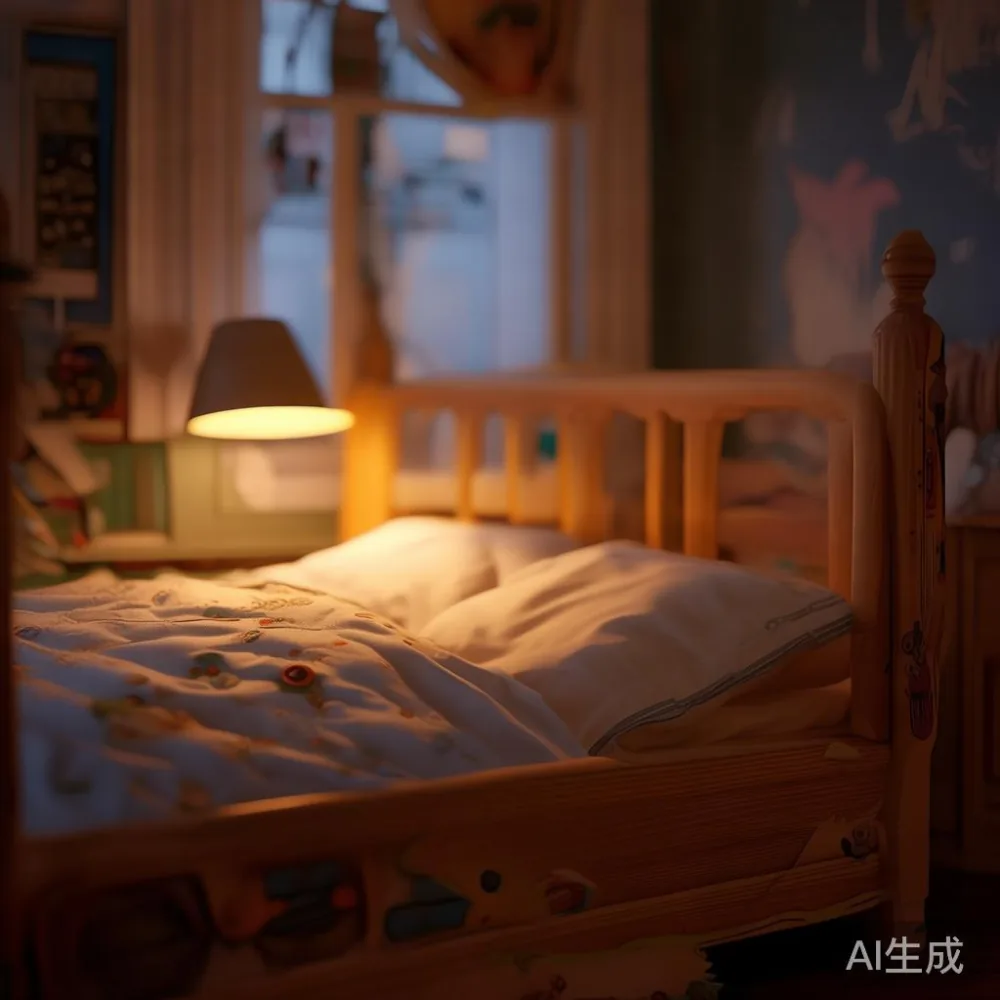
Think of the bed as the room’s anchor. Its colour should relate to the floor, curtains, and any desk, while the wall can remain soft and quiet. In a Tampines flat with warm beige vinyl flooring, a pale oak kids bed will blend naturally. In a Bedok condo with grey stone-look tiles, a slightly warmer wood tone helps prevent the room from feeling cold.
How wide should a kids bed be for an HDB bedroom?
A single mattress usually measures 90 cm wide and 190–200 cm long in Singapore, while a compact junior bed may use a 75–90 cm mattress. The bed frame can add 3–12 cm on each side depending on the design, so allow at least 105 cm of width for a 90 cm mattress. A standard HDB bedroom may be around 9–12 square metres, though layouts vary considerably.
For the most usable arrangement, place the bed against the wall with the longest side parallel to the longest wall. If the room is only 2.7–3.0 m wide, a 90 cm mattress leaves a narrow passage on one side and little room on the other. A 75 cm mattress can be more sensible until the child outgrows it. Use a bed with a 10-year structural warranty and solid wood components rather than forcing a large frame into an awkward space.
The door swing should also be checked. Keep the bed 10–15 cm away from the point where the door opens, and avoid placing a nightstand where it blocks the entry. In a lift corridor of 90–120 cm, a flat-pack bed box may be easier to transport than a fully assembled frame. Confirm the packaged dimensions and weight before ordering; a solid wood kids bed may weigh 35–70 kg, so delivery to the door and installation planning are worth checking in advance.
For a two-child family, a low bunk or L-shaped arrangement can provide sleeping space without creating two large visual blocks. Leave 60–75 cm between levels if the upper child needs to sit up. Use a guardrail at least 20 cm above the mattress, and make sure the ladder or step is within easy reach. Avoid placing the upper bunk directly beneath a ceiling fan; a 30 cm clearance is a sensible minimum.
Which solid wood finish suits warm minimalism?
Warm minimal interiors work best with wood finishes that contain visible grain and a little depth. Light oak creates an airy effect, ash gives a cleaner Scandinavian impression, and walnut adds more contrast without becoming dark and heavy. The finish should be coordinated with one or two other materials, not every item in the room. A French provincial TV console can be useful in a living room, but in the child’s bedroom its presence should be restrained so the kids bed remains the visual focus.
I tested this approach last month in a compact family room in Punggol. We placed a 90 cm kids bed with a pale honey-oak frame against a warm white wall, then used oatmeal curtains and a muted sage rug to soften the floor. The room felt comfortable rather than staged. When we swapped the oak finish for a very cool grey frame, the same layout appeared flatter and more institutional. The warmer wood made the compact footprint feel more generous.
Texture can do more work than extra decoration. A cotton quilt, a wool or cotton-blend throw, and one woven basket create warmth without adding many objects. For a play area, a low open shelf measuring 80–100 cm wide can hold books and toys while keeping the floor clear. Keep toys in closed baskets if the room is less than 8 square metres, and limit the visible palette to 3 main colours.
Do not mix too many furniture styles in one small room. A post-modern light luxury approach can include one sculptural lamp or a rounded bedside table, while the bed frame remains simple. A marble table might work in a larger bedroom as a study surface, but a marble bedside table in a very narrow room may add unnecessary visual weight. Choose solid wood for the main pieces and reserve stone for one deliberate focal point.
Can a kids bed match a solid wood sofa, dining table, or wardrobe?
Yes, provided the relationship is based on finish and scale. If the adjoining living area contains a solid wood sofa in a warm oak finish, a matching or slightly lighter kids bed will create continuity. A solid wood dining table can establish the home’s material language, while the bedroom remains quieter. A wardrobe with full-height doors can make a small room feel more ordered, but it should not share the exact same strong grain pattern if that makes the bed appear visually heavier.
For mixed interiors, match the undertone rather than the colour exactly. Honey oak can work with pale walnut, and ash can pair with a warmer beige wall. Avoid a high-contrast bed in a room already occupied by a dark dining table, dark wardrobe, and black metal details. The kids bed should be a bridge, not an isolated object from a different home.
When comparing a European bed vs Mid-century modern bed, focus on the room’s architecture and the family’s needs. A European bed often has a padded headboard or carved detail, which can soften a plain room but may need 5–10 cm of extra space. A Mid-century modern bed uses clean lines and tapered supports, making it useful for a compact bedroom with a modern condo interior. The decision should come from the room, not from a trend label.
One useful rule is to repeat a finish in at most three large pieces. For example, pale oak on the kids bed, the bedside table, and the desk will feel intentional. A nightstand should sit within 10–20 cm of the bed height for a child aged 5–10, and the drawer should open without hitting the bed frame. This is where the beauty of a carefully scaled nightstand is more important than adding another decorative item.
How do you style the area around a children’s bed?
Start with the bed, then work outward. A 90 cm mattress and a frame with a 200 cm length can be paired with a 40–50 cm nightstand, a slim wall shelf, and one low toy storage unit. Leave a 45–60 cm path from the doorway to the bed and keep the bedside zone free of loose furniture. In a shared family room, this prevents the room from becoming a collection of pieces rather than a sleeping environment.
Lighting should be warm and dimmable. A bedside lamp with a shade around 25–30 cm in diameter gives a softer pool of light than an overhead fixture. If the child studies nearby, add a desk task light with a colour temperature between 3000K and 4000K. Avoid a bright lamp aimed directly at the mattress, and use a nightlight if the child is under 5 years old.
For a guest room that occasionally serves as a children’s room, Boho for guest room styling can be introduced through one patterned throw, a woven wall hanging, and a simple rattan basket. Keep the palette earthy and the pattern count low. A soft jute rug under the bed can add warmth, but choose a washable material and make sure the rug extends 20–30 cm beyond the bed sides to avoid a cramped appearance.
The larger living room may include a solid wood sofa, and questions such as how to style American sofa in room or how to style Japanese sofa in room often begin with the same concern: whether the seating and sleeping zones feel connected. Use the kids bed’s wood tone as a reference, then coordinate the sofa’s legs, cushions, and nearby lighting. A solid wood dining table can carry the same finish through the space without requiring the bedroom to become a literal extension of the living room.
What should you check before delivery to a Singapore home?
Check the building’s access route before the furniture arrives. Measure the lift opening, lift car dimensions, corridor width, and the turn from the corridor to the apartment door. A 90 cm mattress may fit through a 90 cm doorway diagonally, but a solid wood frame with a wide headboard may not. Ask the supplier for the packaged size and weight, and confirm whether delivery includes carrying the package to the apartment door.
Many Singapore condominium corridors are around 120–180 cm wide, while older HDB approaches can be narrower. If the route includes a staircase, the practical question is not simply whether the package fits, but whether two people can rotate it safely. A delivery team may need 10–20 minutes to move a large box from the lift to the room, especially in a multi-elevator tower. Confirm the expected delivery window and whether the team can install the bed.
Allow 7–14 delivery days for made-to-order or export-handled pieces, although stock availability and building schedules can change the timing. Check the GST-inclusive price in SGD, along with delivery, installation, and any lift-booking fee. Free shipping over US$350 is useful, but it does not replace checking local access restrictions. A 14-day return policy gives families time to confirm that the kids bed’s dimensions and finish work in the room.
After delivery, inspect the frame, fixings, mattress support, and finish before use. Solid wood furniture can move slightly as its moisture content adjusts in Singapore’s humid climate. Keep the frame away from damp walls, use coasters on any nearby marble table, and avoid placing the bed beside a window where rain may reach it. Dust with a soft, slightly damp cloth rather than a harsh chemical cleaner.
What is the right age to change from a kids bed?
Keep the frame while the child can use it safely, but change the mattress or configuration as the child grows. A child aged 3–5 may be comfortable with a 75–90 cm mattress depending on height; around ages 6–10, many children still use a standard single bed. Check the mattress limit and the manufacturer’s guidance rather than relying only on age. A child who can sit up comfortably and climb into the bed without excessive stretching usually has a better fit with a mattress that supports the shoulders and hips.
Some families buy a convertible kids bed that can later accommodate a longer mattress, while others choose a solid wood frame with a standard 190–200 cm length. The second approach often makes more sense in Singapore because it avoids replacing the whole frame when the child reaches a new size. If a bunk bed is considered, allow at least 150 cm of ceiling clearance above the upper mattress and keep the top bunk away from fans, windows, and wardrobes with climbing hazards.
For storage, a wardrobe with adjustable shelves can be more useful than a low cabinet in a small bedroom. Choose one with a depth of 50–60 cm, a width of 80–120 cm, and doors that clear the bed when opened. In a child’s room, keep frequently used items between 40 and 120 cm above floor level so they can be reached without a stool. A nightstand with one drawer is enough for a book, water cup, and small lamp; everything else can go into the wardrobe.
Design should age gracefully. A solid wood frame in a versatile finish can move from a toddler’s room to a study or guest room, whereas a highly themed piece may only work for a short period. French light luxury and American light luxury can both inform warm minimal interiors, but their relevance is in the details: proportion, materials, and quiet ornament rather than excess decoration.
How can you make a warm minimal kids room feel personal?
Personalise the room through one changing display rather than many permanent objects. A small ledge above the bed can hold a rotating set of 3–5 framed drawings, with a total width of no more than 60–80 cm. Add a pinboard on the side wall for artwork, but keep it at least 10 cm away from the bed edge so it does not become a collision point. A washable quilt in a favourite colour can carry the child’s personality while the furniture stays neutral.
Make sure the room still functions after the styling is removed. Pull the nightstand 5 cm forward, open the wardrobe, sit on the bed, and walk from the door to the window. If any movement feels tight, remove an object rather than squeezing the layout. The strongest warm minimal rooms are not the ones with the fewest things; they are the ones where every object has a purpose and enough space around it.
For a lasting arrangement, choose a kids bed with solid wood construction, a stable joint system, and a finish that can be maintained. MIDHILL’s approach to solid wood furniture, combined with its 10-year structural warranty and lifetime refinishing, suits families who want the bed to remain useful as the room changes. A solid wood sofa, dining table, wardrobe, or nightstand can then be selected around the same visual language, not forced into every room.
Ultimately, the right kids bed for a warm minimal interior is measured in centimetres, kilograms, years, and daily routines. Begin with the mattress size, inspect the delivery route, choose a warm wood tone, and allow the room to breathe. The result should remain comfortable in Singapore heat, easy to maintain, and visually connected to the rest of the home.