How Southeast Asian Humidity Affects Solid Wood Furniture
Singapore’s warm, humid climate can change solid wood in ways that are easy to overlook. A drawer may tighten after a rainy afternoon, a wardrobe door may catch slightly, or a kids bed may develop small surface marks as the timber responds to repeated changes in moisture. In HDB flats and private condos across Tampines, Bedok, and Punggol, furniture often has limited space for air circulation, especially when a room is fitted tightly against a wall.
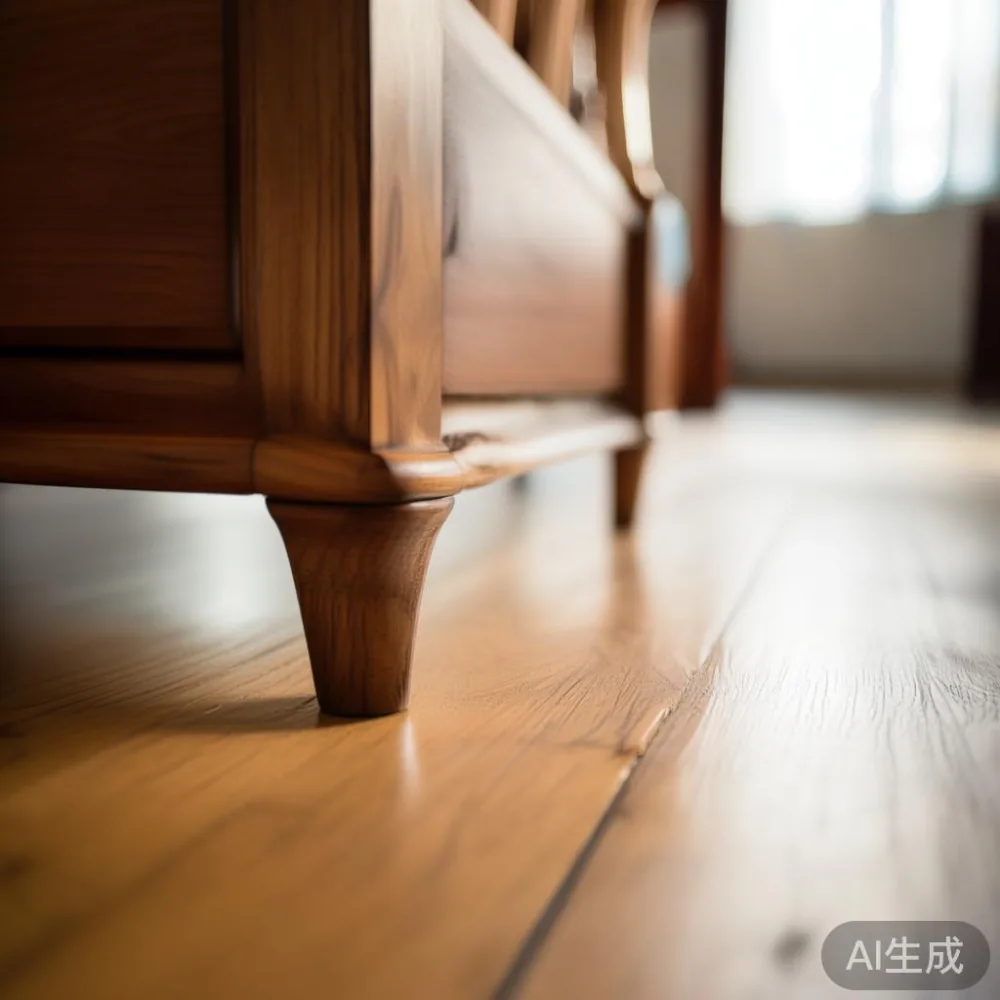
Humidity does not mean solid wood is unsuitable for Singapore. It means the furniture, its finish, its installation, and its care routine must be designed for tropical conditions. At MIDHILL, established in 2008 and exporting to more than 15 countries, we approach solid wood furniture as a long-term furnishing choice rather than a disposable item. A practical light luxury look can work well here, provided the wood is protected correctly and allowed to move naturally.
Why does Southeast Asian humidity affect solid wood?
Solid wood is hygroscopic: it absorbs and releases moisture as the surrounding air changes. Singapore’s relative humidity commonly ranges from about 65% to 90%, with heavier moisture load during monsoon periods and lower humidity when air-conditioning dehumidifies a room. Repeated movement matters more than one unusually damp day. A timber surface may expand, contract, or bow by a few millimetres over time if moisture enters and leaves unevenly.
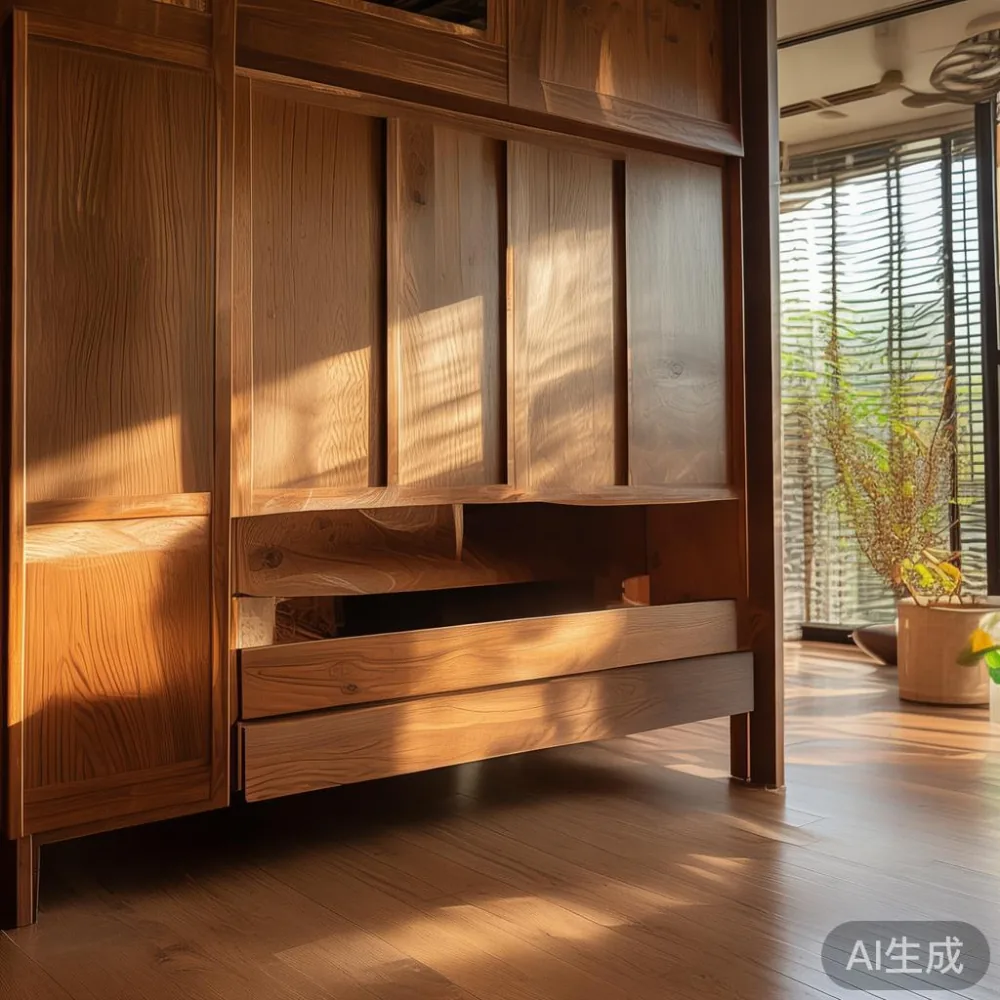
The effects are more noticeable in furniture with large, exposed panels. A bed frame can move slightly around its joints, while a wardrobe may show alignment changes if its doors and carcass are made from different moisture conditions. A dining table can develop small checks in the finish, especially if a hot cup is placed on a cold or damp surface. These changes do not automatically mean defective timber, but they should be monitored.
Temperature is part of the same equation. Air-conditioning may bring a bedroom from 30°C and 75% humidity down to 24°C and 45% within a few hours. A solid wood sofa, bed frame, or wardrobe placed near a return vent can therefore experience daily cycles. Good placement keeps the object away from direct airflow while still allowing normal room ventilation.
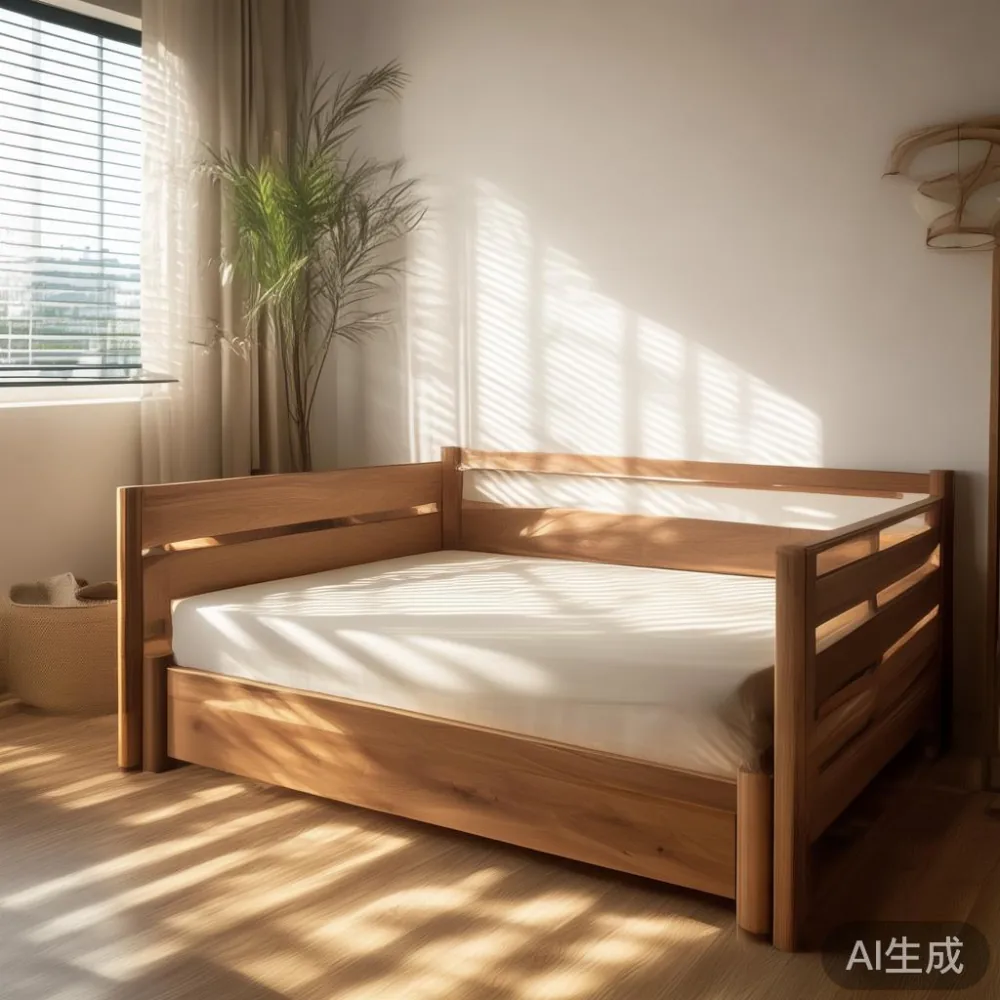
How much space should I leave around a kids bed?
For a children’s room, airflow is as useful as floor clearance. Leave at least 5 cm behind the headboard and 10 cm on the sides where practical. A gap of 15–30 cm between the wall and the side of a kids bed can improve drying after cleaning and make it easier to inspect skirting boards, power outlets, and moisture marks. These are planning figures rather than universal installation rules; the actual gap should suit the room and the selected bed size.
A standard single kids bed may measure 90 cm by 190 cm, while a wider junior bed may be 100 cm by 200 cm. The mattress should sit within the frame without pressing tightly against every side. A 2–3 cm breathing space around the mattress helps ventilation and reduces trapped moisture. Avoid pushing the frame directly against a cold exterior wall in a condo where condensation is possible.
For HDB rooms with narrow corridors, measure before delivery. A common internal corridor is about 90–120 cm wide, and a bed frame may be boxed or partly assembled. Check the lift door width, lift depth, turning space, and the route from the service lobby. Leave at least 5 cm of clearance between a large carton and a doorway when possible. If the lift is narrow, a flat-packed or knock-down design can save considerable effort.
What should I do before a solid wood kids bed arrives?
Preparation begins 24–48 hours before delivery. Keep the new furniture in its packaging if the room is already cool and dry, but do not leave cartons sealed for weeks in a damp storage area. In Singapore, a controlled indoor space with relative humidity around 50–65% is a useful target during the first few days after opening.
Remove any plastic film gradually rather than peeling it off in one pull. Wipe the frame with a clean, dry microfibre cloth and inspect the joints, corners, and finish. A moisture meter reading on a small hidden area can provide a rough comparison, although no single meter reading proves that the whole board is stable. Look for visible swelling, deep cracks, mould spots, or a musty smell.
Let the bed frame acclimatise near its final position for 2–7 days. Do not place it against an exterior wall or immediately beside a bathroom. Use the room’s normal air-conditioning gradually, and keep windows open when outdoor conditions are drier. A dehumidifier set around 55–60% relative humidity can help in persistently damp rooms, but it should not create rapid fluctuations.
Children’s rooms also need safe clearance. Keep the kids bed at least 30 cm from window cords, and confirm that the mattress height suits the child’s age and mobility. A guard rail may be useful for younger children, but it should not trap the mattress against the side of the frame. Humidity protection and safe sleep spacing should be considered together.
Can humidity damage a dining table, wardrobe, or nightstand?
Yes, but the level of risk depends on design, finish, placement, and maintenance. A solid dining table should have a finish that is suitable for humid interiors and should not be repeatedly wiped with a wet cloth. A wardrobe benefits from stable indoor conditions and properly fitted doors; a nightstand should not be placed where condensation may run down a wall.
For a dining table, use a coaster and a mat rather than leaving a glass of water or a damp lunch box directly on the wood. Wipe spills within 5 minutes, then dry the surface immediately. Keep the table at least 30 cm from an air-conditioning vent and away from kitchen steam. If you are considering a Mid-century modern dining table, check whether the top is solid wood, whether the base is stable, and whether the supplier uses a finish intended for tropical interiors.
A wardrobe needs a little more planning. Leave at least 10 cm above the carcass where possible, especially in a room with a ceiling fan that pushes air upward. Door movement of 2–3 mm is sometimes normal as timber responds to humidity, but a door that binds repeatedly should be inspected. Do not force it or plan a large sanding adjustment without checking the installation instructions.
A nightstand can show problems earlier because it is often near a window, bed, or bathroom doorway. Keep electrical devices away from the wood’s edge and avoid placing damp clothing on its top. The same care applies to a light luxury TV console: attractive finishes are not a substitute for sensible placement. If you are browsing for sale European light luxury furniture or for sale Italian light luxury furniture, ask for care guidance specific to Singapore’s climate.
How do I choose furniture that suits an HDB flat or condo?
Start with measurements, then consider the route into the home. Record the lift opening, corridor width, door width, stair turns, and the largest furniture dimensions. A dining table may fit the living room but not the lift if its tabletop is delivered as one 180 cm piece. A modular wardrobe can be assembled inside the bedroom, while a fully assembled unit may need professional moving.
Allow roughly 10–15 cm for door handles and drawers when planning circulation. For a bed frame, confirm that the boxed length fits inside a typical HDB bedroom and that the headboard can be tilted upright if necessary. In a Tampines flat with a compact landing, a knock-down design can reduce the number of people needed for delivery. Budget around SGD 80–180 for a local delivery service when the item is large, although the final charge depends on access and lift rules.
Do not forget the practical financial details. Singapore prices normally include GST when shown to consumers, but check the quotation to confirm the total. For online purchases, compare the delivery date against your renovation or moving date rather than relying on a general estimate. Allow 7–14 days for a made-to-order item, and ask whether a custom size affects the structural warranty.
For coordinated interiors, a French light luxury approach can use pale timber, restrained profiles, and a soft neutral palette without making the room feel heavy. American light luxury often favours clean lines and a calm bedroom arrangement. Post-modern light luxury can mix shapes, but furniture should still breathe: avoid blocking every wall and leave practical gaps around large pieces.
What humidity-control routine works every day?
A short routine prevents most avoidable problems. Check the room’s humidity once a day during the wetter weeks, and use a reliable hygrometer rather than guessing. Keep readings near 50–65% where possible. If the display reaches 70% for many hours, improve ventilation, dry wet laundry outside the room, and remove items that sit directly against exterior walls.
Clean wood with a lightly damp cloth, never a soaking one. Use 2–3 drops of mild pH-neutral soap in 500 ml of water only when needed, then wipe again with a clean damp cloth and dry with a soft towel. Avoid bleach, ammonia, silicone sprays, abrasive pads, and furniture polish containing heavy wax. Test any product on a hidden 5 cm section for 24 hours.
Maintain the finish according to the manufacturer’s schedule, often every 12–24 months depending on use and exposure. Light sanding followed by a compatible topcoat can restore a tired surface, but moisture-related movement must be allowed to settle first. Do not apply an extra coat over damp wood. If mould appears, stop the source of moisture and seek advice before cleaning a large area.
Last month I visited a family’s three-room HDB flat in Bedok with my colleague to review a newly delivered solid wood bed frame. The family had placed it directly beside a bedroom window, and the side panel felt cool in the morning. We moved it 12 cm from the wall, kept the window slightly open during dry periods, and monitored the hygrometer for 7 days. The readings settled from around 76% to 62%, and the drawer movement became noticeably steadier. The episode reinforced how placement can matter as much as the timber species.
Is humidity a reason to avoid solid wood in Singapore?
No. Solid wood furniture can last for decades when buyers understand that it responds to its environment. Choose stable joinery, sensible finishes, and designs that do not trap water against walls. Ask for the species, finish type, expected movement, warranty terms, and care instructions before purchase. A 10-year structural warranty is useful, but normal seasonal movement should be explained clearly.
MIDHILL offers lifetime refinishing for qualifying furniture, which can help a well-made piece remain useful after years of tropical use. Delivery over US$350 is free under the stated shipping policy, but Singapore orders should still be checked for local delivery charges, GST treatment, and access requirements. The return window is 14 days, so inspect dimensions, finish, and moisture-related symptoms as soon as the item arrives.
Keep a simple log for 30 days after delivery: record the humidity each morning, note any sticking drawers, and photograph the condition of the finish. This makes small changes easier to understand and gives the supplier useful information if service is needed. A kids bed, dining table, wardrobe, nightstand, or marble table should be treated as part of the room’s climate system, not isolated from it.
For buyers searching for how to choose Mid-century modern wardrobe, or searching for how to style American bed in apartment, the answer is similar: measure first, control moisture, and leave room for the furniture to age gracefully. Light luxury is not only about appearance; it also involves comfort, proportion, durability, and care. Good design can remain refined in a humid climate when it respects the material.
For product questions, finish details, or delivery planning, review MIDHILL’s site at www.midhill.co and confirm the current specifications before ordering.