Optimal Kids Bed Sizes for Singapore HDB Living Rooms
A kids bed can make a compact HDB living room feel organised, or turn it into a narrow corridor where nobody can pass. The right size depends on the child, the room, the lift access, and how the bed will be used after the child outgrows it. In a 3-room Tampines flat, for example, a 100 cm-wide bed may suit a young child, while a 120 cm single gives better sleeping space for a 10-year-old. In Punggol and Bedok condos, more generous living areas often make a 120 cm or 135 cm bed practical without crowding the dining table.
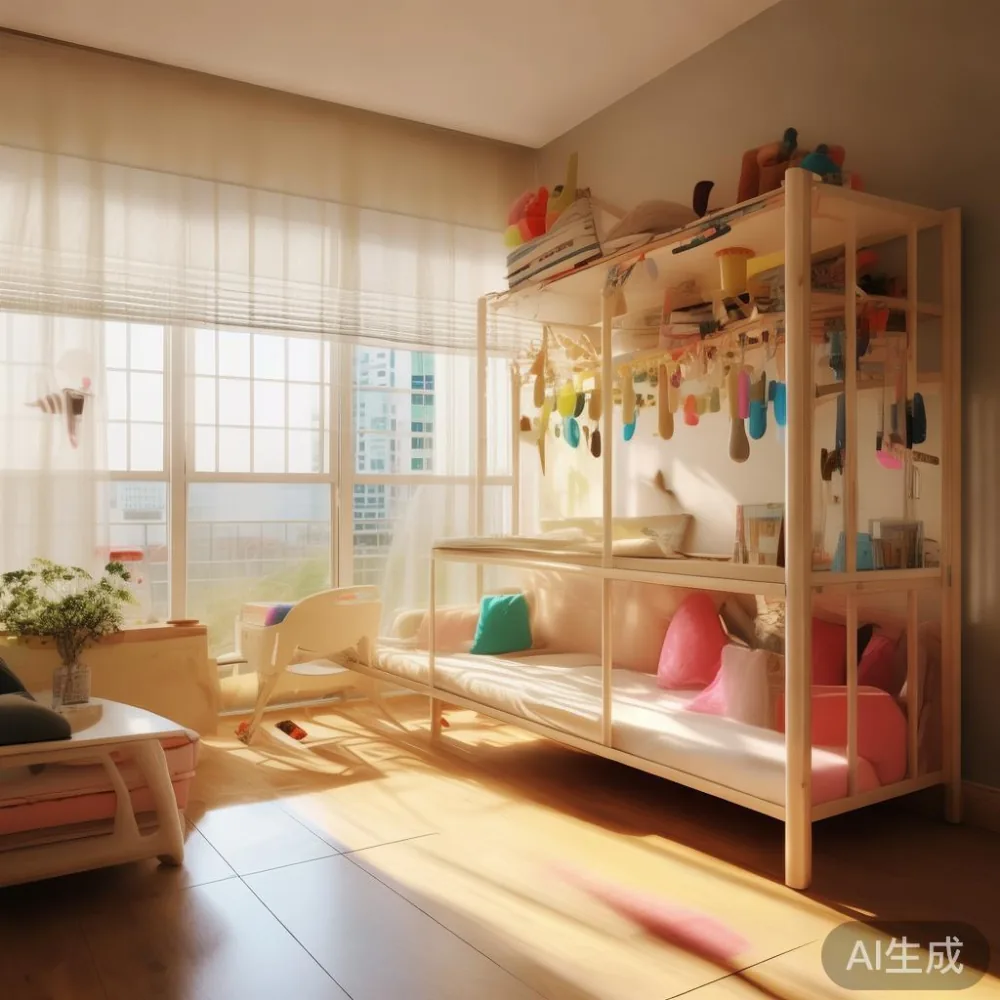
At MIDHILL, solid wood beds are made around practical dimensions and backed by a 10-year structural warranty, with lifetime refinishing available. This guide explains how to measure before choosing, how to move a bed into a Singapore home, and why a two-step or extendable kids bed can be useful for HDB families.
What size kids bed does a Singapore HDB living room need?
Most children can sleep comfortably in a single-width kids bed between 90 cm and 120 cm, provided it is at least 190 cm long for a child over six. A 90 × 190 cm model works for younger children and smaller rooms, but an adult may need to turn sideways. A 100 × 200 cm bed is a balanced choice for many 3-room flats. A 120 × 200 cm model offers more shoulder room and remains easier to share as the child grows.
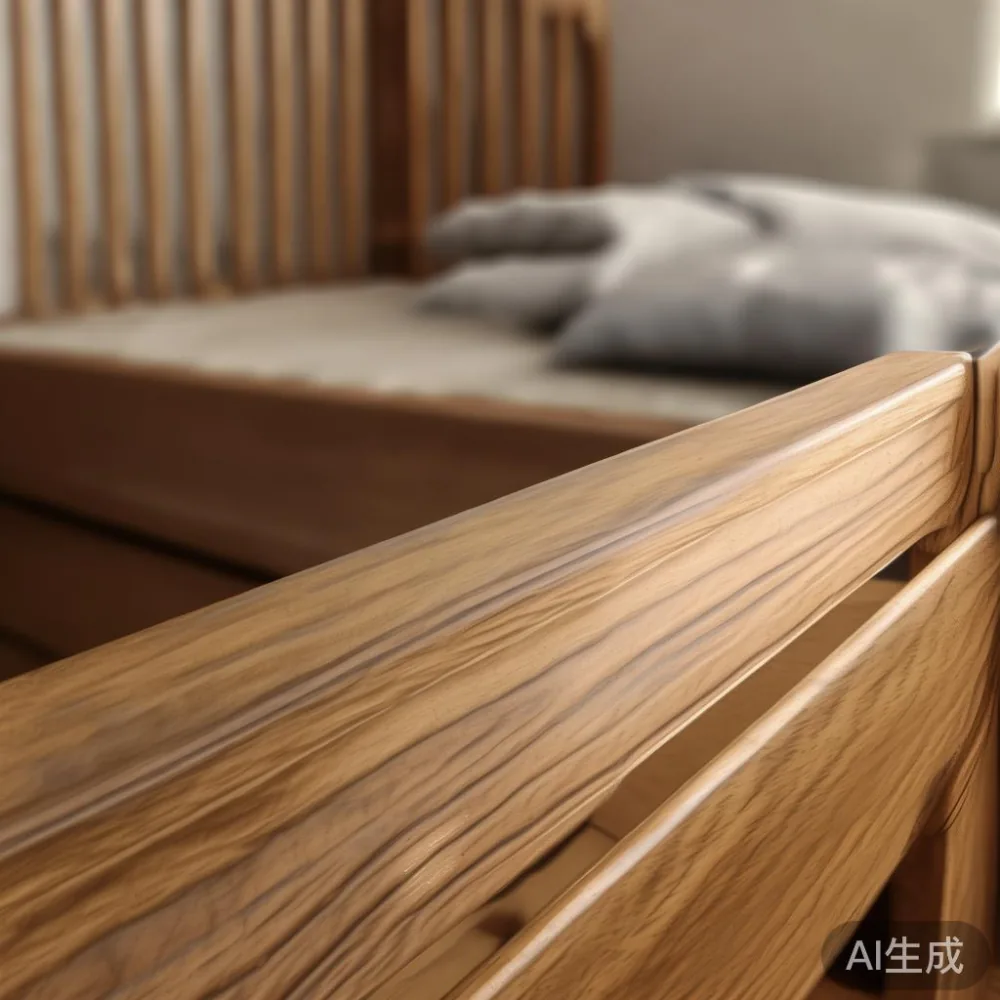
Measure the usable wall length before shopping. Leave 60 cm beside a single bed for a nightstand and approximately 90 cm on the other side for circulation. If the bed is placed against the long wall, do not subtract the full wall length from the room automatically: allow 5 cm to 10 cm for skirting boards, sockets, and a little tolerance during positioning.
For a typical 3-room HDB living room of 9 sqm to 12 sqm, a 90 cm or 100 cm kids bed is usually less disruptive. A 120 cm bed fits more easily in a 12 sqm to 16 sqm room or in a larger condo living area. Width alone does not decide whether a room feels crowded; the route from the main door to the kitchen matters just as much.
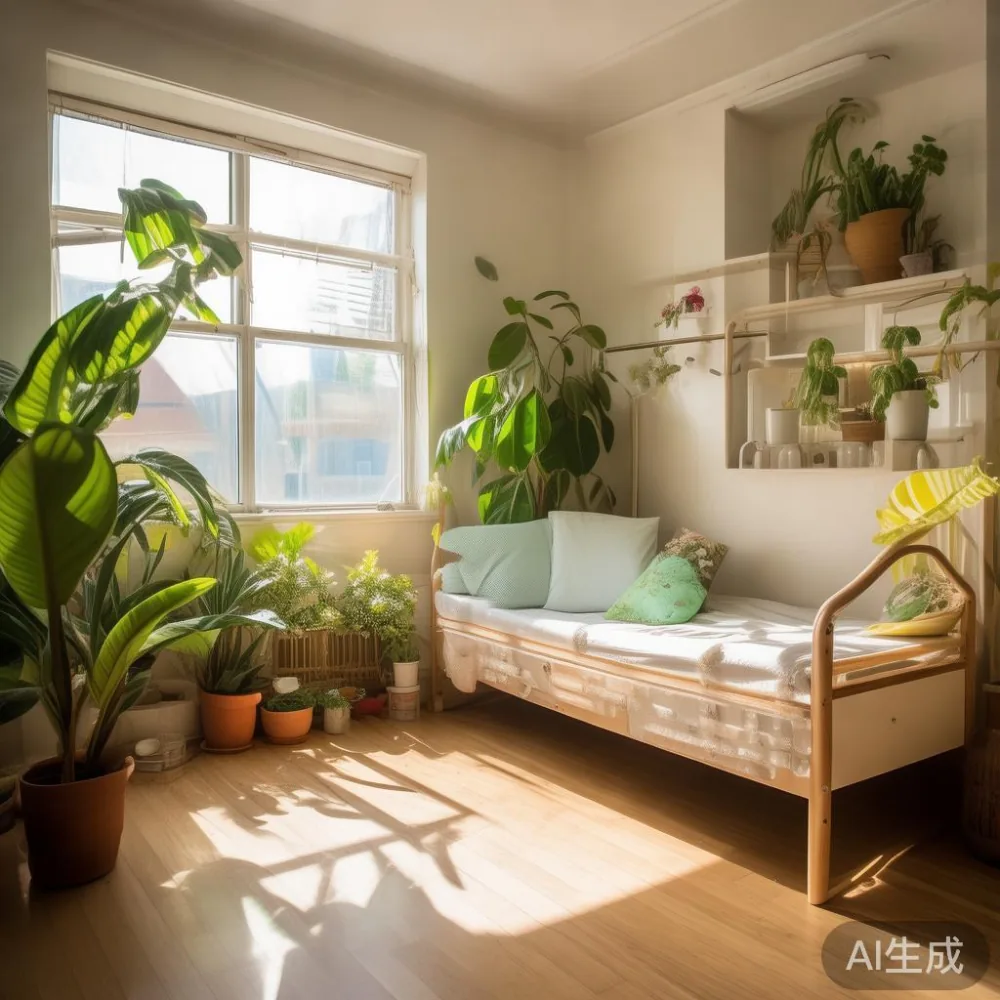
Height also deserves attention. A mattress top between 40 cm and 50 cm is comfortable for a child and can allow the bed to double as a compact reading seat. Avoid placing it directly beneath a low window where the sill is below 70 cm, since the headboard may restrict opening and light control.
Should you choose a 90 cm, 100 cm, 120 cm, or 135 cm kids bed?
A 90 cm kids bed is sensible for a child aged roughly 3 to 7, a small bedroom, or a room that must also contain a dining table and study chair. Check the bed’s internal width rather than relying on its product label. A mattress of 90 × 190 cm gives only about 45 cm of usable space per side, so some children will press against the side rail while sleeping.
A 100 × 200 cm kids bed suits many children aged 6 to 11. It provides a little more room than a 90 cm model while remaining manageable in an HDB living room. This is often the most versatile choice for Tampines flats where the living room also functions as a play area.
A 120 × 200 cm kids bed is more appropriate for an older child or teenager. It allows an adult to sit beside the sleeper during a fever and gives a child room to stretch out. It also becomes a more useful single bed after a bunk bed phase. A 135 cm model offers generous width, but it needs a substantially clearer zone and may make a compact living room feel narrow.
Consider the child’s height and growth rate. A child should be able to lie flat without the feet pressing against the footboard. A 190 cm internal mattress length may suffice for a smaller child, while a 200 cm length provides more useful growing room. Avoid buying solely by age; check that the child can sit up, turn over, and read comfortably.
For rooms that change function frequently, an extendable design can begin at 90 or 100 cm and later expand to 120 or 135 cm. Confirm that the extended state fits the intended wall. In lift-up models, the raised panel may need around 70 cm of vertical clearance, while drawers may project 35 cm to 50 cm when open.
How much space should remain around the bed?
Leave at least 60 cm of clear circulation space on the main side of a kids bed. This is enough for an adult to pass, kneel beside the mattress, and make the bed. A nightstand can sit within the remaining recess, but it should not create a sharp corner in the walkway. At the foot of the bed, 75 cm to 90 cm is practical when the opening is used for drawers or a wardrobe.
The route matters more than an isolated measurement. Walk from the HDB flat entrance to the sofa and dining area at least 3 times with the proposed bed in place. If the route narrows below 60 cm, daily use will feel awkward. Children often move through these zones with toys, so a temporary clear route may become permanently congested.
Account for the dining table as well. A compact round dining table with a 90 cm to 110 cm diameter can preserve movement in a smaller living room. A rectangular table may align better with a straight wall, but it should leave 75 cm between table edges and furniture where people must walk behind seated guests. These measurements keep the kids bed connected to the room rather than dominating it.
Do not confuse visual space with usable space. A slim solid wood bed frame may measure only 8 cm to 12 cm wider than the mattress, while a thick upholstered headboard can consume another 8 cm to 15 cm. For a compact HDB interior, a straight-edged frame with a low-profile headboard often preserves more visual calm than a wide, carved design.
Will the kids bed fit through the HDB lift and corridor?
Singapore HDB blocks and nearby condos vary by building, so measure the route instead of assuming a bed will fit. Many standard HDB passenger lifts have internal dimensions around 110 cm wide by 140 cm deep, although newer blocks and upgraded lifts may differ. A boxed kids bed may be longer or wider than the assembled frame.
Three measurements should be taken: the lift doorway width, the lift’s diagonal internal clearance, and the narrowest corridor turn. For a lift with an internal floor of 110 × 140 cm, the available diagonal is about 178 cm. That calculation provides a useful guide, but it does not guarantee a long, rigid package will turn safely inside the cab.
Ask the seller for the packed carton dimensions and weight. A flat-pack solid wood bed may arrive in cartons weighing 25 kg to 55 kg, with the largest carton between 180 cm and 210 cm long. A non-flat-pack bed frame may require carrying in separate side rails, headboard, and footboard, which can be easier to manage in a tight lift.
Last month I visited a family in Bedok with a lift doorway measuring 102 cm. Their new bed was in a carton 205 cm long, so it could not stand upright in the corridor. The panels fitted diagonally, but the family still needed two adults to rotate the carton around the landing corner. Their experience suggests checking the complete route on collection day, including the lobby door and the distance from the lift to the flat entrance.
Protect the route with cardboard and have a second adult available. Do not carry a heavy panel alone around a blind corridor. If the bed is assembled after delivery, confirm that the supplier can deliver to the flat door rather than only to the ground-floor lobby.
How do stairs and corridor widths affect the choice?
Ground-floor homes, walk-ups, and upper-floor units face different access issues. A staircase may reduce the usable turn more than the corridor itself. Measure the narrowest point, the handrail projection, and the landing depth. Leave room for the carrier’s hands and the panel’s angle; a package that technically fits may still be difficult to rotate safely.
For HDB corridors, a common clear width is approximately 90 cm to 120 cm, but older blocks and service routes can be narrower. Avoid a bed with deep side rails or oversized finials if the carton cannot pass a 90 cm corridor turning point. Rounded outer corners also reduce snagging risk in tight communal areas.
Weight is another factor. Solid wood construction generally feels more substantial than particleboard or hollow metal, so the bed’s components may be 15 kg to 30 kg each. Check whether the supplier offers a two-person delivery team or an assembly appointment. A clear 1.5 m × 1.5 m area near the final position is useful for unpacking and joining the frame.
MIDHILL offers free shipping over US$350, or approximately SGD 460 at a typical exchange rate, and international orders are supported through m.midhill.co. For Singapore customers, requesting a dimensional confirmation and local delivery details before payment prevents avoidable access problems.
What should a solid wood kids bed include?
Look for a stable frame, sound joinery, supportive slats, and guard rails that suit the child’s age. Solid beech, oak, ash, or rubberwood can provide a firm foundation, although the finish and maintenance needs vary. A bed frame with a 30 cm to 40 cm headboard creates a comfortable backrest for reading; a taller panel may look refined but use more wall space.
For children under 6, consider a low guard rail that is at least 20 cm above the mattress when the child is lying down. Avoid large gaps between vertical slats, ideally no more than about 8 cm. If the bed is near a balcony door or a window with an opening lower than 70 cm, add secure window stops and avoid climbable furniture nearby.
Check whether the slats are included or sold separately. A complete set can cost more than loose slats but usually provides a more consistent fit. The frame should allow mattress ventilation, and the edges should be smooth enough for a child’s knees and hands. A pull-out under-bed drawer is useful for linen, but it needs roughly 40 cm of space when opened.
Design language should suit the home without making it visually heavy. Post-modern light luxury can work through clean lines and balanced proportions, while French light luxury may add softer curves or a subtle upholstered headboard. A solid wood sofa and a slim kids bed can share warm timber tones, allowing the room to feel connected even when the furniture functions differ.
For homes near Tampines MRT, Bedok MRT, or Punggol, a movable bed is useful because the living room may serve as a guest room during visits. Confirm the castors lock firmly and that the frame does not rock when a child moves. Stability matters more than a transformation feature that is rarely used.
How can the bed complement a solid wood sofa and dining table?
Begin with a common material or colour rather than matching every piece exactly. If the solid wood sofa has a light oak finish, choose a kids bed with a similar tone and pair it with a wool or cotton cover in cream, sage, or muted blue. If the sofa is dark walnut, a pale bed can create contrast while keeping the scheme balanced.
The dining table influences circulation. In a 10 sqm living room, a 90 cm round table preserves space around a 100 cm kids bed better than a 160 cm rectangular table. In a larger 14 sqm space, a 140 cm to 160 cm rectangular dining table may fit comfortably if the sofa is shallow. Keep furniture legs from becoming a visual obstacle by aligning the bed parallel with the table or sofa.
Lighting should support both the bed and dining table. A floor lamp beside the bed can save surface area, while a pendant centred over the dining table defines the eating zone. For children, use a warm 2700K to 3000K lamp and place the bed away from glare on a screen. A nightstand with a 25 cm to 35 cm top can hold a book and a 10 cm bedside lamp without taking over the floor.
A marble table can provide a bright anchor in a compact room, but keep it away from the bed if the hard surface creates an unsafe edge beside the mattress. A smaller marble side table with a rounded base may be more practical. If the room already contains a marble table, a wood-framed kids bed helps soften the harder finishes.
Wardrobe storage should be considered alongside the bed. A shallow unit, 45 cm to 55 cm deep, can hold hanging clothes and school items without becoming a bulky block. Anyone comparing French-style storage can use a guide to how to choose French wardrobe, focusing on door clearance, internal rail depth, and whether the style suits an HDB living room rather than a large bedroom.
How much should a kids bed cost in Singapore?
A well-made solid wood kids bed commonly falls between SGD 450 and SGD 1,200 in Singapore, depending on size, timber, finish, slat construction, and whether drawers or transformation functions are included. A basic 90 cm model may start near SGD 450, while a 120 cm extendable design with storage can reach SGD 1,200 or more. A premium imported design may sit above SGD 1,500.
Compare the total delivered cost rather than the displayed price alone. GST is already applicable to Singapore sales, so confirm that the quoted amount includes GST and delivery. For international purchases, the exchange rate, import treatment, and local delivery can change the final figure. Local currency comparisons may still help when exploring under 2000 Italian light luxury furniture, although imported pieces can involve longer delivery times and more complex access arrangements.
Check what the warranty covers. MIDHILL provides a 10-year structural warranty and lifetime refinishing, which can extend the usable life of the bed. A supplier offering a 2-year frame warranty may still provide good value, but understand whether joints, slats, finish, and hardware are included.
Do not judge price by the lowest figure. A frame with poor joinery can loosen within 2 to 3 years, while a soundly built piece can serve a child for 8 to 12 years and then become a guest or reading bed. For style research, the phrase cheap Mid-century modern furniture can be misleading if it hides mixed materials or weak hardware. Inspect the timber, connections, finish, and mattress support instead.
Allow approximately 7 to 14 delivery days for a locally fulfilled Singapore order, and longer for an imported or custom-finished piece. Confirm the expected dispatch date in writing. A made-to-measure finish may require another 2 to 4 weeks after the frame arrives.
How should you measure, compare, and test before ordering?
Create a simple floor plan with the bed, dining table, sofa, and main walking route. Note the wall length, room width, balcony or window position, door swing, and power outlets. Use painter’s tape on the floor to mark the proposed bed footprint, including 10 cm of wall tolerance and 60 cm of circulation space. Live with the tape for 2 days before paying.
Next, compare dimensions from at least 3 suppliers. A label such as “single” may describe the mattress size rather than the frame. Record the external width, internal mattress width, length, headboard height, and packed carton dimensions. For a child aged 8 to 12, a 100 cm to 120 cm internal width is often easier to use than a narrow 90 cm model.
Ask for samples of the finish and fabric, and view the actual joinery if possible. A European light luxury sofa vs Mid-century modern sofa comparison can clarify design preferences, but the same care should be given to the kids bed: inspect stability, smooth edges, guard-rail spacing, slat support, and storage movement. The European light luxury sofa vs Modern sofa distinction is useful for recognising clean profiles without making the bedroom feel showy.
Look for a quiet, solid feel when the frame is gently pressed. A well-made solid wood bed frame should not visibly twist, while drawers should run without binding. For sleep and reading, compare the European light luxury sofa vs Mid-century modern sofa only as a background point; the bed should meet the child’s practical needs before visual styling.
If the room uses a mix of eras, a guide to how to style Japandi bed in apartment living can help combine light timber, simple bedding, and uncluttered surfaces. Japandi styling works well in many HDB flats because it keeps colour and pattern restrained. Add 2 or 3 textured cushions, one soft throw, and a simple artwork rather than filling every wall.
What is the most practical size for an HDB living room?
For a compact 3-room flat, the most practical kids bed is usually 100 × 200 cm, with enough clearance for a 60 cm walkway and a small nightstand. A 90 × 190 cm bed is the sensible choice when floor area is limited or the child is younger. A 120 × 200 cm bed is a better long-term option when the child is approaching teenage years or the living room has generous circulation.
Choose an extendable bed if the child is around 6 to 9 and the wall allows a later 120 or 135 cm configuration. Choose a standard single if the intended use is 5 to 8 years and the budget is fixed. Choose a larger 120 cm or 135 cm model if the room can retain 60 cm to 75 cm around it and the bed must eventually function as a guest bed.
Before ordering, verify the mattress size, frame clearance, packed carton, lift route, and delivery date. Confirm the finish, warranty, and return arrangement. A 14-day return window can help if the assembled dimensions prove unsuitable, although certain custom or personalised pieces may carry different terms.
A well-proportioned kids bed does not need to fill the living room. It needs enough sleeping space, safe access, and a clear relationship with the dining table and solid wood sofa. Measure the home as a working environment, select the smallest size that supports real use, and choose construction that can remain useful for at least 8 to 10 years.