Singapore Sofa Buying Guide: What to Check Before Purchase
A sofa can define a room, complete a child’s bedroom, or solve a seating problem in a compact HDB flat. It can also become an expensive obstacle if nobody checks the dimensions, access route, materials, or intended purpose. “I cannot sit on it” sounds odd until the piece is decorative, placed in a hallway, or bought as a display prop. Before ordering, you should treat the sofa as both a design object and a physical product that must fit through Singapore homes.
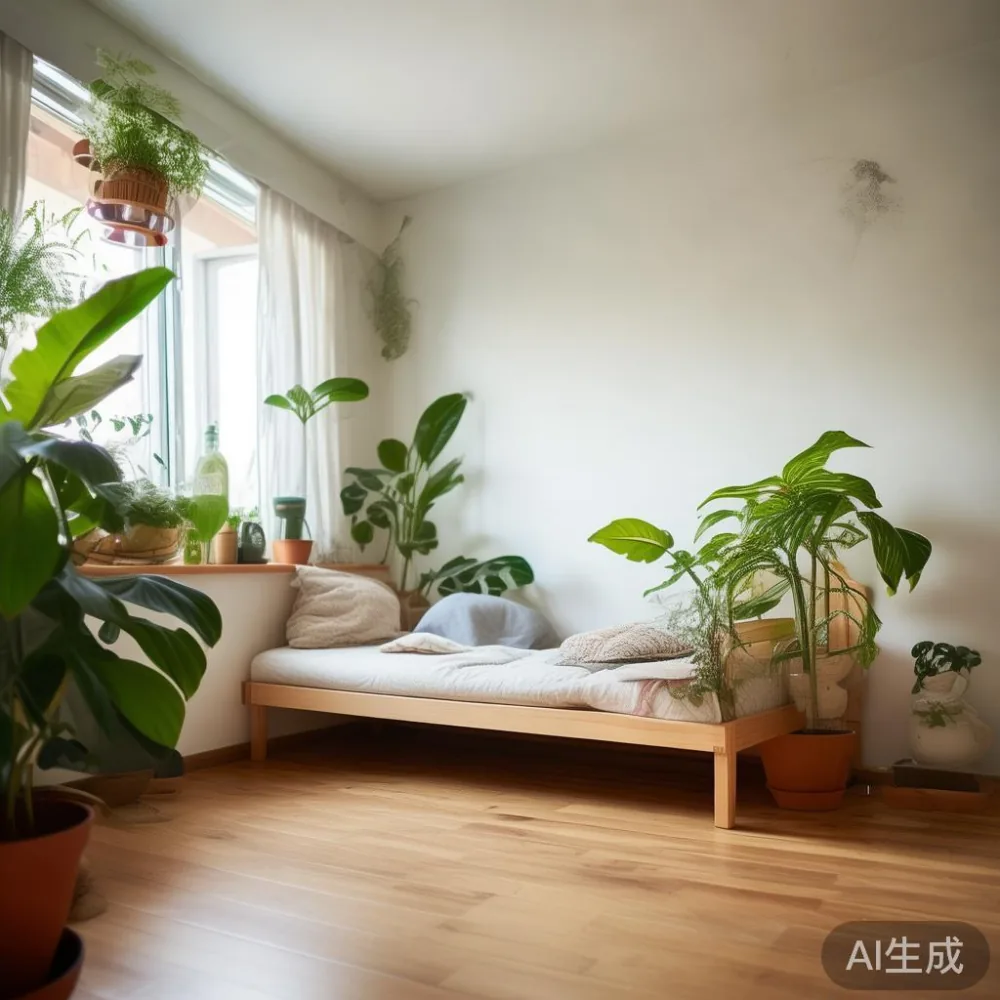
MIDHILL makes solid wood furniture for customers across 15+ countries, with a 10-year structural warranty, lifetime refinishing, 14-day returns, and free shipping over US$350. Its Singapore pricing and delivery arrangements still need to be confirmed for each order, including GST, lift access, and delivery days. This guide focuses on the checks that should happen before payment, with particular attention to Tampines, Bedok, Punggol apartments, and family homes where a kids bed and other furniture are being coordinated.
What should you check before buying a decorative sofa?
Start with the function. Decide whether the piece is for sitting, displaying, holding books, supporting a tray, or creating a visual focal point. If it is not designed for adults to sit on, do not let showroom styling obscure that fact. Check the seat height, seat depth, back height, arm height, load capacity, and whether the cushions are fixed. A display sofa may have a flat top, narrow arms, a low seat, or a loose decorative cushion; those features can make sitting uncomfortable or unsafe.
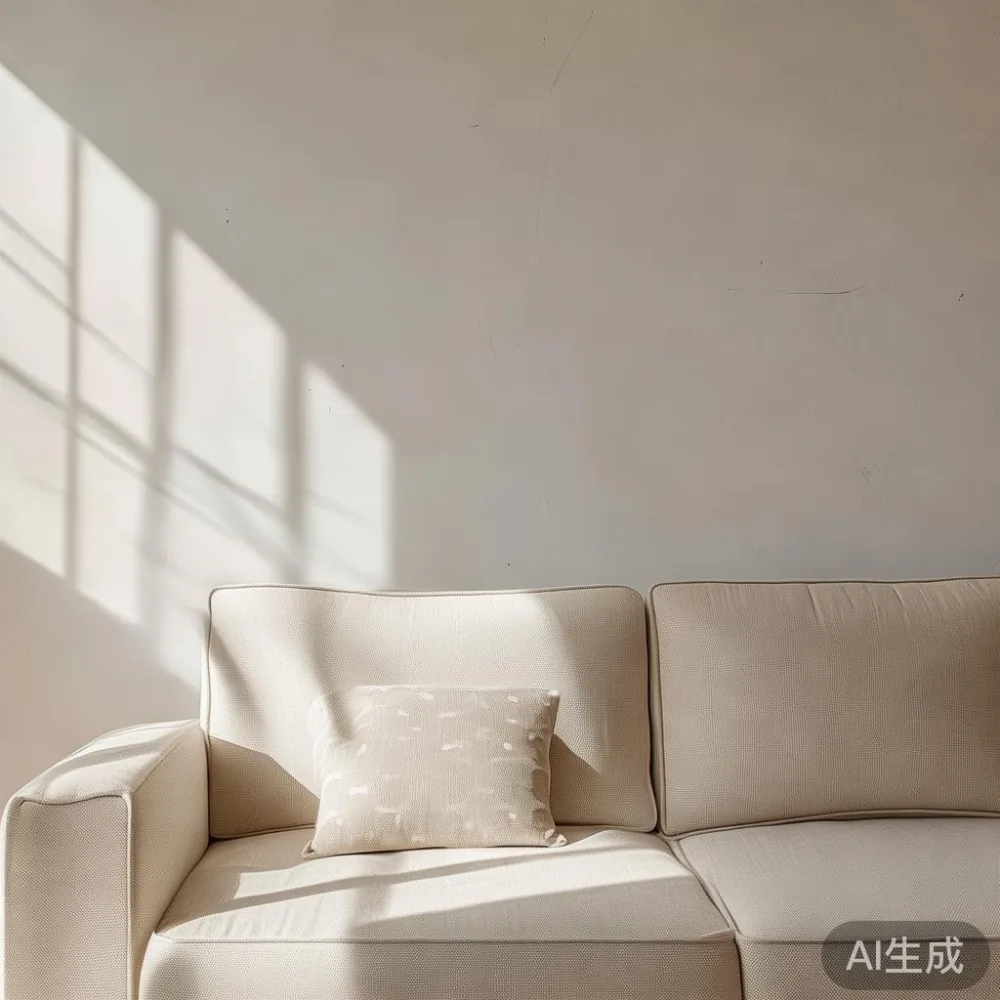
Measure the intended location, not just the sofa. Leave at least 90 cm for a primary walkway, 60 cm for secondary circulation, and about 30 cm between a seat and a wall for basic access. A larger living room may allow 1.2 m in front of the sofa for a coffee table and circulation. In a compact HDB living room, a 180–220 cm sofa may work better than a 240 cm model, while a 120–150 cm loveseat can serve a corner without blocking the television console.
Ask for the full product dimensions and package dimensions. A sofa measuring 160 cm wide may arrive in a carton 175 cm long and 75 cm deep. If the carton is longer than the lift door, diagonal lift measurement, landing, or corridor turn, the delivery team may need to unpack or carry it through another route. The cost and time of that work should be agreed in writing.
Will a sofa fit through my HDB flat, condo, or corridor?
Singapore access planning needs more than a tape measure. For HDB flats and many older condos, common lift openings are approximately 80–90 cm wide and 200–210 cm high, although actual dimensions vary by block and lift car. Measure the lift door, internal lift depth, hallway width, and the tightest corner or staircase turn. For a modern landed property, check the porch, gate, main door, and any narrow internal passage rather than assuming the living room is the only issue.
Compare the packaged sofa with the narrowest point in the route. A box wider than 90 cm may still enter a diagonal lift if the operator rotates it, but this depends on the carton shape and the lift interior. A wider solid wood sofa may be difficult to manoeuvre even when it can technically pass through the door. Ask the seller to provide the carton length, width, height, gross weight, and number of packed pieces. A 65 kg sofa may need two people and a trolley; a 110 kg solid wood sofa may require three or more.
For Punggol, Tampines, and Bedok, photograph the route and share it with the supplier if measurement is uncertain. Check whether the building has a loading bay, whether the lift can be reserved, and whether parking is close enough for the delivery vehicle. Confirm the delivery window in days, not just a vague “next week.” A 7–14-day production period may be followed by a 3–7-day local delivery slot, depending on stock and location. Add GST at 9% when calculating the final SGD amount.
Measure the sofa’s actual position too. Leave 5–10 cm from walls where doors, skirting boards, sockets, or furniture legs need clearance. If a sofa bed opens, test the extension into the room. If the piece is paired with a kids bed, make sure the sofa does not block the bed drawer, a child’s climbing path, or a nightstand with a 45–60 cm-wide top.
How do I check the frame, cushions, and finish?
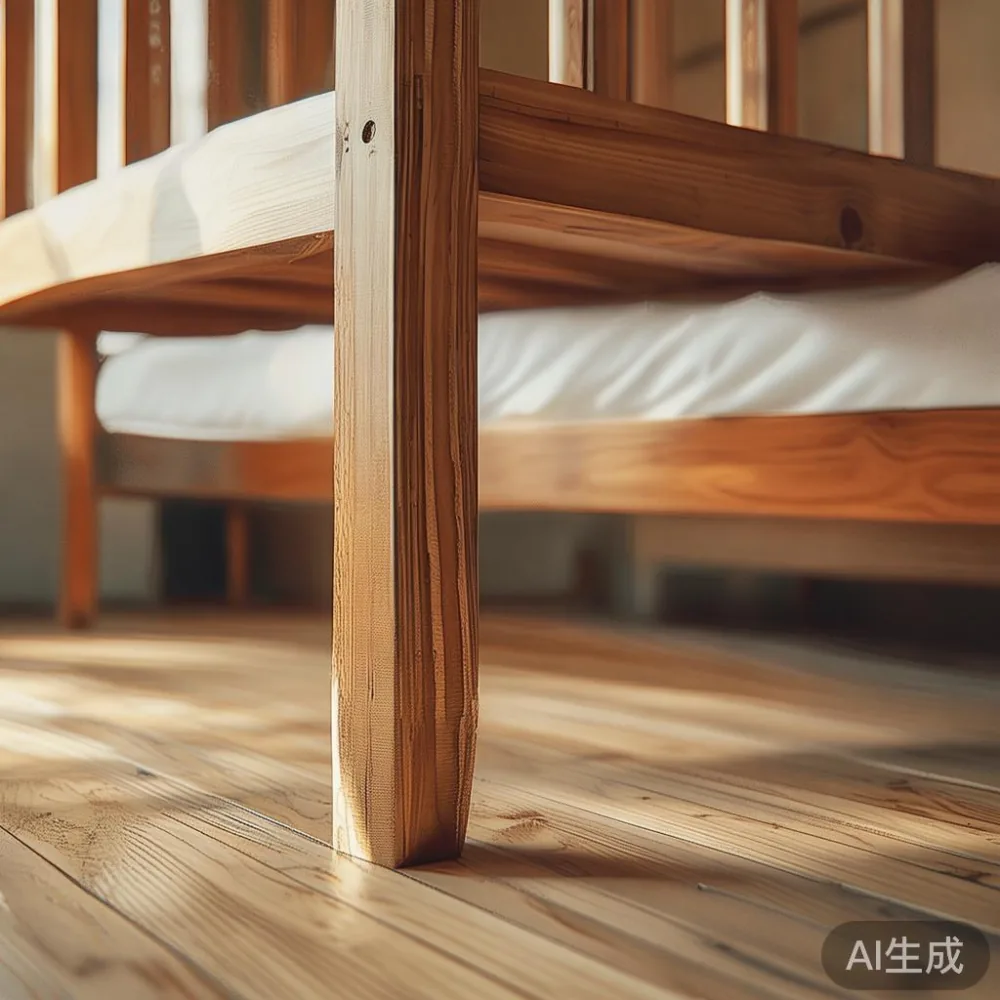
For a solid wood sofa, inspect the frame and joints rather than relying only on the upholstery colour. Look for kiln-dried hardwood, dowelled or mortise-and-tenon joints, even gaps, and a stable base. The load rating should be stated if the sofa is intended for routine use. A decorative sofa should clearly state that it is not for sitting, while a family sofa should provide a meaningful weight limit and warranty information.
Check the seat construction. A fixed bench may be more stable than loose cushions, but it should still have enough depth and support for the intended user. High-density foam around 35–45 kg/m³ can provide a firmer everyday feel, while softer foam may suit a lounge position. If the sofa is primarily visual, confirm whether the cushions are included, removable, or optional. Ask for the dimensions of the backrest and armrests, and sit on every available position before approving the order.
Finish quality matters in Singapore’s humid environment. Look for even coating, sealed edges, and a finish that can be maintained with a damp cloth and gentle cleaner. Avoid placing a solid wood piece directly against a damp wall. Allow roughly 10–15 cm of ventilation where possible. For a child’s room, check that corners are rounded, edges are sanded, and no small fasteners or decorative parts can be removed. The product should comply with applicable safety requirements for its intended use, and the supplier should provide documentation rather than vague assurances.
Is a display sofa better than a small functional sofa?
For a compact Singapore room, a display sofa can be useful when the priority is visual composition rather than seating. It may be placed at the end of a study, beside a console, or under a window. The trade-off is clear: you may give up comfortable seating, easy cleaning, and the ability to stretch out. A 140–160 cm display sofa may suit that purpose; a 200 cm sofa with deep cushions is more useful for a family room if space permits.
Consider the room’s proportions. In an HDB living room measuring approximately 3.2 m by 4.5 m, a sofa around 180–210 cm can leave space for a dining table and circulation. In a studio or smaller bedroom, a 110–140 cm piece may be more sensible. In a child’s bedroom, a low display bench can provide a landing zone, but it should not be mistaken for a place for an adult to sleep or sit for long periods.
Think about the broader furniture plan. A kids bed often determines the room’s circulation, while a bed frame, dining table, wardrobe, nightstand, or marble table adds fixed dimensions. Use a floor plan with measurements before buying a decorative piece. A sofa that looks balanced in a showroom can make a 9 m² bedroom feel crowded, especially when its legs project into a walkway or its carton blocks the main door during delivery.
What are the delivery, warranty, and return details?
Get the commercial terms in writing. Confirm the price in SGD, GST treatment, delivery charge, delivery days, installation, and whether the item is assembled or delivered flat-packed. A 10-year structural warranty is useful only if the scope is clear: check whether it covers frame failure, joint loosening, and manufacturing defects, and what documentation is required. Lifetime refinishing may apply to eligible solid wood surfaces; ask whether scratches, water marks, and ordinary wear are excluded.
Read the 14-day return policy with the same care. Confirm whether returns apply to made-to-order items, custom upholstery, display pieces, and items already delivered. Ask whether the original packaging, assembly, and return transport costs are required. For a bulky sofa, a return can be more complicated than a small nightstand. A written specification protects both sides.
MIDHILL’s 10-year structural warranty, lifetime refinishing, and 14-day returns are useful points to compare when evaluating a solid wood sofa, but the exact product terms should be confirmed before purchase. Request photographs of the actual finish, a sample of the fabric if available, and a scaled drawing with dimensions. If the item is not stock, ask for a production update every 5–7 days and a revised delivery estimate if there is a delay.
Can a sofa be styled for a child’s bedroom without becoming impractical?
Yes, if the sofa is proportioned to the room and the styling supports the family’s daily needs. A French light luxury direction may use pale upholstery, curved arms, and a slim profile; an American light luxury direction may pair a clean-lined solid wood sofa with warmer, more generous proportions. Post-modern light luxury can combine restrained shapes with one distinctive detail, such as a sculptural frame or contrasting cushion.
Search “how to style French provincial sofa in bedroom” when you want a decorative reference, but adapt the idea to a children’s space. Avoid a sofa with a high centre or unstable loose cushions where a child may climb. Keep a clear 60 cm path from the door to the kids bed, and leave the sofa’s front accessible if adults need to sit. A small rug extending 20–30 cm beyond the sofa can visually connect the seating area without overwhelming the room.
Coordinate the children’s furniture carefully. A low kids bed, a 50–60 cm nightstand, and a compact sofa can form a comfortable room, but the scale should still leave at least 60 cm for movement. If the bed has drawers, check that they open without meeting the sofa or a wardrobe door. If the room also contains a dining table, consider whether it is a study surface rather than a second full dining zone; a 90–120 cm table may be more realistic in a compact apartment.
How do I compare a sofa with other beds and furniture?
Choose the primary use before comparing styles. A guest-room sofa may need to accommodate a visitor, while a decorative sofa needs only to support the room’s composition. A kids bed must meet the child’s age, height, and sleeping needs, with guardrails or a low profile where appropriate. A bed frame should be checked for stability, mattress clearance, and access from both sides. A dining table needs at least 60 cm of clearance per chair, and a wardrobe needs space for hinged or sliding doors to open.
Questions such as “how to choose American bed” and “how to choose European bed” are useful starting points for comparing proportions, but local access matters as much as appearance. When considering “is Italian light luxury bed worth it,” look at the frame, finish, warranty, and delivery terms instead of the label alone. For a secondary room, “Scandinavian for guest room” may suit a light, uncluttered layout with a narrow bed frame and a modest sofa.
Also compare “Japanese bed vs French provincial bed” as a question of visual language and space: one may favour simplicity and compactness, while the other introduces curves and decorative detail. The right choice depends on the room, not nationality. A marble table may add a refined surface beside a solid wood sofa, but it is heavier, more difficult to reposition, and less forgiving of children’s daily use than a small wood side table.
What should I ask before I pay?
Ask the seller to confirm: the unpacked dimensions; packaged dimensions; gross weight; frame material; cushion type; finish; load rating; assembly method; delivery days; delivery charge; GST; warranty scope; return conditions; and the exact colour or grain variation. For a sofa that cannot be sat on, request a clear statement of its intended use. If that statement is missing, the piece may be an incomplete product rather than a deliberate design.
Before the delivery day, clear the route, reserve the lift, protect floors, and have a second person available if the sofa weighs more than 50–60 kg. Inspect the package on arrival. Photograph damage before assembly, check the corners and joints, and confirm that all listed parts are present. Do not accept a substitute finish or a different size without agreeing on the revised price and warranty.
The final decision should be simple: the sofa should have a clear purpose, fit the measured route, suit the room’s proportions, and come with terms you understand. In a Singapore home, thoughtful measurements often matter more than a dramatic showroom impression. A well-chosen solid wood sofa can be graceful and useful; a poorly checked one can block a corridor, exceed the lift, and fail to serve anyone sitting in it.