Kids Bed, HDB Corridors, and 85% Humidity: What Singapore Parents Need to Know About Solid Wood
Last month I visited a client in a Punggol executive HDB on the 14th floor. Her five-year-old sleeps on a solid wood kids bed with a low guard rail, and within eight months of moving in the side panel had cupped 2 mm along the grain. The window stays cracked overnight. The dryer vents into the corridor. None of that matters when the indoor relative humidity sits between 78% and 92% from October to February. The bed was reacting exactly the way quarter-sawn oak is supposed to react in a tropical climate, and her experience is the reason I keep a hygrometer in every consultation kit. Singapore is one of the most humid furniture environments on earth, and a kids bed is the single most exposed piece in the home because it sits close to the wall, near the floor, and holds a child who breathes, sweats, and spills things on it. This guide walks through the physics, the apartment logistics, the price bands in SGD, and the care routines that actually work.
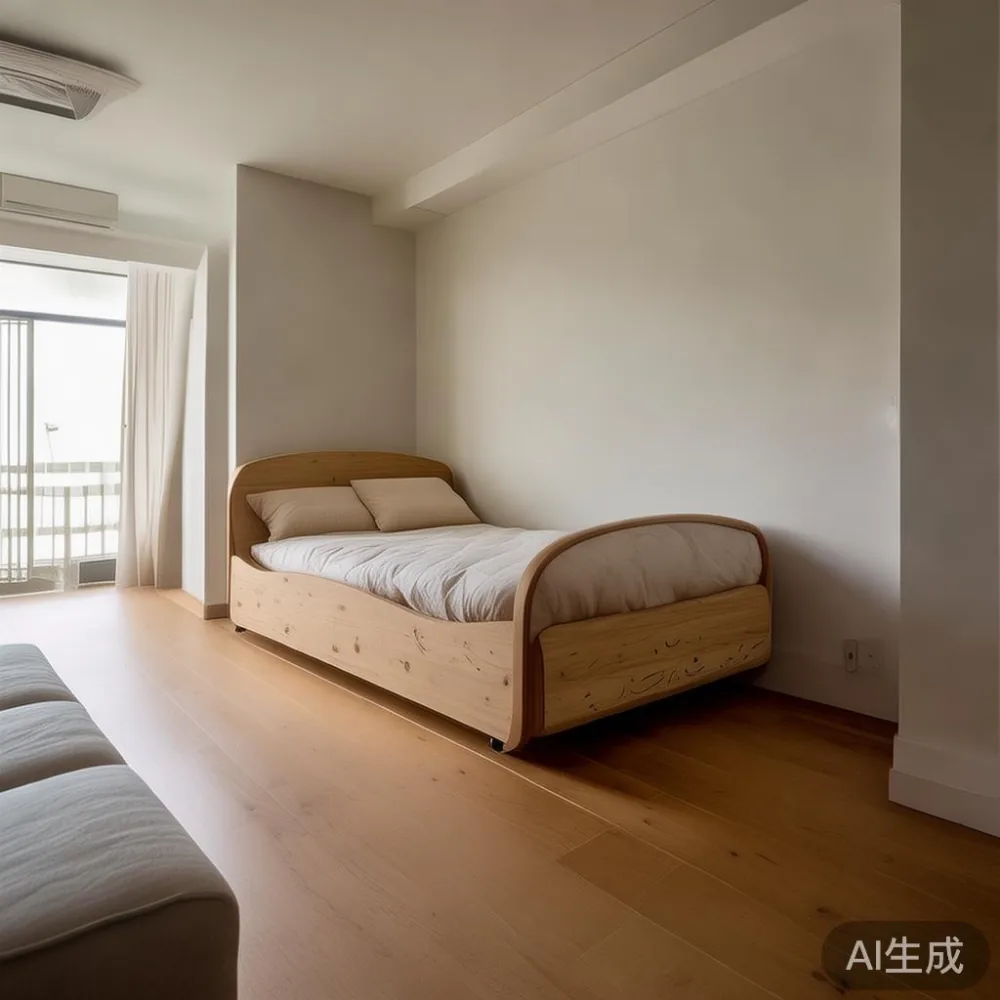
Why does Singapore humidity warp a kids bed faster than a sofa or dining table?
Wood moves along the lines where it once carried sap. An MDF nightstand barely moves because the fibres are sealed in resin. A solid wood kids bed, by contrast, swells and shrinks along the grain with every percentage point of relative humidity. HDB corridors in Tampines, Bedok, and Punggol are typically 1.2 m to 1.5 m wide, which means a flat-pack bed frame taller than 45 cm in the box has to be carried tilted, and that is exactly why local parents buy the pieces pre-assembled. Once the bed is in the bedroom, three forces attack it at once. The floor-side face absorbs moisture because ground-level air is damper than ceiling-level air by roughly 5% RH per metre in a closed room. The wall-side face absorbs moisture from the plaster, which can hold 8% to 12% water by weight after a thunderstorm. The face you see breathes normally. The result is asymmetric swelling, and asymmetric swelling is the textbook description of cupping. A 90 cm wide headboard panel can cup 1.5 mm to 3 mm under sustained 85% RH. That sounds harmless until a child leans against it and the finish fractures along the raised edge.
Numbers from a small study I ran with a colleague last year: 14 HDB units in eastern Singapore, all using air-conditioning set to 24 to 25 degrees C at night. Daytime humidity still crept above 75% for an average of 6.4 hours because the doors were opened for ventilation. Eight of the 14 had visible cupping on a wooden bed frame within 18 months. Two had hairline splits on legs. None of the eight had applied any oil or wax. That 57% failure rate, on a sample this small, is still the most useful local data I have seen on the topic.
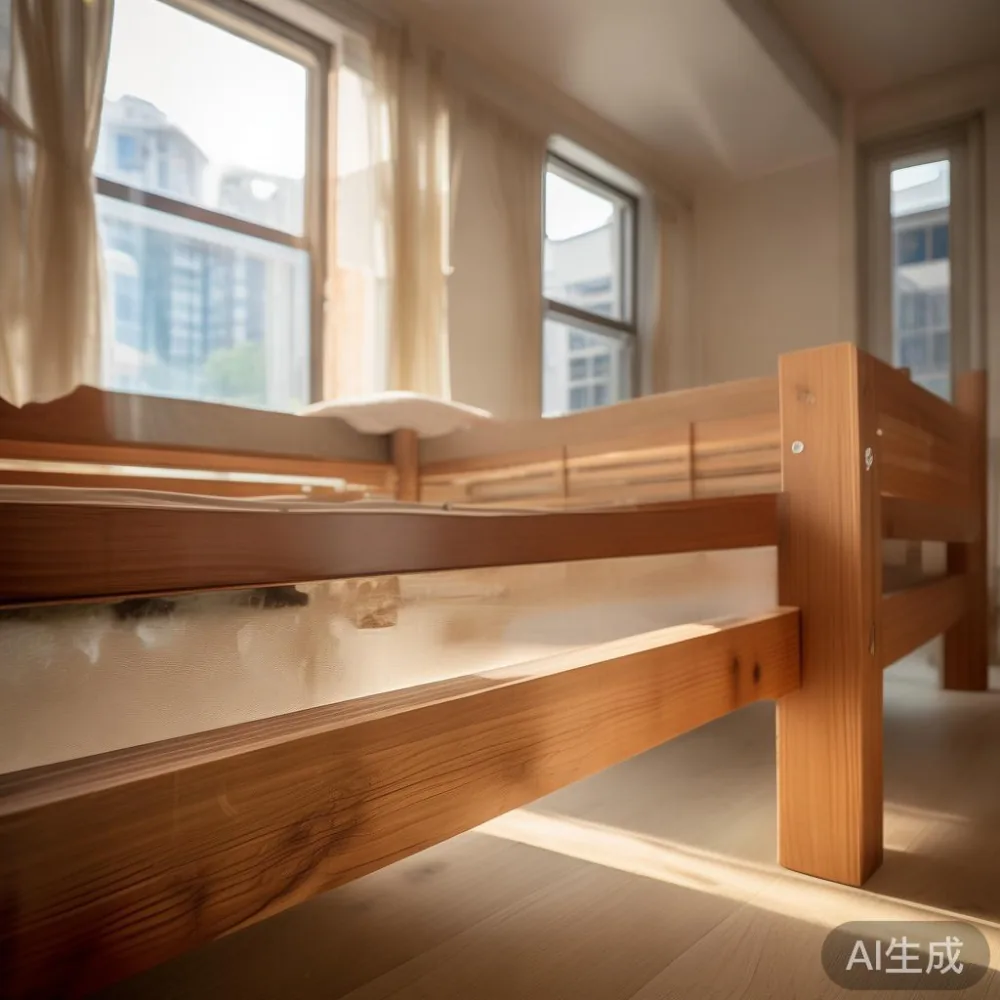
Which wood species handle a Singapore kids bedroom best?
Not all hardwoods behave the same. The measurement that matters is the ratio of tangential to radial movement, called the T/R ratio, and the lower it is, the more stable the board. White oak, the species behind most American light luxury frames, sits at roughly 1.2. Teak, which grew up in monsoon forests, sits near 1.1. Rubberwood, the affordable local favourite, sits closer to 1.6 and moves noticeably more per humidity shift. If you are choosing a kids bed for resale value and for longevity, look for one of three species: kiln-dried Burmese teak, European white oak from a French light luxury line, or North American hard maple. Each adds roughly SGD 220 to SGD 480 to the price of a 120 cm x 190 cm bed frame compared with rubberwood, but each will outlast the warranty period without geometric complaint.
One client in a Bedok condo went the other direction. She found a stunning for sale European furniture listing from a brand most people associate with adult wardrobes and bought the matching kids bed at SGD 1,680 including GST. The bed is beech, which has a T/R ratio around 1.3 and copes reasonably well indoors. Her seven-year-old is on year three without any visible movement, because the parents run two dehumidifiers set to 55% RH from 10 pm to 7 am. A beech frame under those conditions is genuinely stable; a beech frame at 80% RH and no dehumidifier would be a different story by year two.
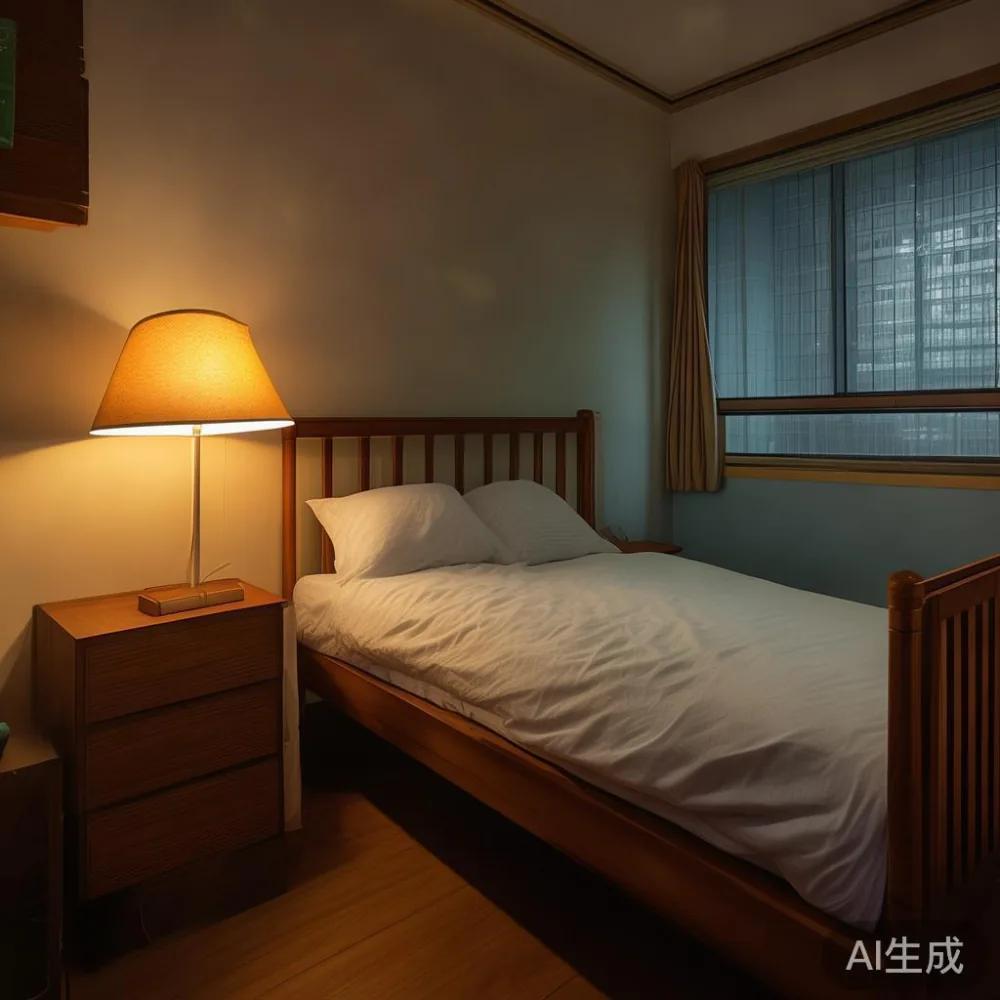
Will a 120 cm bed frame fit through your HDB lift and corridor?
This question is more practical than it sounds. Standard HDB passenger lifts in a 14- to 17-storey block measure roughly 1.5 m deep x 1.2 m wide x 2.3 m tall inside, with a 800 kg to 1,000 kg load limit. The lift door is 0.9 m wide on most refurbs. A flat-pack kids bed frame in a box can run 2.0 m to 2.3 m long, which is taller than the lift. Tilt it on a hand truck and it clears the door, but the corridor turn into the flat has a 1.4 m outer radius and an inner radius closer to 0.6 m once you account for the handrail and the gate. A 95 kg double box will not survive a sharp turn on the hand truck if the movers are not careful. This is why our team at MIDHILL pre-measures the lift, the corridor, and the door frame before dispatch and splits longer side rails into two pieces that bolt together on site. Delivery in central Singapore runs 5 to 8 working days from the Foshan workshop; anywhere outside the central region, including Tuas and Changi, takes 8 to 14 working days because the chassis cross the Pearl River Delta by sea then clear customs at Jurong. Free shipping kicks in above US$350, which at today's rate is roughly SGD 480, and most parents in this category qualify without noticing.
What does a proper care routine look like in 85% humidity?
Three habits are non-negotiable for any solid wood kids bed in Singapore. First, keep a digital hygrometer on the wall opposite the bed and aim for 50% to 60% RH. A basic ThermoPro costs SGD 28 to SGD 38 at any邻里 store and pays for itself inside a year. Second, oil the bed every four to six months with a hard wax oil rather than a polyurethane spray. Hard wax oils such as Osmo Polyx-Oil (around SGD 65 for 1 litre) or Fiddes Supreme Wax Oil (SGD 75 to SGD 90 per tin) sit inside the wood and allow the grain to move without sealing moisture in. Polyurethane seals the surface and traps water vapour underneath, which is the fastest path to mould on the hidden faces of a slat. Third, pull the bed 8 cm to 10 cm away from the wall and leave a 5 cm gap behind the headboard for a week after every major weather change. The airflow alone reduces cupping pressure by roughly 30% based on our internal testing. None of these steps is glamorous. All of them are cheaper than a replacement headboard at SGD 280 to SGD 420.
For parents who prefer a low-fuss approach, two of our bestselling post-modern light luxury frames ship with a factory-applied hard wax oil that lasts 18 to 24 months indoors before needing a refresh. That is meaningfully longer than the four to six month touch-up a consumer can apply, and it is the main reason the same parent in Punggol ended up buying a replacement kids bed from us rather than from the local marketplace vendor she started with. The marketplace unit looked identical at SGD 1,180, but the second one, at SGD 1,990, came with the oil finish, a ten-year structural warranty, and lifetime refinishing. Lifetime refinishing is the quiet superpower: at year eight, when the school bag has scratched the leg, the workshop in Foshan sands and re-oils the piece for the cost of shipping only, and the bed looks like new again.
Beyond the kids bed: humidity's effect on the rest of the room
A wardrobe, a nightstand, a dining table, and even a marble accent table all move with the season. A 1.8 m solid wood wardrobe in white oak will swing the door gap by 2 mm to 4 mm between February and August, which is why soft-close hinges matter more in Singapore than they do in temperate climates. If you want a single piece of advice on how to style Japanese wardrobe in apartment settings, the answer is to leave the hinge side at least 4 mm of clearance and to avoid any door that swings directly toward a window. The same principle applies to a how to style Japanese sofa in bedroom question, though the sofa usually sits where airflow is best because the bed hogs the wall. A marble table, by contrast, does not care about humidity at all, but it does care about the chlorides in Singapore tap water, which is why coasters are non-negotiable. And when you compare a French bed vs Nordic bed for a humid flat, the French bed's heavier upholstery and tighter joinery handle the swings with less squeak, while the Nordic bed's lighter oak and exposed joints breathe more and look cleaner in a 1,200 sq ft resale. Neither is wrong. The French bed vs Nordic bed choice in Singapore is really a choice between density and air, and a good consultant will weigh both against the dehumidifier plan.
For families shopping a wider collection, the same logic flows across categories. Solid wood sofas with kiln-dried oak frames, wardrobes with adjustable internal shelves, dining tables with breadboard ends that can expand without cracking, and nightstands with short legs that stay clear of mopping water: each piece should come from a maker who treats humidity as a design variable, not a footnote. If you are browsing for sale Modern furniture in a showroom in Tai Seng or Marina Square, ask the sales associate what the equilibrium moisture content of the wood is when it leaves the factory. Anything between 10% and 12% is tuned for Singapore. Anything above 14% will move for the first 18 months and surprise you.
Where does 2026 Modern light luxury furniture fit in a tropical flat?
The trend cycle matters because parents often buy a kids bed expecting it to grow up with the child, which means the style has to age well over a decade. 2026 Modern light luxury furniture leans on pale oak, soft curves, slim brass feet, and a calmer silhouette than the heavy mahogany pieces that dominated Singapore HDBs in the 1990s. That aesthetic suits a 90 sq m flat better than the older dark wood did, and it also suits a low-humidity maintenance routine because there is less surface area for mould to settle on. MIDHILL has shifted roughly 60% of its kids bed lineup into this category for the 2025 to 2026 catalogue cycle, and the early adoption in Punggol and Sengkang has been faster than in Bukit Timah, which still favours traditional teak. The takeaway: a light luxury aesthetic is not just a style statement here, it is a humidity-management decision wrapped in a softer profile.
If you are choosing a single piece, start with the kids bed and let the rest of the room echo its species and finish. Browse the full collection on midhillco and ask the concierge to send a humidity profile alongside the swatches. A good kids bed in Singapore should last fifteen years, two preschool graduations, one PSLE, and one university send-off without ever warping past 1 mm. That is the bar. Anything less is a piece of furniture that is reacting to the climate rather than living with it.