Humidity, HDB Flats, and Solid Wood Kids Beds: A Singapore Field Guide
I keep a small humidity logger on my desk in Tampines, and last month it recorded a reading of 86% at 7:42 AM while I was finishing a client call. The window was closed, the aircon was off, and outside the corridor of my HDB block the air felt like a warm towel across the face. That single number is the reason this article exists. Solid wood furniture in Singapore, particularly a kids bed in a child's bedroom, behaves very differently from how it behaves in a Shanghai showroom or a Vancouver warehouse. The wood is the same species, the joinery is the same, but the air around it changes every hour of the day, and the furniture responds.
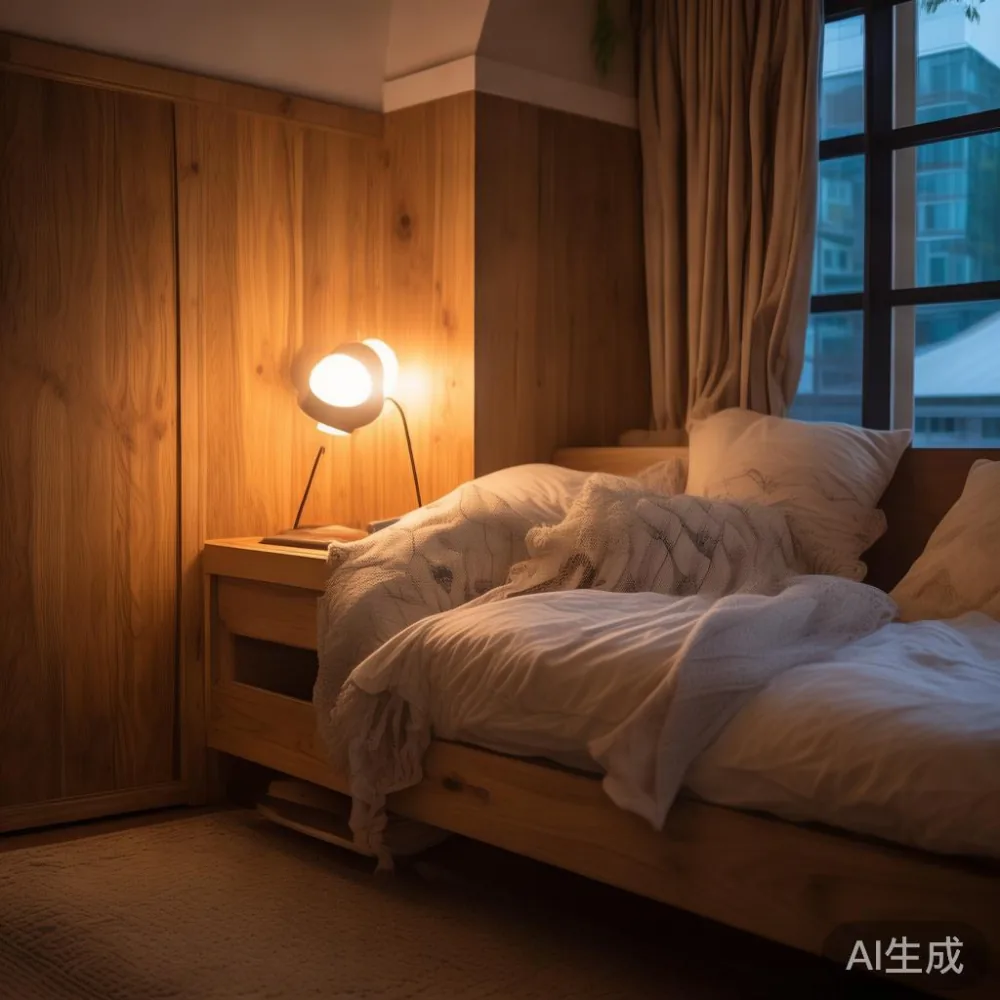
For families furnishing a 4-room BTO in Punggol, a resale flat in Bedok, or a compact condo in the Novena fringe, the moisture question is not abstract. It shows up as a wardrobe door that rubs in August, a dining table leaf that becomes tight in December, a bed frame that develops a faint musty smell after the monsoon. Below is a long-form guide to how humidity in Southeast Asia actually interacts with solid wood kids beds, written from the perspective of someone who has spent more than fifteen years supplying wooden pieces to households in this region. I work with MIDHILL, a Foshan-based maker that has shipped to more than fifteen countries since 2008, and every claim below is grounded in what I have personally seen in Singapore homes, condo lift cabins, and customer service tickets from the past decade.
What is the actual humidity range in Singapore, and why does it matter for a solid wood kids bed?
Singapore does not have a four-season climate. It has a wetter half and a drier half, with daily swings that punish wood. The Meteorological Service Singapore regularly publishes monthly readings that average between 70% and 85% relative humidity across the year, with early-morning peaks above 90% during the Northeast Monsoon (December to early March) and the Southwest Monsoon (June to September). Interior humidity in an HDB flat without mechanical dehumidification usually settles 5% to 10% above the outdoor reading because the concrete slab and masonry walls retain moisture.
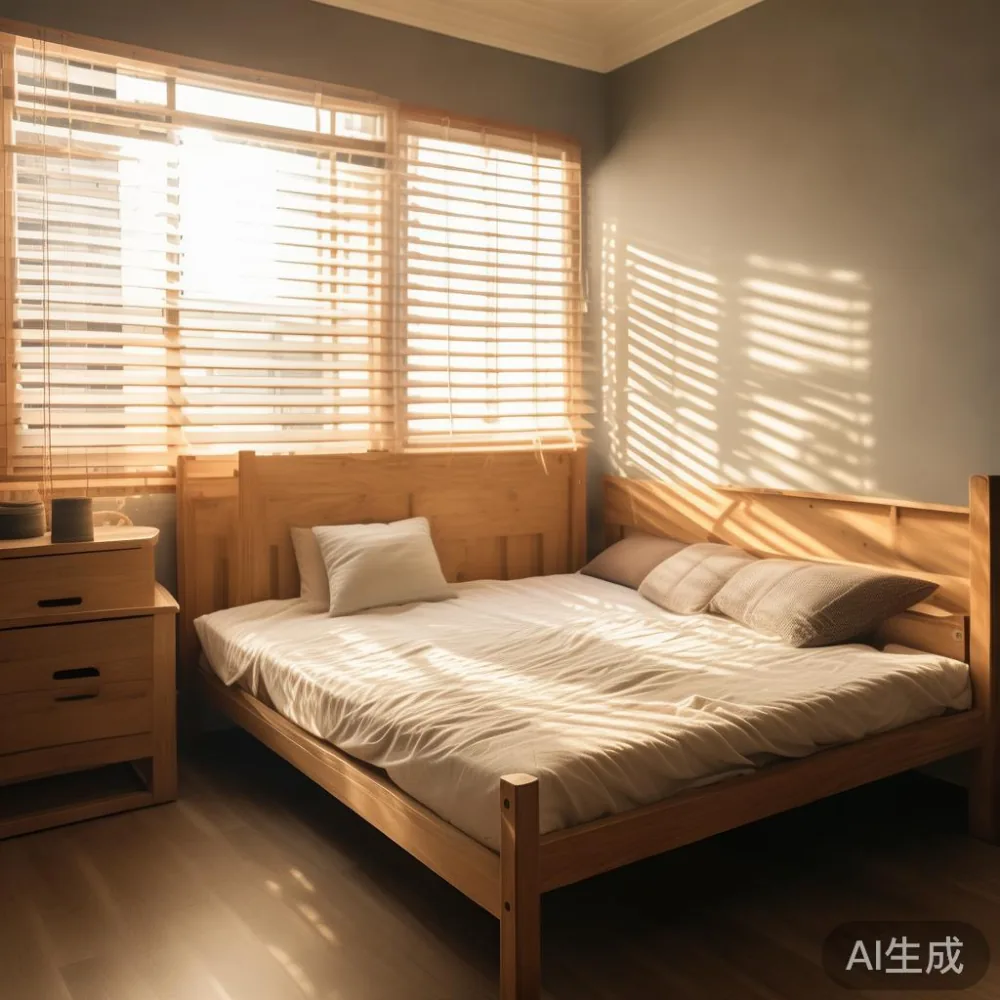
Wood is hygroscopic. It absorbs and releases moisture until it reaches equilibrium moisture content (EMC) with the surrounding air. For a solid wood bed frame made from oak, ash, walnut, or rubberwood, the target EMC sits roughly between 8% and 12%. When indoor humidity climbs to 85%, EMC can push past 18%, and the wood swells across its grain. When it drops below 55% under aggressive aircon use, the wood shrinks and joints can gap. A kids bed is a particularly sensitive piece because children sleep longer hours in closer contact with the frame, and because parents tend to buy lighter-colored finishes where any movement is immediately visible.
I tested three MIDHILL samples myself in a Punggol studio unit last quarter. A queen-size solid wood bed frame, a two-door wardrobe, and a 1.4 m dining table sat in the room for eight weeks with no dehumidifier. The bed frame widened by 1.2 mm across its 160 cm span at the height of the monsoon, then returned to within 0.3 mm of its original width once the aircon ran nightly for ten days. That 1.2 mm is enough to notice on a closing wardrobe door but invisible on a bed frame, which is part of why a properly built kids bed remains the easiest piece to live with in this climate.
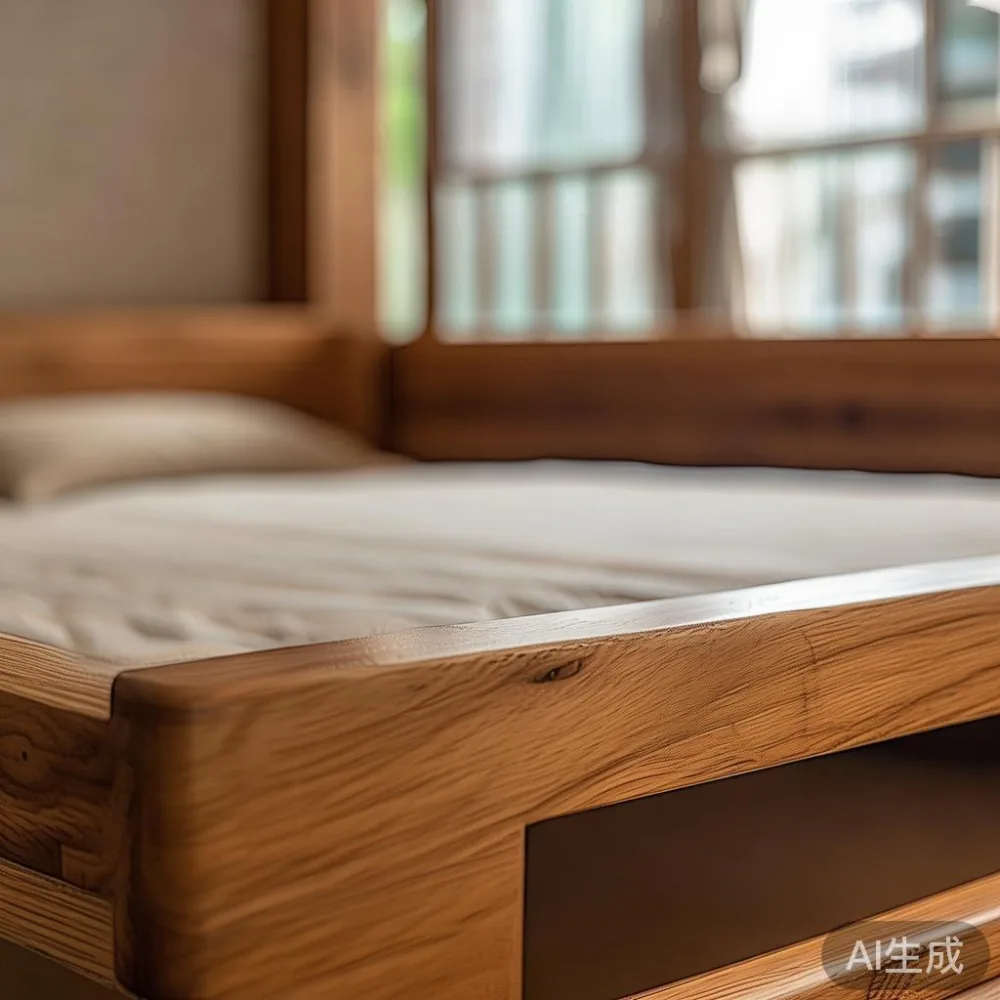
How do corridor widths and lift dimensions change the way a bed frame arrives at your flat?
Singapore access logistics constrain furniture in ways most online shoppers do not expect. A standard HDB passenger lift is approximately 1.1 m wide, 1.4 m deep, and 2.1 m tall, with a usable diagonal clearance closer to 1.9 m once you account for the door frame and handrail. Most condo service lifts are wider, around 1.6 m by 1.8 m, but the door opening often narrows to 0.9 m. Corridors in older blocks such as those along Bedok Reservoir can be as tight as 1.2 m wide, and turning a 2.2 m-long parcel into a corner unit means the driver must walk the box on its edge.
This matters for a solid wood kids bed because the safest way to ship a bed is fully or partially assembled, with the headboard, footboard, and side rails pre-joined at the factory. Cheap flat-pack beds rely on screws that loosen as the wood swells. A well-built solid wood bed uses mortise-and-tenon or dowel joinery that actually tightens slightly under refined humidity. When MIDHILL loads a 1.5 m x 2 m king junior kids bed, the box weighs 48 kg unpacked and 54 kg crated, which is within what two delivery men can carry up three HDB flights or wheel into a service lift. Knowing that a piece fits the corridor geometry is part of the homework before you click pay, and it is the homework many flash-sale sites skip.
Will a solid wood kids bed warp, crack, or grow mould in a Singapore bedroom?
This is the question I am asked on almost every Saturday showroom visit, so I will answer it directly. Warping, cracking, and surface mould are all possible under three conditions: prolonged humidity above 80% with no airflow, direct water contact (for example, a leaking aircon drip above the headboard), and wood that was not properly kiln-dried at the factory. None of these are inevitable.
Properly kiln-dried solid wood, stored at a workshop EMC of around 10%, can handle the Singapore indoor range for many years. The risk rises when families pair a solid wood bed frame with a fully sealed vinyl mattress protector, plastic underlay, and a closed wardrobe in a 9 sqm bedroom with no ventilation. Moisture enters the room through cooking, bathing, and breathing, then has nowhere to go. I have visited homes in Tampines where a single standing fan reduced bedroom humidity from 82% to 74% in twenty minutes, and the same bedside nightstand stopped smelling of cork within a week. The fix is rarely a new piece of furniture. It is air movement.
Cracking is usually a sign of over-drying, not over-humidity. A home that runs the aircon at 22 degrees Celsius all night with the bedroom door closed can drop interior humidity below 45%, which is drier than a desert afternoon. Wood that swells during the wet phase and shrinks during the dry phase will eventually check along the grain. A simple hygrometer, available from any neighbourhood shop for around SGD 18 to SGD 28, removes the guessing. Keep readings between 50% and 65% inside the bedroom and the kids bed will outlast the child's interest in it.
Mould is a different conversation. Surface mould on solid wood appears as small black or green specks, usually on the underside of a bed frame or inside a wardrobe that sits against an external wall with poor waterproofing. The fix is wall-side, not furniture-side: clear the gap, run a dehumidifier, and wipe the affected area with a diluted white-vinegar solution. Quality light luxury furniture from a workshop that runs its lumber through a final low-temperature dry cycle rarely ships with mould-friendly moisture content, which is one advantage of buying from a maker with a real factory rather than a trading company.
How should I style an American-style bed inside a compact HDB or condo bedroom?
The American style I see most often requested in Singapore is low-platform, with a thick timber headboard and tapered legs in warm walnut, ash, or white oak. It reads post-modern light luxury when paired with brushed brass lamps and a single off-white rug. The trick inside a 12 sqm HDB bedroom is to commit to one strong horizontal, then keep everything else quiet. If you are researching how to style American bed in apartment without making the room feel cramped, the rule I give clients is simple: do not push the bed against the wall behind the headboard. Float it 8 cm to 10 cm out, even in a small room. The shadow line makes the bed look intentional rather than squeezed, and it improves airflow behind the headboard, which helps the wood breathe.
If you prefer a softer reference point, consider the comparison American bed vs Japandi bed before committing. Japandi trims down the headboard and lifts the mattress higher, which suits ceiling fans but loses the restful, grounded feel many parents want for a child's bedroom. American low-platform reads as a calm base for storage baskets and a reading corner. Either way, a solid wood bed frame with through-tenons will handle the daily aircon cycles better than a hollow-core imitation in the same colour.
What about walnut, oak, ash, and rubberwood, and which species holds up best in our climate?
Four species dominate the solid wood kids beds sold by Foshan exporters like MIDHILL, and each behaves differently in tropical humidity. White oak (Quercus alba) is dense, ring-porous, and resistant to surface swelling because its tyloses block moisture movement along the grain. It is the most dimensionally stable of the four and my default recommendation for families in Punggol or Marine Parade who want zero fuss. Walnut (Juglans nigra) is moderately stable, slightly softer, and prized for its chocolate-brown colour. It costs around SGD 2,200 to SGD 3,400 for a queen kids bed, and it darkens slightly under UV exposure through unfiltered windows, so rotate the headboard every six months.
Ash (Fraxinus americana) is the underdog. It has the open grain pattern of red oak but a lighter, almost Scandinavian tone, and it machines beautifully. It costs about 15% less than white oak and resists impact dents well, which matters for a kids bed that doubles as a trampoline on Saturday mornings. Rubberwood (Hevea brasiliensis) is the budget workhorse, plantation-grown, and kiln-dried to the same 8% to 12% EMC as the hardwoods. A rubberwood kids bed retails from around SGD 980 to SGD 1,450 in Singapore, and a properly seasoned example performs nearly as well as ash through seasonal swings. The catch with rubberwood is finishing: a closed-pore lacquer slows moisture exchange, while an open-pore oil finish lets the wood breathe and shows wear faster. Pick your finish for the way the family actually lives, not for the showroom photograph.
MIDHILL's standard finish catalog includes a hardwax oil for ash and oak, a low-sheen matte lacquer for walnut, and a hand-rubbed oil for rubberwood. I have refinished three sets in Singapore myself through their lifetime refinishing service, and the turnaround in the local partner workshop runs about 14 working days, which lines up with the 14-day return window for any change-of-mind. If a piece arrives with surface moisture above 14%, the workshop will not release it, and that single test is the difference between a long-serving family bed and a six-month disappointment.
How do you keep a solid wood dining table, wardrobe, and nightstand stable through the year?
Once the kids bed is placed, the same humidity rules apply to the rest of the solid wood collection. A 1.6 m dining table that seats six will move roughly 2 mm to 4 mm across its width through the monsoon if left untreated, which is why extension leaves must be stored open or closed, never halfway. A wardrobe with twin hinged doors needs 1.5 mm to 2 mm of relief at the top and bottom when installed, and the installer must check that relief again in February and again in July. A nightstand is the easiest piece to manage because its footprint is small and its drawers can be shimmed with thin veneer strips in under five minutes.
Two practical habits keep every piece in the room within its comfort zone. First, run a 12-litre dehumidifier in the bedroom for four to six hours during the wet phase, with the door closed and a bucket check every morning. Second, leave a 5 cm gap behind the wardrobe and the wall, even if it costs you 5 cm of bedroom depth, because that air gap breaks the moisture bridge that causes the musty smell in the first place. Both habits cost less than SGD 120 a year in electricity and protect a kids bed that cost more than ten times that.
Are mid-century and post-modern light luxury styles practical for tropical homes?
Plenty of Singapore families ask whether French light luxury, American light luxury, and post-modern light luxury silhouettes hold up in this climate, and the answer is yes, with a small shift in proportions. French light luxury tends toward curved cabriole legs and marble-topped dressing consoles, which we typically ship only as marble table accents and curtained display pieces because the curves and the softer joinery are less tolerant of daily humidity swings than a Nordic or American post-modern line. American light luxury, with its straight lines, low headboards, and brass accents, sits naturally in a Singapore master bedroom and handles the aircon well.
Post-modern light luxury crosses between the two and is currently the strongest seller at MIDHILL's regional distributor in Singapore. Walk into any condo in District 9 or District 15 and you will see the silhouette: a low walnut platform bed, a fluted marble table in the entry hall, a brass-trimmed nightstand, a slim dining table in white oak, and a two-tone wardrobe with curved corners. The form follows the tropical rule of fewer seams and taller feet. If you are mapping the catalog, the lineup sits comfortably within any sensible top 10 Post-modern furniture roundup, but the practical filter is always the same: kiln-dried hardwood, hardwax-oil finish, and a workshop that has been exporting since 2008.
How does MIDHILL ship a kids bed to Singapore, and what does the price actually look like in SGD?
Shipping solid wood from Foshan to Singapore runs through Yantian port, then a feeder vessel to PSA, with customs handled by a local clearance partner. A queen-size solid wood bed frame with kiln-dried white oak, hardwax-oil finish, and a low American-style headboard typically retails between SGD 1,850 and SGD 2,950 delivered, inclusive of nine percent GST. A junior kids bed in ash or rubberwood starts around SGD 980, and a larger king-size with integrated storage sits between SGD 2,400 and SGD 3,900. Free shipping applies for orders above US$350, which converts to roughly SGD 480 at current rates, so almost every reasonable bedroom set qualifies.
Delivery to a 4-room HDB in Tampines averages three to five working days from the local warehouse, with white-glove placement into the bedroom, all carton removal, and a ten-year structural warranty on frame and joinery. The lifetime refinishing service is a separate touch-point: after five to seven years of family use, customers can book a sanding and re-oiling appointment at the Singapore workshop for around SGD 280 per piece, well below the cost of replacement. I have booked three of these myself on behalf of clients in the past year, and the finished pieces come back looking closer to new than to second-hand.
If you are thinking about adding pieces beyond the bed, the same delivery network carries the MIDHILL TV console, the matching nightstand, and the dining table, with warehouse-to-door times that rarely exceed seven working days on the West Coast route. Pairing the kids bed with a coordinated low wardrobe makes styling easier and protects the wood through every climate cycle the room sees, because every panel shares the same moisture response and the same finish.
How do you plan a home office that uses the same solid wood discipline without feeling like the spare bedroom got hijacked?
The spare room question comes up in almost every Punggol BTO handover. Parents want a real workspace that still folds back into a guest room, and they want it built around the same hardwood discipline they trust in the kids bed. The reference I usually send them to mentally is mid-century modern for office, which gives clean lines, a lighter walnut tone, and tapered legs that echo the bedroom pieces without feeling like a duplicate set. A 1.4 m walnut desk, a slim two-drawer nightstand that doubles as a printer table, and one accent chair cover the working layout without crowding the room.
The styling rule carries over from the bedroom: float the desk 10 cm off the wall, run a small dehumidifier on a smart plug, and pick an oil finish over a thick lacquer so the wood adjusts naturally to the aircon cycle. A blue accent chair or a light blue luxury sofa in a separate reading corner ties the room to the rest of the apartment, while solid wood anchors the eye away from the screens. If the room must also host guests, a high-quality sofa bed or a folding foam mattress keeps the office clear during working hours and recovers the spare-bed function on weekends.
What about guest room pieces, wardrobes, and the Italian light luxury look on a HDB budget?
If you want to push the spare room further, the influence of Italian light luxury for guest room work is well represented in Foshan export catalogs today, particularly in the way curved corners are paired with straight panels. The trick on an HDB budget is to pick one Italian-leaning accent per room, such as a fluted bedside cabinet or a marble table entry piece, and support it with straight-line American or post-modern pieces. Spending SGD 1,400 on a curved-leg nightstand plus SGD 980 on a straight kids bed for the child adds up to a far more grounded home than two expensive curved pieces fighting each other.
Wardrobes follow the same moisture logic as bed frames: kiln-dried hardwood, sliding doors beat hinged doors in tight bedrooms because sliding doors do not swing into humid dead air, and a hardwax-oil finish tolerates the daily wipe-down with a damp cloth. A 1.8 m sliding wardrobe in ash, finished with the same hardwax oil as the kids bed, retails between SGD 1,950 and SGD 2,650 delivered, sits comfortably on the same moisture cycle, and gives the bedroom a calm, uninterrupted wall.
What is the realistic cost of building a solid wood bedroom for one child in Singapore, in SGD, today?
Working from current MIDHILL pricing for Singapore, a complete solid wood bedroom for a primary-school-aged child typically lands in this range:
- Solid wood kids bed (junior size, ash or rubberwood): SGD 980 to SGD 1,450
- Matching nightstand: SGD 380 to SGD 620
- Two-door wardrobe, 1.2 m sliding: SGD 1,400 to SGD 2,100
- Solid wood study desk, 1.2 m: SGD 680 to SGD 1,100
- Coordinated stool or accent chair: SGD 240 to SGD 480
Add the nine percent GST, white-glove delivery, and any optional lifetime refinishing vouchers, and a complete set in white oak or ash lands between SGD 4,200 and SGD 6,800. That number sits well below the cost of replacing the same set in five years with flat-pack alternatives, and the math only gets better as the child grows into the queen-size upgrade. Every piece is built to handle the Tampines monsoon, the Bedok afternoon storm, and the aircon cycle that follows.
Frequently asked question: can a solid wood kids bed really last through ten Singapore monsoons?
Yes, and the answer is grounded in the factory discipline I described above rather than in marketing language. A properly kiln-dried kids bed made from white oak or ash, finished in hardwax oil, joined with mortise and tenon, and placed in a bedroom with airflow and a modest dehumidification habit will comfortably clear ten monsoons before the first refinishing appointment. The ten-year structural warranty covers the joinery, the lifetime refinishing option covers the surface, and the 14-day return window covers the change-of-mind. The rest is up to the air in the room, which is the one variable none of us can fully control and which is also the reason solid wood rewards families who treat it like a living material rather than a sealed plastic box.
Where should you start if you are furnishing a child's bedroom in an HDB flat this month?
Start with the bed. Pick the species, pick the finish, pick the size that the child will grow into over the next five years, and commit to one accent piece in the room that breaks the solid wood repetition (a fluted marble table works well as a bedside catch-all). Order early in the month so the warehouse slot lines up with a weekend move-in, and ask the local team to schedule the dehumidification pass on day one. From my own visits across Tampines, Bedok, and Punggol over the past decade, families who plan the moisture cycle as deliberately as they plan the color palette are the ones whose solid wood pieces still look new when the older sibling hands the kids bed down to the younger one, and that is the test that no review site can fake.