A 5-Year Cost Comparison: Veneer vs Solid Wood Kids Beds in Singapore
A kids bed is bought for safety, sleep, and a child’s daily growth, but the purchase price is only the starting point. In a Singapore HDB flat or condo, the real five-year cost can include moisture damage, replacement parts, delivery through a narrow corridor, GST, refinishing, and the eventual disposal of a frame that no longer suits the child. Comparing a veneered kids bed with a solid wood bed therefore requires more than comparing two price tags.
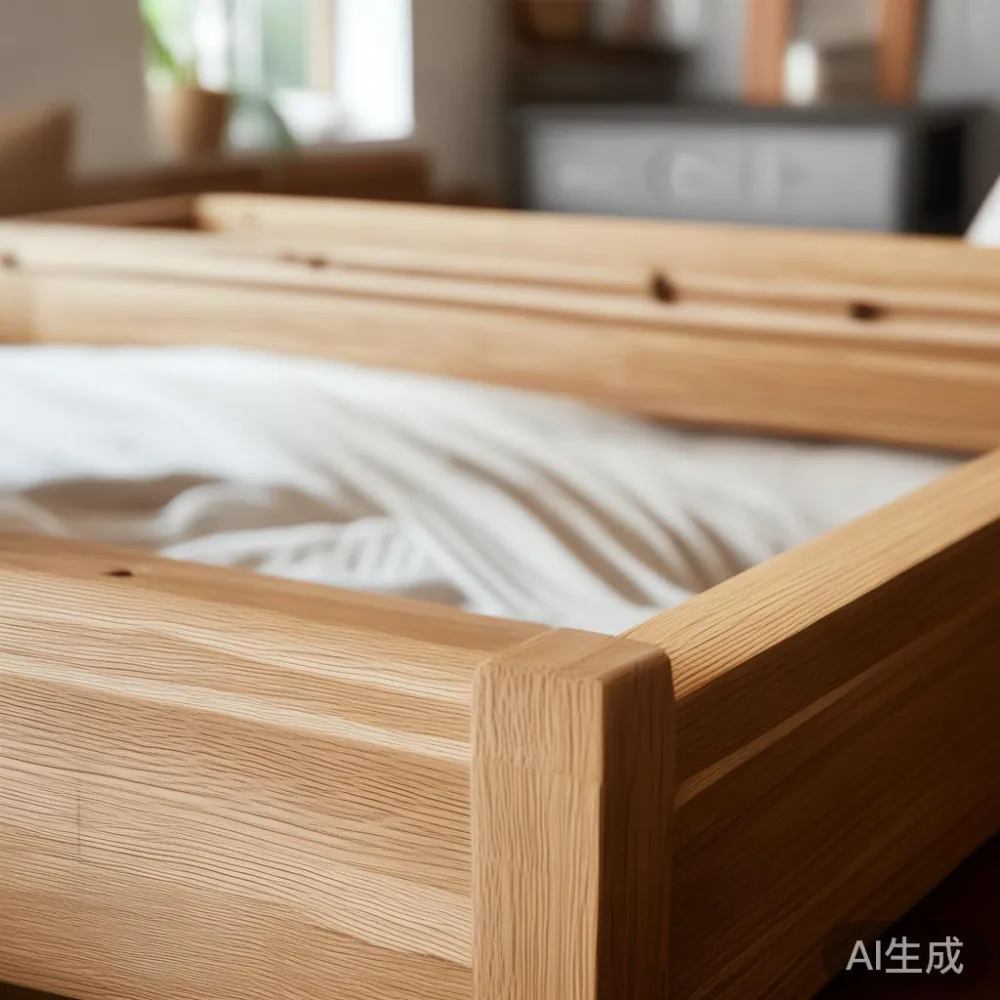
This comparison uses Singapore dollars and focuses on a single-child bed used from age 4 to 9. It models realistic entry prices, a five-year ownership period, a 1.9 kg solid-wood price adjustment, and repair, refinishing, delivery, and replacement scenarios. The figures are planning estimates rather than quotations. For a family near Tampines, Bedok, or Punggol, delivery access can matter as much as timber: measure the lift door, corridor turns, and bedroom opening before ordering.
What does a kids bed cost in Singapore over five years?
A typical low-cost veneer kids bed might cost SGD 180 before GST and SGD 195.60 after 9% GST. A mid-range solid wood kids bed might cost SGD 420 before GST and SGD 457.80 after GST. Over five years, the veneer example totals SGD 647.15, including estimated care and repair costs, while the solid wood example totals SGD 807.50 in the same scenario.
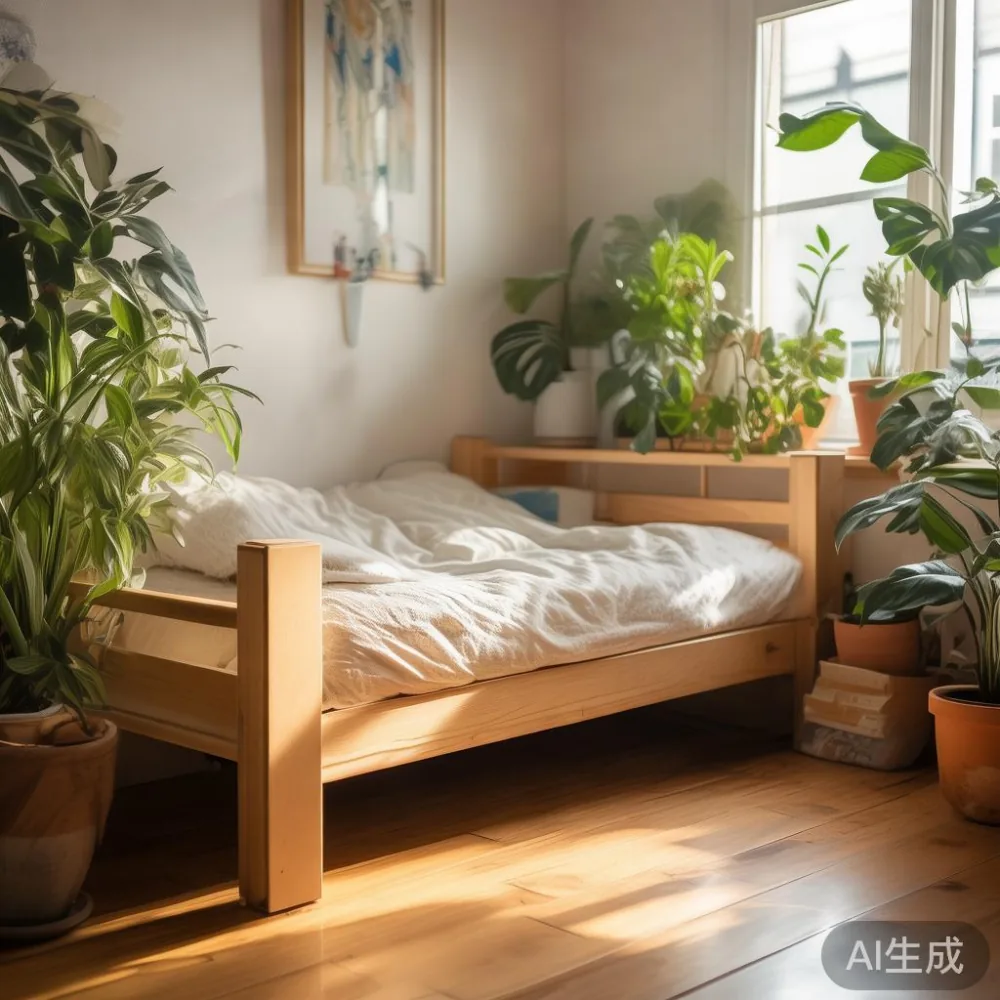
The solid wood option begins at SGD 262.20 more. That difference feels substantial in a family budget, yet the five-year figures narrow when the veneer bed needs a panel replacement, screw repair, or early replacement after moisture exposure. They diverge again if the solid wood bed is kept for a second child or sold after five years.
For context, MIDHILL designs a kids bed around solid timber construction and offers a 10-year structural warranty, lifetime refinishing, delivery, and a 14-day return window. Those terms can reduce uncertainty, although shipping outside Singapore, return freight, and local installation are not automatically included. Singapore GST is shown separately throughout this comparison.
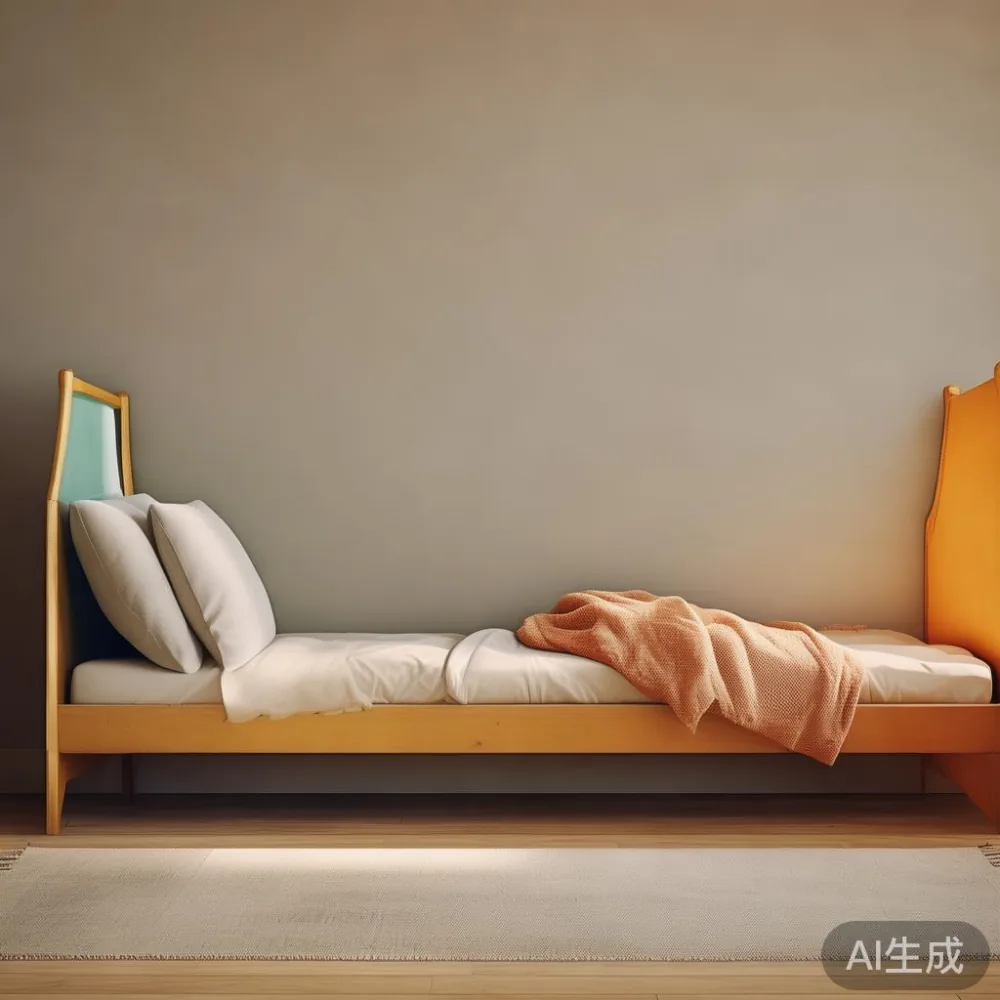
What makes veneer and solid wood different in a kids bed?
Veneer is a thin layer of timber, commonly 0.6 mm to 1.2 mm, bonded to a sheet or engineered core. A low-cost kids bed may use poplar, plywood, or mixed hardwood components with particleboard or MDF in selected areas. The surface can look convincing, but exposed edges and screw zones reveal what the price contains.
Solid wood uses solid timber throughout the load-bearing parts. In a typical 120 cm by 70 cm kids bed, the frame may use beech, ash, rubberwood, or another approved hardwood. A meaningful specification should state the species, moisture treatment, joint type, load rating, and whether the slats are included.
The distinction is not simply “natural” versus “fake.” Good veneer can be stable and visually consistent. The question is where the material is used and whether the manufacturer will repair it responsibly. In a children’s room, I would inspect the headboard, guardrail joints, ladder fixings, and under-bed edges rather than judging only the visible face.
I tested this distinction last month at my colleague’s home in Tampines. His six-year-old used a veneer bed with a chipboard headboard, and one guardrail fixing had loosened after 18 months. The frame was not unsafe, but the repair required a new fixing plate and careful sanding. A solid wood sample handled knocks without the same edge vulnerability, although its finish still needed care. One visit is not a lifetime trial, but it made the material difference easy to understand.
How much do veneer and solid wood kids beds cost to own?
The following five-year model assumes one bed, use by a child aged 4 to 9, no relocation, no damp-room placement, and one delivery within Singapore. It includes routine care but not accidents, flooding, or unapproved modifications.
The veneer purchase price is SGD 180 before GST, or SGD 195.60 after GST. Annual cleaning and minor tightening are estimated at SGD 35, producing SGD 175 over five years. One expected repair, including a panel or fixing replacement, is estimated at SGD 90. A light refinishing allowance of SGD 45 is also included. The five-year total is therefore SGD 505.60 before GST, or SGD 647.15 after GST.
The solid wood purchase price is SGD 420 before GST, or SGD 457.80 after GST. Annual care is estimated at SGD 25, or SGD 125 over five years. A small joint or surface repair is estimated at SGD 45. Refinishing is estimated at SGD 90 over five years. The five-year total is SGD 680 before GST, or SGD 807.50 after GST.
The expected difference is SGD 160.35 after GST. That is not the same as saying solid wood always costs SGD 160.35 more. The model assumes a repair in the veneer scenario and only minor repair in the solid wood scenario. Without the veneer repair, its five-year total would be SGD 542.15 after GST, placing it SGD 265.35 below the solid wood figure.
For a 140 cm bed, the modeled purchase prices rise by roughly SGD 40 before GST for veneer and SGD 70 before GST for solid wood. A staircase rail, under-bed drawer, or higher guardrail can add another SGD 35 to SGD 120 before GST, depending on materials and dimensions.
Can moisture and Singapore humidity change the five-year result?
Singapore’s humid climate makes care instructions important. Relative humidity often changes through the year, and an HDB flat near a laundry balcony or kitchen can experience repeated dampness. A timber bed should not stand directly against a cold wall or beside an open window. Leave at least 5 cm for air circulation, and keep the frame at least 30 cm from floor-standing damp areas.
Veneer failure often appears as swelling, lifting, or a cracked edge near a screw hole. Particleboard can swell when its protective seal is broken. Solid wood may develop small surface checks or movement at a joint, but well-seasoned timber and sound construction can make localized repair easier. Inspect twice each year, particularly from June to September.
One practical test is to look under the bed with a torch. A continuous veneer skin that wraps cleanly around the edges is generally preferable to exposed cut edges. For solid wood, look for tight joints, rounded corners, and screws seated into solid sections. Ask for the timber moisture range used in Singapore; around 8% to 12% is a useful reference for indoor furniture, subject to the manufacturer’s specification.
For a family in Bedok, Punggol, or a Tampines condo, protect the floor with felt pads and avoid placing the kids bed beside an air-conditioning condensate pipe. If water reaches the frame, dry it within 24 hours. A five-year cost estimate should include SGD 30 to SGD 80 after GST for one incident only if damage is minor; widespread swelling can require replacement.
How do delivery, lifts, and GST affect the comparison?
Delivery is a real cost for both categories. A standard Singapore delivery to HDB or condo areas may be SGD 35 to SGD 80 before GST, while a larger or upstairs delivery can cost more. A lift van may add SGD 20 to SGD 60 before GST. For assembly, expect SGD 25 to SGD 50 before GST for a simple frame and SGD 50 to SGD 90 for a staircase model.
Measure the lift door and interior dimensions before purchase. A common lift door is about 90 cm wide and 200 cm high, while a standard kids bed frame can be 120 cm long, 70 cm wide, and 85 cm tall. The bed may fit through the lift diagonally, but corridor turns and the bedroom door can prevent that. A 140 cm model may require partial disassembly.
MIDHILL provides free shipping above US$350, but a Singapore purchase may still have local logistics or GST treatment that should be confirmed in writing. Do not assume an overseas threshold removes the need to check the landed cost. Ask for delivery days, assembly, lift charges, and the Singapore return method before paying.
GST adds 9% to both products and most delivery services. For the example veneer bed, GST adds SGD 15.60; for the solid wood bed, it adds SGD 37.80. GST is not a sign of inferior quality, and it does not affect the material decision by itself. It matters because a higher price creates a larger absolute tax amount.
Which option costs less after a second child or resale?
A five-year comparison can look different when a bed is transferred within the family. A solid wood bed that lasts through two children may reach 10 years of use. Divide the modeled SGD 807.50 total by two users and the effective cost becomes SGD 403.75 per five-year period. A veneer bed that must be replaced after five years leaves a disposal cost of about SGD 30 to SGD 60 and another purchase price.
Resale value is uncertain. A clean solid wood kids bed may attract buyers who value repairability, while a trendy character veneer can also sell quickly. Do not build a budget around an assumed resale return; treat any sale as a possible recovery, not guaranteed income.
Age is another factor. A child typically outgrows a 120 cm bed between ages 6 and 9, depending on height. A 140 cm bed may extend use to ages 8 to 11. A convertible or extendable design can add SGD 100 to SGD 250 before GST but may offer longer service than buying a smaller frame twice.
This is also where design vocabulary can help without changing the economics. The phrase European light luxury bed vs Nordic bed describes a style comparison rather than a timber guarantee. European styling often uses generous profiles, upholstery, and visual layering; Nordic styling tends toward pale woods, simpler lines, and functional details. Neither term confirms solid wood construction.
Are there style cues Singapore families should consider before choosing?
The children’s room should feel calm enough for sleep and flexible enough for schoolwork. The bed frame, wardrobe, nightstand, and play surface should share scale and colour even if they come from different makers. A pale oak-toned veneer can suit a small HDB room, while solid walnut or beech can provide a warmer focal point in a larger condo bedroom.
For those researching under 2000 light luxury furniture, a layered plan often works better than filling every wall. Start with the kids bed as the main object, add one upholstered element, and repeat one material elsewhere. A French light luxury approach might pair a shaped headboard with cream textiles and a slim nightstand. A post-modern light luxury direction could use one curved edge, restrained colour, and clean geometry.
The same care applies when comparing light luxury bed vs Mid-century modern bed. Tapered legs and warm timber can connect the two styles, while ornate rails and decorative carving create a different impression. Finish decisions affect care: a matte surface often hides small marks, and a harder finish can simplify wiping.
Some shoppers ask how to style American bed in apartment settings, but a full-size adult bed may be too large for a child’s room. An American-inspired kids bed can use a substantial headboard, generous rails, and a simple palette without requiring a large footprint. Keep toys to 1 or 2 decorative baskets, maintain 60 cm of clear floor space where possible, and route the bedside lamp so its cable cannot be pulled.
Adjacent furniture matters too. A light luxury dressing table is usually better treated as a small writing and grooming station than a heavy marble piece. If a marble table is already in the room, balance its cool surface with warm timber. A solid wood sofa may live in the living room, while an Italian light luxury dining table belongs in the dining zone. The vocabulary of solid wood dining table, wardrobe, nightstand, and marble table can guide a coordinated home, but each item still needs its own material and dimension check.
For a multi-piece plan, MIDHILL dining table and storage concepts can be evaluated against the same five-year frame: timber species, finish renewal, component replacement, and delivery access. This prevents a coordinated look from becoming a collection with incompatible care needs.
How do you choose between veneer and solid wood for a kids bed?
Choose veneer when the budget is limited, the room is dry and stable, and the bed will be used for a short period. Specify a wrapped edge, confirm the core material, check fixing locations, and keep a repair kit. Choose solid wood when the bed is expected to stay through multiple children, when long-term refinishing has clear value, or when exposed edges and frequent handling are likely.
Ask sellers for six figures: price before GST, GST amount, delivery charge, delivery time, assembly charge, guardrail height, slat spacing, timber species, moisture treatment, warranty, and repair terms. A 90 cm guardrail, slat gaps below 60 mm, rounded edges, and a load rating suitable for the child are practical checks, but the exact safety guidance should come from the product documentation.
Look at total ownership cost rather than purchase price alone. The modeled difference is SGD 160.35 after GST over five years, or about SGD 32.07 per year. If the solid wood bed serves a second child, that annual figure falls. If the veneer bed needs replacement, it rises sharply. The right decision is the one that fits the room, the child’s growth, the family’s budget, and the level of maintenance everyone will genuinely perform.
For parents considering MIDHILL, request the specific kids bed dimensions and timber details, then compare them with the family’s five-year plan. Confirm Singapore delivery, GST, and return arrangements in writing. A well-chosen bed should offer a safe night’s sleep, fit the physical space, and remain useful as the child grows, whether its visible face is veneer or solid timber.