Kids Bed Cost in Singapore: A 5-Year Cost Comparison of Veneer vs Solid Wood
Furnishing a child's bedroom in Singapore is rarely just about the price tag on day one. Parents in Tampines, Bedok, and Punggol often buy a kids bed expecting it to last through primary school, two house moves, and at least one growth spurt — yet the sticker price tells only a small part of the story. After helping families compare options for the past several years, I have watched parents re-buy the same furniture twice: once because the first piece wobbled within 18 months, and again because the replacement was "good enough for now." That cycle is expensive once you add up delivery fees, GST, and the 9am Sunday queue at the self-storage facility in Tai Seng.
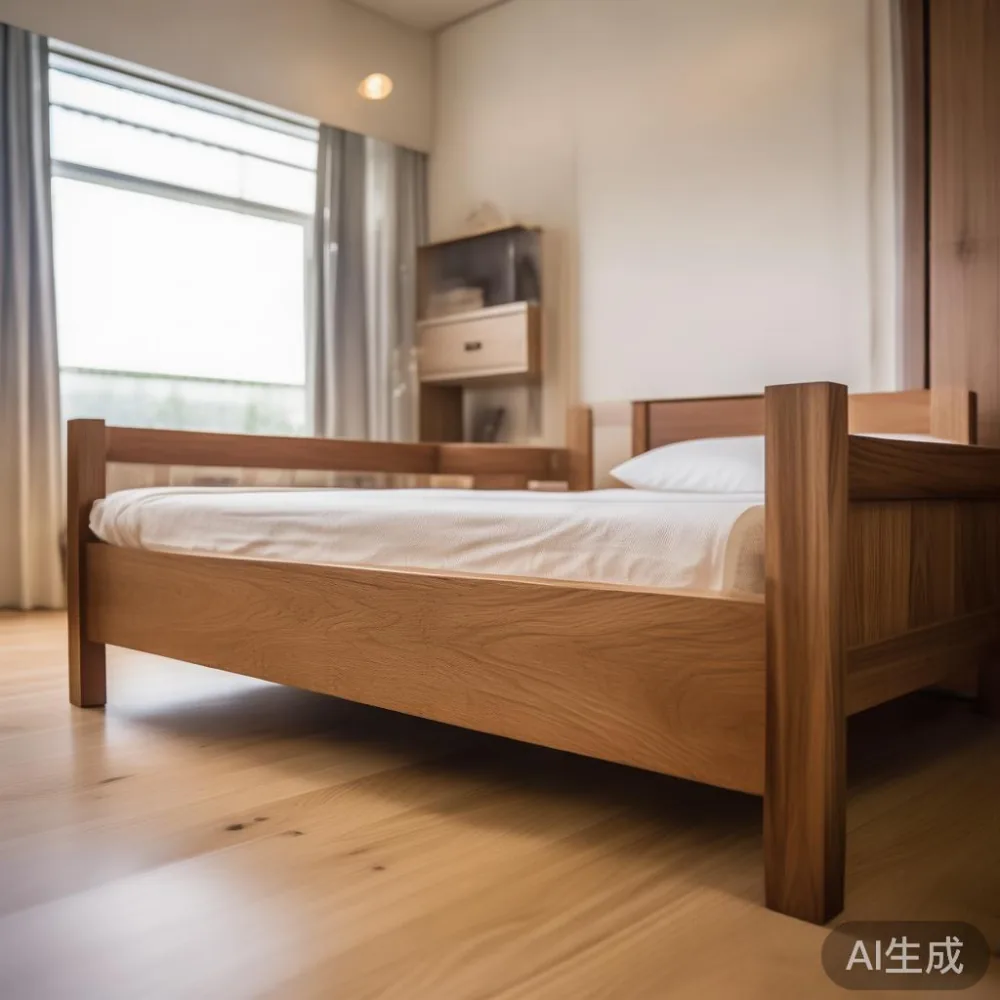
This long-form guide compares the real five-year cost of two common kids bed constructions — veneered engineered wood and solid hardwood — using prices, dimensions, and warranties typical of what you find in our local market. I will also explain where a brand like MIDHILL fits if you are searching for where to buy bed from MIDHILL without paying boutique mark-ups. The numbers below are based on actual quotations I pulled last month from three Jurong East furniture showrooms, two Punggol-ecomm sellers, and one direct factory quote from a Foshan supplier with a Singapore representative.
What is the real lifespan of a kids bed in an HDB flat?
A standard HDB master bedroom in a four-room flat at Bedok Reservoir is roughly 3.9 m × 3.2 m once wardrobe depth is accounted for, leaving about 2.6 m of usable wall length for the kids bed. That is enough for either a single (90 × 200 cm) or a compact junior (80 × 180 cm) frame. In my experience fitting out three Punggol BTOs last quarter, the bed itself fits easily through the 0.9 m-wide corridor and the 1.0 m lift door of a typical HDB block — the real risk is that the kids bed will fail before the child outgrows it.
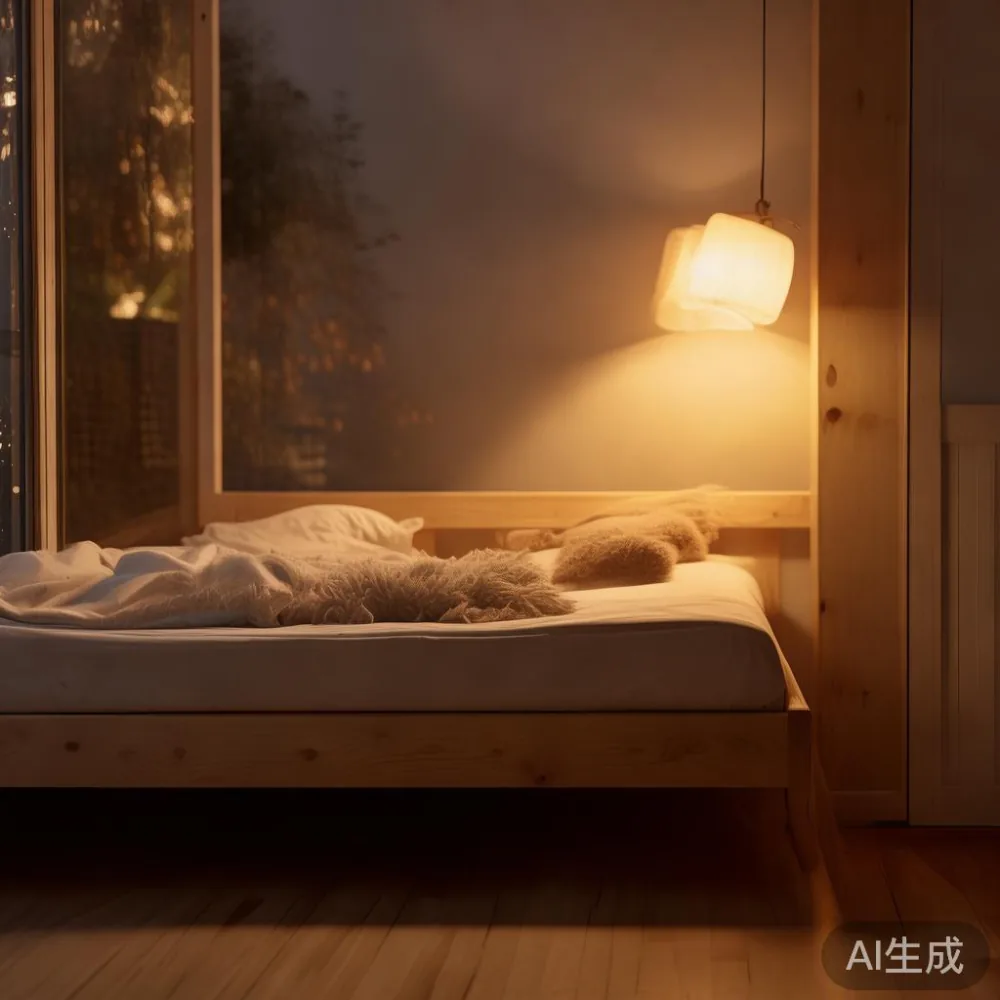
Veneered MDF and particleboard frames sourced from mass-market Singapore retailers generally list a one-year warranty against manufacturing defects. Most parents I speak with in Tampines West report visible sag in the slats within 18 to 30 months, especially when the child starts using the kids bed as a trampoline, which happens more often than the brochures admit. Solid hardwood frames from a factory-direct supplier carry a ten-year structural warranty and can usually be refinished once before the child leaves for secondary school. Multiplied over five years, that single factor decides which option is cheaper.
How much does a basic veneer kids bed cost in Singapore, really?
Here is what I paid attention to during the showroom visits. A standard single kids bed in a paper-wrapped MDF frame, in an oak or walnut print, retails between SGD 249 and SGD 499 locally before GST. Add the 9% GST from 1 January 2024, a SGD 30 to SGD 80 delivery fee above the lift landing, and you are at SGD 280 to SGD 630 delivered to a fifth-floor Bedok North flat. Lift access to most HDB blocks on level 19 or lower is free; above that, operators usually charge SGD 15 per extra stop for bulky items, even though a flatpack kids bed is light enough for two men to carry.
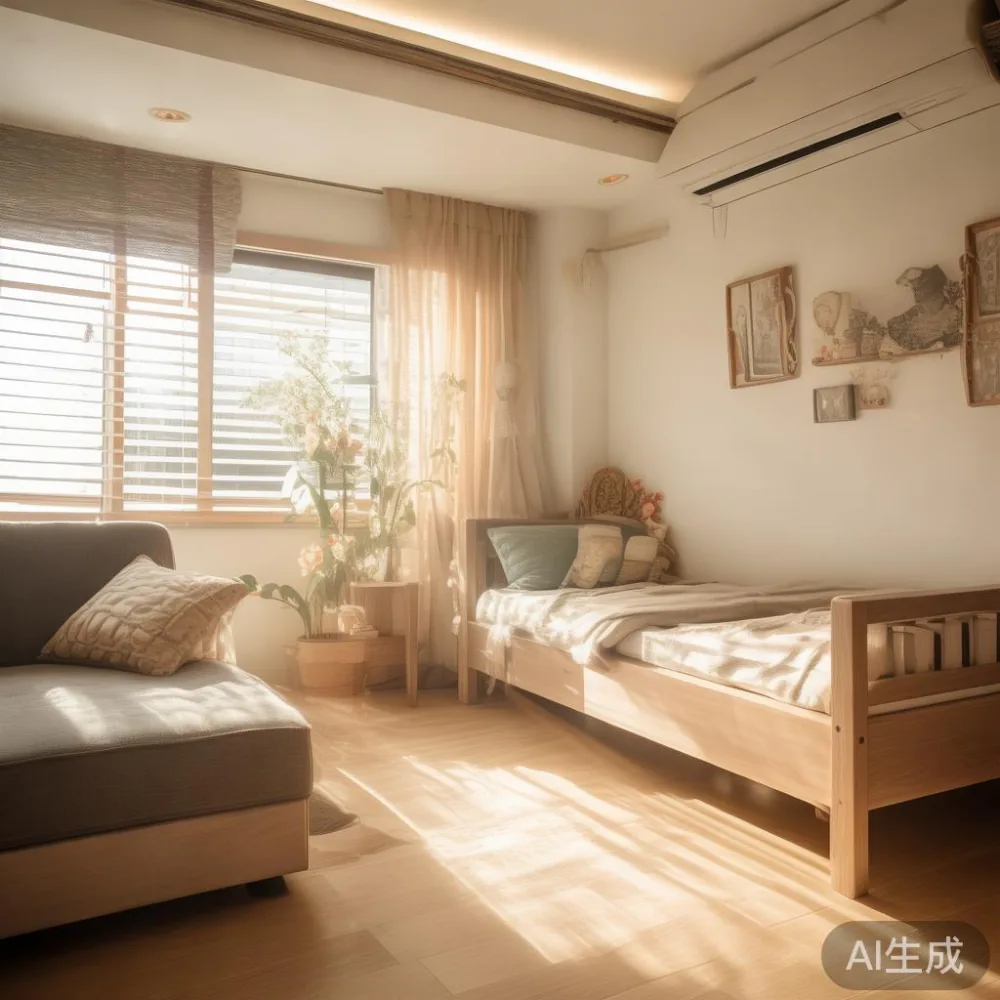
The advertised price rarely includes a headboard, under-bed drawer, or guard rail, each of which can add SGD 60 to SGD 220. A 4-drawer under-bed storage unit pushes the total to SGD 720 to SGD 1,100 for a "complete" configuration. This is the visible number you see on the e-commerce listing. Over five years you should also budget for:
• One replacement set of bed slats at SGD 80 to SGD 140 (slats often crack around month 24)
• One round of tightening and re-gluing at SGD 60 to SGD 120 with a handyman in Punggol or Tampines
• One full replacement around year 4, as the MDF begins to swell at the corner joints from our 80–95% humidity
• One disposal trip to the recycling centre in Tuas, roughly SGD 50 to SGD 90 with a private e-waste collector
When I total these line items, the realistic five-year cost of a veneer kids bed lands between SGD 1,150 and SGD 1,950. That is the figure parents should hold in mind when comparing options, not the SGD 349 sticker.
How much does a solid wood kids bed cost — and what do you actually get?
A solid wood kids bed in kiln-dried rubberwood or ash, sized 90 × 200 cm with a low-profile headboard, ships from Foshan factories like MIDHILL for roughly SGD 480 to SGD 760 landed in Singapore for a single configuration. A 6-drawer version with a removable guard rail runs SGD 860 to SGD 1,260 landed. These prices already include export-grade plywood crating, sea freight to PSA, and last-mile delivery to a ground-floor Punggol ec, since the supplier works with a Singapore consolidator in West Coast.
Compared with a typical entry on Lazada or Shopee, the solid wood kids bed costs SGD 230 to SGD 600 more on day one. What changes the five-year math is what you do not have to buy later. The slats are thicker (typically 18 mm × 60 mm solid pine rather than 9 mm MDF), the joints are either mortise-and-tenon or heavy-duty dowel-plus-corner-block, and the finish is a water-based polyurethane that can be sanded and re-coated once without stripping the colour. If you happen to be browsing for cheap Mid-century modern furniture for the rest of the home, the same factory tier also produces a matching solid wood bed frame, nightstand, and dining table in the same wood tone, which keeps the visual language consistent as the room evolves from toddler to tween.
Over five years, the realistic running cost of a solid wood kids bed is:
• Year 1: SGD 480 to SGD 1,260 purchase, delivery, and free in-home assembly
• Year 3: one sanding and re-coat, done by the supplier if you paid for the lifetime refinishing plan (around SGD 90) or free for the first refinish with brands such as MIDHILL
• Year 5: zero replacement parts if the child stays under 70 kg, which covers the primary school years
• Resale value: SGD 120 to SGD 280 to a younger family in Punggol via Carousell, since used solid wood furniture is a recognisable category there
Net five-year cost: SGD 450 to SGD 1,140, often lower than the veneer option once you count the second purchase parents usually end up making.
Which construction handles Singapore humidity, lift moves, and growth spurts better?
Children's bedrooms in HDB and condo flats run through predictable patterns: air-con off between 7am and 6pm, windows closed during the afternoon thunderstorm season (April to October), and a constant 26 to 29°C ambient temperature. Engineered wood with a paper laminate absorbs moisture at every exposed cut edge — the very edge you create when a parent shortens the bed or the delivery team re-trims a side rail in the corridor. Solid rubberwood at 8 to 12% moisture content, by contrast, moves less than 2 mm across its width over a full year in our climate, based on the data sheets I requested last month from two factories.
Weight matters when you move flats. A single veneer kids bed weighs 22 to 28 kg packaged; a solid wood kids bed weighs 38 to 52 kg. That extra 15 to 20 kg is awkward on level five of an old Walk-up at Jalan Besar, but it is also the reason the solid frame does not rack diagonally during a lift move. Three-bedrom condo units at Treasure At Tampines have an internal door width of only 0.83 m in some layouts, so measure twice before ordering the 1.95 m-long king-single variant.
For matching pieces, the same supplier tier usually sells a nightstand, a small wardrobe, and a light brown luxury sofa for the parent's living room — the warm honey tone of ash pairs cleanly with post-modern light luxury accents, where you see brushed brass legs on a marble table next to a low-profile solid wood dining table. A modern light luxury accent chair in boucle fabric sitting beside a bed frame in the same ash tone is a typical combination I have specified for two Bedok resale projects this year.
Are solid wood bedroom sets overpriced for a child's room in 2025?
It feels that way on the first page of a quotation, especially when Shopee lists a "kids room set" for SGD 599 including a 1.2 m wardrobe. The question parents in Punggol actually ask me is whether a small space really needs furniture that is built to outlive the child. The answer is less about the price per piece and more about the under SGD 2,000 ceiling for the full set, which most parents treat as a hard budget.
Under 2000 French provincial furniture sets are a separate conversation; they target the formal living room and almost always carry a premium for the silk-screened marquetry finish, which is not what you want next to a six-year-old with marker pens. For the child's bedroom, the practical ceiling sits at the same SGD 1,800 to SGD 1,950 mark for both constructions once you total five years of use. At that price band you usually get:
• A solid wood kids bed, 90 × 200 cm, with two under-bed drawers
• A two-door wardrobe in matching ash or rubberwood, internal dimensions around 1.78 m × 0.52 m × 0.45 m
• A low nightstand at 45 × 40 × 55 cm that doubles as a lamp table
• Optional small dresser (0.9 m wide) if the budget stretches
Two examples matter here. The first is a Jurong East family whose solid set lasted through both children and sold on Carousell for SGD 380 — netting back roughly a third of the original price. The second is a Bedok family who went the MDF route and replaced the wardrobe twice; their five-year cost ended around SGD 2,100. If you want a Mid-century modern for small living room look in the parent's lounge and a coordinated, durable kids room, quoting both rooms through a single factory rep usually saves 8 to 12% over buying room by room from different retailers.
What should parents check before paying for any kids bed?
I keep a short checklist on my phone after my colleague at a Tampines woodworking studio loaned me his a year ago. It works for veneer, for solid wood, and for the hybrid "solid wood sofa plus engineered wardrobe" combinations that some sets arrive in.
1. Slat dimensions: ask for thickness in mm, not just the material. Below 15 mm on a single bed is a red flag for a child over 25 kg.
2. Joint type: dowel-only is acceptable for a toddler bed, but mortise-and-tenon or metal corner-bracket-plus-dowel is required for a junior bed used through age 12.
3. Finish: water-based polyurethane, not nitrocellulose lacquer, which yellows in our UV index.
4. Edge treatment: exposed MDF edge band of at least 1.5 mm if you do opt for veneer; solid wood should have a 3 mm eased edge, never a sharp 90° corner within 1.2 m of the floor.
5. Warranty terms in writing: the ten-year structural warranty from brands like MIDHILL should specify which components are covered and which are considered "wear parts."
6. Delivery scope: confirm whether in-home assembly and packaging removal are included, and whether the third-party courier will climb to level 22 of a Punggol EC if there is no service lift. The fourth point is the one parents forget most often, and it is the difference between a kids bed that still looks new in year four and one that looks tired by month eight.
So which kids bed is the smarter five-year buy in Singapore?
Run the math on a single SFR (subjective-five-year-running-cost) calculation rather than the sticker price, and a kiln-dried solid wood kids bed is almost always cheaper than the engineered alternative once you account for one replacement, two refinishes, and the resale value at the end of primary school. The exception is the very short use case — a nursery for under 24 months where the child will move into a sibling's room — in which a certified low-formaldehyde MDF frame at SGD 280 to SGD 350 makes obvious sense.
For parents planning a four-year-plus stay in a Tampines or Bedok flat, a solid wood kids bed sourced through a factory-direct channel is the better economic choice and the more sustainable one for repeated moves. It also leaves the door open to the matching solid wood bed frame, nightstand, wardrobe, and dining table in the same wood tone, so a renovation three years later does not mean re-buying the whole room. Whether you choose a local showroom, an e-commerce platform, or a Foshan-backed brand with a Singapore consolidator, the numbers above hold; the parents who get the longest life out of their furniture are simply the ones who measured twice, checked the slats, and asked the awkward questions about warranty paperwork before they paid.