Beyond the Sticker Price: The True Cost of a Kids' Bed Over 5 Years
As parents in Singapore, we make countless decisions for our children, and their bedroom furniture is one of the most significant. It's not just about a place to sleep; it's a space for growth, imagination, and comfort. The choice between a veneer kids' bed and a solid wood kids' bed often comes down to the initial price tag. But for a piece of furniture that will be used for years, sometimes a decade or more, the upfront cost is only part of the story. The real value lies in its longevity, durability, and the total cost of ownership over its lifespan. This article breaks down a detailed 5-year cost comparison to help you make an informed decision for your home in Tampines, Bedok, or Punggol.
Understanding the Materials: Veneer vs. Solid Wood
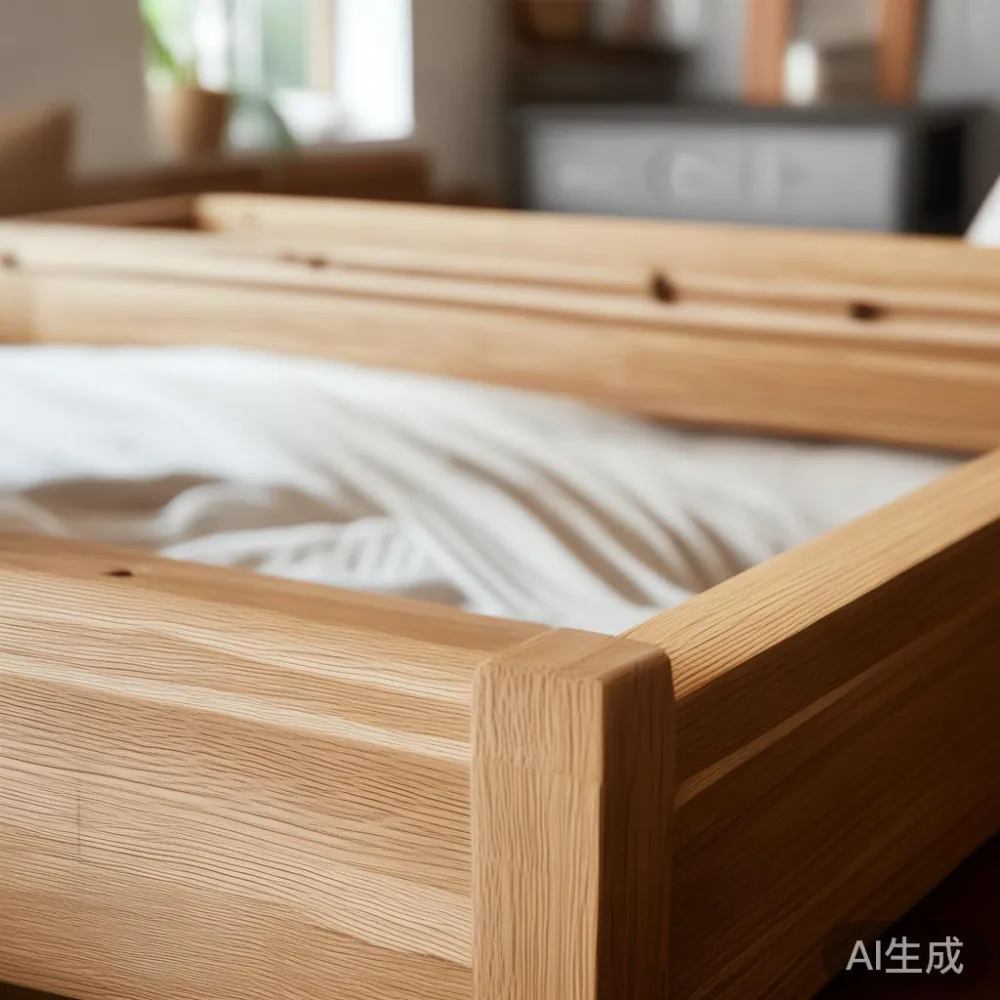
Before diving into numbers, it's important to understand the fundamental difference between these two materials. A solid wood kids' bed is constructed from a single, solid piece of lumber, such as oak, rubberwood, or ash. The entire frame, from the headboard to the side rails, is made of this solid material. This results in a heavy, sturdy piece of furniture known for its strength and durability. A solid wood bed frame can weigh between 40 kg and 70 kg depending on the size and wood type, making it a substantial and permanent fixture in a room.
In contrast, a veneer kids' bed features a thin layer of real wood, called a veneer, glued onto a core of engineered wood like particleboard, MDF (Medium-Density Fibreboard), or plywood. The veneer provides the look of solid wood at a fraction of the cost. The core material is much lighter and less dense. A typical veneer kids' bed might weigh between 25 kg and 40 kg. While this makes it easier to handle, especially up the narrow lift and corridor of a Singapore HDB flat or condo, the engineered wood core is susceptible to damage from moisture, impact, and changes in humidity, which are common in our climate.
The Initial Investment: A Side-by-Side Look
The most obvious difference between veneer and solid wood is the initial purchase price. Let's compare two standard single-sized kids' beds available in the Singapore market. We'll use prices from local furniture stores that are representative of the quality you might find.
A veneer kids' bed, with a simple design and a durable melamine finish, typically costs between SGD 450 and SGD 650. This price often includes basic delivery within Singapore. For example, a popular model from a local brand might be priced at SGD 580. This bed comes flat-packed, requiring assembly. The dimensions are approximately 190 cm long, 91 cm wide, and 100 cm high, fitting comfortably within the typical bedroom space of a 4-room HDB flat.
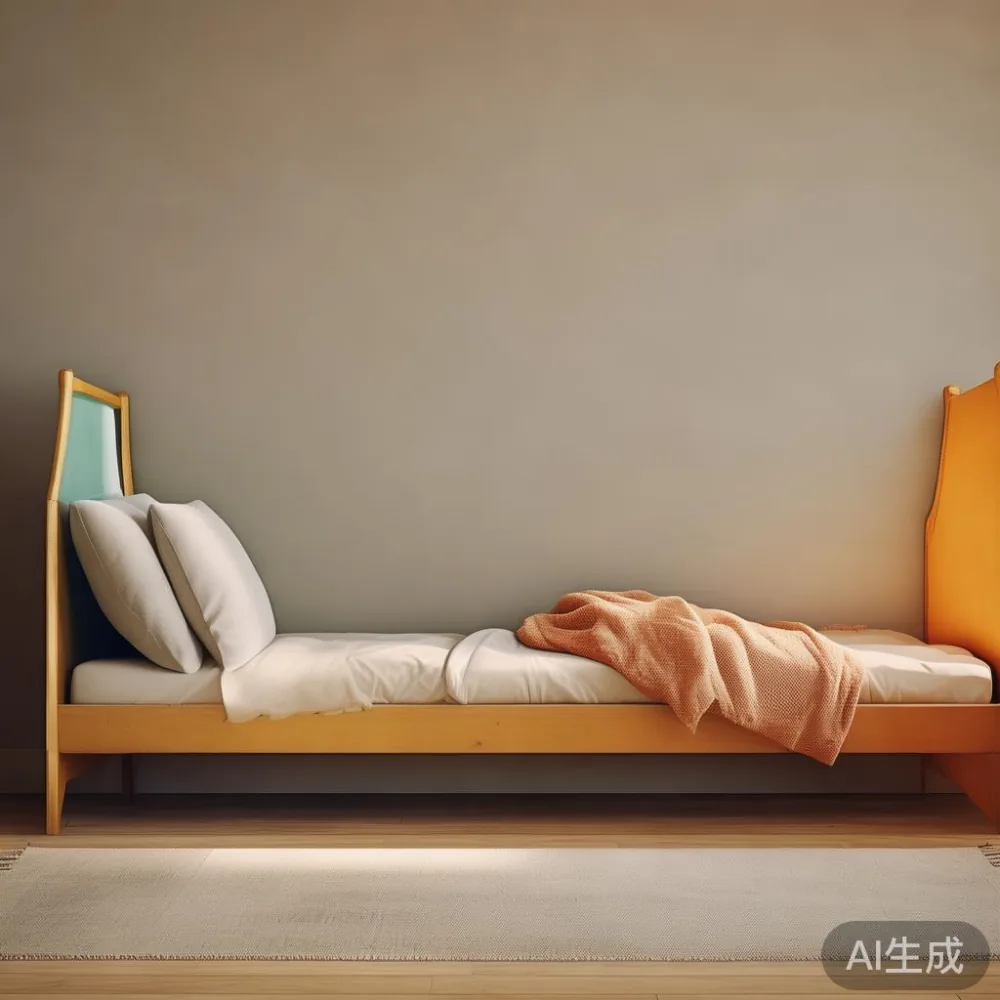
A solid wood kids' bed, on the other hand, commands a higher price. A solid rubberwood bed with a non-toxic, child-safe finish will generally cost between SGD 1,200 and SGD 1,800. A well-regarded model from a maker like MIDHILL might be priced at SGD 1,500. This bed is often delivered fully assembled, which is a significant advantage for parents who don't have time for DIY. Its dimensions are similar, but the weight and sturdiness are immediately apparent. The extra cost reflects the higher quality of the raw material and the more complex construction process.
Year 1-2: The Cost of Wear, Tear, and Maintenance
The first couple of years with a new kids' bed are when you'll see the first signs of material performance. Children, especially toddlers and young ones, are not always gentle with their furniture. A veneer kids' bed is more vulnerable to these everyday interactions.
My colleague, who lives in a Bedok condo, bought a veneer kids' bed for her 5-year-old son. Within six months, the corner of the headboard had a small chip from where he accidentally bumped it with a toy car. The repair involved a wood filler and a touch-up pen, costing SGD 35. A year later, after a minor spill of water, the veneer on the side rail bubbled and discolored. The repair was more complex, requiring a professional to sand and re-finish that specific area, costing SGD 120. These are not isolated incidents; veneer is prone to chipping and peeling at the edges and can be damaged by moisture exposure.
A solid wood kids' bed, however, is remarkably resilient. Solid wood is a forgiving material. Minor dings and scratches can often be buffed out. A small scratch on a solid wood surface might not even be noticeable. For more significant damage, the repair process is simpler and more effective. Solid wood can be sanded down and refinished. For instance, if a toy leaves a deep gouge, a woodworker can sand the area and apply a new coat of varnish, restoring the bed to its original condition for a cost of around SGD 80. The structural integrity of a solid wood bed remains uncompromised by these minor accidents.
Year 3-4: The Mid-Life Crisis and Structural Integrity
By the third and fourth year, the focus shifts from surface-level damage to the core structure of the bed. This is where the difference between an engineered wood core and a solid wood frame becomes starkly apparent.
A veneer kids' bed's core is typically made of MDF or particleboard. These materials are dense but not particularly strong, especially along the edges. Over time, the constant stress of a child climbing in and out of bed, combined with Singapore's humidity, can cause the core to weaken. The joints, often held by dowels and screws, can start to loosen. The side rails might begin to sag slightly under the mattress. Repairing this structural weakness is difficult and often impractical. You cannot simply re-glue an MDF core that has lost its integrity. The bed becomes wobbly and unsafe, and the only solution is often replacement. At the 4-year mark, a wobbly veneer bed would likely need to be replaced, costing another SGD 500 to SGD 700.
A solid wood kids' bed, in contrast, is built to last. The entire frame is a single, cohesive unit. The joints are reinforced with stronger joinery techniques like mortise and tenon, which lock the pieces together. The frame will not sag or lose its structural integrity. The only maintenance required in this period might be an occasional tightening of a screw if the bed is moved frequently. The bed remains as sturdy and stable as the day it was purchased. This long-term structural integrity is a key feature of a well-made solid wood piece, ensuring it can safely support a growing child for many years.
Is a Solid Wood Kids' Bed Really Worth the Extra Money?
This is the question every parent asks. The answer lies in calculating the total cost of ownership over a 5-year period. Let's put the numbers side-by-side to see the true financial picture.
Scenario A: The Veneer Kids' Bed
- Initial Purchase: SGD 580
- Year 1 Minor Repair (chip): SGD 35
- Year 2 Water Damage Repair: SGD 120
- Year 4 Replacement Cost (due to structural failure): SGD 650 (average of new purchase)
- Total Cost over 5 years: SGD 1,385
Scenario B: The Solid Wood Kids' Bed
- Initial Purchase: SGD 1,500
- Year 3 Minor Scratch Repair: SGD 80
- No structural repairs needed. The bed is still in excellent condition.
- Total Cost over 5 years: SGD 1,580
As you can see, the total cost over five years is remarkably close. The veneer bed seems cheaper initially, but the hidden costs of repairs and eventual replacement bring its total cost almost to par with the solid wood option. However, the solid wood bed offers something the veneer bed cannot: longevity. After 5 years, the solid wood bed has a remaining lifespan of another 5 to 10 years or more. It can be passed down to a younger sibling or sold second-hand. A high-quality solid wood sofa or dining table from the same collection can be a long-term investment, whereas a veneer equivalent would likely need replacement much sooner.
Considering Singapore-Specific Factors: Space, Delivery, and GST
The choice is also influenced by practicalities unique to living in Singapore. HDB flats and condos, especially in newer estates like Punggol, often have narrower lifts and longer corridors. A fully assembled solid wood kids' bed, while heavier, eliminates the hassle of working through large, flat-packed boxes through tight spaces. Delivery for a solid wood piece might take 7-10 business days, while a veneer bed could be delivered in 3-5 days. The convenience of a 'ready-to-use' product is a significant factor for busy families.
Another consideration is the Goods and Services Tax (GST). In Singapore, GST is applied to all furniture purchases. The higher initial price of a solid wood bed means a higher GST amount paid upfront. However, since the solid wood bed lasts longer, you avoid paying GST on a replacement purchase within the same timeframe, effectively spreading the tax cost over a longer period.
When redecorating a master bedroom, one might consider a light luxury sofa vs Mid-century modern sofa, but for a child's room, durability and safety are paramount. The investment in a solid wood kids' bed aligns with a light-luxury approach that prioritizes quality and timeless design over fleeting trends. It’s about creating a durable, beautiful environment that supports your child's development without the constant worry of furniture failure. When thinking about how to choose European wardrobe for the same room, the same principles of material quality and long-term value apply. A solid wood wardrobe will withstand the test of time and use far better than a veneer alternative.
The Verdict: An Investment in Peace of Mind
When viewed through a 5-year lens, the choice between a veneer and a solid wood kids' bed becomes clearer. While the veneer bed offers a lower initial cost, the total expenditure over half a decade is comparable, and the solid wood bed provides superior longevity and value. Beyond the financials, a solid wood bed offers intangible benefits: peace of mind knowing the structure is safe and sound, the beauty of a natural material that ages gracefully, and the convenience of not having to shop for a replacement every few years.
For parents who are considering their options, it’s worth thinking about how this piece fits into their long-term home plans. A solid wood kids' bed is a foundational piece that can grow with your child. It’s a purchase that supports a French light luxury aesthetic of understated elegance and quality, or a clean, post-modern light luxury look, depending on the chosen finish. The decision to invest in solid wood is an investment in your home, your child's comfort, and your own convenience. It’s the choice between a temporary solution and a lasting piece of furniture that will be a part of your family's life for years to come. When you are looking at a MIDHILL wardrobe or a solid wood bed frame, you are seeing the same commitment to quality that defines a truly valuable piece of furniture.