What to Check Before Buying a Sofa You Cannot Sit On: A Singapore Guide to Display Sofas and Showroom Pieces
A sofa you cannot sit on is usually a showroom display model, a staged “sit-only” piece, or a decorative unit bought mainly for appearance. That does not make it a poor purchase. It makes it a different product with a different purpose, a different risk profile, and different expectations about comfort, delivery, returns, and long-term use.

In Singapore, the question is especially practical. A sofa may need to pass through a condominium lobby, enter a lift, turn along a corridor, and reach a living room in Tampines, Bedok, or Punggol. A beautiful silhouette that is 220 cm wide can be much harder to move than a plainer sofa measuring 180 cm. Price also needs to be read in SGD with GST included, while the physical dimensions need to be read in centimetres rather than vague showroom adjectives.
This guide covers what to check before buying a sofa you cannot sit on, whether you are looking for a display sofa, a child-friendly occasional seat, or a light-luxury centrepiece. The goal is to buy with clear eyes: enjoy the visual role the sofa will play, but do not expect a seat that was never designed, inspected, or occupied to provide the same comfort as a tested everyday sofa.
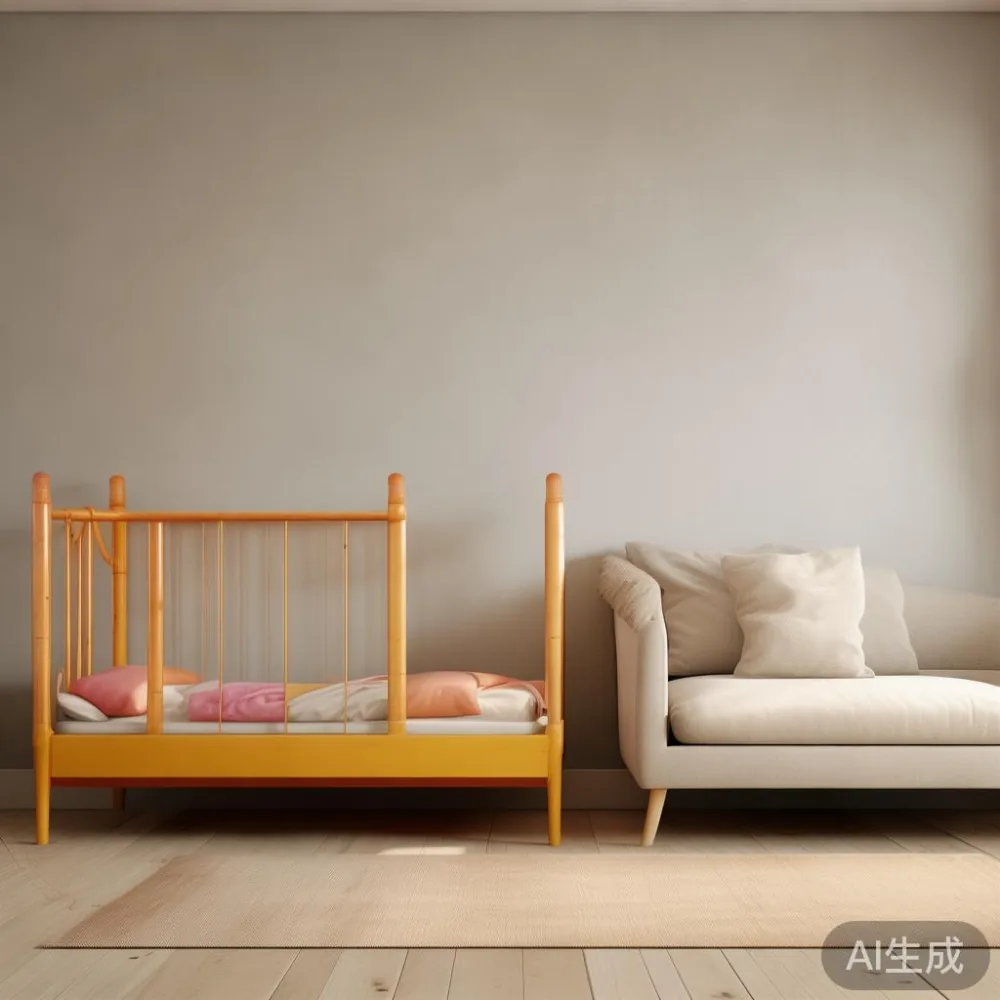
Why would anyone buy a sofa that cannot be sat on?
Display sofas solve a visual and spatial problem. Interior designers place them in staged living rooms, photographers use them as props, and homeowners may want a sculptural anchor without creating a heavily used seating zone. Some pieces are also intended as occasional chairs, benches, or decorative furniture and are deliberately not engineered for prolonged sitting.
There are several legitimate reasons to consider one:
- Display use: The sofa is meant to look complete in a living room, hotel lobby, retail space, or property staging project.
- Limited seating need: A household may require a place for a 10-minute conversation but use a bed frame, dining table, or other seating elsewhere.
- Child-centred arrangement: The main seating may be elsewhere, while a decorative sofa sits in a playroom near a kids bed. It should then be stable, non-shedding, and free from sharp or pinch hazards.
- Material preservation: A light-coloured or heavily patterned fabric can be protected from daily wear while remaining visible.
- Short-term installation: A display sofa may serve a 3-month event, a 6-month furnished lease, or a 12-month renovation period.
The important distinction is between “not meant for sitting” and “not yet approved for sitting.” Ask the seller directly. If the product cannot be sat on, request that fact in writing and confirm whether the suspension, cushions, frame, and cover all carry the same warranty. A display-only product should not be presented as if it has passed the same checks as a daily-use solid wood sofa.
What measurements should you take before ordering?
Start with the sofa, then measure the route. Record the width, depth, height, and weight, plus the dimensions of the packed box. Add at least 5 cm of clearance for door handles, switches, and angled entry. A curved sofa may need to be turned on its side, so check the packed depth as well as the visible width.
In many Singapore HDB flats and condos, the limiting factor is the lift door rather than the living room. A typical lift door opening might measure 90 cm wide and 200 cm high, while an internal lift car may be only 110 cm wide and 140 cm deep. These figures vary by building, so obtain the actual service dimensions from the management office or security desk. Also measure the shortest corridor turn and any fire door. If the package diagonal exceeds the usable turning space, a “doorman carry” may not solve the problem.
Here is a simple checklist:
- Sofa width, depth, and height: record all 3 in cm.
- Packed dimensions: ask for the carton length, width, and height.
- Package weight: request the actual figure in kg.
- Lift door opening and internal car dimensions: allow 5 cm of working clearance.
- Corridor width and the tightest turn: allow at least 10 cm for hand steering.
- Staircase or service lift restrictions: check maximum load before delivery.
- Final location: leave 75–90 cm in front of a display sofa if it forms a conversation zone, though no one should sit on it.
Last month I visited a staged apartment in Tampines with a 205 cm three-seat display sofa. It looked modest in the catalogue, but the packed unit was 218 cm long. The lift door was only 88 cm wide, and the corridor had a right-angle turn. After removing the sofa legs, the frame still could not be rotated safely. The solution was to remove the arms separately, a job that added 45 minutes and cost SGD 160. It was a useful reminder: product-page width alone is never a delivery plan.
How do you judge a sofa that is never going to be sat on?
Judging a non-seating sofa is closer to selecting a sculptural object than judging a lounge chair. Examine the silhouette from 3 distances: 2 metres away, 1 metre away, and 0.5 metre away. Check how the arms, back, and legs relate to the room. A French light luxury sofa may suit a high-ceilinged condo, while a post-modern light luxury composition can work in a more compact HDB living room if its base is visually restrained.
Look at the frame, joints, finish, and material details rather than pressing down repeatedly on the seat. Inspect corners for gaps, uneven stitching, exposed fasteners, or a frame that rocks on the floor. Ask whether the piece has one-piece or modular construction. Two modules may ease a difficult corridor, but connectors and separate cartons also create more opportunities for mismatch during assembly.
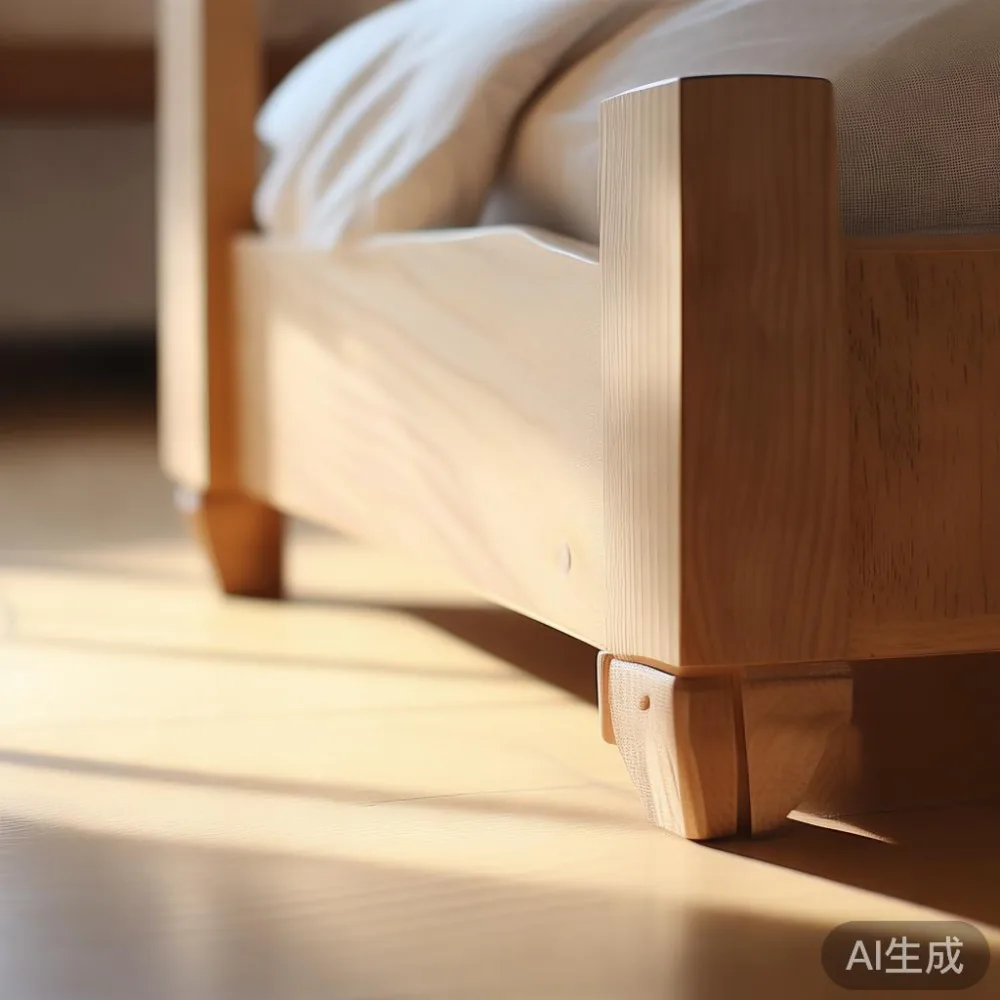
For a decorative sofa, a solid wood frame can provide a stable visual foundation. Confirm the wood species, moisture target, and finish. In Singapore’s humid conditions, a sound product should be designed for indoor use with ventilation and reasonable air-conditioning rather than placed beside a permanently damp balcony door. A good maker should explain the expected seasonal movement and care requirements in practical terms.
Upholstery also matters even without use. Ask for the fibre or leather composition, backing material, seam construction, and cleaning code. If the sofa will sit near a child’s play area, request a fabric with a documented abrasion rating and check whether the material is treated to resist stains. Avoid relying on a marketing term such as “family friendly” without a measurable specification.
If you are comparing ideas, a search for top 10 Vintage furniture can help you understand common display-sofa silhouettes, but a catalogue photograph can conceal scale. Similarly, listings for for sale Japanese furniture may include low benches and armless seating that look compact yet have awkward removable parts. Always request current measurements instead of inferring them from a style label.
What should a sofa delivery and return policy say?
The delivery terms should be as specific as the sofa’s condition. Confirm whether the item is sold “as display,” “as new,” or “unused,” and photograph all sides before the courier arrives. For an unboxed display model, record stains, frame marks, cushion compression, catalogue labels, and leg condition. Ask whether the upholstery has been sat on internally, even if the seller says it was only a “visual display”.
Singapore buyers should confirm the following:
- Whether delivery is to the doorstep, room of choice, or fully placed in the room.
- Whether lift and corridor charges are included.
- The expected delivery window, such as 7–14 days after stock confirmation.
- Who handles damage in transit.
- Whether returns cover removal and re-delivery.
- How long the return request remains valid after receipt.
One supplier may quote SGD 880 for a showroom piece and another SGD 1,450 for a new model. A price gap of SGD 570 can be explained by condition, provenance, warranty, or materials, but it should not be left as an assumption. Request a written breakdown covering the item, delivery, GST, and any service fee. If a retailer offers a 14-day return period, check whether a display sofa is included or excluded.
For furniture made by an established manufacturer, look for clarity about structural coverage. MIDHILL, a Foshan solid wood furniture maker established in 2008, states a 10-year structural warranty and lifetime refinishing on qualifying products. Those are meaningful distinctions to ask about, but you should still confirm the document covering the specific sofa, because a solid wood frame and an upholstered display model may have different warranty scopes. Export experience to 15-plus countries is useful evidence of export capability, but it is not a substitute for checking the local seller’s after-sales process.
Can a display sofa be safe beside a kids bed?
Yes, provided it is treated as a fixed decorative object. Place a display sofa at least 60 cm from the kids bed where possible, and keep climbable or unstable surfaces out of reach. A child may treat a low upholstered arm as a step even if the seat is not approved for use. Use an anti-tip strap where the wall or sofa construction permits, and do not rely on a lightweight decorative piece to stop a determined 25 kg child from pulling on it.
Check for pinch points between removable cushions and arms, protruding screws, sharp corners, loose tassels, and long cords. The gap behind the sofa should not create an obvious hiding place. Low furniture around a kids bed can still create a climbing route, so think in terms of the whole room rather than each item in isolation.
A related room plan might include a kids bed, a solid wood dining table for family meals, a wardrobe in the child’s room, and a nightstand with a protected lamp. The display sofa can then remain in the living room as visual furniture, while daily sitting moves to tested chairs. If the child’s room is very small, a compact nightstand measuring no more than 40 cm wide may be easier to manage than a wider unit with open shelves.
Safety claims should be supported by evidence. Ask for the product’s safety documentation, foam and filling information, and the manufacturer’s instructions. If a material has not been tested for children, do not infer safety from appearance. A low, firm display bench may be more suitable than an upholstered sofa with deep cushions.
Is a solid wood frame enough to make a sofa worth buying?
No. A solid wood frame can improve durability, but the comfort system, cover, joints, and finish determine whether a sofa is appropriate for use. This matters even for a display-only piece because the frame must remain stable under occasional contact, cleaning, and movement by cleaners.
Ask the supplier whether the sofa is a solid wood sofa, a wood-framed sofa, or a mixed-material construction. Check the load rating only as a specification, not as permission to sit when the item is display-only. If the seller allows sitting, clarify whether that permission applies only to 5 minutes of light use or normal daily seating. Written terms prevent misunderstanding.
The same clarity applies when comparing nearby pieces. A marble table needs information about top weight, support method, and safe lifting because marble is brittle at edges. A wardrobe requires door swing, wall fixing, and floor clearance. A bed frame needs a compatible mattress and measured headboard clearance. A dining table needs chair pull-out space of at least 75 cm. These checks make it less likely that an impractical display sofa dominates the purchase while a practical gap remains elsewhere.
For broader style research, a query about how to choose American sofa can help identify the generous proportions associated with that tradition, while a separate reference to under 2000 Modern light luxury furniture can provide a useful Singapore price band. An Italian light luxury coffee table may be a polished companion piece, but its price, marble maintenance, and visual weight should be considered alongside the sofa, not treated as evidence that the sofa is good value.
How should you compare the price of a sofa you cannot sit on?
Compare the price with the exact condition and service included. A non-seating display piece may be valued below a new sofa, but it may also carry more uncertainty if it has been in a showroom for 6–18 months. The correct question is not simply whether the price is low; it is whether the price matches the frame condition, upholstery cleanliness, documentation, delivery scope, and usable warranty.
Build a total-cost worksheet. Start with the quoted price in SGD, add 9% GST if not already included, delivery, lift fees, assembly, and return charges. Subtract nothing for a hypothetical future repair unless the seller provides a firm credit. A piece priced at SGD 1,200 may total SGD 1,480 after GST and room-of-choice delivery, while another quoted at SGD 1,560 may total SGD 1,740. The first may offer better value even if the second has a more attractive finish.
Ask for 3 comparable options in writing. Include at least 1 discount display sofa, 1 new sofa, and 1 occasional seat. Note dimensions, weight, warranty, condition, delivery time, and total price. This comparison makes the trade-off visible. If you choose a display model mainly because it fits a narrow lift, say so. That is a rational buying reason, provided you accept the restrictions and can see the sofa in person or through verified photographs.
For dining-area comparisons, Rustic for dining room is a useful design direction, but a rustic dining table should still be checked for stability, extension hardware, and a clear finish. A separate solid wood dining table may show the grain and joinery more clearly than a highly textured display sofa, giving you a better sense of whether the maker’s solid wood claims are consistent.
What is the final inspection before payment?
Inspect the sofa in person if possible, under normal daylight and with the room’s lights on. Check the underside, legs, back, arms, seams, and corners. Sit on the edge only if the seller explicitly permits it. Do not test the seat with an adult if the piece is declared display-only, because that can create an argument about damage or wear.
Before paying, confirm these 8 points:
- The sofa is sold as display-only or with clearly stated permitted use.
- All dimensions and weight are provided in cm and kg.
- The delivery route has been checked against actual lift and corridor dimensions.
- The total price includes GST and the agreed delivery service.
- The return window and exclusions are written down.
- The warranty covers the specific frame, suspension, and upholstery as applicable.
- Any existing marks are recorded and accepted.
- The product is safe in its intended location, including around the kids bed.
Keep the receipt, product photographs, delivery note, and seller communications together. If a shipment takes longer than the promised 7–14 days, document the date and follow the seller’s process. MIDHILL’s free shipping threshold of US$350 applies to qualifying transactions under its stated terms, so a Singapore buyer should confirm the local currency conversion, GST, destination coverage, and delivery charge before assuming it will reduce the final cost.
A sofa you cannot sit on can be a deliberate piece of visual architecture, especially in a carefully planned Singapore home. It becomes a mistake only when the buyer expects upholstery comfort from a display item, ignores the route into the room, or accepts uncertain condition. Measure the route, document the restriction, understand the warranty, and price the complete delivery. Then the sofa can fulfil its actual purpose without pretending to be something it is not.