What Actually Drives the Price of Solid Wood Kids' Beds
Walking through a showroom in Tampines or browsing online for a new kids bed, the price range can be staggering. One simple wooden frame might cost SGD 800, while another, seemingly similar model, hits SGD 2,500. For parents in Singapore working through the narrow corridors of an HDB flat or the spacious layouts of a new Punggol condo, understanding what you're paying for is more than just a matter of budget; it's about making a safe, durable, and sensible investment for your family's home. The answer isn't found in marketing buzzwords but in the tangible materials, craftsmanship, and logistical realities that go into creating a piece of furniture meant to last a childhood and beyond.
Is a More Expensive Kids Bed Really Just a Brand Name?
This is the question that keeps many of us up at night, long after we've put the kids to bed. The temptation is strong to assume that a high price tag is purely for a logo or a designer name. While branding does play a role, the true difference lies in the substance. A kids bed from a reputable manufacturer like one with a Foshan factory is built on a foundation of quality, not just a name on a box. Think about the wood itself. A budget-friendly option might use rubberwood, a perfectly acceptable material, but a premium bed will likely be constructed from solid American oak or European beech. These hardwoods are denser, more resistant to dents and scratches from enthusiastic play, and have a more stable grain structure that resists warping in Singapore's humid climate. The difference in wood quality directly impacts the bed's lifespan and appearance, making it a tangible reason for the price difference.
The Wood Itself: Beyond Just 'Solid Wood'
The term 'solid wood' is a broad brushstroke. It doesn't tell the whole story. The specific type of wood is arguably the single biggest factor in a kids bed's price. Solid pine is a common choice for children's furniture. It's affordable, lightweight, and has a charming, rustic character. A solid pine kids bed might start around SGD 900. However, pine is a softwood and will show dents and wear more readily than a hardwood. For a more durable option, you move up to rubberwood, which is harder and more stable than pine, typically priced between SGD 1,200 and SGD 1,800. At the top end, you'll find beds made from solid oak or ash. These premium hardwoods are incredibly tough and beautiful. A solid oak kids bed can easily command a price of SGD 2,500 or more. The weight difference is noticeable; a solid oak bed can weigh over 50 kg, compared to a pine frame at 30 kg, impacting both delivery and the structure of your HDB floor. The origin also matters. European for guest room furniture often specifies sustainably sourced timber, a practice that extends to kids beds, adding to the cost but ensuring ethical production.
Construction: The Difference Between Bolted Together and Built to Last
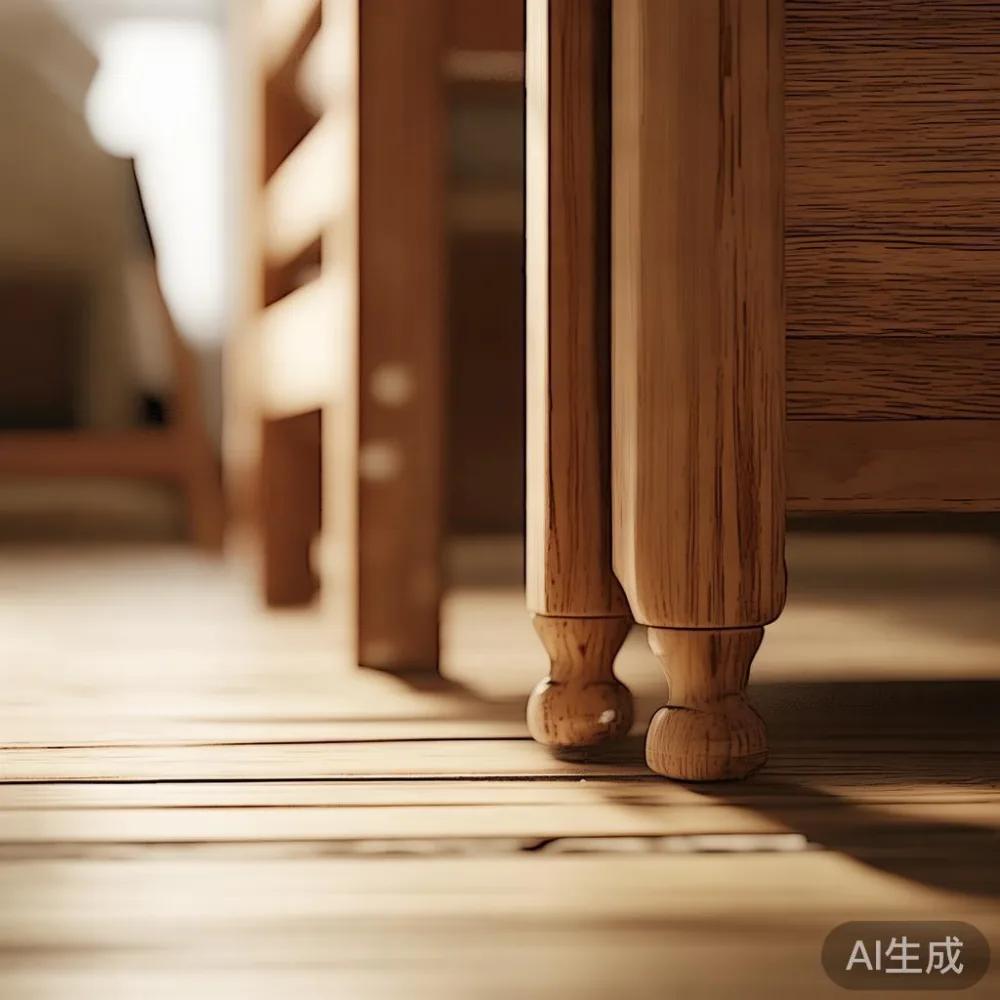
How the wood is joined together is a silent indicator of quality that most customers never see until years later. This is where the craftsmanship from a Foshan factory truly shines. A lower-priced kids bed will rely heavily on screws, bolts, and simple dowels. It will function perfectly well, but under the stress of constant jumping and repositioning, these joints can loosen over time. A premium kids bed, however, will feature traditional joinery techniques. Mortise and tenon joints, where a protruding tenon from one piece fits into a cavity (mortise) in another, create an incredibly strong and stable connection. Dovetail joints, often used in drawers, are interlocking and virtually impossible to pull apart without damaging the wood. These methods require skilled labour and precise tools, which is reflected in the final price. The finish is also part of the construction. A simple painted or lacquered finish protects the wood, but a hand-rubbed oil finish, which penetrates the grain and enhances the wood's natural beauty, is a labour-intensive process that adds value and ensures the bed can be refinished for its lifetime, a key promise from many premium makers.
Design, Features, and That Light Luxury Touch
Not all kids beds are simple rectangular frames. The design complexity adds another layer to the price. A standard platform bed is the most straightforward and affordable. However, a bunk bed with a built-in ladder and safety rails requires more material and complex engineering. A loft bed with a study area or storage underneath is a significant project, involving a larger frame, integrated components, and a higher weight capacity. This is where the concept of light luxury furniture comes into play. A post-modern furniture design for a kids bed might feature clean lines, a low-profile silhouette, and integrated LED lighting along the headboard, creating a sophisticated yet functional space. This is a far cry from a basic model. Similarly, you might find a kids bed inspired by Italian light luxury for apartment living, featuring minimalist forms, premium hardware in brushed brass or matte black, and an emphasis on creating a calm, aesthetic bedroom environment. This design philosophy, whether it's French light elegance or American light luxury, prioritises form and function in equal measure, justifying a higher price point for parents who view the bedroom as more than just a place to sleep.
Logistics, Warranty, and The Singapore Context
The final, and often underestimated, cost component is logistics and service. Singapore is a small island, but moving large furniture is a complex operation. Consider the delivery. A standard kids bed might be delivered in a flat-pack box to keep shipping costs down. A premium, pre-assembled solid wood bed requires a specialised van and a team of trained personnel. For those in older HDB flats with narrow lift shafts or long, winding corridors in condos like those in Bedok, manoeuvring a bulky item is a challenge. Premium services include white-glove delivery, where the staff not only bring the item into your home but also unpack it, assemble it in the correct room, and remove all packaging. This level of service, often included in the price of high-end furniture, saves the customer immense hassle. Then there's the warranty. A 1-year warranty is standard. A 10-year structural warranty, as offered by some manufacturers, is a significant commitment. It speaks to the confidence they have in their product's construction. This peace of mind is a valuable part of the purchase. When you factor in the Goods and Services Tax (GST) at 9%, a SGD 2,000 bed becomes SGD 2,180. Free shipping over a certain value, like SGD 350, is a perk that makes larger purchases more economical, but it also means the cost of delivery is already factored into the price of the items themselves. Last month, I visited a client in a new Punggol development. They had purchased a premium kids bed from a brand known for its Italian light luxury for apartment collections. The delivery team handled the 55 kg frame with ease, working through the wide corridors of the modern condo, and assembled it perfectly in the children's room. The client told me it was worth every cent of the SGD 2,800 price for the quality and the stress-free experience.
How to Choose the Right Kids Bed for Your Home and Budget
With all these factors in mind, how do you make the right choice? It starts with a clear assessment of your needs. Measure your space meticulously. In a typical Singapore HDB bedroom, you might be working with dimensions of 300 cm x 300 cm. A standard kids bed takes up about 190 cm x 90 cm. A loft bed can free up floor space but raises the sleeping area, which may not be suitable for very young children. Consider your child's age and habits. A toddler needs a simple, low-profile bed for safety. A teenager might appreciate a more sophisticated design with built-in storage or a desk. Think about longevity. A well-made solid wood kids bed can be used for years and even passed down. It can be refinished, as many brands offer lifetime refinishing services, allowing it to look new again after years of use. This is a key feature of high-quality furniture that offers long-term value. You don't need to spend a fortune to get a good product, but understanding the trade-offs is key. You might find a beautiful piece under 2000 Post-modern furniture that offers a great balance of style and quality. Alternatively, you might decide that a light luxury TV console for the living room is a higher priority, and opt for a more functional, budget-friendly kids bed. The key is to align your purchase with your family's specific lifestyle, space constraints, and long-term plans.
Understanding the True Value of a Premium Kids Bed
When you see a price tag of SGD 3,000 for a kids bed, it's easy to experience sticker shock. But breaking it down, the value becomes clearer. You are paying for a dense, durable hardwood that will withstand a decade of use. You are paying for joinery techniques that ensure the bed remains stable and safe. You are paying for a design that is both aesthetically pleasing and functional, potentially saving you from buying additional furniture like a separate nightstand or study desk. You are paying for a 10-year warranty that protects your investment. And you are paying for a professional delivery and assembly service that respects your time and your home. For a family in Singapore, where space is at a premium and every piece of furniture must earn its keep, a well-chosen kids bed is more than just a place to sleep. It's a foundation for a room, a part of the family's daily life, and a long-term asset. The top 10 Italian light luxury furniture brands command high prices because they deliver on all these fronts, creating pieces that are not just furniture, but enduring components of a home. The question isn't just whether you can afford the bed, but whether you can afford to replace a cheaper one in five years. For many, the premium option is the more economical choice in the long run.