Preserving the Shine: A Guide to Caring for Lacquered Kids' Bed Surfaces in Singapore's Tropical Climate
Choosing a solid wood kids bed for your home in Singapore is an investment in both style and durability. The rich, deep finish of a lacquered surface, often seen on high-quality pieces from makers like MIDHILL, adds a touch of light luxury to a child's bedroom. However, the tropical climate of Singapore, with its year-round high humidity and temperatures that can climb to 32°C, presents a unique set of challenges for maintaining that pristine shine. The constant moisture in the air can be the enemy of a beautiful lacquer finish, potentially leading to cloudiness, white spots, or even damage if not properly cared for. This guide will provide you with practical, step-by-step advice on how to protect and care for your lacquered kids bed, ensuring it remains a beautiful and functional centerpiece of your child's room for years to come.
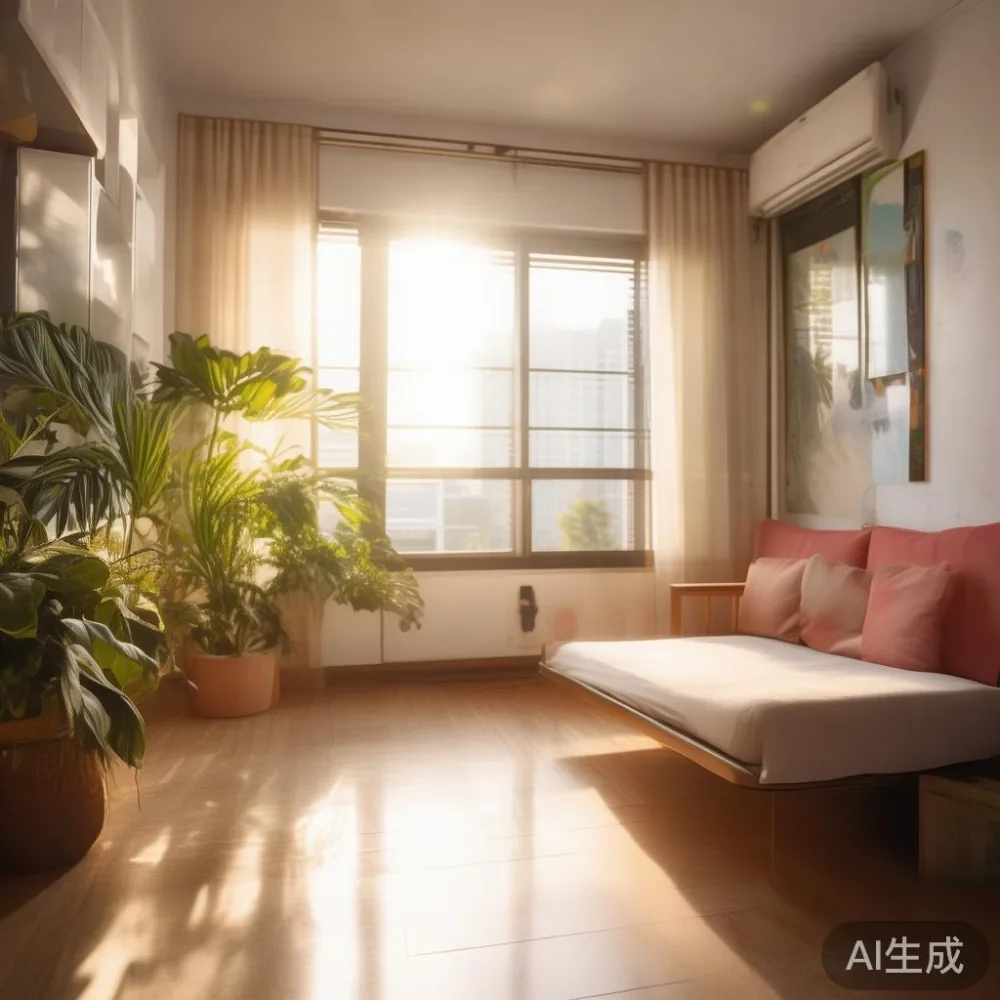
Understanding Your Lacquered Kids Bed Finish
Before we discuss care, it's helpful to understand what you're working with. A lacquered surface is not a simple varnish. It's a multi-layered finish, typically involving a sealer, multiple coats of lacquer, and a final polishing step. This creates a hard, glass-like layer that is highly resistant to scratches and stains. The process is labour-intensive, with some high-end French light luxury pieces requiring up to 15 separate coats of lacquer to achieve their signature depth and mirror-like finish. This is why a solid wood kids bed with a premium lacquer represents a significant purchase, often costing between SGD 1,800 and SGD 3,500 for a standard size like 90cm x 190cm. The quality of this finish is what gives the bed its sophisticated look and protects the underlying solid wood from everyday wear and tear.
For families living in HDB flats or condos in areas like Tampines or Bedok, where natural light can be abundant but so is the humidity, understanding this finish is the first step in preservation. The glossy surface of a lacquered kids bed can make a small bedroom feel larger and brighter, but it also means that any imperfection, like a water ring from a cold drink or a fingerprint, becomes immediately visible. The goal of care is not just to clean, but to protect this delicate, hard-won surface from the specific environmental factors of Singapore.
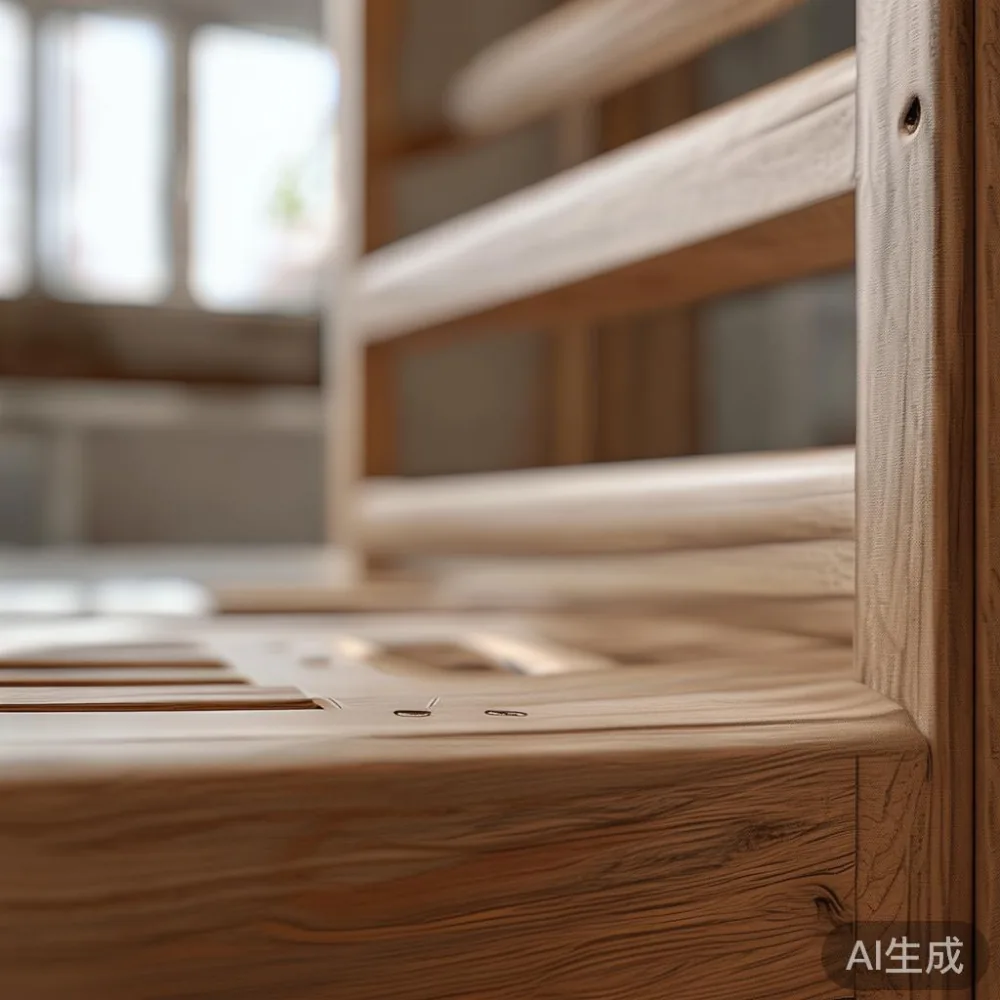
How Does Singapore's Climate Affect Lacquer?
Singapore's climate is defined by its high relative humidity, which often hovers between 70% and 90%. This constant moisture in the air is the primary concern for a lacquered surface. Unlike wood, which can breathe and absorb or release moisture, a non-porous lacquer finish traps moisture underneath. When the ambient humidity spikes, as it often does during the monsoon season from November to January, this trapped moisture can cause the lacquer to become cloudy or develop white spots, a condition known as 'blushing' or 'blooming'. This is especially true for pieces placed near windows or in air-conditioned rooms where the temperature fluctuates.
Temperature is another factor. In a non-air-conditioned room, the temperature can easily reach 30°C. This heat can soften the lacquer slightly, making it more susceptible to dents and scratches from sharp objects or even the hard plastic of a toy. For parents in newer developments like Punggol, where apartment layouts might have wider corridors and lift lobbies, moving a large kids bed in and out of a storage unit or a new home requires extra care to avoid bumping walls and door frames, which could chip the delicate finish. The combination of heat and humidity creates a challenging environment that demands a proactive approach to furniture care.
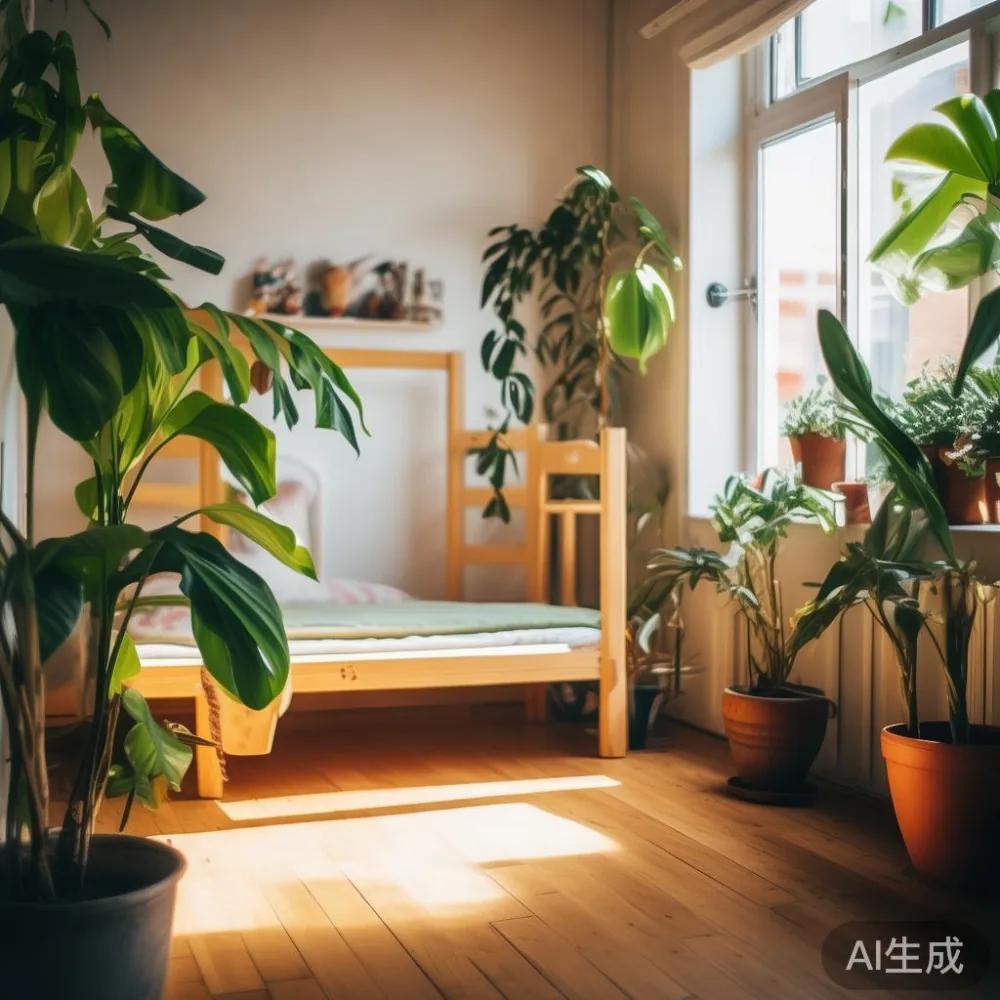
What Cleaning Products Should I Use on My Lacquered Kids Bed?
For cleaning, less is more. Aggressive chemical cleaners are the enemy of a fine lacquer finish. You should never use abrasive scouring pads, strong detergents, or solvents like acetone or nail polish remover, as these will strip the lacquer, leaving a dull, damaged patch. Instead, your cleaning arsenal should be simple and gentle. The best tool is a soft, lint-free microfiber cloth, which will not scratch the surface.
For daily dusting, a slightly damp microfiber cloth is all you need. For a more thorough clean, especially after a spill, you can use a mixture of warm water and a few drops of a very mild, pH-neutral soap. Wring the cloth out thoroughly so it is damp, not wet. Clean the surface in a gentle, circular motion, and always dry the area immediately with a second, dry microfiber cloth. This prevents any moisture from seeping into the wood joints. Avoid spraying the cleaning solution directly onto the bed; instead, apply it to the cloth. This is a simple habit that can prevent water from seeping into seams or around hardware, protecting the structural integrity of your solid wood kids bed over its 10-year structural warranty period.
Can I Place a Lacquered Kids Bed Near a Window?
This is a common question for many homeowners in Singapore. Placing a beautiful piece of furniture, like a kids bed with a stunning French provincial accent chair beside it, near a window can enhance the room's aesthetic with natural light. However, for a lacquered surface, this placement comes with significant risks. Direct sunlight is the most obvious problem. UV rays will cause the lacquer to fade and yellow over time, and the heat from the sun can create hot spots that soften the finish.
More insidious is the effect of indirect sunlight and humidity. A window, especially one that is frequently opened, creates a microclimate of fluctuating temperature and humidity. The warm, humid air from outside meets the cooler, drier air-conditioned air inside the room, leading to condensation on the window and the nearby furniture surface. This repeated cycle of condensation and evaporation is one of the fastest ways to damage a lacquer finish, causing cloudiness and, eventually, cracking.
The ideal placement for a lacquered kids bed is in a part of the room that is not directly exposed to sunlight or drafts. If you must place it near a window, ensure the window has UV-protective film and is kept closed during the hottest parts of the day to minimise temperature fluctuations. For those with a light luxury sofa or other statement pieces in the living area, the same principle applies: protecting them from direct sunlight is key to maintaining their appearance.
How Do I Prevent Heat and Water Rings?
Prevention is always better than cure for a lacquered surface. The most common forms of damage are heat rings from hot mugs or water rings from cold glasses. These occur when the moisture or heat penetrates the finish, causing the wood underneath to swell slightly. This swelling pushes the lacquer up, creating a visible ring that is very difficult to remove.
The solution is simple: always use coasters. Invest in a set of high-quality, non-rubber coasters. Rubber-backed coasters can trap moisture and stick to the lacquer, causing damage when removed. A marble coaster, for instance, not only looks elegant but also provides a perfect barrier between a drink and your kids bed's surface. Similarly, avoid placing hot items directly on the lacquer. Use a trivet or a small decorative table, like a marble table, to hold a lamp or a warm drink. My colleague recently recounted a story about a client who placed a hot hair straightener on her new lacquered nightstand, resulting in an instant, irreversible mark. A simple habit of using protective barriers can save you from a lot of regret.
What About Polishing and Maintenance?
A high-quality lacquered finish is designed to last, but it can benefit from occasional polishing to restore its shine. For everyday maintenance, a furniture polish specifically designed for lacquered or high-gloss finishes is a good option. Apply a small amount to a soft cloth and buff the surface gently. This will fill in minor micro-scratches and add a layer of protection against dust and humidity.
For deeper polishing, you might consider a carnauba wax-based product. These provide a thick, protective layer that can help shield the surface from Singapore's humidity. Apply the wax with a soft cloth, let it dry to a haze, and then buff it off thoroughly with a clean, microfiber cloth. This process should be done no more than once every few months, as over-polishing can build up a sticky residue. Remember, the goal is to protect and enhance the finish, not to cover it up. For those who invest in a piece like a French light luxury bed, this level of care is part of the ownership experience, ensuring the piece retains its value and beauty.
When Should I Seek Professional Help for My Lacquered Bed?
Despite your best efforts, accidents can happen. If you notice deep scratches, significant cloudiness, or water damage that you cannot fix with home remedies, it's time to call in a professional. A professional furniture refinisher has the tools and expertise to repair a damaged lacquer finish properly. They can sand the affected area, re-apply the lacquer, and polish it to match the surrounding surface. This is where the lifetime refinishing warranty from a reputable manufacturer like MIDHILL becomes invaluable. For a piece that has been in the family for many years, professional restoration can bring it back to its original glory, saving you the cost of a complete replacement.
Professional help is also recommended for major structural issues. If you notice that the wood joints of your kids bed have become loose or warped due to extreme humidity, a professional can assess and repair the structure. This is particularly important for large pieces like a solid wood sofa or a wardrobe, where structural integrity is paramount. The cost of professional repair can vary, but for a high-quality piece, it is often a fraction of the price of a new one, extending its life by many years.
Is a Lacquered Kids Bed Right for Singapore's Humidity?
The answer is a qualified yes. A lacquered kids bed is an excellent choice for Singapore, provided you are committed to the care routine outlined above. The finish's high resistance to scratches and stains makes it ideal for a child's active room. The key is to understand the environmental challenges and adapt your habits accordingly. By controlling the environment as much as possible, using protective barriers, and performing regular, gentle maintenance, you can successfully maintain a beautiful lacquer finish.
For families who are concerned about the upkeep, there are alternatives. Some manufacturers offer a 'matte' or 'satin' lacquer finish, which has a lower sheen and is less prone to showing fingerprints and minor imperfections. However, for those who desire the rich, reflective beauty of a high-gloss finish, the extra effort is well worth it. A well-cared-for lacquered bed can become a cherished family heirloom, passed down from one child to the next. With a 10-year structural warranty and a lifetime refinishing promise, your investment is protected, giving you peace of mind as you work through the unique demands of raising a family in the tropics.