How to Choose the Right Kids Bed Size for a Singapore HDB Living Room
A children’s bed can make or break the practical layout of a Singapore HDB living room. The external mattress size matters, but so do the bed frame width, headboard projection, lifting access, corridor turns and clear floor space. In a compact Tampines flat, a standard single may fit more easily than a compact single; in a larger Bedok or Punggol home with generous storage, a small double may suit a child who is still growing. The right choice balances present needs, sleeping comfort and the likelihood of replacing the frame too soon.
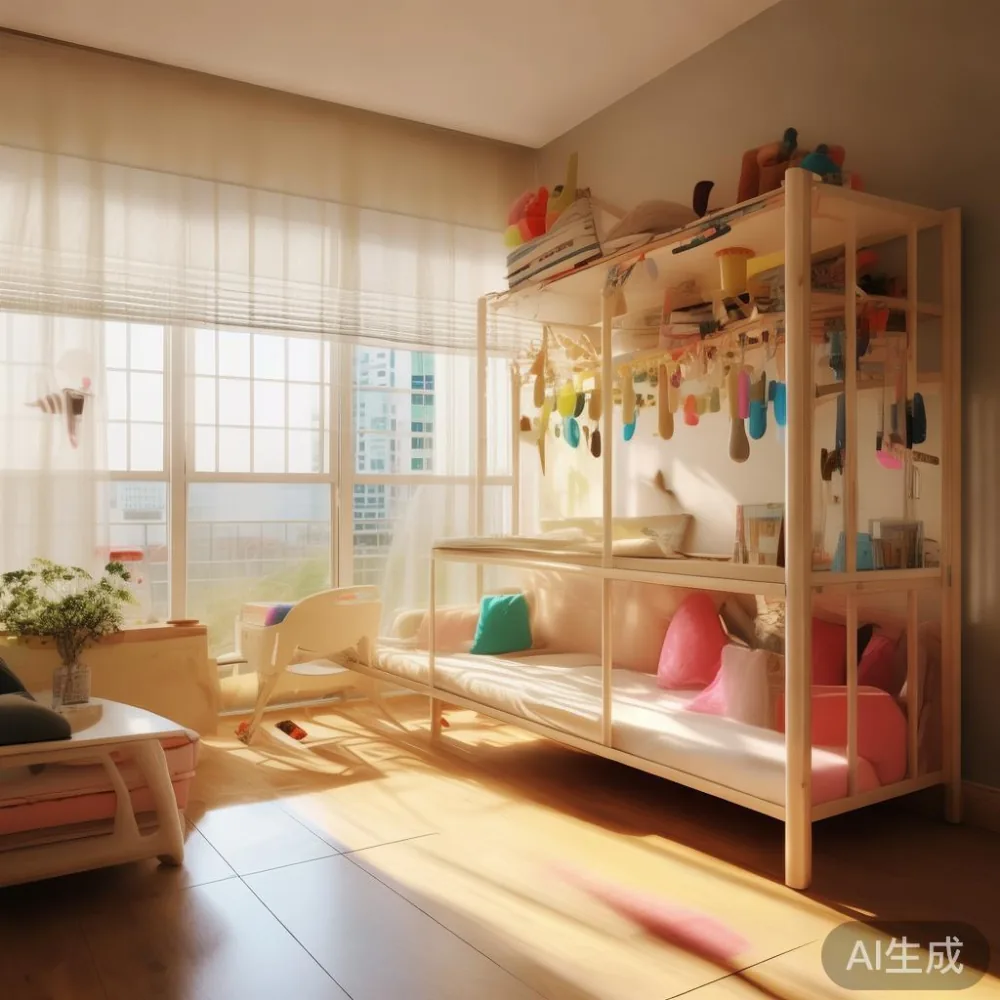
Singapore’s HDB blocks often have compact lobbies, narrow common corridors and lifts that cannot receive oversized furniture without advance coordination. A nominal 100 cm mattress can still become difficult to manoeuvre if its frame is 108 cm wide, 220 cm long and 120 cm high. Before buying, measure the route from the flat entrance to the intended room, including the lift door, corridor corners and bedroom doorway.
MIDHILL makes solid wood children’s furniture with a light-luxury finish, so the discussion is not simply about squeezing in another object. The bed should look calm, proportioned and durable enough for years of use. This guide explains how to select a kids bed size for a Singapore HDB living room, with specific measurements for apartments in Tampines, Bedok and Punggol.
What are the standard kids bed sizes in Singapore?
Singaporean mattress sizing is broadly consistent with international dimensions, but frame measurements vary by design. The common options are:
Compact single: 190 × 90 cm for the mattress. A frame may measure 198 × 96 cm, or approximately 202 × 100 cm with a slightly wider headboard. It is usually suitable for children aged about 3 to 10, depending on height and growth. A compact single gives a narrow sleeping surface, so it can work well against a living-room wall or inside a built-in alcove.
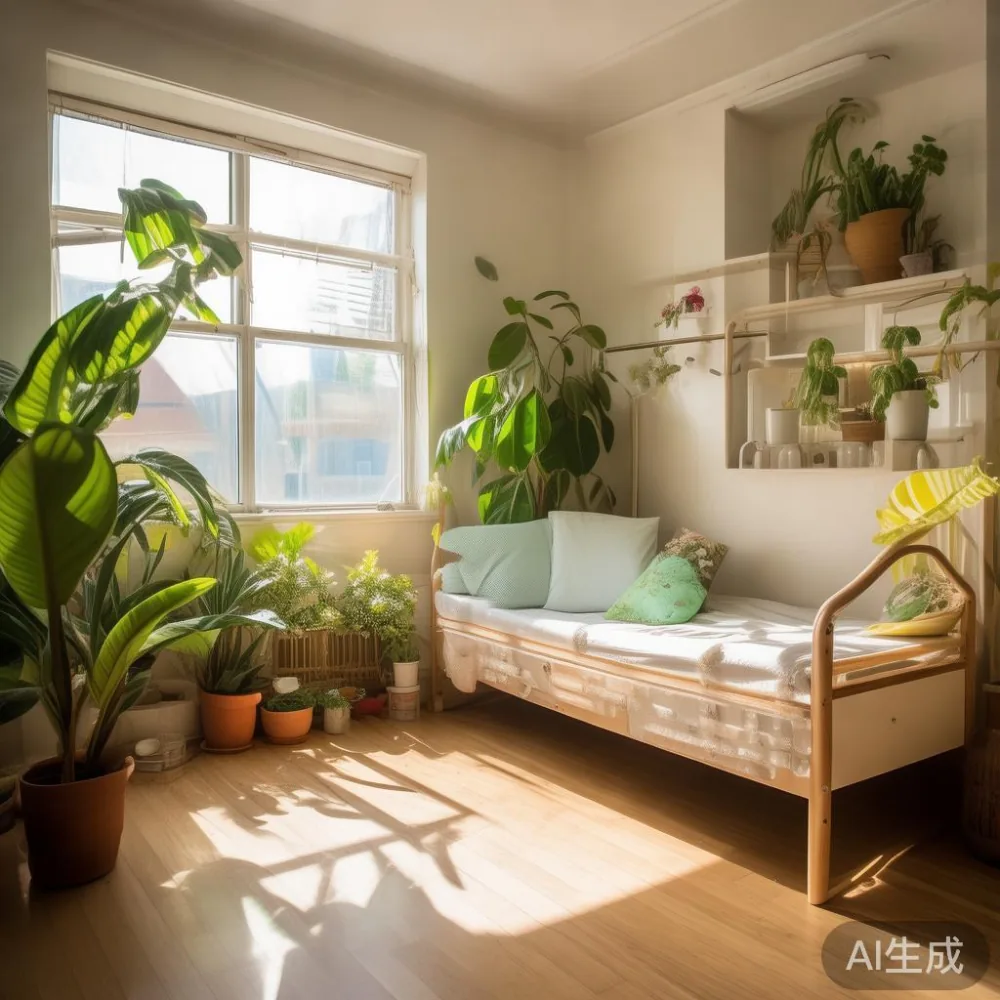
Standard single: 191 × 91 cm for the mattress, with frames commonly around 200 × 100 cm. This size accommodates many children from roughly 5 to 12 years old. It provides more shoulder room than a compact single and remains manageable through most HDB corridors if the frame stays below 105 cm wide.
Small double: 183 × 137 cm for the mattress, with an frame of approximately 190 × 145 cm. It is useful for children around 9 years and older, siblings sharing a bed, or parents who want room for a bedside partner. In a small living room, the extra 45 cm of width can materially affect circulation.
Children’s growth charts are a guide rather than a deadline. Look at shoulder width, height and whether the child can lie flat without their feet touching the end of the mattress. Allow at least 5 cm of space above the mattress for comfortable movement, and check that the top rail of the headboard is not positioned where a standing child could strike their forehead.
For a room used as both a children’s bedroom and a living area, a compact single often provides the best balance. A standard single is sensible when the room includes a study desk, wardrobe or toy storage. Choose a small double only when the extra width serves a clear need and the surrounding circulation still works.
How do I measure my HDB room before ordering a kids bed?
Measure the usable room twice and record both numbers in centimetres. First, draw the room on graph paper or use a floor-planning app. Mark the door swing, window, air-conditioner ledge, sockets, radiators and any columns. Then place the proposed bed against the wall and preserve the room’s main walking route.
For children’s furniture, aim for at least 60 cm of clear circulation beside the long side of the bed where possible. A narrow side can work at 45 cm for a compact single if children do not need to walk there regularly, although that makes changing bedding less convenient. Keep at least 75 cm in front of the foot of the bed if a child needs to dress or if an adult sits nearby to read.
Check skirting boards too. They can reduce the effective wall length by 1 to 2 cm. For a bed placed in an alcove, measure at skirting level and at mattress height because the wall may not be perfectly straight. Leave 2 to 3 cm between the frame and a wall where ventilation or movement is needed.
Do not rely on the HDB floor plan alone. Older flats, renovated units and maisonettes can have different internal dimensions. A 3-room BTO in Tampines might offer around 30 to 40 square metres of internal space, while a larger Bedok flat may provide more flexibility. Personal measurement remains more useful than a block category.
Will the kids bed fit through the lift and corridor?
Yes, if the packaged frame and the route have both been measured. Singapore HDB lift interiors vary, especially in older blocks in Bedok, while newer Punggol developments often provide larger common corridors and lift lobbies. Confirm the lift car’s internal depth, internal width and door opening with the building management or site security.
A practical route check should include:
- The home entrance door, often about 90 to 100 cm wide.
- The corridor width, commonly around 120 to 180 cm in many developments.
- The lift door, often approximately 90 to 100 cm wide.
- The lift car’s internal depth and diagonal.
- Any 90-degree corridor turns.
- The bedroom or living-room doorway, often around 80 to 90 cm wide.
Do not assume the frame can be turned on its side. A solid wood bed frame with fixed side rails and a broad headboard may weigh 35 to 60 kg, while a flat-pack design may weigh 18 to 35 kg. If it separates into 2 or 3 pieces, the largest section is the critical measurement. Record the packaged dimensions and weight rather than only the assembled size.
Last month I visited a family in Punggol with a 3-room flat whose new floorboards sat 12 mm above the old subfloor. Their planned standard single bed measured 202 cm long and 101 cm wide, and the lift car was only 110 cm deep at the rear. The mattress fitted, but the assembled frame could not turn upright without touching the lift ceiling. The family went with a 190 cm compact single in a 198 cm long frame. The delivery crew completed the move in 4 days from the warehouse and needed only 22 cm of extra corridor clearance.
Ask the supplier for a dimensioned delivery drawing before purchase. If the route is tight, select a bed with detachable rails, knock-down headboard and protective corner packaging. Allow the delivery crew 10 to 15 minutes for corridor protection and assembly, and check whether the lift booking carries an admin charge managed by the condo or HDB block.
Which size works in a Tampines, Bedok or Punggol HDB living room?
In a compact Tampines flat, the dimensions of the room and the location of the child’s bed matter more than the neighbourhood. A compact single frame at 198 × 96 cm needs less wall space than a standard single at 202 × 100 cm. The difference is modest, yet it can determine whether a 120 cm toy cabinet can sit opposite without pinching the main path.
For a Bedok flat with a larger living room, a standard single can give a child more restful space without making the room appear crowded. Pair it with a 90 cm wide nightstand and keep the bed 5 cm from the side wall. If the bed must share the room with a dining table, allow 90 cm between chair backs and the bed frame. That is more comfortable than the often-proposed 75 cm minimum.
In a Punggol home with a broad rectangular living area, a small double may be appropriate if the child is close to adult height or shares the bed. Even there, a 190 × 145 cm frame occupies more floor area than a single. Consider whether the child genuinely needs the extra width before accepting the loss of play space.
A French light-luxury bed frame with slender posts can reduce visual weight, but style cannot change its footprint. An American light-luxury design with a deep upholstered headboard may project 8 to 12 cm beyond the mattress, so include that projection in the wall measurement. A post-modern light-luxury frame with clean lines and an open under-bed zone often feels less crowded in an HDB setting.
The bed should also coordinate with any existing solid wood sofa, dining table, wardrobe, nightstand or marble table. A 6-legged or 8-legged solid wood sofa requires different circulation than a compact 3-seat model. For a dining zone, reserve at least 60 cm behind each dining chair when occupied and 90 cm around the table’s outer edge. A shared living-dining area needs a clear route of at least 75 cm from the entrance to the balcony or bedroom.
How should I choose the frame size, safety features and finish?
Choose the mattress size from the child’s body, then confirm that the internal bed dimensions actually accept that mattress. A frame advertised for a compact single may have an internal width of only 88 to 91 cm, which is narrower than the nominal 90 cm mattress. A tight fit can cause the mattress to bulge and may cause discomfort over time.
For children under about 5 years old, look for low-profile rails at least 25 cm above the mattress. Avoid large gaps between vertical slats; a gap under 6 cm is a practical target for small fingers. The gap between the mattress and the side rail should generally be no more than 4 cm, depending on the rail design and applicable safety advice.
Solid pine and beech are common choices for children’s bed frames because they are easier to work with and usually weigh less than denser hardwood. MIDHILL’s solid wood construction uses a 10-year structural warranty, and selected frames can be refinished over the product’s service life. The finish should have a low-odour water-based coating suited to Singapore’s humid climate.
Consider rounded corners, recessed hardware and a stable guard rail that a child cannot easily lift. The maximum recommended load varies by design, so request the stated figure: 80 kg may suit a compact single, while 120 kg may be appropriate for a small double. A heavier frame is not automatically better if children need to move it or if delivery access is restricted.
The floor beneath also matters. A solid wood frame protects the surface, but felt pads should sit under all four legs. Hardwood or tile flooring can amplify rolling-chair noise; a woven rug can soften the room without adding more than 1 to 2 cm of pile. Keep rug edges clear of the bed legs so the frame does not rock.
What should the delivery and return terms be?
Ask for the full price in Singapore dollars, including GST. For example, a compact single frame priced at SGD 549 before GST becomes SGD 618.62 when GST is added at 9%. Confirm whether assembly, lift booking, corridor protection and damage replacement are included. A solid wood kids bed may cost around SGD 420 to SGD 1,100 before GST, depending on timber, rail configuration and headboard design.
Delivery timing should be stated in days rather than vague terms. Standard Singapore deliveries often take 7 to 14 calendar days after the item is ready, while made-to-order pieces can require 30 to 45 days. Ask the seller to reconfirm the block, unit and access date 3 days before arrival. For restricted-lift buildings, a 30-day lift reservation may be needed.
MIDHILL provides free shipping for orders over US$350, equivalent to about SGD 470 at a reference exchange rate of roughly SGD 1.34 per US$1, while Singapore orders below that threshold may still carry a quoted delivery fee. Since exchange rates move, confirm the final Singapore delivery charge before payment. The company also offers a 14-day return window, subject to the condition and packaging rules.
Inspect the package within 24 hours of receipt. Photograph the carton, all 6 sides and the unpacking process. Record any scratches, dents or loose joints before assembly. Solid wood can show grain variation and small tonal changes; these are different from structural splits or damaged joints. Keep the instructions and spare fasteners for future maintenance.
How do I make the chosen bed work with the rest of the living room?
Start with one focal wall and place the kids bed there with a 60 cm clear path on the most-used side. A slim nightstand measuring 35 × 40 cm can hold a book and a lamp without taking the place of a larger wardrobe. A wall-mounted shelf at 140 to 160 cm above floor level can hold books above the bed, provided it is fixed into suitable masonry or a properly rated stud.
Light colours can make a compact room feel open. Warm oak, pale walnut and creamy lacquer pair easily with a solid wood sofa in oatmeal, mist grey or muted beige. For a marble table nearby, keep the veining visually quiet by using simple bedding rather than several competing patterns. If the bed has a dark frame, repeat that colour in one small item to connect it to the room.
Soft lighting also affects the sense of space. A 2700K bedside lamp gives a warm reading pool of light, while a ceiling light at around 3000K supports general activity. Avoid a low table within the 45 cm bedside route. Storage is often more useful than another seat: a 30 cm wide, 120 cm tall cabinet can hold books and clothes, but it should not be placed where the child opens it into the main walkway.
The wider design question can guide the rest of the home. If the living room contains a large sofa, learning how to style light luxury bed in bedroom can help the bed become a coherent feature rather than an isolated purchase. A guide to is French sofa worth it may also help when judging whether a French-style sofa is proportioned for the same room, and searching for best Industrial sofa for 2026 can help distinguish current metal-framed sofa options from timber alternatives. These comparisons still begin with dimensions.
Some style references require care. Understanding how to style Japanese sofa in bedroom can lead toward low seating and restrained surfaces, which may complement a simple kids bed. Exploring French for dining room can reveal warmer upholstery and curved profiles, while European light luxury for office can help identify lighting and desk ideas that work beside the bed without crowding it. Keep the child’s sleeping area calm even if the shared living room has a stronger decorative language.
What is the right size for my child’s bed and HDB room?
The right size is the largest mattress that fits the child comfortably without compromising safe movement through the HDB flat. For most children’s rooms in Tampines, Bedok and Punggol, a compact single around 198 × 96 cm is a practical starting point. A standard single near 202 × 100 cm gives more room to grow, while a small double around 190 × 145 cm is justified by adult-sized sleepers or shared use.
Use this final check before ordering:
- Does the mattress leave at least 5 cm of length clearance and fit comfortably within the internal frame?
- Can the largest packaged section pass the lift door, lift car, corridor turns and bedroom doorway?
- Is there at least 60 cm of circulation on the preferred side and 75 cm at the foot?
- Can a child enter the bed safely, and can an adult change the sheets?
- Are the weight limit, guard-rail height, finish, assembly method and warranty clearly stated?
- Are the quoted Singapore price, GST and delivery days written into the order?
A bed frame should serve the child now and fit the home’s route without leaving the family with a difficult future move. Measure the room and the delivery path, compare the assembled and packaged dimensions, and select from the child’s actual body size rather than a vague age label. That disciplined approach usually produces a more comfortable HDB room and a kids bed that remains useful for years.