Lacquered Kids Bed Care in Singapore’s Humid Climate
A lacquered kids bed can look calm and refined in a Tampines HDB flat, yet tropical humidity, air-conditioning and daily handling place a real test on its finish. Lacquer creates a smooth protective layer over wood, but it is not maintenance-free. Sunlight, moisture, insects, spills and abrasive cleaners can dull the colour or cause fine cracks. The right care routine protects the surface without making a child’s room feel clinical.

This guide focuses on lacquered kids bed care in Singapore, with practical checks for Bedok condos, Punggol family homes and HDB corridors where furniture must pass through narrow shared spaces. It also explains how finishes differ, which cleaning products are safe, how to inspect a delivery and what to do when a mark appears.
MIDHILL has made solid wood furniture since 2008 and exports to more than 15 countries. Its lacquered pieces combine practical protection with the restrained character of American light luxury and post-modern light luxury. Because a kids bed is handled, climbed on and cleaned more often than an adult bed frame, a gentle routine matters more than an aggressive shine product.
What Is Lacquer, and Why Does Humidity Matter?
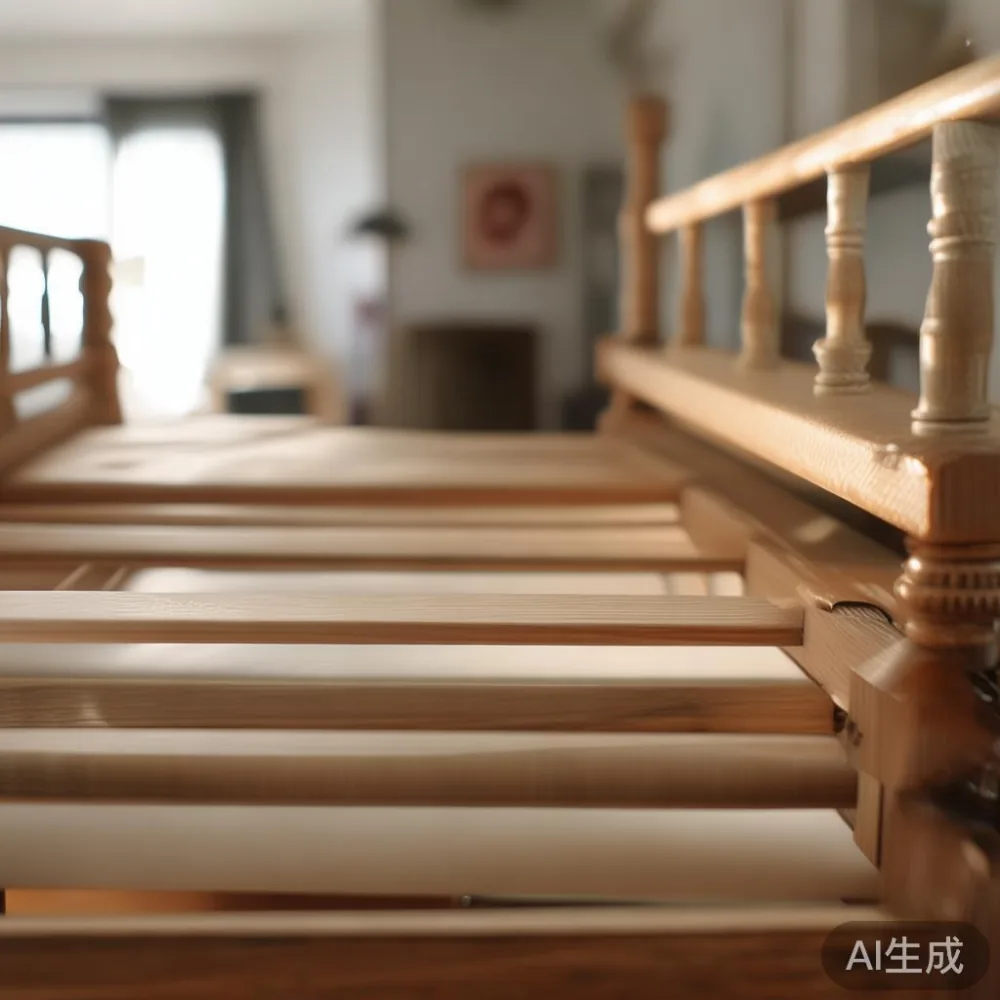
Wood furniture lacquer is a cured surface coating that seals the visible pores of timber. A quality finish may feel velvety, satin or glossier, but should not be confused with the film of plastic on a bagged item. On a solid wood bed frame, lacquer helps slow the exchange of moisture between the wood and the room. It does not make the timber waterproof.
Singapore’s outdoor relative humidity commonly ranges from about 65% to 90%, while heavily air-conditioned bedrooms may sit near 50% to 60%. Sudden changes can make lacquer expand and contract faster than the underlying wood. The result may be fine checking along a rail, slight cloudiness near a joint or a network of tiny surface lines. A stable indoor environment reduces this movement.

Place the kids bed away from direct windows, especially west-facing windows in Bedok and Tampines where late-afternoon sun is strong. A sheer curtain with a visible light transmittance of roughly 40% to 60% will soften glare without making the room dark. Keep the frame at least 30 cm from a window and at least 20 cm from a wall where possible, so air can circulate behind the headboard and side rails.
Use a hygrometer rather than guessing. A reading of 45% to 65% RH is a sensible target for lacquered wood in a tropical home. If the number stays above 70% for days, run the air-conditioner, use a modest dehumidifier and check that the child’s room is not leaking. Wiping condensation from a nearby nightstand promptly also protects the wider setting.
Which Lacquer Finish Is Suitable for a Child’s Room?
Ask the supplier for the exact finish name, sheen level and care instructions before ordering. A low-sheen satin lacquer is usually easier to maintain than a mirror-gloss finish because fingerprints and dust marks appear less prominently. A matte lacquer can also be forgiving, although marks may require more careful rubbing. In European-style rooms, a creamy satin finish can support French light luxury without the high maintenance associated with a highly polished surface.
Water-based lacquers generally have lower solvent odour and are convenient for enclosed Singapore interiors. Solvent-based lacquers may offer deeper colour and excellent resistance, but ventilation and curing time deserve attention. Neither type should be judged by smell alone. A faint odour for 24 to 72 hours can be normal after delivery, while persistent sharpness or irritation is a reason to stop using the room and contact the maker.
Before a kids bed is assembled, inspect all visible panels under daylight and under a warm lamp. Look for colour variation, pinholes, dust in the grain, scratches and areas where the lacquer looks thin. Photograph the bed within 24 hours of delivery, including close-ups of every defect. This record is useful if an item arrives with transit damage.
The finish should complement, not dictate, the room. A French provincial design may suit a classic HDB family room, while a pale post-modern light luxury kids bed can fit a compact condo. For storage, pair the bed with a simple solid wood nightstand and a closed wardrobe to reduce exposed dust. A marble table should not sit directly beside a humid cleaning area because stone and lacquer require different care products.
How Should I Clean a Lacquered Kids Bed?
Begin with vacuuming. Use a brush attachment with suction reduced to about 30% to 50% of its maximum, as strong suction can pull dust into a joint or scratch a coating with an embedded particle. Move along the grain for about 30 seconds per panel, then use a soft microfibre cloth on low suction to collect remaining dust.
For routine cleaning, dampen a clean microfibre cloth with plain water. Wring it until only a few drops remain; the cloth should not leave visible beads on the lacquer. Wipe in the direction of the grain and dry immediately with a second cloth. Once every 2 to 4 weeks is usually enough, or sooner if the child’s hands, pets or snacks leave marks.
A small amount of mild dish soap may be added for a greasy handprint. Mix roughly 1 teaspoon of soap with 500 ml of water, apply it to the cloth rather than the bed, and test a concealed 10 cm by 10 cm area first. Avoid bleach, ammonia, alcohol, acetone, vinegar, alkaline cleaners and furniture polish containing silicone or heavy wax. These can strip the finish, leave a haze or make future refinishing difficult.
Never use a wet mop, pressure washer or steam cleaner on a lacquered bed frame. Do not scrub with a green or yellow scouring pad; the grit can create dull swirls that take months to fade. If a mark resists the damp-cloth method, treat the bed as a refinishing job rather than increasing pressure. Excess rubbing can remove lacquer faster than the original stain.
What Should I Do About Scratches, Marks and Sticking?
First identify what caused the mark. A dust film wipes away, while grease needs a trace of mild soap. Water rings can often be reduced with a lightly damp cloth and gentle circular motion. Paint needs a product approved by the finish manufacturer; household acetone can soften lacquer and must never be applied directly.
For a fine scratch, a lacquer repair pen matched to the colour may disguise the defect. Test it on the underside or an area hidden by the mattress, then allow 24 hours before touching the spot. Colour pens can look wrong on wood with grain visible through the finish, so a professional repair may produce a better result than repeated touch-ups.
A deeper split, lifting edge or exposed timber needs different treatment. Photograph it with a ruler beside the damage and contact the maker. MIDHILL offers a 10-year structural warranty and lifetime refinishing, so manufacturing-related finish defects should be distinguished from accidental damage. A child dragging a metal caster across a rail is accidental wear even if the timber remains sound.
Sticking can occur when humidity or temperature changes alter the wood and lacquer slightly. Do not force the rail. Apply the approved lubricant to a cloth, use very little, and move the joint slowly. If it still binds, inspect the fixing and contact the supplier. A gap of more than 2 mm, a loose screw or a rail that moves by more than 3 mm requires inspection rather than DIY tightening.
For parents comparing room plans, the questions behind a light luxury bed vs Japandi bed comparison often come down to colour, room size and maintenance rather than construction alone. Both styles can use a lacquered solid wood bed frame, but a pale finish shows dirt sooner while a dark finish can show fine dust. The less glamorous answer is usually the finish that matches the household cleaning routine.
How Can I Move a Kids Bed Through an HDB Flat or Condo?
Measure before delivery day. A standard HDB lift opening may be about 90 cm wide and 100 cm deep, although the usable dimensions vary by block. Some residential lifts have door widths near 80 cm, and corridor turns can be tighter than the lift itself. A full bed frame may need to enter flat-packed or be carried in sections; confirm whether MIDHILL delivers assembled.
Check the route from the loading area to the child’s room. Measure the lift door, lift car, corridor width, doorway, ceiling height and any 90-degree turn. Leave at least 5 cm of clearance around a large panel. In Punggol or Tampines, lift renovations can also change access temporarily, so verify the landing on the delivery date.
Protect the lacquer during the move. Wrap each panel in a clean blanket or moving pad, secure it with soft straps and avoid tape on the finish. Two adults should carry a panel over 15 kg, while a panel above 25 kg may need three people or a professional mover. Carry rather than drag, and keep feet from striking a lower rail.
Singapore deliveries commonly take 5 to 10 working days for stocked items, but made-to-order pieces can require 4 to 8 weeks. GST is added at checkout, and shipping is free above US$350. As a local reference, a typical transit fee might be SGD 40 to SGD 120 depending on the lift and access conditions. Confirm the final amount in SGD before confirming the order.
How Do I Prevent Humidity, Insects and Sun Damage?
Keep the bed away from dampness and exterior walls during heavy rain. Wipe the frame if humid air condenses on the surface, and check behind the headboard every 2 weeks. Do not place a damp mattress cover, wet bath towel or uncovered water bottle against the lacquer. A tray on a small solid wood nightstand can contain spills, but it should not press against the bed rail.
Inspect for insects every 3 months. Powderpost beetles leave tiny round exit holes, often around 1 to 2 mm, while termites may show mud tubes near a skirting board. Do not spray insecticide directly onto the finish. Isolate the item, document the evidence and seek professional pest advice. Furniture moved from an infected building should be inspected before it enters a bedroom.
Sun protection is equally important. UV exposure can fade a finish over 1 to 3 years, particularly on a dark colour or a west-facing window. Rotate a freestanding bed occasionally, keep the curtain closed during the hottest hours and avoid placing it under a skylight. If the paint around a window is already fading, the same sunlight will work on the lacquer.
A light maintenance schedule is useful. Check surfaces every 2 weeks, clean every 2 to 4 weeks, inspect fixings every 3 months and review humidity monthly. Record any change with a dated photograph. Small issues can then be handled before a 5 cm chip becomes a 20 cm section requiring replacement.
Can a Lacquered Kids Bed Fit Different Interior Styles?
Yes. The bed can act as a calm anchor in a French provincial child’s room, an American light luxury apartment or a post-modern light luxury family home. What matters is proportion: allow about 60 cm beside the bed for a narrow walkway, 75 cm where a person needs to sit, and 90 cm in front of a wardrobe door. In a compact HDB room, these clearances help circulation and make daily cleaning easier.
A pale lacquered bed may pair with warm timber, while a charcoal finish can define a light industrial corner. The same room can include a solid wood sofa, dining table and wardrobe, but each piece should have enough separation to prevent rubbing. A marble table needs its own coaster and cleaning routine; acidic liquids can etch stone even when they do not harm lacquer.
Several buying guides use broad phrases such as under 2000 French provincial furniture or under 2000 Minimalist furniture, with prices often shown in dollars without a stated currency. Singapore shoppers should verify the currency, GST treatment, dimensions and local delivery cost. A figure that appears to be SGD 1,600 may not be comparable with a USD 1,600 product.
The same care applies when researching how to choose Japanese sofa or how to choose Italian light luxury bed: focus on the finish specification, timber, dimensions and after-sales service. A search for the best Industrial sofa for 2026 can be useful for design ideas, but a metal sofa’s finish system differs from lacquered wood and should not share its cleaning advice.
What Should Happen After Delivery?
Leave the bed in a ventilated room for 24 to 72 hours after delivery, following the supplier’s curing guidance. Open a window slightly or maintain normal air-conditioning, but avoid strong airflow aimed at one panel for hours. Place protective pads under the legs and keep the frame away from walls for the first 48 hours if assembly instructions recommend this.
Inspect the bed with the child’s usual bedding in place. Confirm that rails, steps and guard boards are secure, and check the minimum mattress height for the child’s age and size. The supplied hardware should be tightened according to the manual; over-torque can damage wood or distort a joint.
Test colour with the child’s favourite blanket and a few toys. The lacquer may look warmer under tungsten light and cooler near a window. If the tone does not suit the room, address that before building a permanent styling scheme around it.
Keep the purchase documents, finish specification and warranty details in one folder. A 5 to 10 minute monthly check can prevent a sticky hinge, insect hole or faded panel from becoming a larger repair. Record spills, pets, allergies and the room’s humidity as part of the care plan. Those details help the supplier recommend the correct product when care is needed.
How Often Should a Lacquered Bed Be Refinished?
A well-protected lacquered kids bed may need no visible refinishing for 5 to 10 years. Household wear can shorten that period, especially around foot rails and lower edges. Deep scratches, peeling and lifting are repair triggers; an isolated dull patch is not. Cosmetic polishing can sometimes reduce a mark, but repeated polishing removes coating and exposes the timber beneath.
MIDHILL’s lifetime refinishing policy makes it useful to ask about the exact scope of the service for lacquer. Some finishes can be restored with careful abrasion and recoating, while a complete colour change requires a full refinishing sequence. Ask what is covered, how the bed is collected and whether the colour can be matched after 3 to 5 years of sunlight.
For a heavily used bed, a fitted protector or sacrificial rail cover can reduce damage. Avoid loose plastic sheeting that traps humidity. A washable cotton cover with a smooth underside is more suitable for Singapore conditions.
I tested a similar lacquered rail last month in a colleague’s Bedok home, where the room sat near 75% RH during the monsoon week. After 6 weeks of daily dusting and one damp-cloth clean, the panel showed no haze or tackiness. A nearby nightstand, polished with an aerosol product, developed visible clouding. That comparison confirmed that the simplest cleaning method was also the least disruptive to the finish.
The practical routine is straightforward: control humidity, keep out direct sun, vacuum gently, use a barely damp cloth and respond early to damage. With 10-minute checks, a 2-to-4-week cleaning cycle and annual close inspections, a lacquered kids bed can retain its colour and smooth surface through years of ordinary family life in Singapore.