The Long-Term Value of Solid Wood: A 5-Year Cost Analysis for Your Child's Bed
For parents in Singapore working through the limited space of HDB flats and condos, every furniture purchase is a long-term commitment. The choice of a kids bed, for instance, is not just about immediate aesthetics but about durability, adaptability, and cost over the years. A bed that needs replacing in three years is a hidden expense that adds up quickly. This article provides a detailed, number-driven comparison over a five-year period between two common materials: veneer and solid wood, framed within the specific context of Singaporean living.
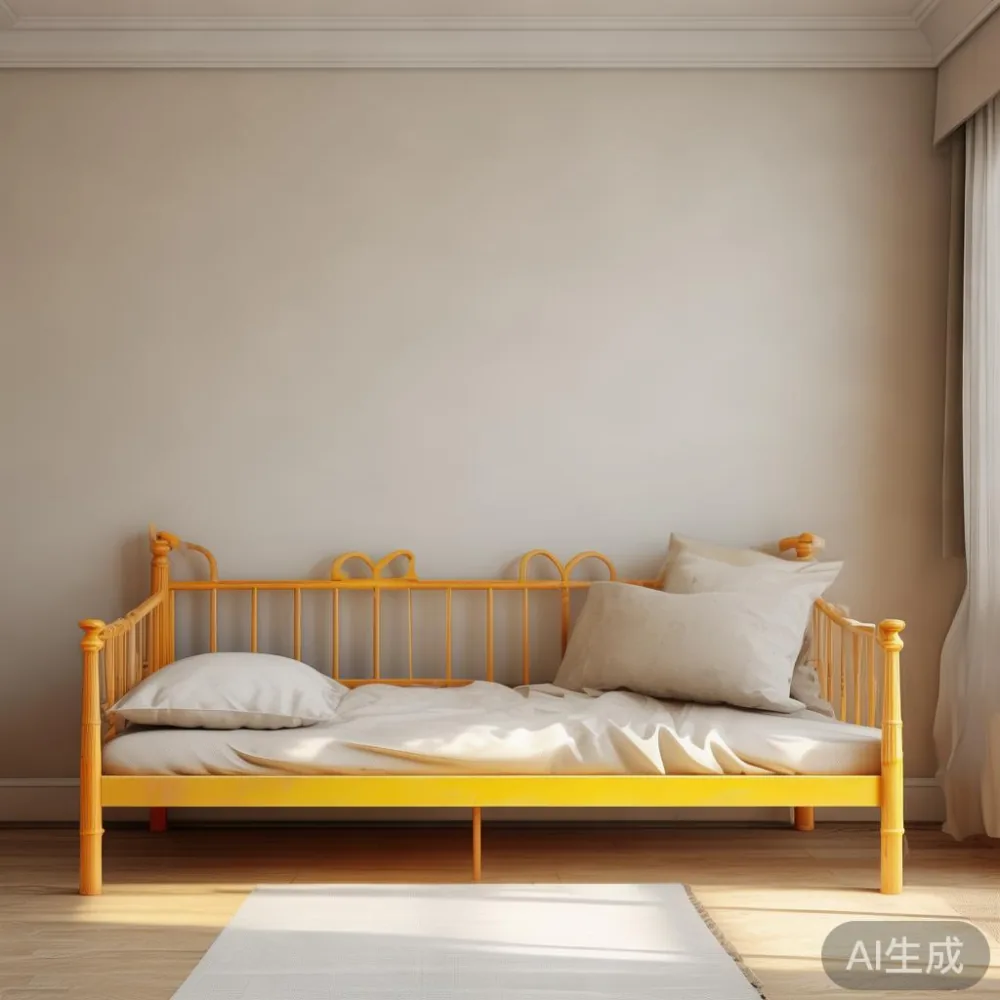
Understanding the Materials: Solid Wood vs. Veneer
Before diving into numbers, it's important to understand the fundamental difference. Solid wood furniture is crafted from a single piece of lumber, like oak or rubberwood. The structure, from the bed frame to the nightstand, is made from this solid material. Veneer, on the other hand, is a thin layer of real wood applied over a composite core, such as Medium-Density Fibreboard (MDF) or particleboard. The surface looks like wood, but the underlying structure is engineered wood. This distinction is the root of all differences in longevity, repairability, and, ultimately, cost.
The Initial Purchase Price: Upfront Costs for a Singaporean Home
The most apparent difference between veneer and solid wood is the initial price tag. Let's compare a standard single kids bed (90cm x 190cm) suitable for a child's room in a Tampines HDB flat.
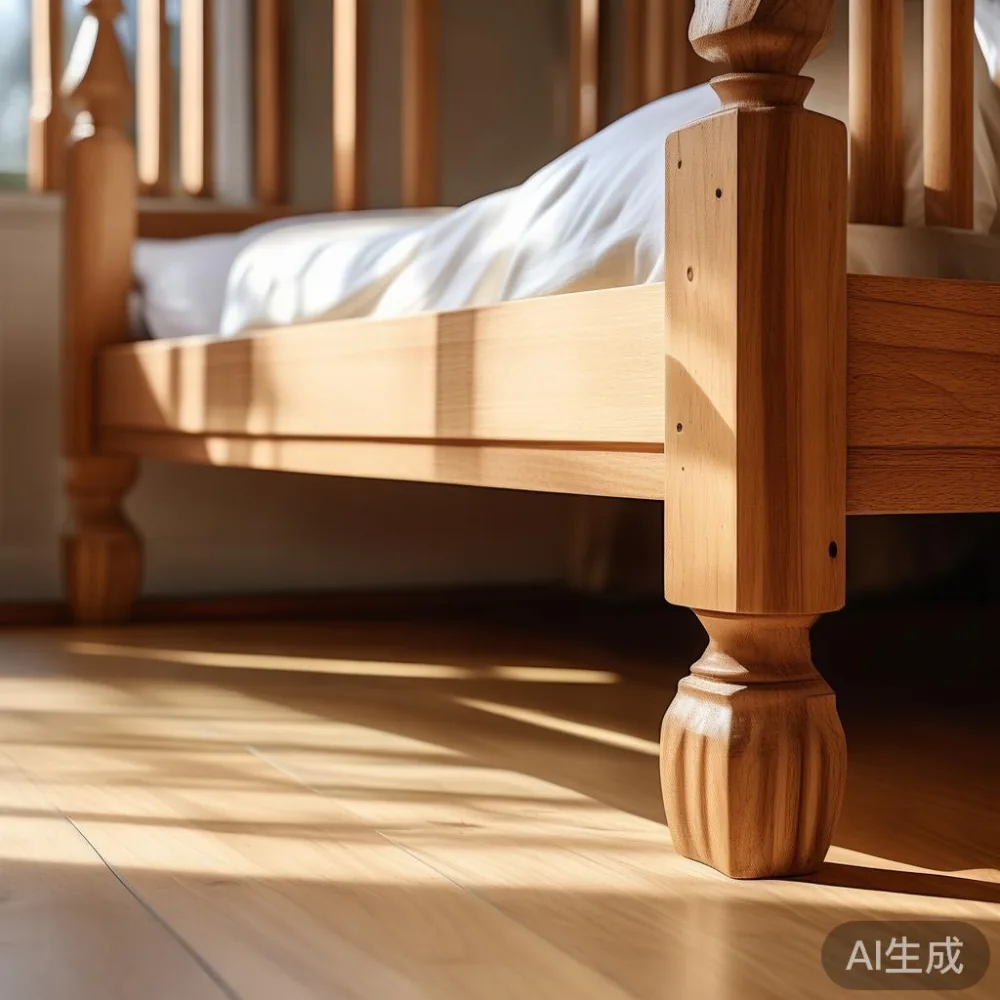
A veneer kids bed might cost between SGD 450 and SGD 650. These beds are often mass-produced, making them affordable. The price includes standard delivery, which for an HDB flat in Bedok might take 3-5 business days. The weight of such a bed is approximately 35-40 kg, manageable for two people moving it through a standard HDB corridor lift.
A solid wood kids bed from a specialist like MIDHILL, made from durable rubberwood, will have a higher initial cost. A comparable single bed would typically range from SGD 980 to SGD 1,380. This price reflects the higher quality of the material and more complex construction. The delivery time might be slightly longer, around 5-7 business days, due to the custom nature of the piece. The weight is significantly more, around 55-65 kg, requiring careful handling in the condo lift of a Punggol development.
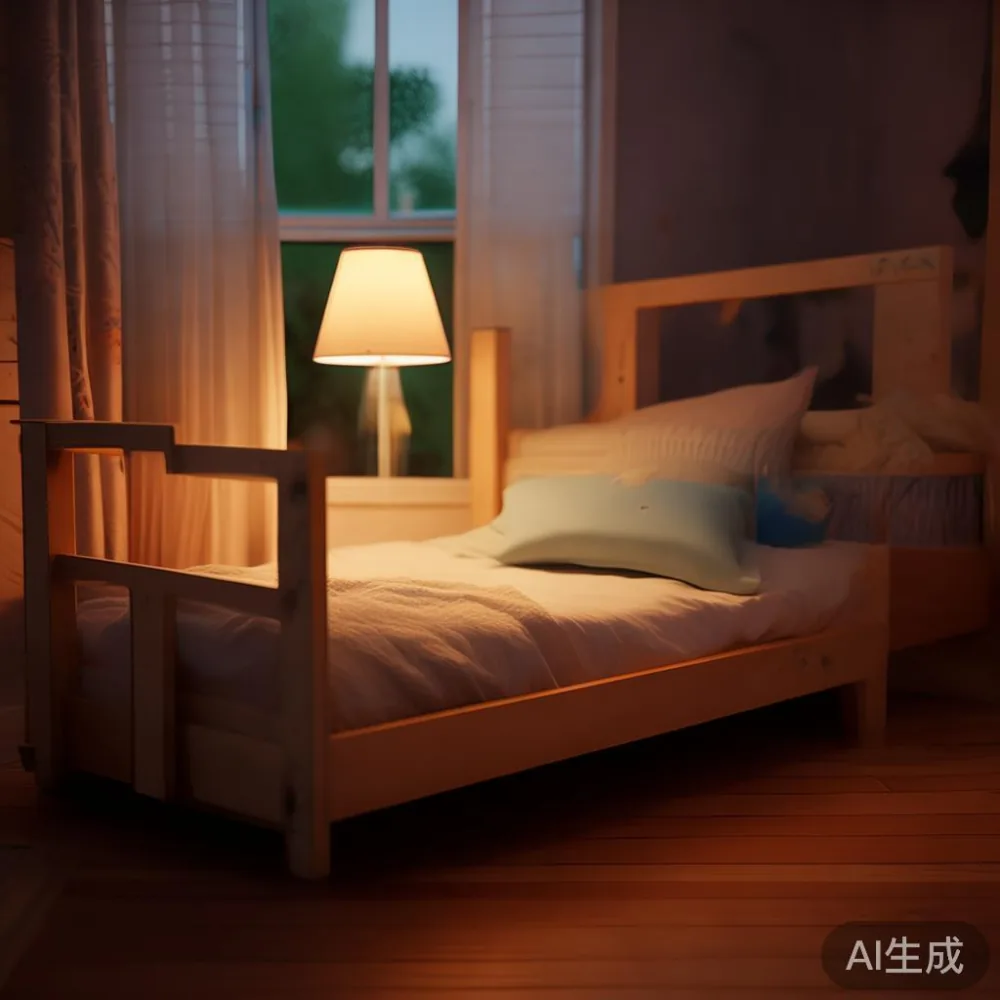
While the upfront cost for solid wood is nearly double, this is just the first figure in our five-year equation. The true cost emerges over time.
Year 1-2: The Wear and Tear Test
The first couple of years with a child's bed are a test of durability. Kids are not gentle. A bedside story might involve a knee bump against the frame. A midnight trip to the bathroom could result in a scrape. The Singaporean climate, with its humidity, also plays a role.
A veneer surface, while looking fine initially, is susceptible to damage. A sharp knock can chip the thin wood layer, exposing the darker MDF underneath. Moisture from a spill or high humidity can cause the veneer to peel or bubble at the edges. Repairing this damage is difficult and often looks unsightly, leaving a permanent scar on the furniture. A colleague of mine, Sarah, who lives in a Bedok HDB, bought a veneer kids bed for her son. Within 18 months, the corner of the headboard had chipped from a stray football, and the finish had started to peel near the humid window. She was already looking at replacement options.
A solid wood kids bed handles this abuse far better. A solid rubberwood frame might show a minor scratch or dent, but the damage is to the wood itself, not a surface layer. These imperfections can be sanded out and refinished, restoring the bed to its original condition. The structural integrity remains uncompromised. For parents, this means peace of mind. The bed can withstand the energetic years of childhood without looking prematurely aged or broken.
Year 3-4: The Crossroads of Repair and Replacement
By the third year, the paths of veneer and solid wood furniture diverge dramatically. For many veneer beds, this is the point of failure. The composite core, especially in a humid environment like Singapore, can begin to weaken. The joints, often held with staples or cheap glue, can start to loosen. A wobbly bed frame is not just an annoyance; it's a safety hazard. The cost to repair a structurally failing veneer bed is often prohibitive, as the damage is usually internal and not fixable. The more likely scenario is replacement.
Let's calculate the cost. A parent who bought a SGD 550 veneer bed at Year 0 now faces a replacement cost in Year 3 of another SGD 550. The total expenditure is now SGD 1,100. This does not include the hassle of disposing of the old bed or the cost of a second delivery.
A solid wood kids bed, meanwhile, is often just entering its prime. The minor scratches from the first two years can be addressed with a simple touch-up or, if desired, a full refinishing. This is where the lifetime refinishing promise from brands like MIDHILL becomes a significant value proposition. Instead of replacing the entire piece, a homeowner can invest in refinishing the existing bed for a fraction of the cost of a new one. A professional refinishing service for a kids bed might cost SGD 200 to SGD 350, restoring it to a like-new condition. The total expenditure for the solid wood bed owner over four years is the initial SGD 1,180 plus a potential SGD 250 for refinishing, totaling SGD 1,430. While the initial cost was higher, the total spend is comparable or even less than the veneer owner who had to replace their bed.
Is a Light Luxury Kids Bed Really Worth the Investment?
This is a question many parents ask when they see the price tags on higher-end furniture. The term 'light luxury' refers to a design philosophy that emphasizes clean lines, high-quality materials, and a sense of understated elegance, rather than ornate opulence. It's about creating a calm, sophisticated space for a child that can grow with them.
A solid wood kids bed fits perfectly within this aesthetic. Its natural grain and sturdy construction embody a sense of quality that veneer cannot match. When a child outgrows a cartoon-themed bed, a solid wood frame can be easily updated. The headboard can be repainted, or new bedding can transform the room's look from a child's theme to a more mature, post-modern light luxury style. This adaptability is a key part of its value. A veneer bed, with its often-uniform finish and tendency to show damage, lacks this flexibility. It is more disposable, less of a piece to be kept and adapted. The investment in solid wood is an investment in a piece of furniture that can transition with your child, saving you from another purchase in a few years.
Year 5: The Long-Term Financial and Practical Picture
Let's look at the five-year horizon. We'll also factor in GST, which is currently 9% in Singapore, and the potential for resale value, a factor often ignored in furniture purchases.
The Veneer Scenario:
A parent buys a veneer kids bed for SGD 550. By Year 3, it is damaged and needs replacement. They buy a second bed for another SGD 550. Total material cost: SGD 1,100. With GST: SGD 1,199. The first bed is likely discarded, having little to no resale value. The second bed is still in use but may show significant wear and tear. The total cost over five years is SGD 1,199, plus the inconvenience of two separate purchases and deliveries.
The Solid Wood Scenario:
A parent buys a solid wood kids bed for SGD 1,180. By Year 3, they have it refinished for SGD 250 to address minor scratches. The bed is now in excellent condition. Total material cost: SGD 1,430. With GST: SGD 1,558. A well-maintained solid wood kids bed has a tangible resale value. After five years, they might be able to sell it for 30-40% of its original price on platforms like Carousell. That's a potential return of SGD 354 to SGD 472. The net cost of the bed is therefore SGD 1,558 - SGD 413 (average resale) = SGD 1,145.
The five-year net cost for the solid wood option (SGD 1,145) is now demonstrably lower than the veneer option (SGD 1,199). This calculation does not even include the non-monetary benefits: the superior aesthetics of a solid wood piece, the peace of mind that comes with a 10-year structural warranty, and the pride of owning furniture that is built to last. For a family in a Singaporean condo, where space is at a premium, having furniture that lasts for a decade rather than three is a significant advantage.