Maintaining Lacquered Kids Bed in Singapore’s Climate
Singapore’s warmth and humidity can be demanding on children’s furniture, especially a kids bed with a lacquered finish. In an HDB flat in Tampines, a bedroom may receive strong afternoon light through a west-facing window. In a Bedok condo, air-conditioning may cycle on and off while the unit retains humidity. Families in Punggol face another practical issue: getting a full-size package from the building’s car park to the lift, along a narrow corridor, and into the child’s room.
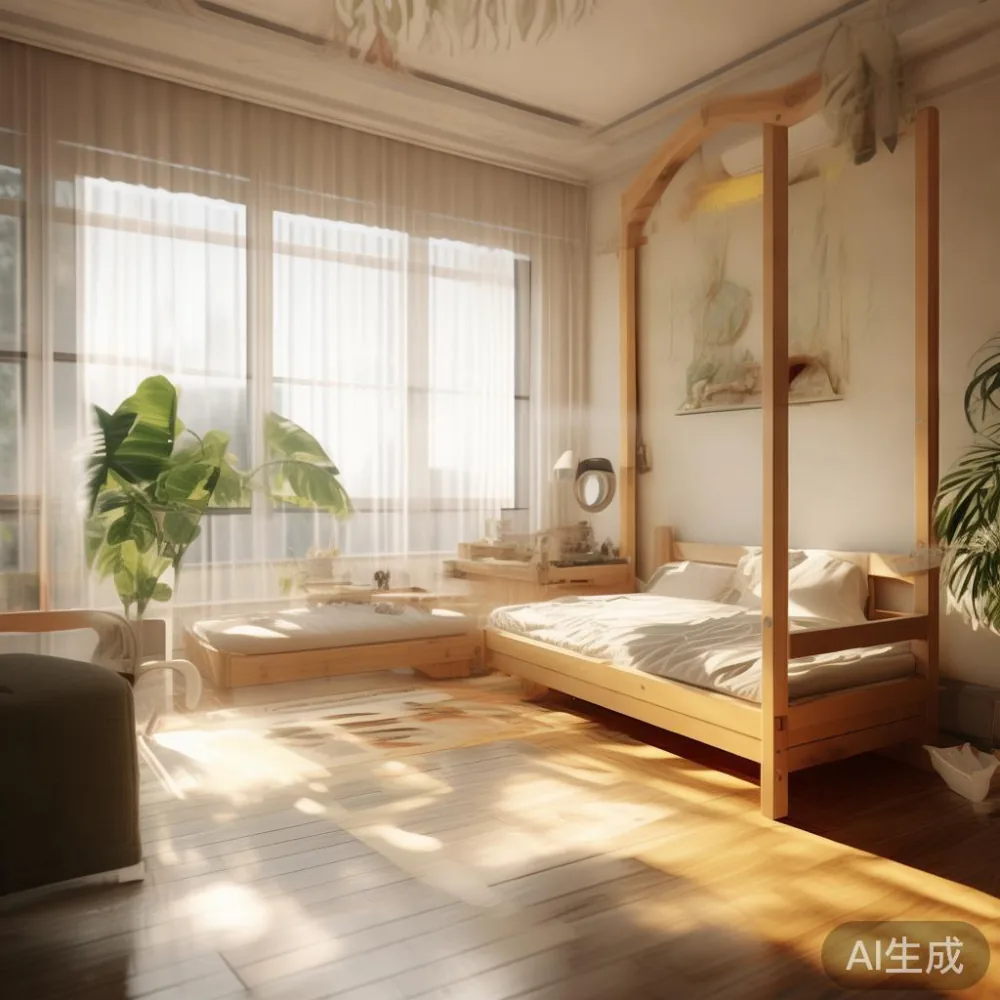
Good lacquer care begins before delivery and continues throughout the year. It does not require specialist equipment, but it does call for a few measured habits: use the right cloth, control moisture, keep the finish away from direct sun, and treat small marks early. For a solid wood kids bed, regular maintenance protects both appearance and the wood beneath the coating.
MIDHILL makes lacquered children’s furniture in Foshan, where humid summers are common. The company has operated since 2008 and exports to more than 15 countries, giving its production team practical experience with moisture, heat, transport, and finishes used in different climates. Its 10-year structural warranty covers the frame, while lifetime refinishing is available for eligible products. For Singapore buyers, delivery over US$350 is free under the stated shipping offer, though local GST and any applicable service charges should still be confirmed at checkout.
Why does lacquer need special care in Singapore?
Lacquer creates a useful barrier over solid wood, but the barrier is not permanent. Singapore’s annual rainfall is about 2,340 mm, and indoor humidity often rises during humid periods. Air-conditioning reduces moisture while the unit is running; once it stops, residual humidity can settle on floors, walls, and furniture. Repeated changes may leave condensation or airborne moisture on a lacquered surface.
Sunlight adds another load. A west-facing HDB window in Tampines might deliver direct afternoon sun for roughly 3 hours on a clear day. A child’s bed placed parallel to that window could develop uneven colour as the UV-exposed section fades faster than the shaded side. Near Bedok’s coastal industrial areas, salty air may also encourage corrosion on nearby metal fasteners, although the lacquer itself should not be allowed to deteriorate through neglect.
Temperature fluctuations matter too. A room may shift from 24°C with air-conditioning to 29°C and 80% relative humidity after switching off. Wood naturally expands and contracts, so lacquer should remain stable rather than being exposed to sharp swings. Singapore’s normal seasonal temperature range is much milder than in many countries, but an unventilated bedroom can still become uncomfortable for a child and stressful for a coated surface.
The lacquer on a kids bed is thinner than many people assume. Depending on the production method, it may be sprayed, brushed, or applied in several coats and then cured. A small scratch can therefore reach the timber if it is not treated. Conversely, abrasive pads, strong solvents, and vigorous scrubbing can polish away the coating faster than an ordinary mark would.
What should I do in the first 24 hours after delivery?
Allow the furniture to acclimatise before dressing it. Keep the kids bed in its packaging or in the room where it will stay for 48–72 hours if space allows. This period lets the timber and lacquer adjust to the room’s temperature and humidity. Do not place it against a cold wall, directly beside an air-conditioning vent, or in a damp cupboard.
Check the finish under daylight and with a 10-power magnifying glass or a magnifying lamp. Look for bubbles, scratches, dull patches, trapped dust, and colour differences. Photograph the whole bed from 4 angles and record the delivery date. If damage is visible, contact the supplier before assembly rather than trying to disguise it.
Confirm that the mattress size matches the frame. A standard Singapore single mattress is usually 90 cm by 190 cm, but children’s beds are also offered in sizes such as 120 cm by 200 cm for older children. Ensure there is at least 5 cm of clearance on the long sides where the design requires it, and keep the bed at least 20 cm from a wall when ventilation is needed.
Before moving the kids bed into a HDB unit, measure the lift door and internal car-park route. A common HDB lift door is around 90 cm wide and 210 cm high, though block sizes vary. Leave at least 5 cm of clearance around the carton’s narrowest point. For a condo with a narrower service lift, check the maximum cart dimensions and turning space with the building management team. A 45 cm-wide furniture dolly is more manageable than a 70 cm trolley in a tight corridor.
How should I clean a lacquered kids bed safely?
Use a clean, soft microfibre cloth for routine wiping. A 30 cm by 30 cm cloth gives enough coverage on a side rail without bunching up. Lightly dampen it with lukewarm water, wring it out until no water drips, and wipe in the direction of the grain. Then use a second dry cloth to remove moisture.
For ordinary dust, cleaning once every 2 weeks is sensible in a frequently used child’s room. Clean more often—about once a week—near a construction route, a balcony door, or a main road where fine particles accumulate. Never spray cleaner directly onto the bed. Spray 2 or 3 pumps onto the cloth, keep the cloth 5 cm from the lacquer, and test the product on a concealed area for at least 10 minutes.
Avoid dish soap, bleach, ammonia, alcohol, and acidic glass cleaners unless the lacquer manufacturer explicitly approves them. Neutral, pH-balanced wood cleaner is a practical choice. Apply no more than 5 ml per square metre of cloth, which is enough to lift a light fingerprint without soaking the coating.
Never use steel wool, scouring pads, nail brushes, or rough towels. Even a new sponge can contain abrasive particles. For sticky residue, use a barely damp cloth and a small amount of neutral cleaner, then wait 24 hours to see whether the mark remains. If it does, seek technical advice instead of increasing the pressure.
Spills should be addressed within 15 minutes when possible. Blot rather than rub, lift the top layer with plain tissue, and follow with the damp microfibre method. Crayons, coloured pencils, and water-based paint usually respond to careful cleaning. Lipstick, permanent marker, and solvent-based paint may need professional attention.
How can I stop humidity and sunlight from damaging the finish?
Position the kids bed away from direct afternoon light where the room allows. Curtains with a light-filtering fabric can reduce UV exposure without making the bedroom gloomy. If the bed must sit near a window, rotate it by 90 degrees every 2–3 months during daylight hours so that one side does not fade continuously.
Use a hygrometer to measure the bedroom rather than guessing. A reading between 45% and 65% relative humidity is comfortable for most Singapore homes. At 70% or above, run the air-conditioner or a dehumidifier and improve ventilation for 30 minutes after waking. Keep the child’s room closed while the dehumidifier operates so that moisture is not transferred into the common corridor.
Do not aim a pedestal fan directly at the lacquer for hours. Air movement helps drying, but forced dust can lodge in joints and scratches. If the bed is near an air-conditioning outlet, ensure the louvre does not blow directly onto it. A 10 cm gap is a simple minimum, though 30 cm is preferable.
Raise the bed slightly above the floor if the home has occasional dampness. The design should permit cleaning beneath it without trapping moisture. A slim bed base that leaves 12–15 cm of clearance is easier to wipe than a fully enclosed frame. Avoid placing bedding, soft toys, or a fabric storage box against a lacquered headboard for long periods, as trapped moisture can linger at the contact zone.
What should I do about scratches, dents, and dull areas?
First identify whether the mark is in the lacquer or in the timber. A fingernail test is useful: lacquer that has merely lost sheen may not catch the nail, while a deep scratch or exposed wood often does. Use a white cotton swab and a small amount of lacquer-safe cleaner to check whether the mark is surface residue. Avoid testing with solvents near a child’s bed.
For a faint scuff, use a soft, clean cotton cloth and make 5–10 light strokes along the grain. Do not polish continuously. Excess heat from friction can soften lacquer and create a shiny blotch that is harder to repair. If the mark remains, photograph it under daylight and contact the furniture supplier for the appropriate touch-up method.
For dents, do not press the coating with a hard implement. Place a folded towel over the area and warm it gently with a hairdryer held at least 30 cm away, moving it continuously for about 20 seconds. This may help the wood recover slightly, but it will not reshape lacquer. Deep gouges and lifted edges should be assessed by a repair technician.
Small chips around a screw hole or connector deserve prompt attention. Moisture entering a chipped area can reach the timber more quickly than a mark on a flat rail. Keep children from climbing on the bed frame; repeated loads may loosen joints and damage the finish around fixings.
These rules apply across MIDHILL’s lacquered range, including a solid wood sofa, dining table, wardrobe, nightstand, and marble table. Different materials still need different care: a marble table requires a pH-neutral cleaner, while a nightstand may be exposed to oils from a bedside lamp. The shared principle is controlled moisture and gentle contact.
How do seasonal furniture choices compare with a lacquered kids bed?
A children’s bed has to work harder than an occasional display piece because it is touched daily. That makes stable joinery, rounded edges, easy-clean finishes, and a mattress that fits the child more important than dramatic ornament. A low-profile guard rail, for example, should sit at least 15 cm above the mattress for a younger child, subject to the product’s safety guidance.
Parents often compare shape language before finish. The question “Japanese bed vs Nordic bed” leads to different priorities: Japanese-inspired designs may favour clean lines and compact proportions, while Nordic styles often use pale timber and visible material character. A lacquered kids bed can suit either direction without losing the practical focus.
For a larger bedroom, the question “how to choose European light luxury bed” brings spatial planning into the discussion. A king-size bed measuring 180 cm by 200 cm needs roughly 75 cm of clear space on each side for drawers or bedside access. In a Tampines HDB room, a 120 cm by 200 cm children’s bed may offer a better circulation path than a queen-sized model.
French light luxury often pairs a pale, calm palette with crafted details, while American light luxury tends toward generous comfort and a more relaxed visual mood. Post-modern light luxury can introduce clean geometry and contrasting forms. For a child’s room, the result should still be light enough for daily use: satin lacquers generally show fewer fingerprints than high-gloss coatings, although every finish needs care.
Contemporary references such as a Modern light luxury wardrobe, Japanese sofa vs Modern sofa, best American sofa for 2026, and luxury French provincial furniture are useful when developing a coordinated home. They should not crowd the child’s room. A simple kids bed, one soft rug of 160 cm by 230 cm, and 1 wall-mounted shelf can create a calm setting without filling the walking route between the door and window.
What is a practical monthly care routine for Singapore homes?
Set a recurring reminder on the last Sunday of each month. Spend about 10 minutes inspecting the kids bed, 5 minutes dusting, and 3 minutes checking the bedroom humidity. Use a soft brush with 2 cm bristles to remove dust from narrow joints, but do not push grit into scratches.
Every 3 months, check the lacquer near handles, stair treads if present, the headboard, and the lower rails where mopping water may have been splashed. Wipe those areas with a lightly damp cloth. Every 6 months, check that the fixings remain tight, using the torque specified by the manufacturer rather than estimating force.
Once a year, inspect for UV fading by comparing shaded and exposed surfaces in daylight. If the difference is obvious, adjust the curtains or bed position. Record the condition in photographs so that a future repair technician can distinguish new marks from wear.
Quality is not only visible at handover. In one MIDHILL project I visited last month, the packing team used corner protection around a lacquered frame and checked the finish under neutral lighting before sealing the carton. That experience reinforced a simple point: careful wrapping and installation are part of lacquer care. After the team placed the bed in a mock room and wiped the rail with a damp cloth, no residue appeared after 10 minutes.
Foshan Lingzhan is often associated with the region’s wider furniture-making network, but a product’s origin alone does not guarantee finish longevity. Ask how many lacquer coats were applied, which sealer and cleaner are approved, how the timber was dried, and what after-sales support is available. A clear care guide should specify cloth type, moisture level, cleaning intervals, and substances to avoid.
MIDHILL offers a 14-day return window, subject to the applicable terms, and a 10-year structural warranty on eligible products. Confirm the finish coverage, delivery date, and return conditions before accepting the kids bed. Delivery timing matters in a tropical home: allow 7–14 days for many Singapore orders, while made-to-order pieces can take longer. Lift access, assembly, and GST should be confirmed rather than assumed.
The most effective routine is also the simplest. Keep the lacquer dry, keep it shaded, clean it with a soft cloth, and respond to damage in the first 24 hours. Used consistently, those habits help a kids bed retain its colour and smoothness through Singapore’s heat, humidity, and everyday family life.