Maintaining Lacquered Kids Beds in Singapore’s Climate
Singapore’s humidity makes a lacquered kids bed surprisingly demanding to maintain. In an HDB flat in Tampines, a polished bed frame can collect condensation within 3 minutes after the air-conditioner switches off. In a Bedok condo near the coast, salt in the air may settle on lacquer in fewer than 30 minutes. These conditions can leave dull patches, fine cracks, and peeling edges if the finish is treated as if it were living in a dry European interior.

The good news is that a well-made lacquered surface can remain attractive for 10 years or more with sensible care. MIDHILL designs its lacquered kids bed around solid timber construction and provides a 10-year structural warranty, with lifetime refinishing support. That protects the frame, but the lacquer still needs a consistent cleaning and humidity routine.
How does tropical humidity affect lacquer on a kids bed?
Lacquer cures and hardens through chemical drying rather than simply air-drying. Temperature and humidity still influence the result: rapid moisture gain can slow curing, while condensation may penetrate a scratched finish. A Singapore bedroom often sits at 27–31°C and 65–85% relative humidity, especially during the monsoon periods.
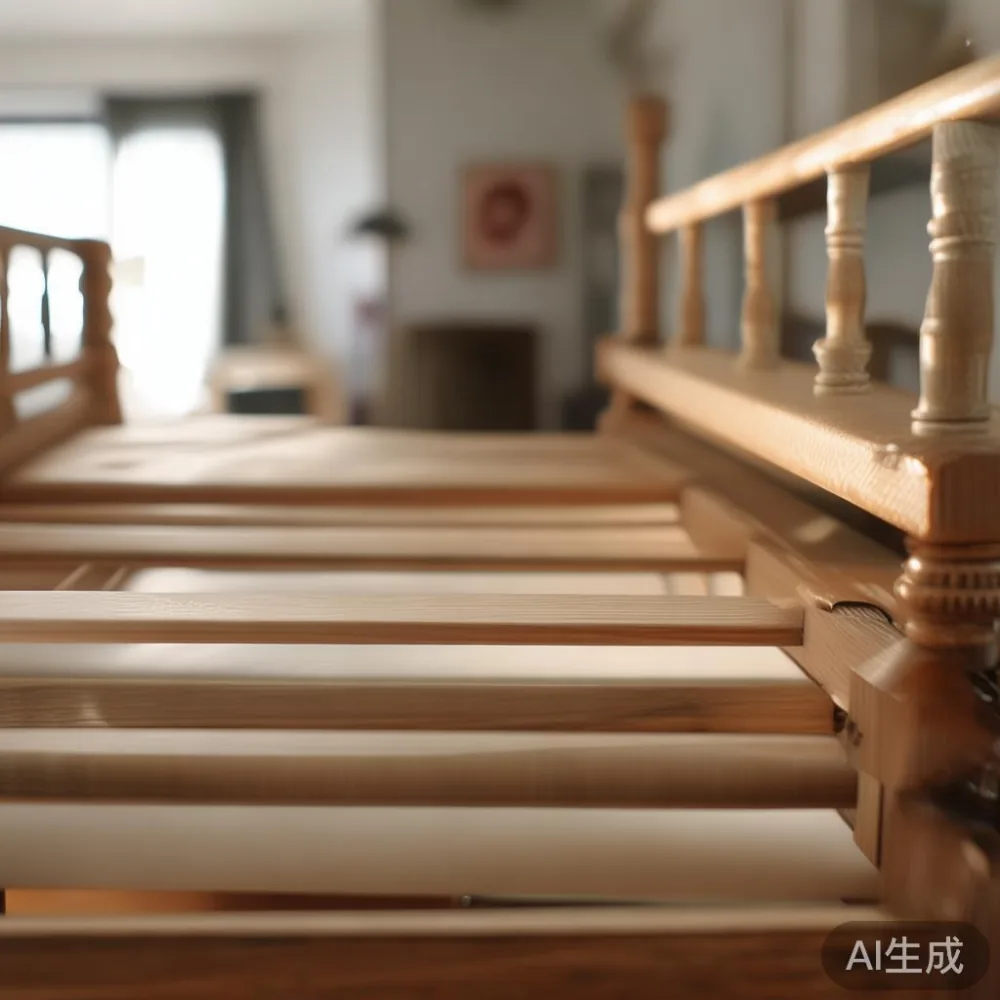
A common mistake is to wipe every mark immediately with a damp cloth. Water can enter hairline scratches, while strong household cleaners can dissolve the top layer. Another mistake is to park the bed against a cold exterior wall in Punggol. Maintain at least 5 cm between the headboard and the wall so air can circulate, and keep the bed frame at least 30 cm from open windows during heavy rain.
Check lacquer every 2 weeks during humid months. Run a clean finger over the surface: if it feels slightly tacky, allow another 24–48 hours before normal use. If the coating feels dry but looks cloudy, residue or moisture is the more likely cause than a failed finish.

What supplies do I need for a lacquered kids bed?
Gather 5 items before starting: a soft microfibre cloth, a second cotton cloth, a pH-neutral diluted cleaning solution, 0000 steel wool for tiny isolated marks, and clear furniture wax suitable for lacquer. The two-cloth method matters—one cloth carries the cleaner, while the other removes residue. Use only 5–10 ml of cleaner per 1 litre of water, and test it on a concealed 10 cm × 10 cm area for 24 hours.
Keep alkaline products, bleach, alcohol, nail-polish remover, and abrasive pads away from the surface. Their residues can dull lacquer within 15 minutes. Do not apply wax over an unclean or damp area. The layer should be thin enough to buff in 5 minutes rather than left sticky for days.
For larger furniture decisions, buyers sometimes search for the best European bed for 2026 or compare 2026 Italian light luxury furniture. Those style questions may lead toward an upholstered bed, but a lacquered kids bed requires a different care plan because children spill milk, crayons, water, and sunscreen near it.
What is the safest way to clean a lacquered kids bed?
Begin by removing toys, bedding, and loose dust. Vacuum the frame with a brush attachment for 2 minutes, then wipe with a barely damp microfibre cloth. Follow with the dry cotton cloth and inspect under a 10-watt desk lamp. This simple routine is enough for 95% of ordinary maintenance.
For sticky residue, use the diluted pH-neutral cleaner once, then dry immediately. Avoid soaking timber edges, joints, and any routed details. If the bed has a marble table or marble accent nearby, prevent cleaner from running onto the stone. Although marble may tolerate mild soap, acidic cleaners can etch its finish.
Spills should be removed within 15 minutes. Blot rather than scrub, especially around a child’s water bottle or humidifier. Crayon marks can be lifted gently with 0000 steel wool on a solid lacquer patch, but stop after 5 light strokes. Test any mark first because aggressive rubbing can create a pale halo.
Can I use furniture wax on lacquer in Singapore?
Yes, provided the wax is labelled for lacquer and applied sparingly. Wax adds a sacrificial layer that helps interrupt the cycle of condensation and abrasion. Apply it 2–3 times per year, or more often if the bed is near a balcony door and you notice frequent fingerprints and moisture spotting.
Work in 15 cm sections. Buff each section for 3–5 minutes with a clean, dry cloth. Do not wax the underside, floor-contact points, or any moving joint unless the product instructions specifically allow it. Excess wax can gather in corners and attract dust within 7–10 days.
After waxing, leave the room ventilated for at least 4 hours. Keep children off the bed during that period. The coating may feel dry after 60 minutes, but it needs longer to settle fully in humid weather. A faint, even sheen is desirable; patches of oiliness suggest too much product was applied.
Is Italian light luxury sofa worth it for a humid family home?
The question is usually less about the name than about the material and aftercare. An Italian light luxury sofa may use elegant leather, finely finished timber, and precise joints, yet every surface still meets Singapore’s humidity. Ask the supplier for the leather or fabric content, cushion density, frame warranty, and care instructions. For a busy family room, removable covers and replaceable cushion inserts can be more practical than an elaborate finish.
The same principle applies when assessing a solid wood sofa, dining table, wardrobe, or nightstand. A French provincial wardrobe can be beautiful, but moving it away from an exterior wall and maintaining stable indoor humidity matters more than a decorative profile. Understanding how to choose French provincial wardrobe involves checking the timber, drawer runners, finish type, and dimensions against the actual HDB or condo access route.
Before delivery, measure your lift, landing, corridor, and door. A common HDB lift opening measures roughly 80–90 cm, while internal corridors can be 90–120 cm wide. A 140 cm-wide bed frame may need disassembly. If the supplier mentions under 2000 Rustic furniture, ask whether that refers to the item’s price in another currency and whether delivery to Singapore is included.
How should I control moisture around the kids bed?
Target a relative humidity of 50–65% where possible. Portable hygrometers cost about SGD 25–45 and make the condition visible. Place one in the child’s room for 2 weeks and record the morning and evening readings. Sustained readings above 70% call for stronger moisture control; persistent readings above 80% warrant checking window seals, wall condensation, and ventilation.
Use the air-conditioner in moderation rather than relying on short bursts. A 5-minute cycle in an overly humid room may cool surfaces without removing enough moisture. Where permitted, run a dehumidifier for 2–4 hours and keep the outlet clear. If condensation forms on the lacquer, switch off direct airflow and let the surface return gradually to room temperature.
Do not use heaters directly beside the frame. A 60 cm gap is sensible for portable heaters, although manufacturers’ instructions take priority. Rapid warming and cooling can cause lacquer to check around tiny surface defects. The safer rhythm is stable: around 26–29°C, moderate airflow, and no cold drinks or damp towels left on the frame overnight.
How do I remove scratches without damaging the finish?
Assess the damage under daylight and a 10-watt lamp. A fingernail that catches a mark usually means a deep scratch. A mark that can be wiped away is probably surface residue. For light scratches, apply a small amount of lacquer-safe wax and buff in a straight line for 2 minutes. Circular rubbing can create a visible swirl.
For a deeper mark, use 0000 steel wool only if the finish is solid lacquer, then apply a compatible clear repair lacquer. Mask a 1 cm border with low-tack tape and use 2 thin coats, waiting 24 hours between them. Feather the edge with a clean brush rather than applying a thick blob.
If the damage reaches the timber, consider professional refinishing rather than repeated DIY repairs. MIDHILL’s lifetime refinishing service gives owners a route back to the original finish, subject to service terms. Deep gouges from toys, bicycles, or moving furniture may not be cosmetic issues, and excessive sanding can remove too much lacquer.
How can I protect a kids bed from spills and daily wear?
Use washable cot sheets and a fitted protector rather than covering the lacquer with a permanently damp mattress pad. Decals and stickers can trap adhesive beneath their edges for 6–12 months. Remove them every 2 months and check for residue, especially on bunk-bed guardrails and ladder rungs.
Fit a slim silicone barrier around a frequently touched headboard, but leave the wood exposed enough to breathe. Keep humidifiers and air freshers at least 60 cm away. Position a child’s nightstand so that a cup cannot be knocked onto the frame. Midnight drinks are a frequent source of rings on lacquered surfaces.
When lifting the bed frame, use 2 people for pieces over 35 kg and remove drawers or detachable rails first. Do not drag the bed across a tiled floor. Lift it 2–3 cm and carry it upright through narrow corridors. Scratches made during installation are avoidable, yet refinishing remains available if an accidental mark appears.
What should I do if lacquer begins to peel?
Stop using the affected area immediately. Peeling can signal moisture beneath the finish, incompatible cleaning, or impact damage. Photograph the affected section, measure the damaged area, and check nearby joints for swelling. Keep bedding and toys away from it until the surface is assessed.
Small bubbles may sometimes be managed with a compatible repair product, but widespread lifting should be treated professionally. Do not paint over the patch with household enamel. Different resin systems may not bond, and the repair may fail again within 3 months.
MIDHILL can be contacted on +86 188 2788 2512 for guidance on refinishing or replacement options. For households comparing neighbouring pieces, it is reasonable to ask whether a lacquered finish suits a child’s room at all. An unfinished or lightly oiled timber bed may tolerate handling more easily, although it will show different marks and require its own maintenance schedule.
How often should a lacquered kids bed be maintained?
Use a 3-part routine. Each week, remove dust and check spills. Every 2 weeks, inspect the finish under good light. Every 3 months, clean the frame and apply wax if it is in a humid room or shows frequent contact marks. After heavy rain, inspect any bed near a balcony or external wall within 12 hours.
Serviceability should be checked at least twice a year. Tighten visible fixings by hand, confirm that guardrails sit securely, and make sure the mattress does not press against a lacquered edge. Follow the furniture care instructions supplied with the product and record any finish changes in a household file, including dates and products used.
For broader apartment planning, measuring the route is as important as caring for the surface. A bed frame that arrives without damaging the lift or corridor is already one step ahead. MIDHILL offers delivery across Singapore, with delivery timing confirmed per order, free shipping on qualifying orders over US$350, and a 14-day return window. Local prices should be requested in SGD, and any GST treatment checked before payment.
A lacquered kids bed can remain graceful in a Tampines, Bedok, or Punggol home when care is measured in small routines rather than constant repair. Keep moisture away, clean gently, wax sparingly, and respond early to a mark. With steady care, the lacquer can preserve the clean lines of French light luxury, post-modern light luxury, or American light luxury styling while giving a child a practical place to grow.