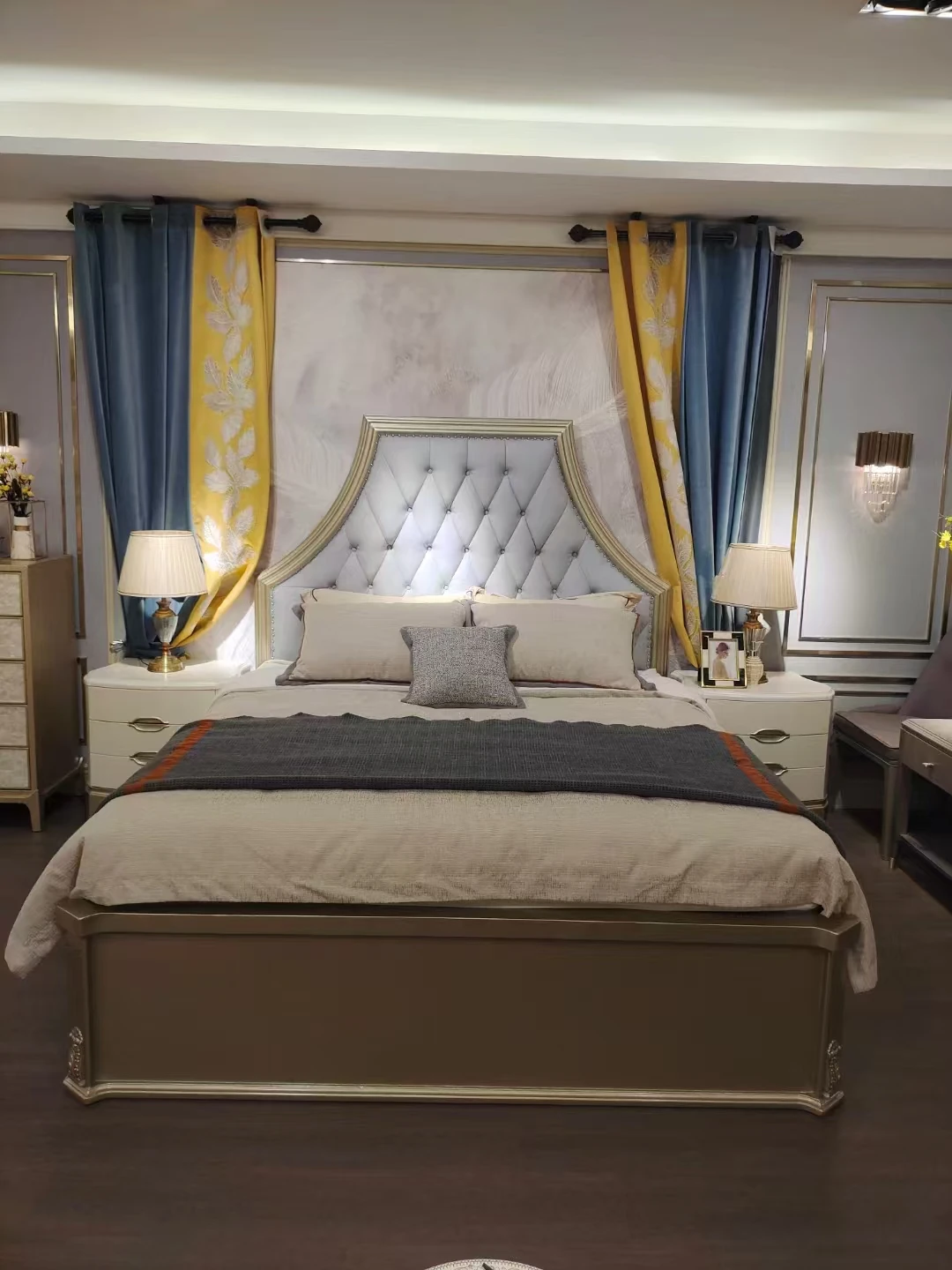
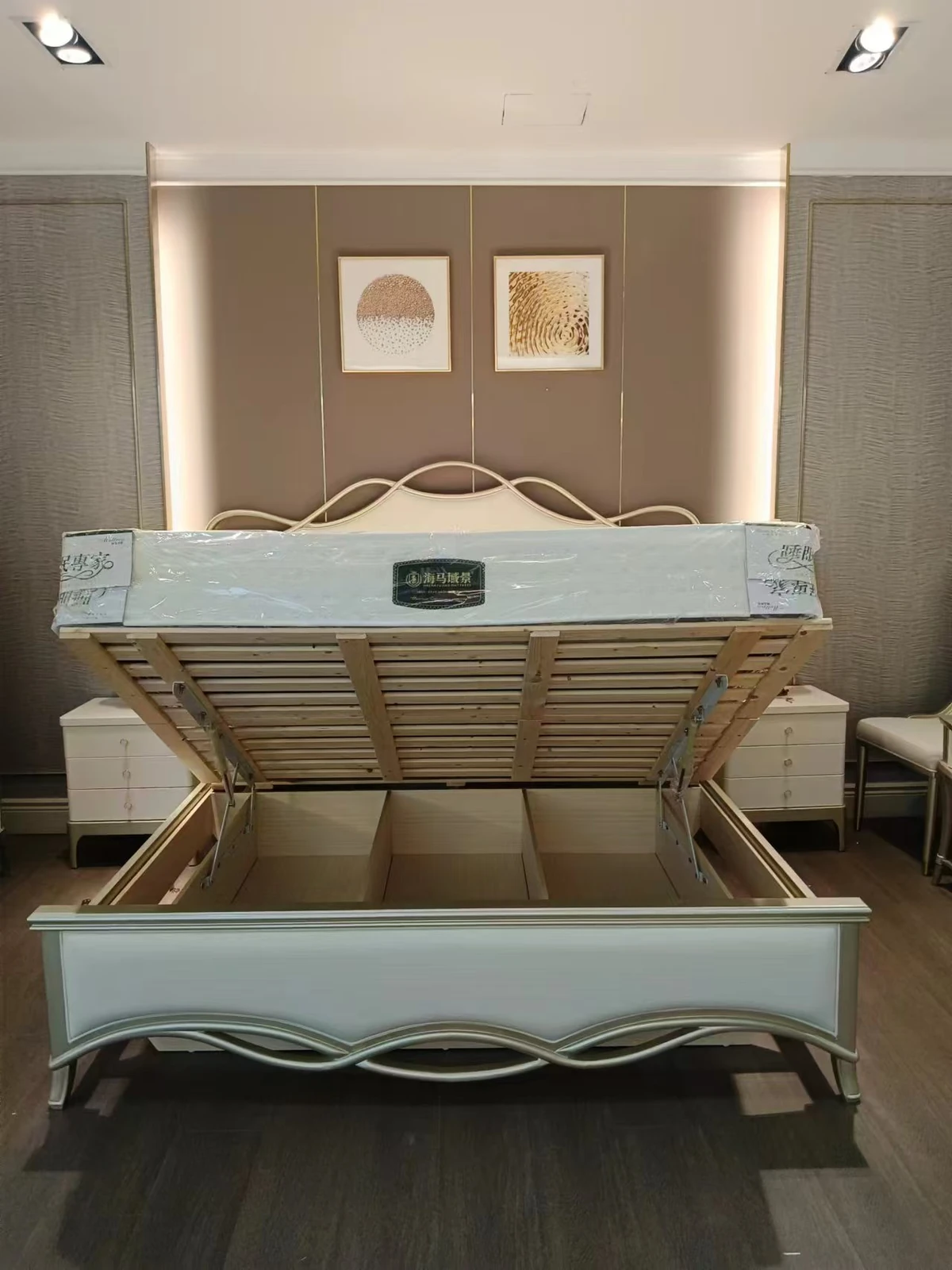
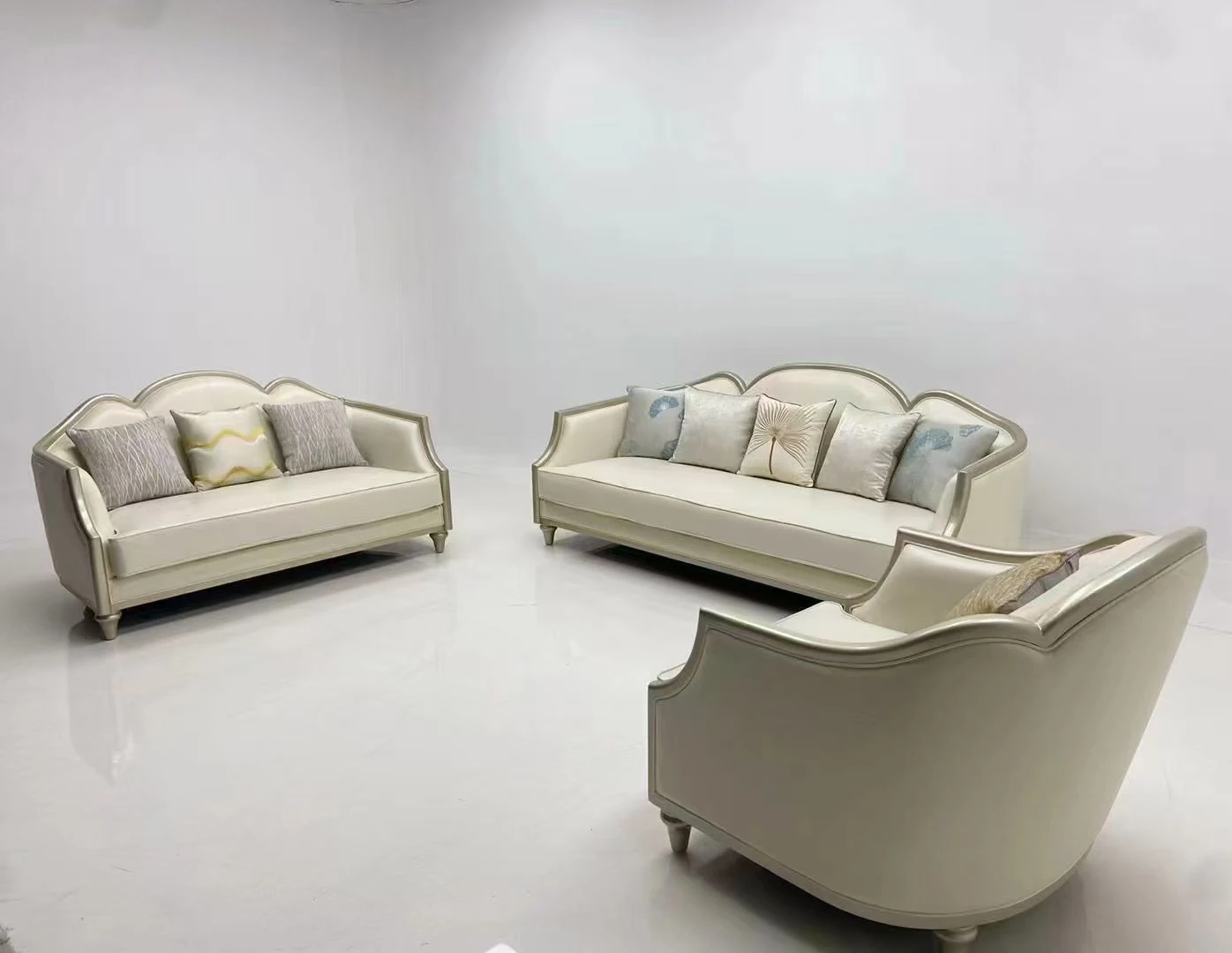
In real rooms
Singapore's Trusted Kids Bed Destination
From toddler first beds to teen sanctuary pieces, every child deserves a sleep space that grows with them. We curate only the safest, smartest, most stylish kids beds built for Singapore homes — compact rooms, humid climates, and curious climbers alike.
Browse our curated collection below and discover expert guides to choosing the perfect bed for your little one's next chapter.
Explore Collection ↓Hand-picked beds for every stage — from wobbly first steps to late-night study sessions.
Start by measuring your child's bedroom floor space, leaving at least 60 cm of walking clearance around the bed on all sides. Check ceiling height if you are considering a loft or bunk style. Measure the doorways and stairwell the bed must pass through — many flat-pack frames slide right in, but assembled metal bunk beds often do not. Compare mattress width options (single, narrow single, or small double) against your child's growth trajectory, not just current size. Ask about wood type and joinery method, guardrail height on elevated bunks, and whether the frame is compatible with a standard mattress thickness in your country. Finally, request a load-rating certificate and confirm local safety compliance before checkout.
A good children's bed relies on solid timber or moisture-resistant birch plywood, which withstands the humidity swings across Singapore, Malaysia, and Thailand while maintaining integrity in Japan and Korea's seasons. Look for reinforced corner joints, slats spaced no wider than 3cm to support the mattress safely, and a smooth, non-chipping finish. Avoid particleboard that swells, loose hardware, or wide slat gaps that risk finger entrapment. Verify relevant certifications—JIS in Japan, KS in Korea, ASEAN standards in Southeast Asia—for structural safety and low formaldehyde emissions. Always inspect for rounded edges, overall stability, and a sturdy guardrail if needed, ensuring the bed remains secure as your child grows.
A child’s bed is never just a place to sleep. In Singapore and Kuala Lumpur, where humid monsoons and compact HDB flats dominate, parents prioritise raised frames with ventilated slats and under-bed drawers that double as storage. Tokyo and Seoul demand the same space efficiency but push further toward modular designs that fold away or convert into desks. Thailand’s year-round heat calls for light, breathable materials over heavy upholstered beds. Meanwhile, Korean families often layer in floor mattresses (yo) alongside low platform beds, reflecting a hybrid living style. Across all five markets, the common thread is adaptation: beds must withstand humidity, shrink into small rooms, and grow with a child through rapid developmental stages.
The most frequent questions centre on size, safety, and assembly. Buyers want to know exactly which mattress dimensions fit — single, small double, or Japanese loft-style — and whether the bed can grow with a child through the early teen years. Safety is always top of mind: are there guard rails, rounded corners, and non-toxic finishes? Many also ask about load capacity and whether the frame will squeak or wobble over time. Storage features come up often, especially in compact homes where under-bed drawers or shelves add value. Another common concern is whether the bed arrives fully assembled or requires self-assembly, and what tools are needed. Finally, buyers want clear lead times and delivery options, particularly for high-rise apartments where lifts may be restricted. Being upfront about all of these details upfront prevents returns and frustration.
Want the longer version? Browse all buying guides for this category.
Answers to what Singapore buyers ask most